Is Mumbai safe?+
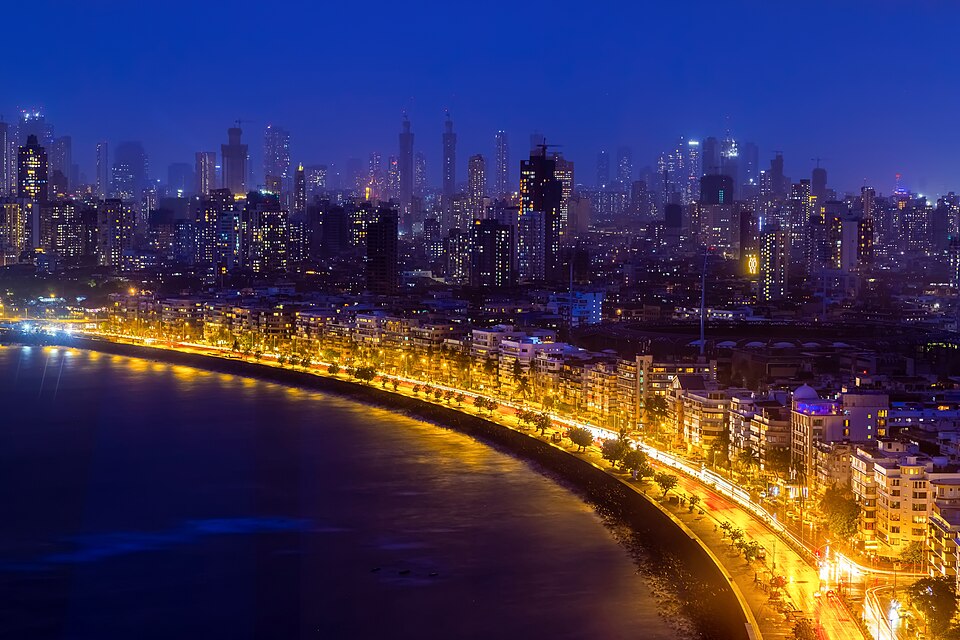
Yes, Mumbai is one of India's safest big cities, and even women walk its streets in the evening. The real issues are pickpockets on trains and at markets, and overcrowded rush-hour trains where injuries can happen. Marine Drive and Colaba are fine to walk even after dark.
Should I visit the Dharavi slum?+
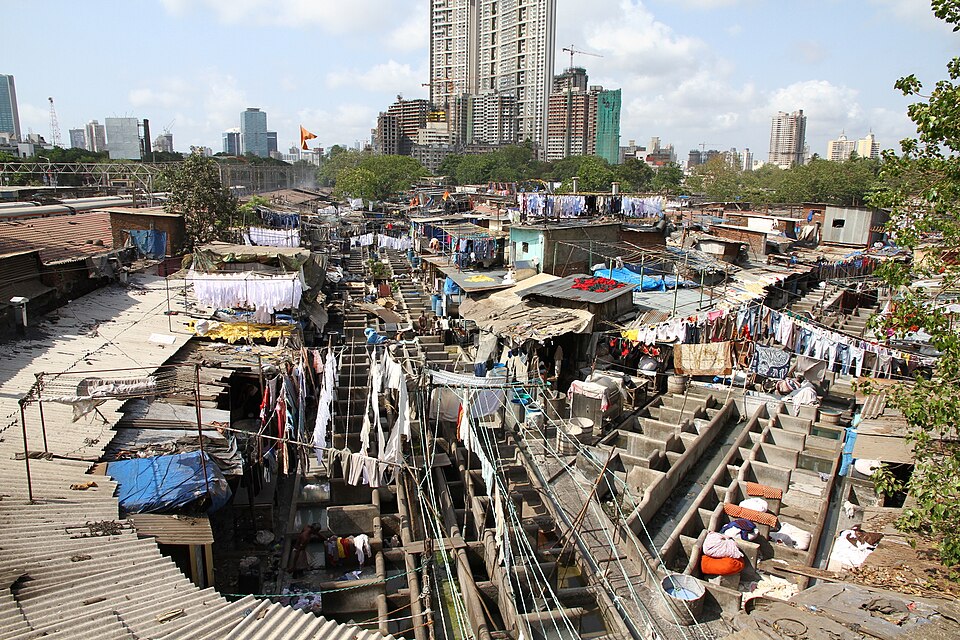
Dharavi is a vast district of a million-plus residents and thousands of small workshops that recycle plastic and make leather goods and pottery. Tours run by local organizations are legitimate, profits often go back into the community, and photography isn't allowed. If you'd rather not look into other people's lives, you don't have to go, but it shows how Mumbai really works.
How many days do I need for Mumbai?+
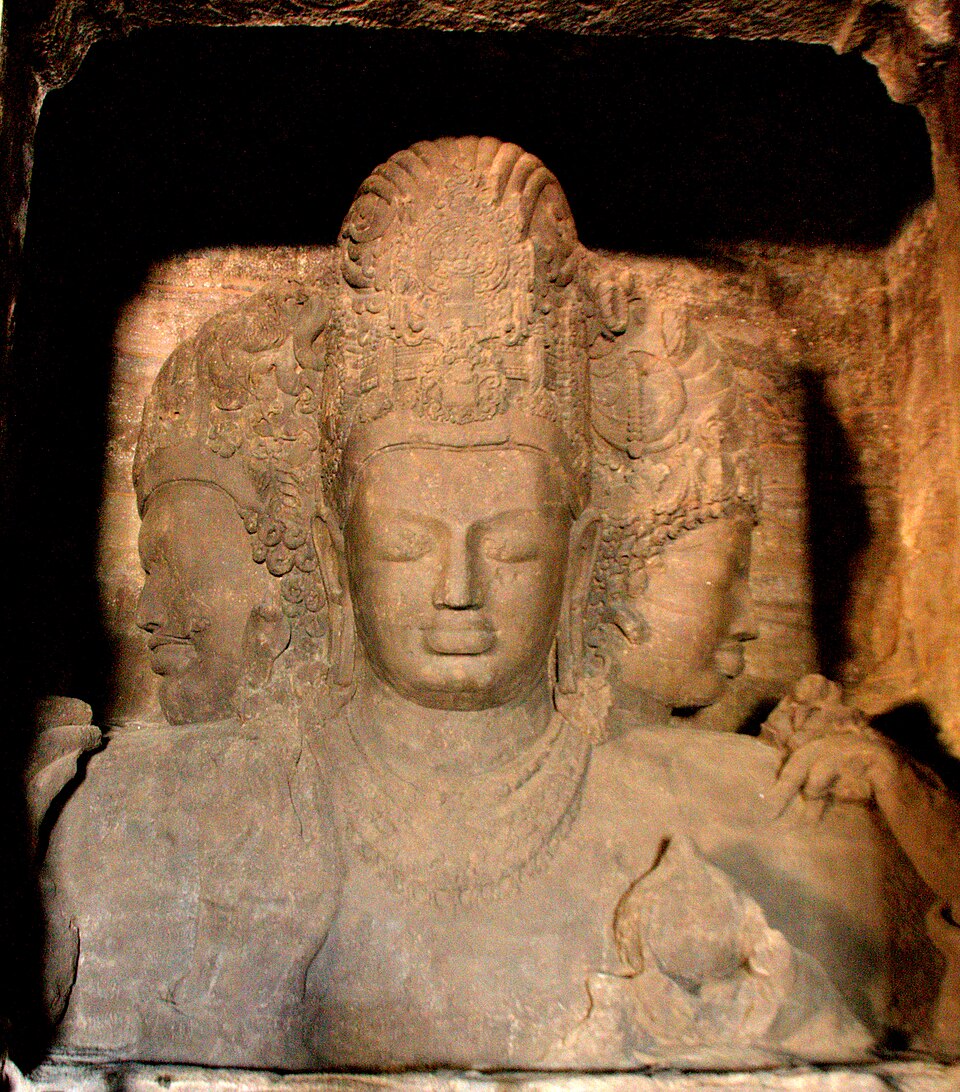
Two to three days for the main sights, Elephanta and the food. Mumbai is often a stopover on the way to Goa or to the Ajanta and Ellora caves, reached by flight or train to Aurangabad.
How do I get from the airport to Colaba?+
The most comfortable option is Uber or a prepaid taxi from the counter in the arrivals hall, which takes an hour or two depending on traffic. The new Metro Line 3 gets you south in fifty minutes with no traffic jams, and for a fraction of the price, if you don't have large suitcases.
Can I swim in the sea in Mumbai?+
Not in the city — Chowpatty and Juhu beaches are for strolling and eating, the water is polluted. For swimming, people go to Alibag across the bay, or to Goa. Hotels have pools.
What's the monsoon like?+
From June to September, most of the year's rainfall arrives, with up to thirty centimeters falling in a single July day. Trains stop running, streets flood and flights are delayed. You can still travel, but expect transport disruptions and Elephanta being closed.
Can you visit Bollywood?+
Film City in the north of the city runs set tours, but you'll rarely see an actual shoot in progress. More fun is catching a new Hindi film at the cinema — at Regal or Maratha Mandir, the audience claps, sings along and whistles.
What should I buy in Mumbai?+
Textiles and clothing on Colaba Causeway and at Fabindia stores, spices and tea at Crawford Market, antiques and curios at Chor Bazaar. There's no bargaining in fixed-price shops, but at the market start at half the asking price.