Hotels in Marbella

A glamorous Costa del Sol city with a white old town and beaches

Marbella

LanguageSpanish
CurrencyEUR
TimezoneEurope/Madrid
Temperature12-32 °C
Dial Code+34
Population47.6M
Area505,990 km²
SocketsType C / Type F
Tap waterDrinkable

Discover Marbella

Marbella lies on the Costa del Sol between the sea and the Sierra Blanca mountains, about fifty-five kilometres west of Málaga airport. It is the largest and most glamorous resort on the coast, famed since the 1950s for its yachts, golf and wealthy visitors, yet it has remained a town with a small white old town where people drink coffee in the Orange Square. The beaches are sand and pebble, mostly groomed with beach bars, and a promenade of more than twenty kilometres runs along them. The districts differ sharply: Casco Antiguo is picturesque, Puerto Banús shows off luxury, the Golden Mile belongs to hotels and villas, and San Pedro de Alcántara suits families. Winter is mild and sunny, summer hot, which is why people come all year. From Málaga airport it is forty-five minutes by car on the AP-7 motorway, so it also suits a short stay. Prices are higher than elsewhere in Spain, but cheaper accommodation is found in San Pedro.

What to see

The places worth your time in Marbella, and what to expect at each

Old Town (Casco Antiguo)

centre

The remains of a Moorish town with white houses, narrow lanes, flowerpots and small squares, lying a short distance from the beach. Between the lanes are boutiques, tapas bars and small galleries. In the afternoon it is calm, and in the evening, when the terraces open, full.

Tip: The best time is about nine in the evening, when it cools and the terraces fill. Prices on the main squares are higher than in side lanes, but the tapas bars on Calle Peral offer good food at reasonable prices.

Admission:
free
Time needed:
2–3 hrs
Orange Square

Orange Square

Casco Antiguo

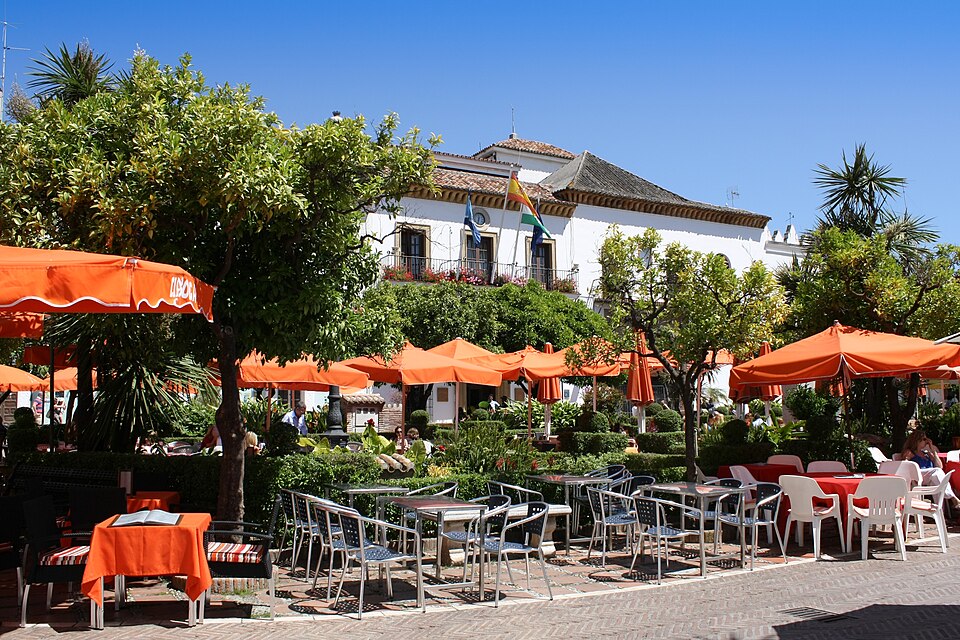
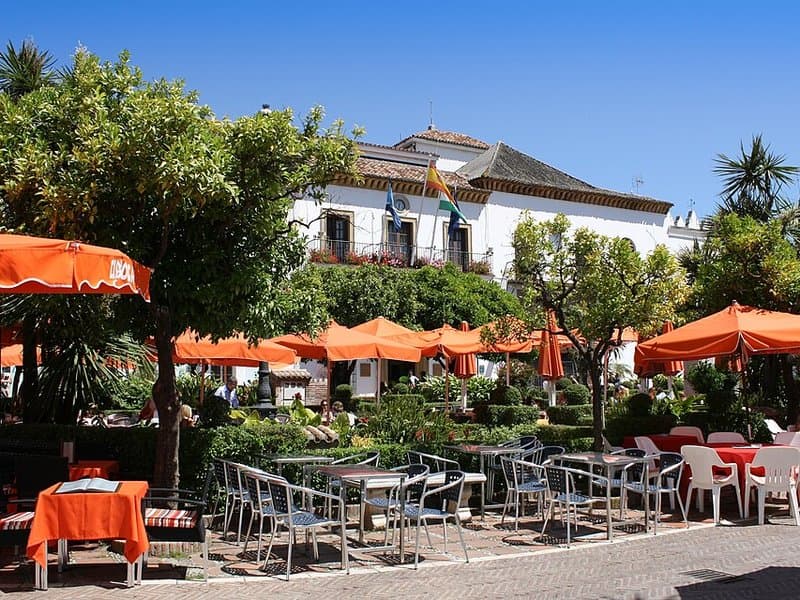
Plaza de los Naranjos is the heart of the old town from the fifteenth century, ringed by Renaissance buildings, a chapel and a fountain. Under the orange trees people drink coffee and eat tapas, and in the middle stands the town hall. It is the most photographed spot in town.

Tip: Ask at the information centre for a map of sights. In the evening it is full, but around ten in the morning it is calm with ideal light for photos.

Admission:
free
Time needed:
30–45 min
The Alcazaba (castle)

The Alcazaba (castle)

Casco Antiguo

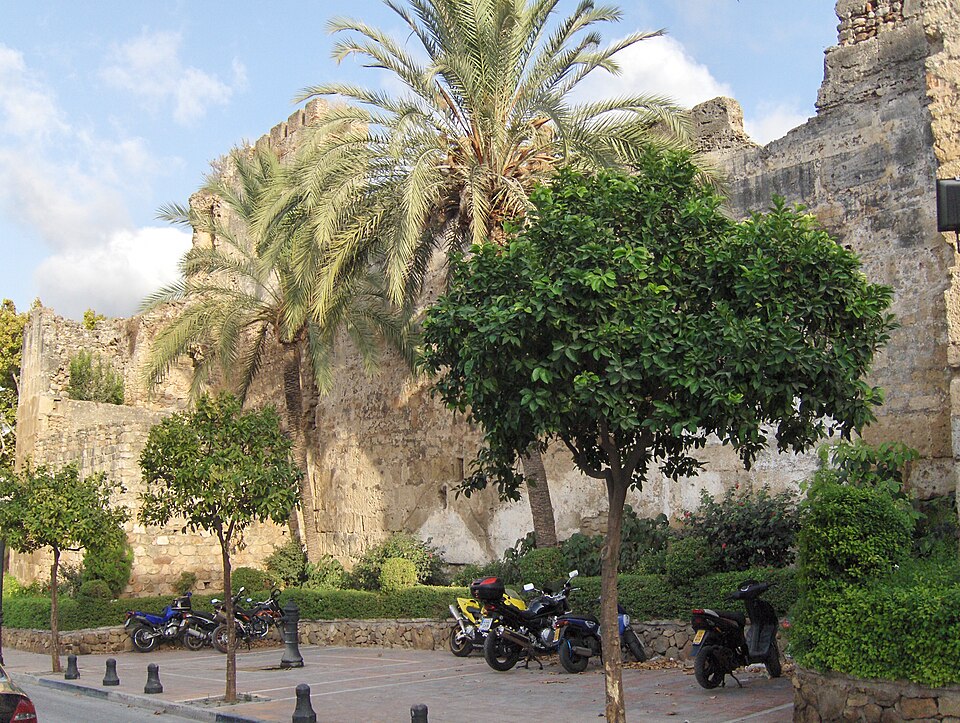
A Moorish fortress from the tenth century in the very centre of the old town, of which walls and towers survive. It is one of the oldest monuments in Marbella, and exhibitions are held in the courtyard. From the ramparts there is a view over the roofs and the sea.

Tip: Entry is free and the castle is open all day. It is best to go after morning coffee, when the light is pleasant and the tourists have not yet arrived.

Admission:
free
Time needed:
30 min
Puerto Banús

Puerto Banús

Puerto Banús

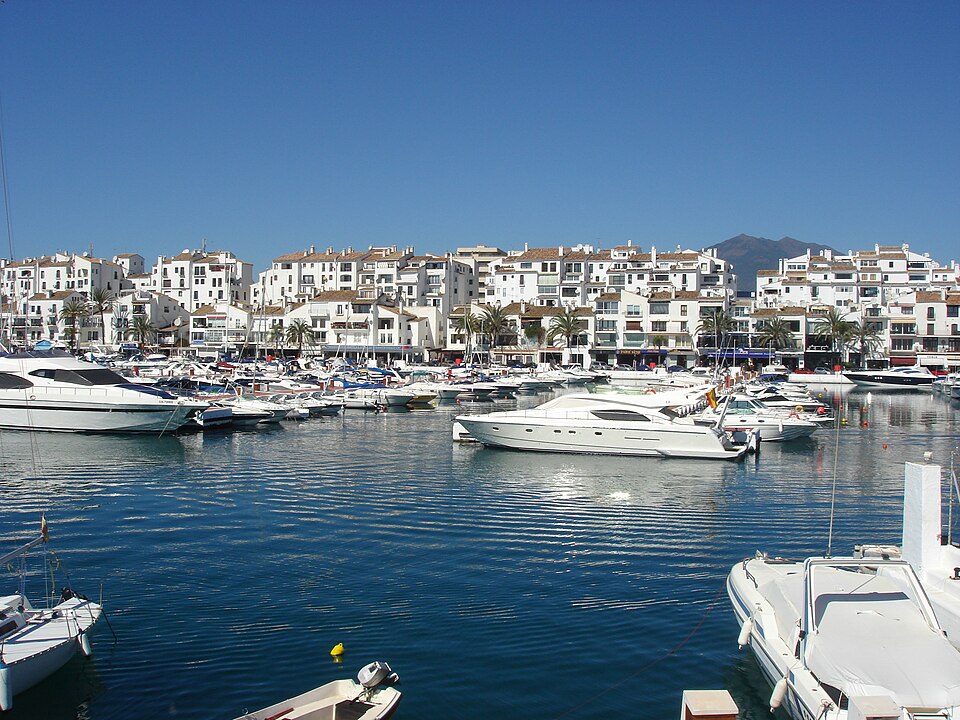
A luxury harbour from 1970 with yachts, designer shops, boutiques and nightclubs. Sports cars cruise along the quay and the promenade fills in the evening. It is a place to be seen or simply to watch.

Tip: Come after sunset, when the boats light up; restaurant prices on the harbour are high, so try the second row of streets. Beware of pickpockets.

Admission:
free
Time needed:
2 hrs

The Golden Mile

between Marbella and Banús

A four-kilometre stretch of coastal road between Marbella and Puerto Banús lined with luxury hotels, villas and beach clubs. A promenade and a cycle path run alongside, so you can walk it from the centre in an hour and a half. It is the most expensive address in Marbella.

Tip: Plan the walk for early evening. The beaches by the hotels have public access with no entry fee, but facilities cost extra.

Admission:
free
Time needed:
1–2 hrs
Paseo Marítimo and the Beaches

Paseo Marítimo and the Beaches

coast

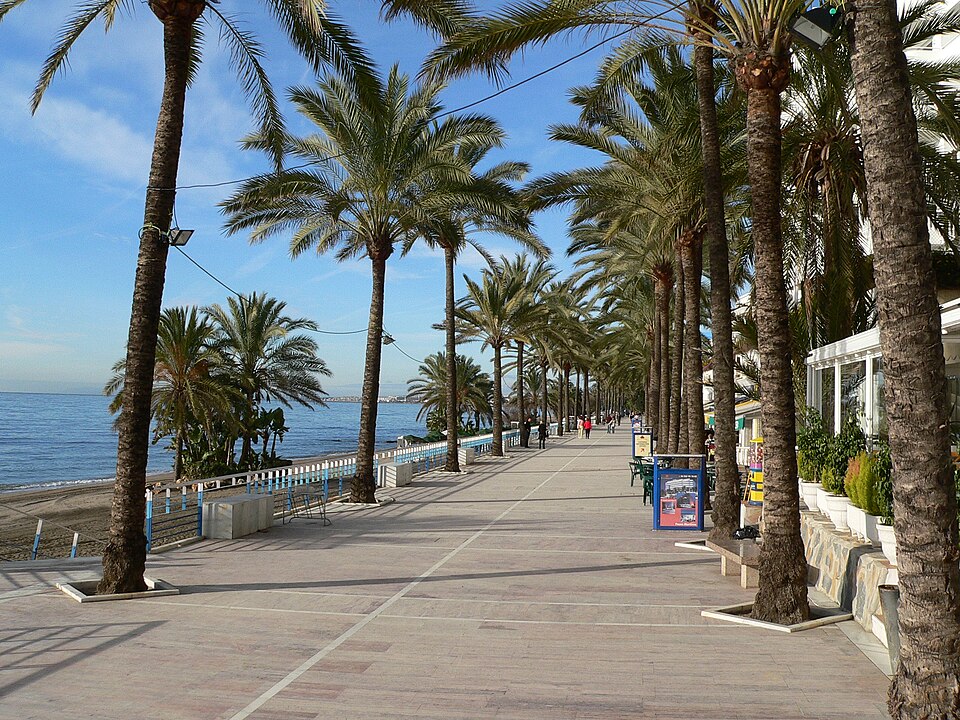
A twenty-kilometre promenade along the beaches with palms, chiringuitos and fine dark sand and pebbles. The beaches are clean and groomed, and most fly a flag. The best are Playa de la Fontanilla and Playa Venus in the centre.

Tip: In the evening the promenade fills; a morning walk is more pleasant. The chiringuitos serve grilled sardines, espetos, in wooden boats by the beach.

Admission:
free
Time needed:
half a day
La Concha Mountain

La Concha Mountain

above the town

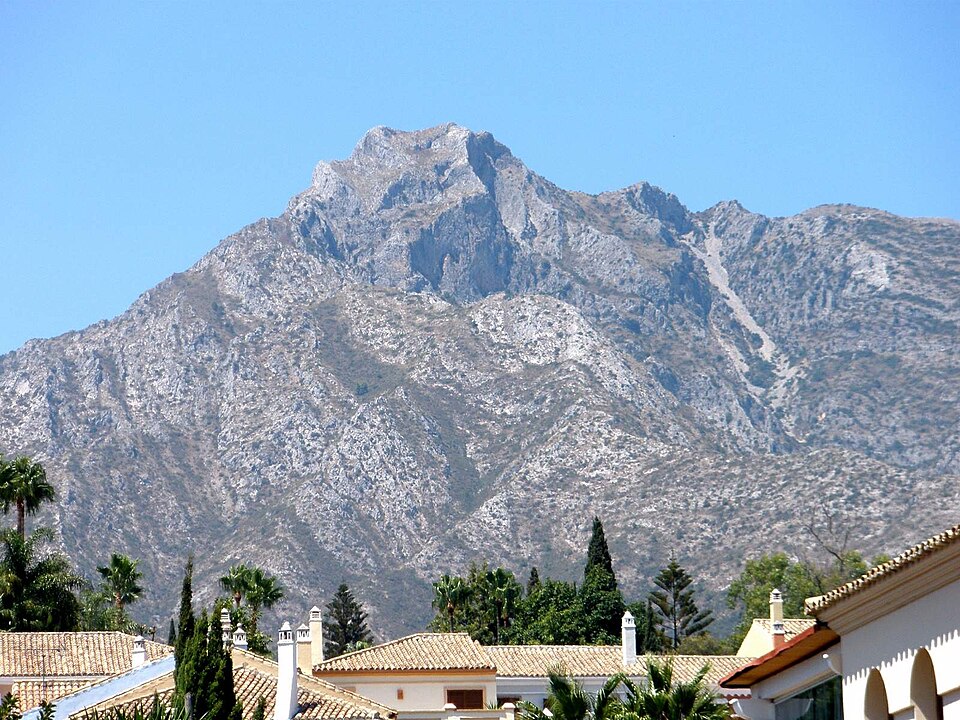
A rocky summit 1,215 metres high above the town that is Marbella's symbol. A marked trail about four hours there and back leads up. At the top there are views of the coast, Gibraltar and, in good weather, Africa.

Tip: Set off early in the morning, as before noon in summer the slopes are over thirty degrees. Take a litre and a half of water and sturdy shoes; the trail is steep and stony.

Admission:
free
Time needed:
4–5 hrs

Museum of Spanish Contemporary Engraving

Casco Antiguo

A museum of contemporary Spanish printmaking in the former hospital building in the old town, collecting works by Picasso, Miró and Dalí. It offers a calm counterpoint to the beach and the entry is low. It is one of the few cultural venues in town.

Tip: A good plan for a hot afternoon, as it is air-conditioned inside. Opening hours change, so check them in advance.

Admission:
about €3
Time needed:
1 hr
The Mountain Village of Ojén

The Mountain Village of Ojén

mountain edge

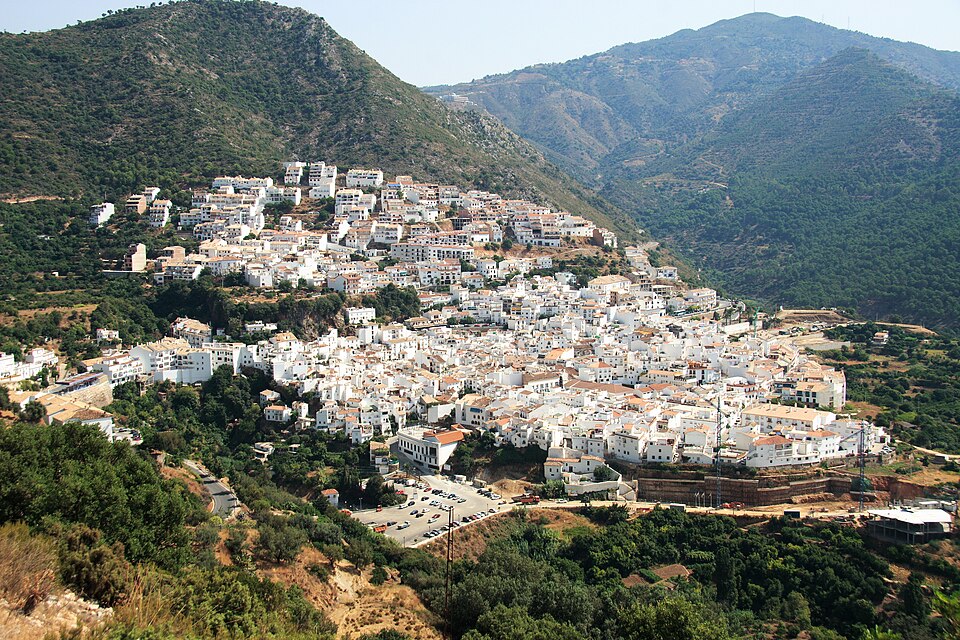
A white village in the Sierra Blanca mountains, twelve kilometres from Marbella, with narrow lanes and a church. It is a calm place with Spanish restaurants and views. Ojén is known for its aguardiente spirit and olive oil.

Tip: On the way stop at a viewpoint and in the forest. Lunch is in the traditional restaurants, where prices are lower than on the coast.

Admission:
free
Time needed:
half a day

Photos: Orange Square — Mark Gilbert (CC BY-SA 3.0) · The Alcazaba (castle) — Tyk (CC BY-SA 3.0) · Puerto Banús — __Lolo__ (CC BY-SA 2.0) · Paseo Marítimo and the Beaches — Wikimedia Commons (CC BY-SA 3.0) · La Concha Mountain — Zarateman (CC0) · The Mountain Village of Ojén — Samuel Garcia ( Samuelgarcia87 in wikipedia) Original uploader was Samuelgarcia87 at en.wikipedia (CC BY 2.5)

Where to stay

Areas and districts, matched to the kind of trip you are taking

Casco Antiguo

Best for: romance, tapas and strolls

A picturesque old town with white houses, tapas bars and boutiques. Hotels are small and stylish, with higher prices. Suits couples and short stays.

Golden Mile

Best for: luxury and beaches

The coastal strip with luxury hotels, golf courses and beach clubs. It is calm and high-standard, but prices are the highest in Marbella. Transport to the centre by bus or taxi.

Puerto Banús and Nueva Andalucía

Best for: nightlife and golf

The harbour with shops and nightclubs, with golf courses nearby. In the evening it is noisy and pricey. Suits those who want entertainment.

San Pedro de Alcántara

Best for: families and lower prices

A calm district on the western edge with a wide beach, a promenade and family hotels. Prices are lower than in the centre and the atmosphere authentic. A good choice for families and a longer stay.

Getting around

From the airport

The nearest airport is Málaga–Costa del Sol (AGP), about fifty-five kilometres east of Marbella, with direct flights from many European cities. A scheduled bus runs from the airport to Marbella in about an hour for around eight euros, while a transfer or taxi takes forty-five minutes. A train also runs from Málaga to Fuengirola, with a bus onwards. By car you take the AP-7 motorway or the A-7 road.

Málaga – Costa del Sol Airport (AGP) · 55 km

  • Avanza bus to Marbella· 1 hr· €8
  • Taxi to central Marbella· 45 min· €80
  • Private transfer· 45 min· €70

Around town

Marbella is spread out and suits a car or a bus. City buses run along the coast between the centre, Puerto Banús and San Pedro. Taxis are pricier, while Uber works. The centre and old town can be done on foot. Car rental costs from thirty euros a day.

On footThe old town and promenade fit within three kilometres.
BusLines along the coast between San Pedro, the centre and Puerto Banús. · €2
Taxi and UberAround town and to the airport. · €10
Car rentalFor trips to Ronda and the surroundings. · €30

Useful apps: Google Maps, Uber, Bolt, Avanza

When to go

Marbella has a Mediterranean climate with hot dry summers and mild winters. In July and August it is around thirty-one degrees with almost no rain, in winter around seventeen and sunny. The best months are May, June and September, when it is warm and less crowded. The sea reaches over twenty-two degrees in August and about fifteen in winter.

Best time

May to June and September

What to avoid

July and August (heat and the most people)

MonthJanFebMarAprMayJunJulAugSepOctNovDec
Day17°18°20°22°25°29°31°31°28°24°20°17°
Night8°8°10°12°15°18°21°21°19°15°12°9°
Rainy days555531002566
Sea15°15°15°16°17°19°21°22°22°20°18°16°

Food & drink

Marbella offers Andalusian cooking from tapas to Michelin restaurants. The best beach food is espetos, sardines grilled over a wood fire, and fresh fried fish. Dinner is eaten late, from half past eight, and lunch around two.

What to try

Espetos de sardinas

Sardines skewered on a stick and grilled over a wood fire in a boat full of sand. A speciality of the Málaga coast, best from June to September.

Pescaíto frito

A mix of small fried fish and seafood in a light batter. Served in a paper cone and in chiringuitos.

Boquerones en vinagre

Anchovies marinated in vinegar with garlic and parsley. A cold starter with beer.

Salmorejo

A thick cold soup of tomatoes, bread and olive oil, topped with ham and egg. A refresher on hot days.

Tortillitas de camarones

Crisp fritters of batter with tiny shrimp. A typical Andalusian tapa.

Jamón ibérico

Ham from Iberian pigs, sliced thin and served with bread. The best grade is marked 'de bellota'.

Sangría and tinto de verano

Wine with fruit and lemonade, a refreshing summer drink. In bars it costs three to five euros.

What it costs

Coffee

€1.5–2

Tapas

€3–5

Menu del día lunch

€12–18

A beer

€2.5–4

Espetos at the beach

€10–16

Bus from the airport

€8

3★ hotel (night)

€100–200

Lounger and umbrella (day)

€15–30

Indicative prices that change over time — treat them as a guide, not a price list.

Practical information

SocketsCEuroplug, two round pinsFSchuko
Voltage230V / 50Hz
Tap waterTap water is drinkable — Tap water in Spain is safe, but in Marbella it is heavily chlorinated and hard, so people prefer bottled. In restaurants you can ask for 'agua del grifo' free of charge.
TippingTipping is not obligatory; in a restaurant leave five to ten per cent. Rounding up is usual.
Driving on theright
SafetyMarbella is safe, but in Puerto Banús and on the beach watch for pickpockets. Do not leave belongings visible in the car. In summer there is strong wind and the sea has currents. The emergency number is 112.
Opening hoursShops are open from ten to two and half past four to eight, many in tourist districts through midday. Restaurants serve dinner from half past eight. On Sunday most shops are closed.
Customs & etiquetteSpaniards eat late, lunching around two and dining after nine. On the beach topless sunbathing is only in designated areas. Do not enter a church in swimwear.
A few local wordsGood day — Buenos díasThank you — GraciasPlease — Por favorHow much is it? — ¿Cuánto cuesta?Cheers — SaludThe bill, please — La cuenta, por favorWhere is the beach? — ¿Dónde está la playa?

How to plan your days

1 day

A day in Marbella

  1. 1Morning in the old town and Orange Square.
  2. 2Afternoon on the beach and espetos at a chiringuito.
  3. 3Early evening along Paseo Marítimo and the Golden Mile.
  4. 4Evening at Puerto Banús and dinner.

2 days

Two days: town and mountains

  1. 1Day one as above.
  2. 2Day two morning at Ojén and the viewpoint.
  3. 3Afternoon museum and beach.
  4. 4Evening tapas in Casco Antiguo.

3 days

Three days: Marbella with Ronda

  1. 1Days one and two as above.
  2. 2Day three a trip to Ronda by the mountain road.
  3. 3Return and dinner in San Pedro.

Day trips

Ronda

60 km · 1 hr 15 min by car

A town on a rocky gorge with the Puente Nuevo bridge, a bullring and an old town. From Marbella you drive a mountain road and the trip takes a full day.

Gibraltar

70 km · 1 hr by car

A British territory with the Rock, its monkeys and a view of Africa. Passports are checked at the entrance and queue times vary.

Málaga

55 km · 45 min by car

An Andalusian port city with the Alcazaba, a cathedral and the Pompidou. Buses run from Marbella and trains from Fuengirola.

Frequently asked questions

Is Marbella expensive?+

It is pricier than other parts of the Costa del Sol, especially Puerto Banús and the Golden Mile. Tapas and lunch in side streets cost reasonably and San Pedro de Alcántara is cheaper. It is cheapest outside the summer holidays.

How do I get from Málaga airport to Marbella?+

A scheduled bus takes about an hour and costs eight euros, a taxi costs around eighty euros and takes forty-five minutes. You can also take a train to Fuengirola and a bus on. By car you take the AP-7.

When is the best time to visit?+

May to June and September are best, when it is warm and not crowded. In July and August it is around thirty-one degrees. In winter it is milder, but swimming is chilly.

Is Marbella suitable for families?+

Yes, the beaches are sandy and groomed and nearby are water parks and theme parks. Best for families are San Pedro and Elviria, where it is calm and cheaper. The centre is noisier.

Is Marbella safe?+

For tourists yes, but in Puerto Banús and on the beaches watch for pickpockets. Do not leave valuables in the car. In the sea obey the flags, as currents are sometimes strong.

Which trips are worth it?+

Ronda with its bridge and gorge, Gibraltar with the Rock and Málaga with the Alcazaba. Into the mountains you drive to the village of Ojén. For trips it is useful to rent a car.

Do I need a car?+

For a stay in the centre no, as buses and taxis link the main districts. For trips inland a car is useful. In summer parking in the old town is hard to find.

Do you pay in euros in Marbella?+

Yes, Spain uses the euro. Cards are accepted nearly everywhere, and cash is useful in tapas bars and at markets. ATMs are on every corner in the centre.

Visa Requirements

Check the latest visa requirements for entering this country. Some nationalities may need to apply for a visa or e-visa before travel.

Check visa requirements

Language

Spanish

Currency

EUR

Timezone

Europe/Madrid

Dial Code

+34

Population

47.6M

Area

505,990 km²

Voltage

230V / 50Hz

Driving Side

Right

Top Hotels in Marbella

Live prices from 500+ properties

Loading hotels...

Planning a trip to Marbella?

Compare hundreds of hotels, find the best price, and book with free cancellation on TravelManiac.