Hotels in Sofia

Golden domes, Roman streets beneath the metro, and a 2,000-metre mountain at the end of the tram line

Sofia

LanguageEnglish
CurrencyBGN
TimezoneGMT+2
Temperature2-28 °C
Dial Code+359
Population6.5M
Area110,879 km²
SocketsType C / Type F
Tap waterDrinkable

Discover Sofia

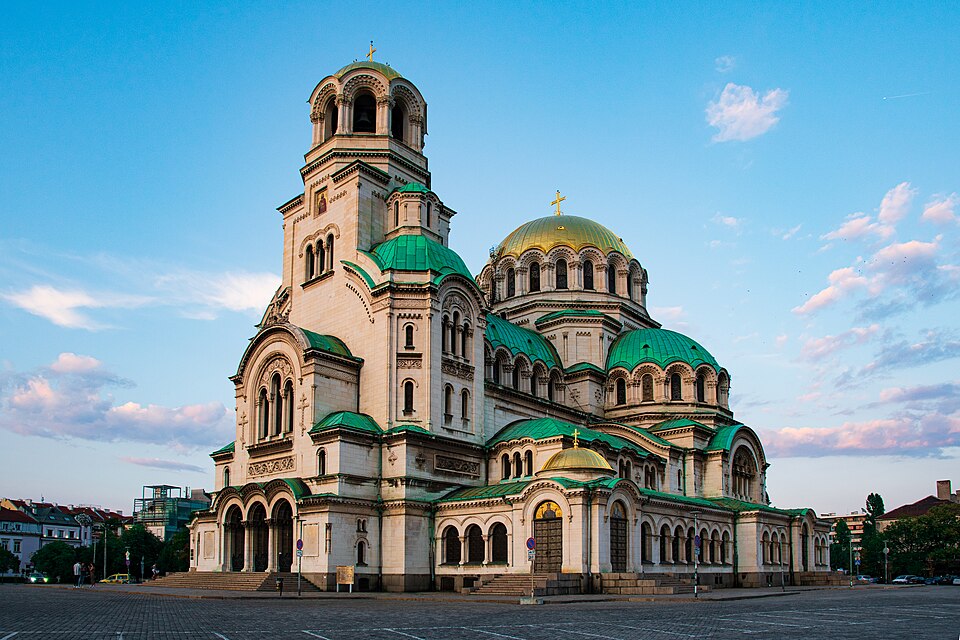
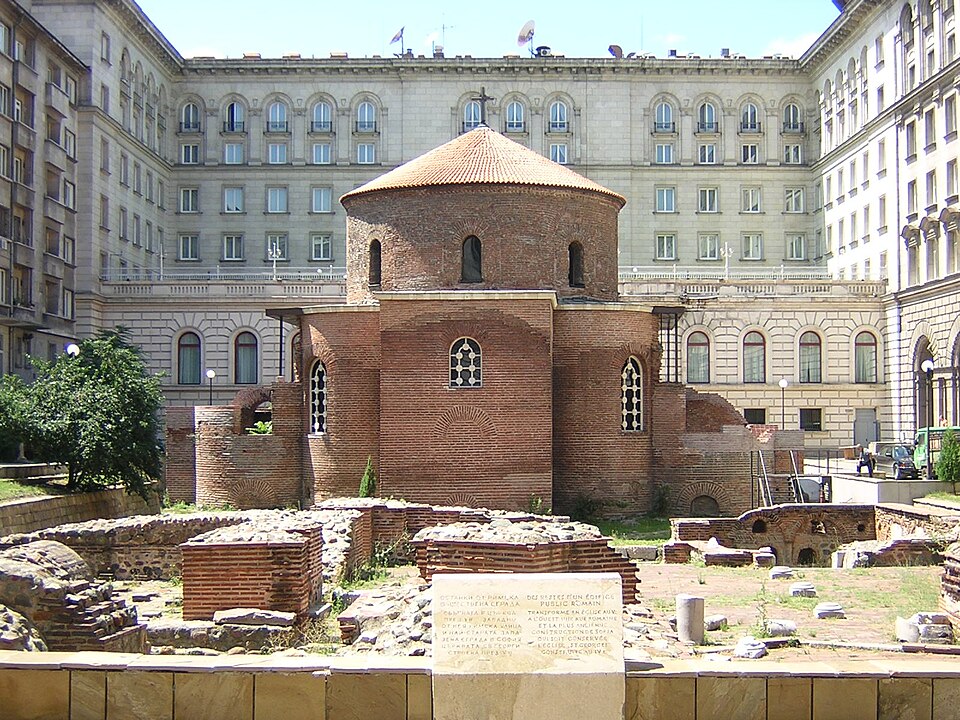
Sofia is the capital of Bulgaria, set in a basin beneath Mount Vitosha, one of Europe's oldest continuously inhabited cities — Thracians settled here by hot springs, the Romans turned it into Serdica, which Constantine the Great called his own Rome. Those layers sit literally on top of each other: in the underpass by Serdika metro station you walk over Roman paving, the fourth-century Rotunda of St George stands in the courtyard of the presidential palace, and one square brings together an Orthodox cathedral, a mosque, a synagogue and a Catholic cathedral. The city's symbol is the gold-domed Alexander Nevsky Cathedral, built in honour of the Russian soldiers who died liberating Bulgaria. Sofia is cheap, green and free of tourist crowds; its cafés and wine bars fill mostly with locals, and the wine is excellent. And, uniquely among European capitals, it has a 2,000-metre mountain right on its doorstep — Vitosha is reached by city bus, and there's skiing here in winter. Bulgaria has used the euro since 2026.

What to see

The places worth your time in Sofia, and what to expect at each

Alexander Nevsky Cathedral

Alexander Nevsky Cathedral

Храм-паметник „Св. Александър Невски“

City centre

An Orthodox cathedral with twelve domes, the main gold one rising forty-five metres, built between 1882 and 1912 in honour of the two hundred thousand Russian soldiers who died in the Russo-Turkish War that brought Bulgaria its freedom. It holds five thousand people and ranks among the largest Orthodox churches in the Balkans.

Tip: Entry is free, and the most powerful experience is the Sunday liturgy at nine in the morning with the choir. Inside it's dark, thick with the scent of incense and candles — photography is only allowed for a fee. The crypt holds a museum of icons with the best collection in the country, entered separately with paid admission from the side of the cathedral. The surrounding square is lined with vendors selling antiques and Soviet-era souvenirs.

Admission:
free, crypt around 6 €
Time needed:
45 min
Rotunda of St George

Rotunda of St George

Ротонда „Св. Георги“

City centre

Sofia's oldest building, a brick rotunda from the fourth century, tucked away in a courtyard between the presidential administration and the Sofia Balkan Palace hotel. Inside, frescoes from the tenth to fourteenth centuries overlap in layers, and excavated remains of a Roman street lie around it.

Tip: Finding it is half the fun — the entrance is through a courtyard between the presidential building and a hotel, invisible from the boulevard. Entry is free, but it's a working church, so keep quiet. Right in front of the presidential building, a guard in historical uniform changes on the hour. Roman paving and building foundations from Serdica are visible around the rotunda.

Admission:
free
Time needed:
20 min
Serdika and underground Sofia

Serdika and underground Sofia

Археологически комплекс „Сердика“

Serdika

The remains of the Roman city of Serdica, uncovered during metro construction, with streets, baths, houses and an early Christian basilica. They're preserved under glass roofs in the underpass and at Serdika metro station, so you walk through an ancient city on your way to catch a train.

Tip: The best place to start is the underpass by Serdika metro station, where the ruins are freely accessible and lit up. Information boards in English are posted both in the station and the underpass. A short walk away stands the fifteenth-century Church of St Petka of Tarnovo, sunk below street level, and the Banya Bashi Mosque. In about an hour you can walk through two thousand years of history packed into an area a hundred metres square.

Admission:
free
Time needed:
45 min
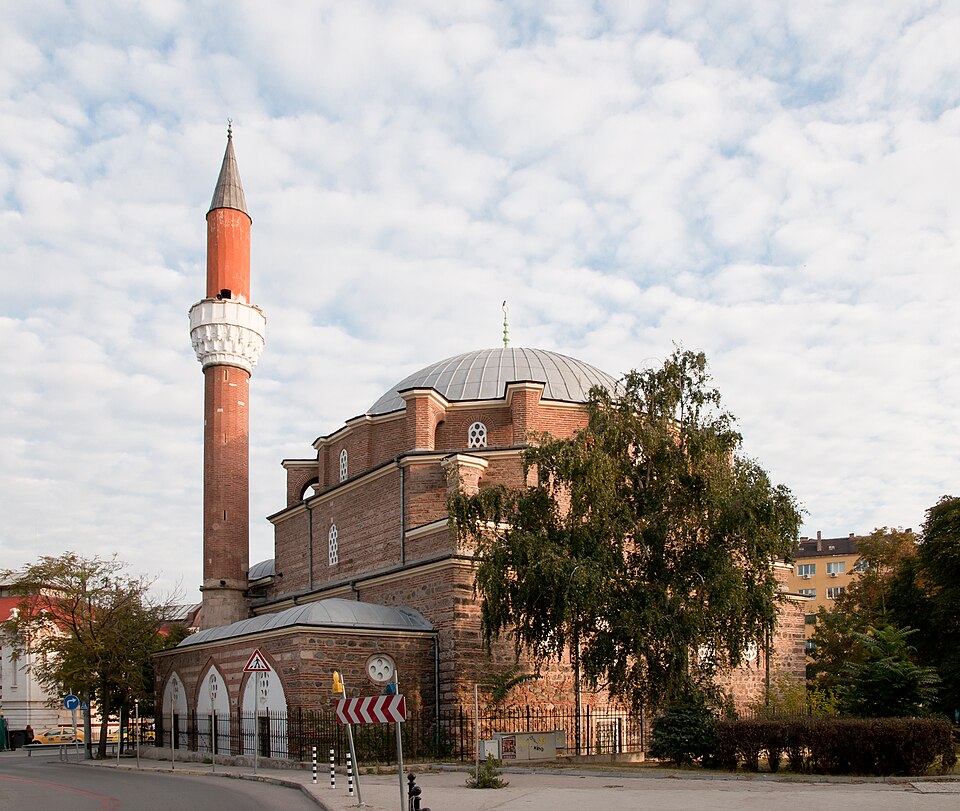
Banya Bashi Mosque and the mineral springs

Banya Bashi Mosque and the mineral springs

Баня баши джамия

City centre

An Ottoman mosque from 1576 by the architect Mimar Sinan, the only functioning mosque in Sofia. It takes its name from the baths it once stood beside; right next door is the Art Nouveau building of the former Central Mineral Baths, today the Sofia History Museum.

Tip: The best experience is at the hot mineral water fountains in the park behind the baths — the water flows free and locals fill up canisters there; it runs around 40°C and has a sulphurous taste. Fill a bottle, it's drinkable. The mosque is open to visitors outside prayer times, and women should cover their hair. The Sofia History Museum, housed in the former baths, has a good exhibit on the city's past.

Admission:
free, museum around 3 €
Time needed:
45 min
Sofia Synagogue

Sofia Synagogue

Софийска синагога

City centre

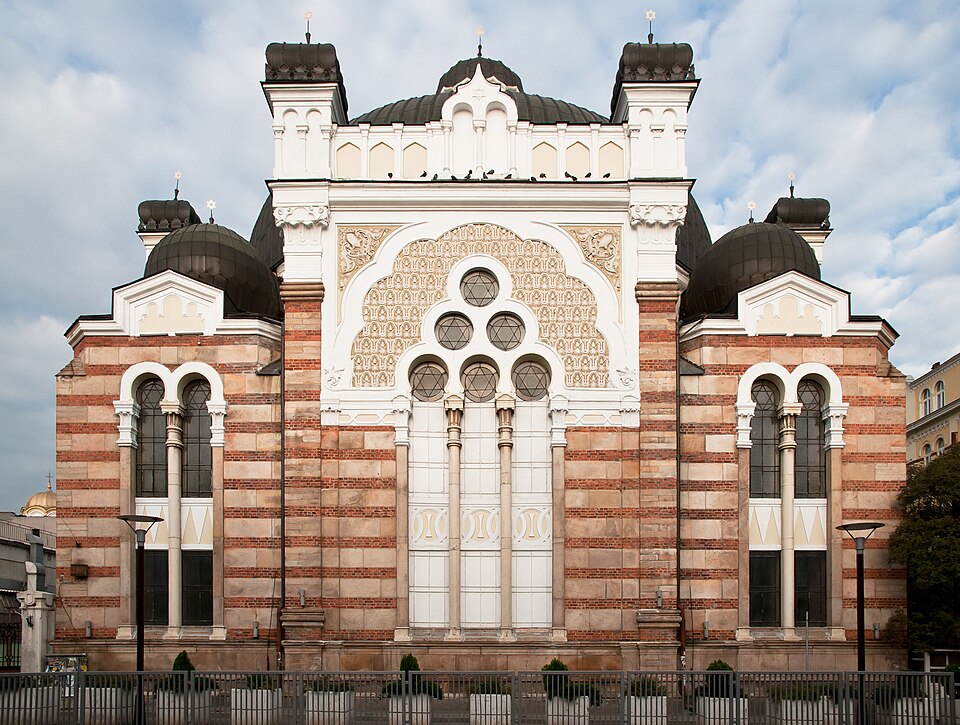
The third-largest synagogue in Europe, built in 1909 in Moorish style by a Viennese architect. It has an octagonal dome and a chandelier weighing more than two tonnes, the largest in any synagogue. It's a reminder that Bulgaria saved almost fifty thousand of its Jewish citizens from deportation during the Second World War.

Tip: Inside is a small museum on the history of Bulgaria's Jewish community and its rescue in 1943. Opening hours are limited and it's closed on Saturdays. Directly opposite stands the Central Market Hall, built in 1911, good for both shopping and a bite to eat. It pairs well with the Banya Bashi Mosque, just a hundred metres away.

Admission:
around 5 €
Time needed:
30 min
Vitosha Boulevard

Vitosha Boulevard

булевард „Витоша“

City centre

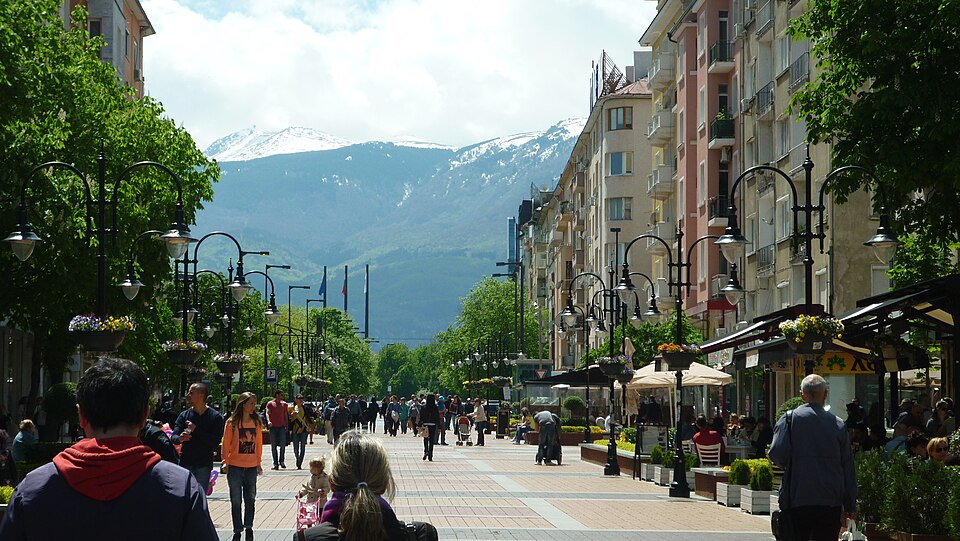
Sofia's main pedestrian street, running from St Nedelya Church to the National Palace of Culture, lined with shops, cafés and restaurants with terraces, ending with a view of Mount Vitosha. In the evening, the whole city seems to be out for a stroll.

Tip: Cafés directly on the boulevard cost more; a street over, on Shishman or Graf Ignatiev, you'll pay about half. At the end of the boulevard stands the National Palace of Culture, a huge 1981 socialist-era building with a park and fountains that hosts summer concerts. On a clear day, the snow-capped peak of Vitosha is visible from the boulevard even as late as May.

Admission:
free
Time needed:
1 h
National Art Gallery at the former Royal Palace

National Art Gallery at the former Royal Palace

Национална галерия

City centre

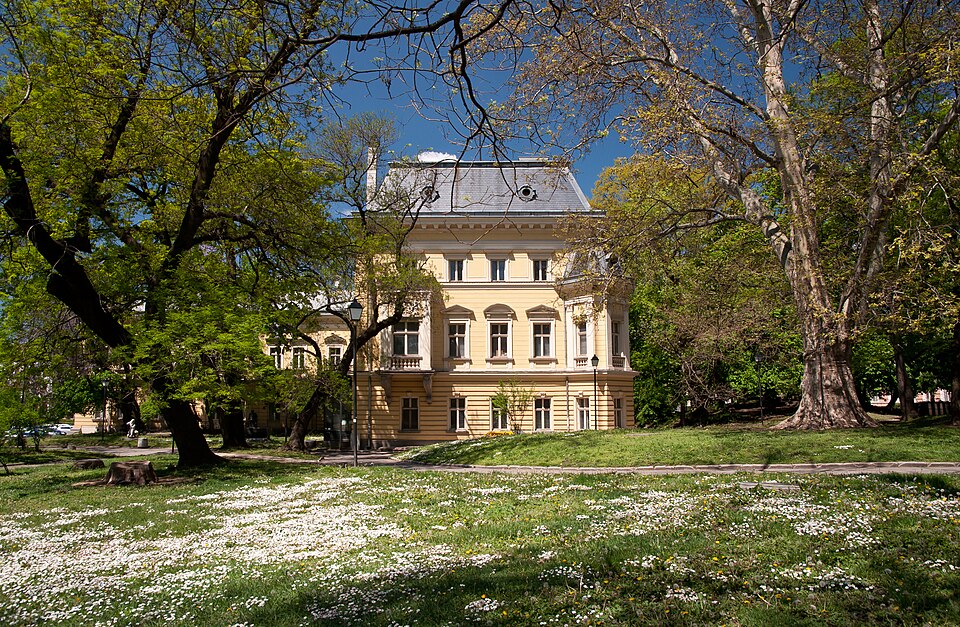
The former palace of the Bulgarian tsars on Battenberg Square, today the National Art Gallery, holding nineteenth- and twentieth-century Bulgarian painting and restored ceremonial halls. The adjoining National Ethnographic Museum displays traditional costumes and crafts.

Tip: The collection is small and rarely crowded — ninety minutes is enough to see it all. The highlights are paintings by Vladimir Dimitrov and Ivan Mrkvička, a Czech painter who taught in Bulgaria and is considered one of the founders of Bulgarian painting. Next door is the City Garden, full of cafés and chess players. Closed on Mondays.

Admission:
around 5 €
Time needed:
1.5 h
Boyana Church

Boyana Church

Боянска църква

Boyana

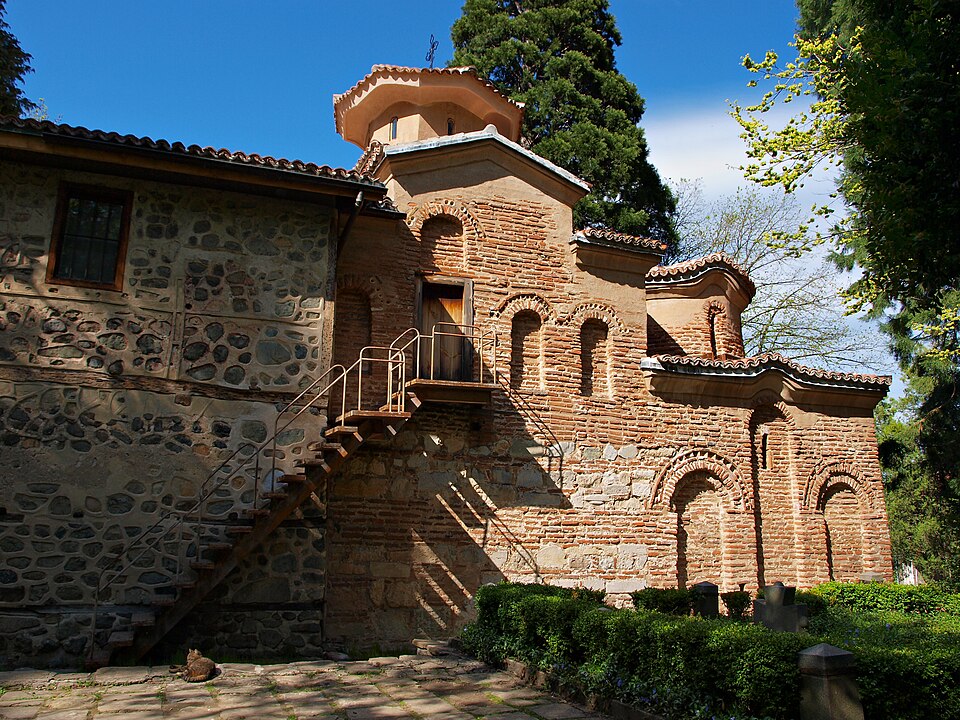
A small medieval church at the foot of Vitosha with frescoes from 1259, whose remarkably lifelike faces are considered a precursor to the Italian Renaissance. It's a UNESCO World Heritage site. The frescoes depict the donor Kaloyan and his wife Desislava.

Tip: Visits are limited to ten minutes in groups of eight to protect the frescoes, and in season there's a wait. It sits on the edge of the Boyana district, twenty minutes by taxi from the centre or reachable by bus 64 from the metro terminus. It combines well with the National History Museum, two kilometres further on, and with a trip up Vitosha.

Admission:
around 5 €
Time needed:
45 min
Mount Vitosha

Mount Vitosha

Витоша

Vitosha

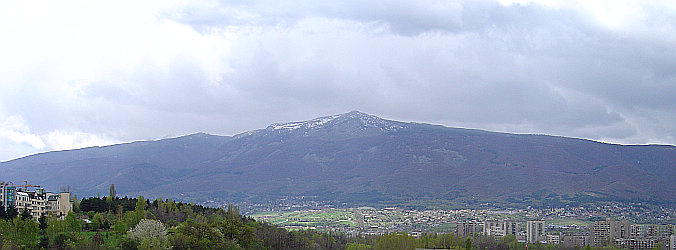
The massif rising above the city, topped by Cherni Vrah at 2,290 metres, and home to the oldest national park in the Balkans. In summer it's used for hiking and blueberry picking, in winter for skiing at the Aleko resort. Its stone rivers — rocky moraines running down the slopes — are a notable geological feature.

Tip: A bus from the metro terminus or a taxi reaches Aleko, at 1,800 metres, in about forty minutes; cable cars from Dragalevtsi and Simeonovo run irregularly, so check ahead. From Aleko, a marked trail leads to Cherni Vrah in about two hours. Bring a jacket — it's around ten degrees cooler up top than in the city. Weekends get crowded with locals.

Admission:
free
Time needed:
half a day

Photos: Alexander Nevsky Cathedral — Jose Ligero Loarte (CC BY-SA 4.0) · Rotunda of St George — No machine-readable author provided. Preslav~commonswiki assumed (based on copyright claims). (Public domain) · Serdika and underground Sofia — No machine-readable author provided. Nk assumed (based on copyright claims). (Public domain) · Banya Bashi Mosque and the mineral springs — MrPanyGoff (CC BY-SA 3.0) · Sofia Synagogue — Plamen Agov (Пламен Агов) (CC BY-SA 3.0) · Vitosha Boulevard — Stolichanin (CC BY-SA 4.0) · National Art Gallery at the former Royal Palace — MrPanyGoff (CC BY-SA 3.0) · Boyana Church — Todor Bozhinov / Тодор Божинов (CC BY-SA 3.0) · Mount Vitosha — Vladi Belperchinov-Shabanski (talk) (Uploads) (CC BY-SA 3.0)

Where to stay

Areas and districts, matched to the kind of trip you are taking

Centre, around Vitosha Boulevard and Nevsky Cathedral

Best for: first-time visitors, walkable access

Hotels around Vitosha Boulevard, the cathedral and the palace, within walking distance of every landmark, café and restaurant. Serdika and NDK metro stations connect straight to the airport. The best base for a short stay.

Oborishte and the Doctors' Garden

Best for: quiet, cafés

Quiet, tree-lined streets of villas east of the cathedral, with cafés, wine bars and smaller hotels. Ten minutes on foot to the centre. A more relaxed atmosphere than the main boulevard.

Lozenets

Best for: restaurants, modern stays

A residential district to the south with the city's best restaurants, parks and newer hotels. Close to the National Palace of Culture and Yuzhen Park. Ten to fifteen minutes on foot to the centre.

Around the Women's Market

Best for: budget travellers

Cheap hotels and hostels around the Zhenski Pazar market and Pirotska Street, the most working-class part of the centre, lined with Arab and Turkish shops. Close to the synagogue and the mosque. Less safe after dark, but very lively during the day.

Getting around

From the airport

Direct flights connect Prague and Sofia, with a flight time under two hours, operated seasonally by both low-cost and traditional airlines. Czech citizens travel on an ID card, since Bulgaria is in the Schengen area and uses the euro. Vasil Levski Airport is ten kilometres from the centre, with Terminal 2 linked by metro. Trains and buses run from Sofia to Plovdiv, the Black Sea coast, and on to Thessaloniki, Bucharest and Belgrade.

Vasil Levski Sofia (SOF) · 10 km

  • Metro M4 from Terminal 2 to Serdika· 25 min· around 0.80 €
  • OK Supertrans taxi· 20 min· 10 €
  • Bolt / Uber· 20 min· 8 €

Around town

Central Sofia is easily walkable. The metro has four lines linking the airport, the centre, the train station and the National Palace of Culture; a single ticket covers one ride and is tapped directly with a card at the turnstile. Trams, trolleybuses and buses fill out the network, with tickets bought via app or tapped contactless on board. Taxis are cheap, but stick to yellow cars from reputable companies with the fare posted on the door, or use Bolt. Buses to Vitosha depart from the metro termini.

MetroFour lines, paid by tapping a card at the turnstile. · 0.80 €
Tram and busTicket via app or bought on board. · 0.80 €
OK Supertrans taxiCheap, metered. · 3 €
Day ticketUnlimited rides on public transport. · 2 €

Useful apps: Google Maps, Bolt, Moovit

When to go

The best time is May to June and September to October, with temperatures of 20–25°C and sunshine. Summer is hot, around 30°C, but thanks to the city's 550-metre elevation, evenings stay pleasant and Vitosha stays cool. Winter is cold with frost and snow, and smog can settle in the basin; Vitosha has skiing from December to March. Spring is rainy, and May is the wettest month. Sofia works well as a long weekend at any time of year, with skiing on Vitosha or in Borovets in winter.

Best time

May–June, September–October

What to avoid

January, because of smog

MonthJanFebMarAprMayJunJulAugSepOctNovDec
Day3°6°11°16°21°25°28°28°23°17°10°4°
Night-4°-3°1°5°9°13°15°15°11°6°2°-3°
Rainy days7789119755678

Food & drink

Sofia is a great city for eating and drinking well without spending much. Traditional Bulgarian food is served at mehanas, taverns with wooden interiors and live music, though the centre also has modern bistros working with local ingredients. Shopska salad and rakia are ordered before the meal, wine alongside it — Bulgarian varieties like mavrud, melnik and rubin are almost unknown abroad and worth trying. The best wine bars cluster around Shishman Street. Cafeteria-style diners, where you point at what's in the display case, are the cheapest option and serve home-style dishes. Breakfast is banitsa from the bakery, washed down with yoghurt or ayran.

What to try

Shopska salad

Tomato, cucumber, pepper and coarsely grated sirene cheese. Ordered with almost everything, and the safest bet at any tavern.

Kebapche and kyufte

Grilled cylinders and patties of minced meat seasoned with cumin, the classic of Bulgarian grilled food. Served with fries and lutenitsa.

Tarator

A cold soup of sour milk, cucumber, garlic and walnuts. In summer it's about the only thing that goes down well in the midday heat.

Banitsa

Layered pastry filled with sirene cheese, the breakfast of the whole country. Bought at a bakery for a few coins and washed down with boza, a fermented grain drink.

Kavarma

Meat stewed with vegetables and baked in a clay dish, a filling dish served year-round on the coast.

Lutenitsa

A thick spread of roasted peppers and tomatoes, served alongside grilled meat or on bread. Every family makes it slightly differently.

Rakia

A plum or grape spirit, drunk chilled with shopska salad before the meal begins, not after.

Bulgarian wine

The mavrud grape from around Plovdiv and the broad-leafed melnik variety from the southwest produce full-bodied reds you won't find elsewhere. A bottle at a restaurant costs fifteen to thirty euros, a glass three to six.

What it costs

Banitsa and ayran

2–3 €

Coffee

1.50–3 €

Lunch at a diner

7–12 €

Dinner at a tavern

15–25 €

Beer at a bar

2.50–4 €

Public transport ticket

0.80 €

Boyana Church

around 5 €

Night at a 3-star hotel for two

60–100 €

Indicative prices that change over time — treat them as a guide, not a price list.

Practical information

SocketsCEuroplug, two round pinsFSchuko
Voltage230V / 50Hz
Tap waterTap water is drinkable — Tap water in Bulgaria is safe to drink and routinely treated even on the coast, though it tastes harder than in Central Europe. Cheap bottled water is sold in every supermarket, and on mountain hikes you can drink from public springs.
TippingNot obligatory, but it's customary to round up and leave around ten percent at a restaurant. Give the tip in cash directly to the server — card terminals in Bulgaria generally don't allow a tip to be added.
Driving on theright
SafetySofia is a safe city. Watch for pickpockets on trams, on the metro and around the Women's Market, and for dishonest taxi drivers outside the airport and train station — take a yellow OK Supertrans or Yellow taxi with the fare posted on the door, or book through an app. Exchange offices advertising “0% commission” tend to offer poor rates, though since the euro was introduced you'll rarely need one at all. The emergency number is 112.
Opening hoursShops open from ten until eight, and shopping malls until ten, including Sundays. Museums close on Mondays, while churches stay open from morning until evening. Restaurants serve from midday until eleven, with dinner typically around eight.
Customs & etiquetteBulgarians nod their head up and down to mean no, and shake it side to side to mean yes — for a simple question like “is this seat free?”, it's safer to ask in words. Cover your shoulders when entering an Orthodox church; this is enforced in Nessebar and Sozopol as well. Photographing icons with flash is not permitted.
A few local wordsHello — Dobar denThank you — BlagodaryaPlease — MolyaCheers — NazdraveThe bill, please — Smetkata, molya

How to plan your days

1 day

Sofia in a day

  1. 1Morning at Alexander Nevsky Cathedral.
  2. 2Rotunda of St George and Serdika.
  3. 3Banya Bashi Mosque, the springs, and the synagogue.
  4. 4Lunch at the Central Market Hall.
  5. 5Afternoon on Vitosha Boulevard, then dinner at a tavern.

2 days

Two days in Sofia

  1. 1Day 1: Nevsky Cathedral, the rotunda, Serdika, the mosque and the synagogue.
  2. 2Day 1 evening: Vitosha Boulevard and a wine bar on Shishman Street.
  3. 3Day 2: Boyana Church and the National History Museum.
  4. 4Day 2 afternoon: bus up Vitosha to Aleko for a walk.
  5. 5Day 2 evening: the National Palace of Culture.

3 days

Three days including Rila Monastery

  1. 1Day 1: the centre and its landmarks.
  2. 2Day 2: Rila Monastery, stopping at Boyana Church on the way back.
  3. 3Day 3: a hike on Vitosha.
  4. 4Day 3 evening: the National Art Gallery, then dinner in Oborishte.

Day trips

Rila Monastery

120 km · 2 h by car

Bulgaria's largest and most famous Orthodox monastery, a UNESCO World Heritage site, set in the forests of the Rila mountains. Its courtyard is ringed with striped arcades, the church is covered in frescoes, and the fourteenth-century Hrelyo's Tower still stands. One bus a day runs from Ovcha Kupel bus station; a car or an organized tour is more convenient. On the way back you can stop at Boyana Church.

Plovdiv

145 km · 2 h by train or car

Bulgaria's second-largest city, with a Roman theatre, a stadium sitting beneath the pedestrian zone, and an Old Town of colourful Revival-era houses spread across three hills. The Kapana arts district is packed with galleries and bars. The train takes two and a half hours, the bus two — a good full-day trip.

Seven Rila Lakes

100 km · 2 h by car and cable car

Seven glacial lakes in the Rila mountains above 2,000 metres, Bulgaria's best-known mountain hike. A cable car runs from Pionerska hut up to Rilski Ezera hut, from where the lakes can be circled in three to four hours. The season runs from July to September; snow lingers elsewhere. It's two hours by car from Sofia to Sapareva Banya.

Frequently asked questions

What currency is used in Bulgaria?+

Since 1 January 2026, in euros, which replaced the lev at a fixed rate of 1.95583 leva per euro. The old banknotes are no longer in circulation. Cards are accepted almost everywhere, even in small taverns, but it's worth carrying some cash for tips and the beach.

How many days do you need for Sofia?+

Two days for the centre, Boyana Church and Vitosha. A third day for Rila Monastery or Plovdiv. Sofia works well as a long weekend and pairs nicely with Plovdiv or a stay on the Black Sea coast.

Is Sofia expensive?+

No, it's one of the cheapest capitals in the European Union. Dinner at a tavern runs fifteen to twenty-five euros, a beer around three euros, and public transport under a euro. Hotels are cheaper than in Prague. The wine is excellent and inexpensive.

Is Sofia safe?+

Yes, it's a safe city. Watch for pickpockets on public transport and around the markets, and for dishonest taxi drivers near the airport and train station. Stick to yellow OK Supertrans taxis or Bolt. The centre is safe in the evening.

How do you get from the airport to the centre?+

By metro line M4 from Terminal 2 to Serdika station in twenty-five minutes for under a euro. From Terminal 1, bus 84 runs to the centre. An OK Supertrans taxi from the official rank costs around ten euros, Bolt somewhat less.

Can you ski on Vitosha?+

Yes, the Aleko resort has a handful of runs from December to March, reachable by bus or taxi. Snow cover depends on the winter and the area is fairly small. For bigger skiing, head to Borovets, seventy kilometres from Sofia.

How do you get to Rila Monastery?+

By car in two hours, on an organized tour from Sofia, or by the one daily morning bus from Ovcha Kupel bus station, which returns in the afternoon. Tours often combine the monastery with Boyana Church. The monastery is open all day and entry is free.

What should you try in Sofia?+

Shopska salad, kebapche, banitsa, tarator and Bulgarian yoghurt, alongside rakia and mavrud or melnik wine. For something sweet, try baklava and tulumbi. The best places to eat are the taverns in the centre and the diners serving home-style food.

Visa Requirements

Check the latest visa requirements for entering this country. Some nationalities may need to apply for a visa or e-visa before travel.

Check visa requirements

Language

Bulgarian

Currency

BGN

Timezone

GMT+2

Dial Code

+359

Population

6.5M

Area

110,879 km²

Voltage

230V / 50Hz

Driving Side

Right

Top Hotels in Sofia

Live prices from 500+ properties

Loading hotels...

Planning a trip to Sofia?

Compare hundreds of hotels, find the best price, and book with free cancellation on TravelManiac.