Hotels in Bangalore

A garden city on a plateau, India's Silicon Valley, and the country's craft-beer capital

Bangalore

IdiomaEnglish
MonedaINR
Huso horarioGMT+5:30
Temperatura20-40 °C
Prefijo+91
Población1.43B
Área3,287,263 km²
EnchufesTipo C / Tipo D / Tipo M
Agua del grifoNo potable

Descubra Bangalore

Bengaluru, formerly Bangalore, is the capital of Karnataka state and India's technology hub, home to hundreds of software companies and over a 1,000,000 programmers. It sits on the Deccan Plateau at 900 metres above sea level, giving it a mild climate of around 25 to 30 degrees year-round — exceptionally pleasant for India. The British called it the Garden City, 2 large parks remain from that era, the Lalbagh Botanical Garden and Cubbon Park with its colonial buildings. There are fewer sights than in Delhi: Tipu Sultan's summer palace, Bangalore Palace built in the style of an English castle, a handful of old temples, and the vast Vidhana Soudha parliament building. But Bengaluru offers something else: the best South Indian breakfast in the country, dozens of breweries and bars, and a young, cosmopolitan atmosphere. Its weak point is traffic — rapid growth has made it one of the most congested cities in the world. For travellers, it works best as a gateway to South India: Mysuru's palace is 3 hours away, and Hampi's temples are an overnight train ride.

What to see

The places worth your time in Bangalore, and what to expect at each

Lalbagh Botanical Garden

Lalbagh Botanical Garden

ಲಾಲ್ ಬಾಗ್

Lalbagh / Basavanagudi

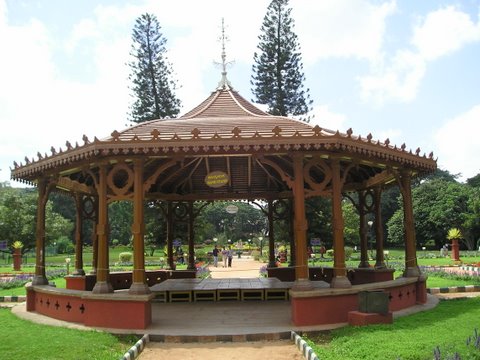
A 96-hectare botanical garden founded in the eighteenth century by Sultan Hyder Ali, expanded by his son Tipu with plants from Persia and Africa. At its centre stands a glasshouse built in 1889 modelled on London's Crystal Palace, and the garden surrounds a rock outcrop 3 billion years old, with a small tower dating from the city's founder.

Tip: The gates open at 6 in the morning, and until 9 locals come here to run and practise yoga — the best time for a walk and photos. Twice a year, around Republic Day in January and Independence Day in August, a major flower show is held in the glasshouse, drawing thousands of visitors daily. Enter through the west gate by the lake and climb the rock to the tower for a view over the whole city.

Admission:
around INR 30
Time needed:
1.5–2 h
Bangalore Palace

Bangalore Palace

ಬೆಂಗಳೂರು ಅರಮನೆ

Vasanth Nagar

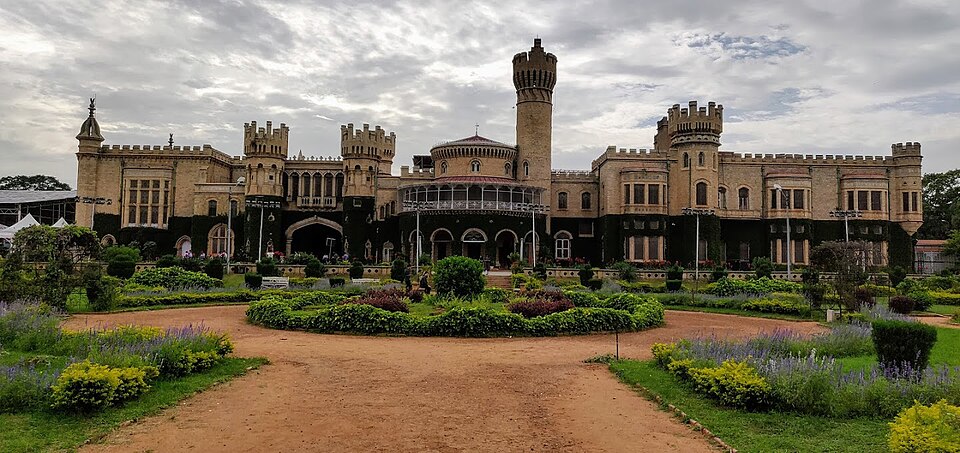
A palace of the Mysuru maharajas from 1887, modelled on Windsor Castle with battlements, turrets and Gothic windows. Inside is furniture from when royals spent summers here: hunting trophies, elephant heads, portraits, carved wooden ceilings and paintings by Raja Ravi Varma. The maharaja's family still owns the palace today.

Tip: Admission for foreigners is expensive and includes an audio guide; photography with a phone costs extra — skip it if you don't need the photos. The visit takes about an hour. The grounds are rented out for concerts and weddings, and access to the palace can be limited when a big event is planned, so check the day before.

Admission:
around INR 500 (foreigners)
Time needed:
1–1.5 h
Tipu Sultan's Summer Palace

Tipu Sultan's Summer Palace

ಟಿಪ್ಪು ಸುಲ್ತಾನನ ಬೇಸಿಗೆ ಅರಮನೆ

Old City / K. R. Market

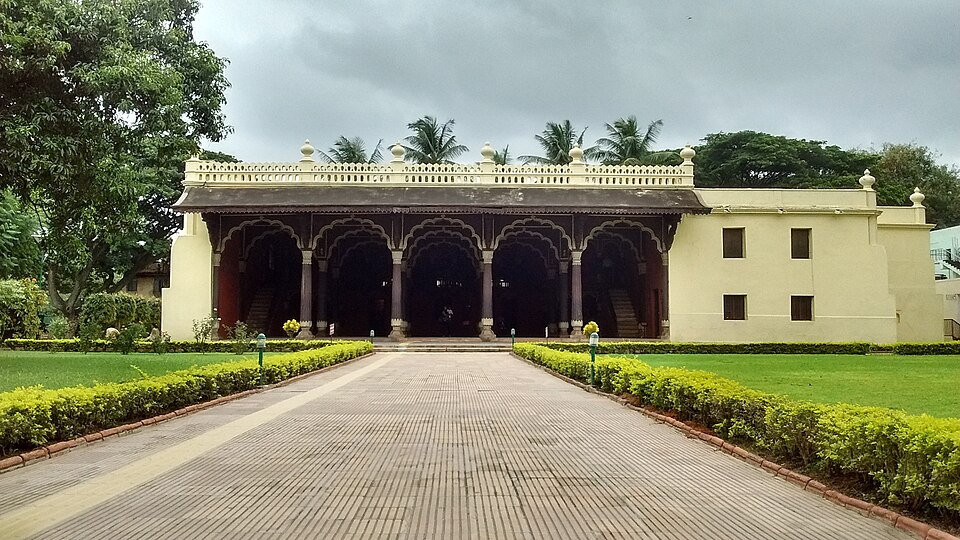
A 2-storey teak palace where Tipu Sultan, known as the Tiger of Mysore, rested — one of the few rulers to defeat the British militarily. Completed in 1791, 8 years before Tipu's death in the battle for Srirangapatna. Carved arcades with floral motifs and a small museum recall his reign.

Tip: The palace is small, and half an hour is enough to see it; combine it with the fort and the Venkataramana temple right next door, both free to enter. All 3 sit in the busy old market district by K. R. Market — around 7 in the morning, this hosts the city's biggest flower market, one of Bengaluru's most colourful experiences.

Admission:
around INR 300 (foreigners)
Time needed:
30–45 min
Dodda Basavana Gudi (Bull Temple)

Dodda Basavana Gudi (Bull Temple)

ದೊಡ್ಡ ಬಸವನ ಗುಡಿ

Basavanagudi

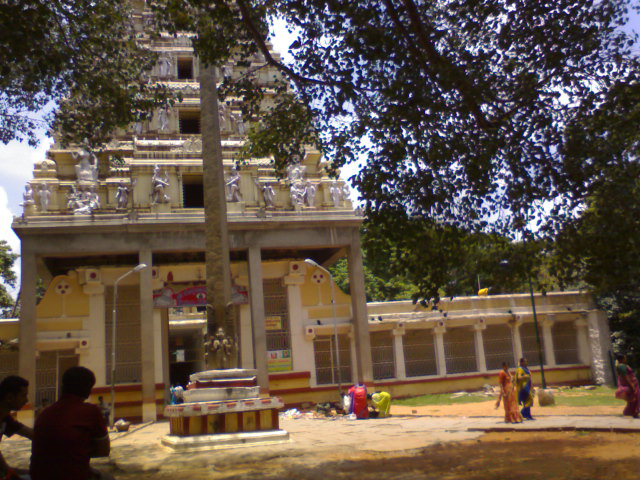
A sixteenth-century temple built around a monolithic statue of Nandi the bull, Shiva's mount, standing 4 a half metres tall and carved from a single block of granite. The statue is coated in oil and charcoal, giving it a glossy black sheen. The temple stands in the traditional Basavanagudi district, with streets full of flower shops.

Tip: In November or December, the Kadalekai Parishe groundnut fair is held, when farmers from the surrounding area bring their first harvest as an offering to the bull, and the whole neighbourhood turns into a fairground. Right next door is a Ganesha temple carved into rock and Bugle Rock park. In the afternoon, have coffee at one of the traditional eateries on DVG Road.

Admission:
free
Time needed:
30–45 min
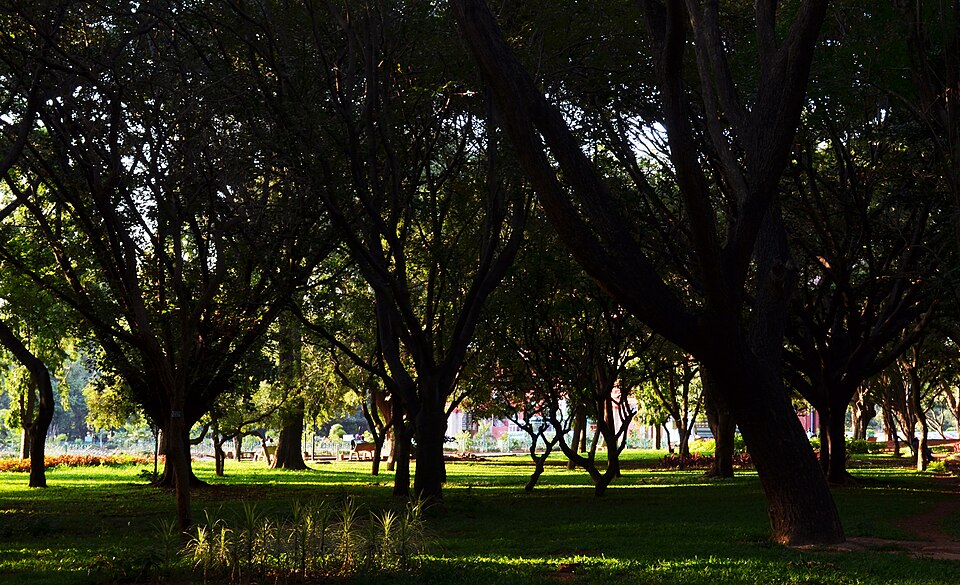
Cubbon Park and Vidhana Soudha

Cubbon Park and Vidhana Soudha

ಕಬ್ಬನ್ ಉದ್ಯಾನವನ

city centre / MG Road

A 120-hectare park in the heart of the city, with bamboo groves, avenues and red stucco colonial buildings: the State Central Library, the High Court and a museum. On its edge stands Vidhana Soudha, Karnataka's parliament, a huge 1950s granite building in Neo-Dravidian style topped with a dome.

Tip: On Sunday mornings, the park's main roads close to cars and fill with picnickers, runners and musicians. Vidhana Soudha can't be entered, but on Sunday and holiday evenings it's often lit up — the best view is from across the street by the High Court. Cubbon Park metro station sits right inside the park.

Admission:
free
Time needed:
1–1.5 h
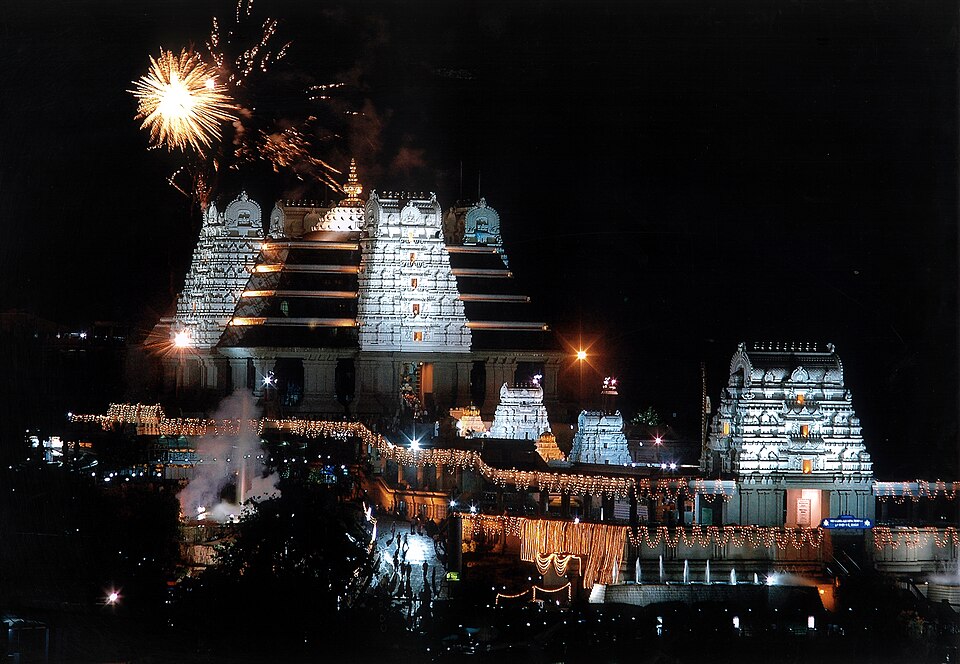
ISKCON Temple

ISKCON Temple

ಇಸ್ಕಾನ್ ದೇವಾಲಯ

Rajajinagar

One of the largest Hare Krishna temples in the world, completed in 1997 on a hill in the northwest of the city. It blends traditional South Indian architecture with glass and brass, 1,000s of people come here to pray daily. Beneath the golden tower are the altars of Krishna and Radha, surrounded by a dining hall and shops.

Tip: There's most to see during the evening aarti ceremonies around 7, with singing and dancing. Visitors file past a row of stalls selling sweets and books; the way out takes longer than the way in. Free sacred food, prasadam, is handed out. Phones and cameras aren't allowed in the main hall.

Admission:
free
Time needed:
1 h
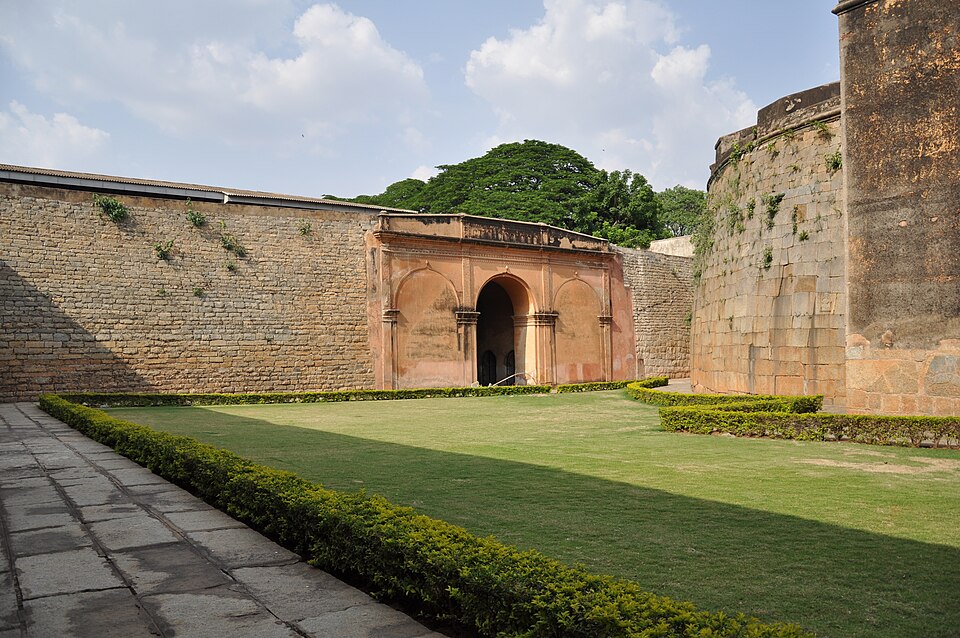
Bangalore Fort

Bangalore Fort

ಬೆಂಗಳೂರು ಕೋಟೆ

Old City

The remains of a mud fort built in 1537 by the city's founder, Kempe Gowda, later rebuilt in stone by Hyder Ali. The British captured it in 1791 and demolished most of it; the Delhi Gate, carved with a figure of Ganesha, and a stretch of the walls survive. The oldest piece of history in the city centre.

Tip: The fort is small 20 minutes is enough, but it sits on the route between Tipu's palace and the market, so don't skip it. Entry is free, and it closes at half past 5. Walk around the outside along the walls, where the original masonry is visible, then head to the K. R. Market flower market.

Admission:
free
Time needed:
20–30 min
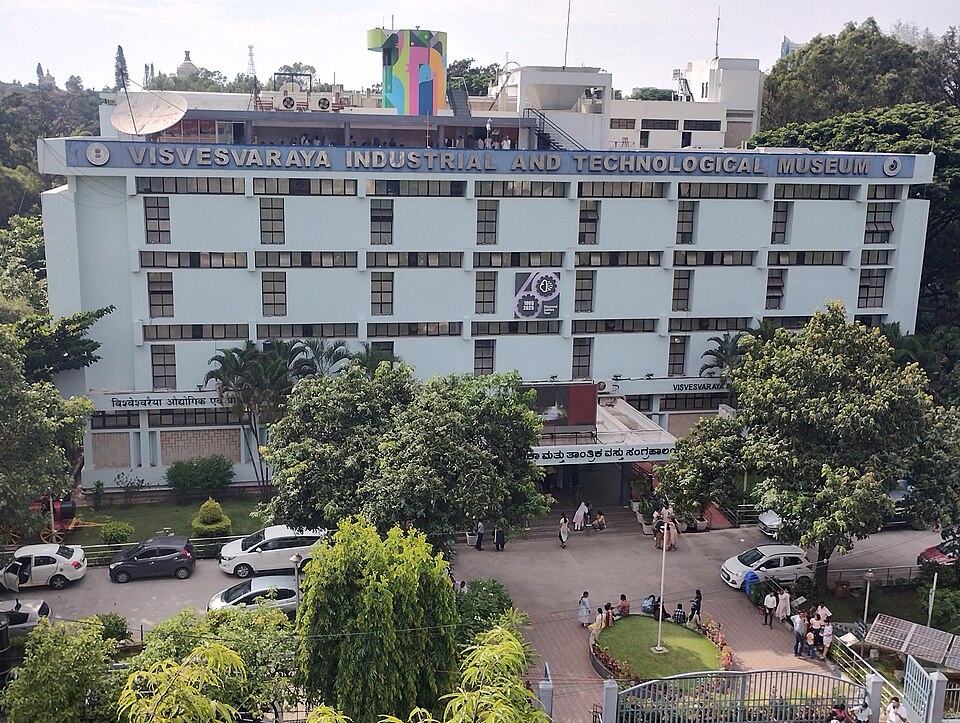
Visvesvaraya Industrial and Technological Museum

Visvesvaraya Industrial and Technological Museum

ವಿಶ್ವೇಶ್ವರಯ್ಯ ಕೈಗಾರಿಕಾ ಮತ್ತು ತಂತ್ರಜ್ಞಾನ ವಸ್ತುಸಂಗ್ರಹಾಲಯ

Kasturba Road

An interactive science museum named after the renowned Indian engineer, with machines, engines, and exhibits on electricity, space and India's space programme. A steam locomotive and the first Indian Airlines aircraft stand in the courtyard. Popular with families and school trips.

Tip: With children, this is the best spot in the city, especially the exhibit on rockets from ISRO, which is headquartered in Bengaluru. Weekday mornings are packed with school groups, and late afternoon is quietest. The museum sits on the edge of Cubbon Park next to the State Museum, so combine both with a walk through the park.

Admission:
around INR 100
Time needed:
1.5–2 h
Breweries and Church Street

Breweries and Church Street

ಚರ್ಚ್ ಸ್ಟ್ರೀಟ್

city centre, Indiranagar, Koramangala

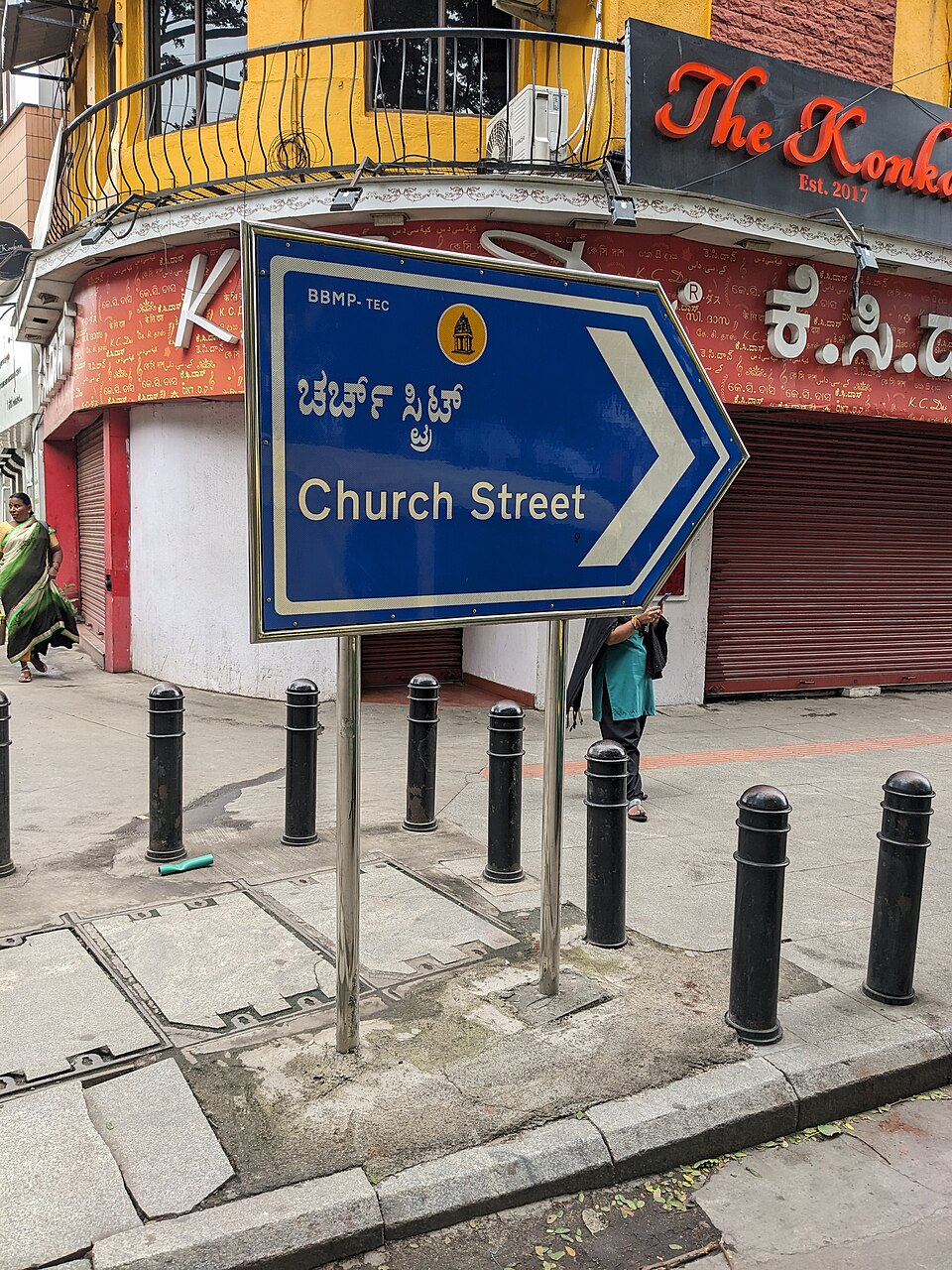
Bengaluru is India's craft-beer capital, with more than 80 microbreweries, and "going out" here usually means going to one. The liveliest areas are around Church Street, MG Road and Brigade Road in the centre, plus Indiranagar and Koramangala, where breweries fill multi-storey buildings with rooftop terraces.

Tip: Breweries fill up on Thursday and Friday from 7 in the evening, when the office crowd arrives; on Saturday around midday, beer brunches are popular. Order the tasting flight of small pours first. Note the rules: bars close at 1 in the morning by law, and alcohol isn't sold at all on public holidays or during elections. The legal drinking age is 21.

Admission:
beer INR 300–500
Time needed:
evening

Photos: Lalbagh Botanical Garden — Rangakuvara (CC BY-SA 4.0) · Bangalore Palace — Chuggingtrails (CC BY-SA 4.0) · Tipu Sultan's Summer Palace — Shrishailctalukar (CC BY-SA 4.0) · Dodda Basavana Gudi (Bull Temple) — Rkrish67 at en.wikipedia (Public domain) · Cubbon Park and Vidhana Soudha — Augustus Binu/ facebook (CC BY-SA 3.0) · ISKCON Temple — Svpdasa (CC BY 3.0) · Bangalore Fort — Pavithrah (CC BY-SA 3.0) · Visvesvaraya Industrial and Technological Museum — Gpkp (CC BY-SA 4.0) · Breweries and Church Street — Saiphani02 (CC BY-SA 4.0)

Where to stay

Areas and districts, matched to the kind of trip you are taking

MG Road and Church Street

Best for: first visit, bars, transport

The centre around Mahatma Gandhi Road and Brigade Road, with hotels of every category, shops, cafés, bookshops and the bar-lined Church Street. There's a purple-line metro station here, and Cubbon Park is within walking distance. Hotels are pricier, but everything is close by and you avoid hours stuck in traffic.

Indiranagar

Best for: food, nightlife, boutiques

A residential district whose main street, 100 Feet Road, is packed with restaurants, breweries, boutiques and cafés. Stay in boutique hotels and apartments here; evenings are lively, and the purple-line metro station gets you into the centre in 20 minutes.

Basavanagudi and Jayanagar

Best for: traditional Bengaluru, South Indian food

The city's oldest planned neighbourhoods, dating from the early twentieth century, with temples, tree-lined streets and celebrated dosa and filter-coffee eateries. Home to the Bull Temple, Lalbagh and local markets. Fewer hotels, and simpler ones, but the atmosphere is more authentic than around MG Road.

Whitefield and Electronic City

Best for: business trips

Tech parks on the city's edge, with international hotels, shopping malls and IT company offices. There's nothing here for tourists, and it's an hour or 2 to the centre in traffic, but anyone travelling for work will likely stay here; Whitefield has been connected by metro since 2023.

Getting around

From the airport

Bengaluru is reached via a connecting flight through major hubs such as Dubai, Doha, Abu Dhabi, Istanbul or Frankfurt. Lufthansa and Air India offer direct flights from Frankfurt, and Air France from Paris. Most visitors need an Indian visa, and the simplest option is the electronic e-Visa from the official government portal. Kempegowda International Airport is some way out — 35 kilometres north of the centre — and the journey can take an hour and a half in traffic. Trains run from here to Mysuru, Chennai, and overnight to Hampi.

Bengaluru Kempegowda (BLR) · 35 km

  • Vayu Vajra bus to MG Road and other areas· 60–90 min· INR 300
  • Uber or Ola to the centre· 50–90 min· INR 900
  • Airport taxi from the official queue· 50–90 min· INR 1,000

Around town

Bengaluru is notoriously congested, and a cross-town drive can take 1–2 hours, so choose a hotel with that in mind. The Namma Metro is your best option: the purple line runs east-west via MG Road and Cubbon Park, the green line north-south via Majestic and Lalbagh, and a branch reaches Whitefield. Auto-rickshaws are everywhere, but drivers are reluctant to use the meter — book through Uber, Ola or the local app Namma Yatri instead. BMTC buses are cheap but crowded. The centre and Basavanagudi are walkable, though pavements are often in poor condition.

Namma Metro2 main lines plus new extensions; token or QR code via the app. · INR 10
Auto-rickshaw via appNamma Yatri, Uber or Ola, fare fixed upfront. · INR 40
Uber / Ola carComfortable, but slow in traffic. · INR 150
BMTC busCheap, air-conditioned Vajra routes; Vayu Vajra to the airport. · INR 10

Useful apps: Namma Yatri, Uber, Ola, Namma Metro, Google Maps, Swiggy

When to go

Thanks to its altitude, Bengaluru is pleasant almost all year round. The best time is October to February, when it's sunny, around 27 degrees by day 15 at night — an evening layer is worth packing. March to May is the hottest period, but at 34 degrees it's still more bearable than the rest of India. From June to September the monsoon is milder than on the coast, with rain falling mostly in the afternoon and evening. The heaviest rainfall, oddly, comes in September and October, when sudden storms flood underpasses and traffic grinds to a complete halt. During Diwali, in October or November, the city is lit up and full of firecrackers.

Best time

October–February

What to avoid

September and October storms, when traffic stops

MonthJanFebMarAprMayJunJulAugSepOctNovDec
Day28°31°33°34°33°29°28°28°28°28°27°26°
Night15°17°19°21°21°20°19°19°19°19°17°16°
Rainy days0113769119941

Food & drink

Bengaluru is the best place to try South Indian cuisine, especially in the morning. Traditional vegetarian darshini canteens and old-school restaurants serve idli, dosa and vada with coconut chutney and sambar from 6 in the morning, alongside filter coffee with milk in metal tumblers — breakfast costs around a 100 rupees. The most famous places have hour-long queues at weekends. Lunch is often eaten off a banana leaf, where staff keep adding rice, curries and sauces until you say saaku, meaning enough. Thanks to the tech companies and young people from across India, there's also a huge choice of international cuisine and the country's best breweries. Karnataka food is milder than in Andhra or Tamil Nadu, but ask about chilli levels regardless.

What to try

Masala dosa

A thin, crispy pancake made from fermented rice and lentil batter, filled with spiced potato. In Bengaluru there's also a thicker buttery version called benne dosa, and at the oldest establishments it's a whole morning ritual.

Idli and vada

Steamed rice cakes (idli) and fried lentil doughnuts (vada), served with coconut chutney and vegetable sambar. The cheapest and healthiest breakfast, around 70 rupees.

Bisi bele bath

A hot mix of rice, lentils, vegetables and spices with tamarind and ghee, served with crunchy fried nuggets. A classic Karnataka lunch dish.

Rava idli

Cakes made from semolina, yoghurt and spices, said to have been invented at the MTR restaurant when rice ran short during the Second World War. Served with ghee and potato curry.

Banana leaf meal

A traditional lunch where you're given a banana leaf, and staff gradually load it with rice, sambar, rasam, vegetable curries, yoghurt and a sweet. Eaten with the right hand; at the end the leaf is folded towards you as a sign you enjoyed it.

Filter coffee

South Indian coffee with chicory, dripped through a metal filter and mixed with hot milk and sugar; poured from height between the tumbler and the bowl to froth it up. Costs 20 to 40 rupees.

Mysuru pak

A sweet made from gram flour, sugar and plenty of ghee, from nearby Mysuru, either firm and crumbly or soft. The best gift to bring home, packaged in boxes.

Donne biryani

Bengaluru-style biryani made with short-grain rice, fresh herbs and meat, served in bowls made from dried leaves. A popular lunch dish at small eateries with queues before midday.

What it costs

Masala dosa and filter coffee

INR 80–150

Banana leaf lunch

INR 200–400

Restaurant dinner

INR 1,000–2,500

Beer at a microbrewery

INR 300–500

Metro ride

INR 10–60

Auto-rickshaw across town

INR 100–300

Entry to Bangalore Palace (foreigners)

INR 500

Night in a 3* hotel for 2

INR 3,500–7,000

Indicative prices that change over time — treat them as a guide, not a price list.

Practical information

SocketsCEuroplug, two round pinsDthree round pins (India)MSouth African, large pins
Voltage230V / 50Hz
Tap waterDo not drink tap water — Never drink tap water, and avoid using it even to brush your teeth or in drinks. Bottled water costs around 20 rupees a litre — check the seal is intact, since refilled bottles are a common scam in India. Only take ice in drinks at hotels and established establishments.
TippingTipping is expected and should be factored into your budget. 10 percent at restaurants unless a service charge is already added, 50 rupees per bag for porters, 3 to 500 rupees for a driver on a full-day trip. Keep small change on hand, since change is often unavailable and you'll end up overpaying without it.
Driving on theleft
SafetyViolent crime against tourists is low in India's big cities; scams and traffic are the real issues. Touts near stations and airports will approach with stories that your hotel has burned down or the "tourist office" is closed, then take you to an agency that sells an overpriced tour — trust no one who approaches you on the street, and use Uber or a prepaid taxi. Cross roads alongside locals, since cars don't stop even at crossings. Women shouldn't take a night taxi hailed on the street alone, and should use the women's carriage on the crowded metro. Stomach trouble hits almost everyone; eat where turnover is high and food is cooked in front of you. The emergency number is 112.
Opening hoursShops in cities open late, around 11, and close between 19 in the evening; shopping malls run from 11 to 10 every day. Bazaars have 1 closing day a week, which varies by neighbourhood. Monuments managed by the Archaeological Survey of India are open from sunrise to sunset, and foreigner tickets are significantly more expensive than for Indian nationals — booking online through the ASI website is usually 50 rupees cheaper than at the ticket counter. Banks close on the second 4th Saturday of the month. During Diwali and Holi, cities grind to a halt and traffic becomes unpredictable. Bengaluru's bars close at 1 in the morning by law.
Customs & etiquetteShoes come off before entering a temple, mosque or private home, and photography is banned in many temples. The left hand is considered unclean — pass food, money and gifts with the right. Outside beaches and resorts, modest dress is expected, especially covered shoulders and knees for women; Goa is more relaxed than the rest of the country, but this still applies in a church or village. Cows are sacred and have right of way everywhere, including on the road. Wobbling the head side to side means agreement, not disagreement.
A few local wordsHello — NamaskáraThank you — DhanjavádagaluHow much does it cost? — Idu eštu?Enough, that's fine — SákuYes / No — Haudu / Illa

How to plan your days

1 day

Bengaluru in 1 day

  1. 1Morning breakfast at a traditional eatery in Basavanagudi and the Bull Temple.
  2. 2Walk through Lalbagh to the glasshouse and up the rock.
  3. 3Banana leaf lunch.
  4. 4Afternoon at Tipu Sultan's Summer Palace, the fort and K. R. Market.
  5. 5Evening at a brewery in Indiranagar or on Church Street.

2 days

2 days: palaces and parks

  1. 1Day 1: Basavanagudi, Lalbagh, Tipu's palace and the fort.
  2. 2Day 1 evening: Church Street and MG Road.
  3. 3Day 2: Cubbon Park, Vidhana Soudha and the Visvesvaraya Museum.
  4. 4Day 2 afternoon: Bangalore Palace.
  5. 5Day 2 evening: the ISKCON temple during evening aarti.

3 days

3 days including Mysuru

  1. 1Day 1: the old city, Lalbagh and breweries.
  2. 2Day 2: morning train to Mysuru, the palace and Devaraja Market.
  3. 3Day 2 en route: the island fort of Srirangapatna.
  4. 4Day 2 evening: return by train, or stay overnight in Mysuru.
  5. 5Day 3: Cubbon Park, Bangalore Palace and Indiranagar.

Day trips

Mysuru

145 km · 2–3 h by train

The former seat of the maharajas, with a palace that's one of India's most visited monuments. On Sundays and holiday evenings, a 100,000 lightbulbs illuminate its facade, and in October it hosts the 10-day Dasara festival with an elephant procession. En route lies the island of Srirangapatna, with a fort and the tomb of Tipu Sultan. Vande Bharat and Shatabdi trains run from Bengaluru's main station.

Nandi Hills

60 km · 1.5 h by car

A hill at 1,500 metres, where Bengalureans come early in the morning to watch the sun rise over a sea of clouds that often fills the valley below. At the top is a temple, Tipu Sultan's summer residence, and a cliff from which he had prisoners thrown. The gate opens at 6, and the road jams up at weekends — set out on a weekday at 4 in the morning.

Shravanabelagola

145 km · 3 h by car

Jainism's holiest pilgrimage site, home to an 18-metre monolithic statue of Gommateshvara from 983, atop a granite hill. Pilgrims climb barefoot up 600 steps cut into the rock. Once every 12 years, the statue is ritually anointed with milk, saffron and flowers. The trip can be combined with the temples at Belur and Halebidu.

Frequently asked questions

Is Bengaluru worth visiting?+

As a standalone destination for a first trip to India, probably not — it has fewer sights than Delhi or Rajasthan. As a gateway to South India, yes: the climate is pleasant, the food and breweries are the best in the country, and it's a springboard to Mysuru, Hampi, Kerala and the tea hills. 2 days are enough for the city itself.

What's the difference between Bangalore and Bengaluru?+

It's the same city. The official name changed in 2014 to the original Kannada form, Bengaluru, though both forms are still used in everyday speech and on flight tickets.

How bad is the traffic here?+

Very. During the morning and evening rush the main roads grind to a halt, and the journey from the airport can take 2 hours. The metro is the solution for any route it covers; for everything else, build in extra time and choose a hotel close to what you want to see.

Is it warmer or cooler here than elsewhere in India?+

Cooler. Thanks to its elevation of 900 metres, temperatures here rarely exceed 35 degrees, and winter nights drop to around 15. It's one of the most pleasant big cities in India for weather.

Can I get by in English?+

Yes, very well in Bengaluru, since so many people here come from across India and abroad, and English is the language of the office. The local language is Kannada, and rickshaw drivers and older people appreciate the greeting namaskara, but Hindi isn't as widely spoken here as in the north.

How do I get to Hampi?+

By the overnight Hampi Express train to Hospet, which takes 9 hours, followed by a 15-minute rickshaw ride from Hospet to Hampi. Sleeper berths sell out, so book ahead through the IRCTC app. Hampi is a vast field of ruins from the medieval Vijayanagara Empire and needs at least 2 days.

When do bars close, and when can't you drink?+

Officially at 1 in the morning, some clubs earlier. On public holidays and around elections, so-called dry days are declared, when alcohol isn't sold anywhere, not even in hotels. The minimum age is 21 is strictly checked.

What should I buy?+

Silk from Mysuru and sandalwood at the Cauvery Emporium shops on MG Road, which have fixed prices and guaranteed authenticity. Coffee from plantations in Coorg, Nilgiri tea and Mysuru pak sweets. Electronics are best avoided — they aren't cheaper than in Europe.

Requisitos de visa

Verifique los requisitos de visa actuales para ingresar a este país.

Verificar requisitos de visa

Números de emergencia

Idioma

Hindi / English

Moneda

INR

Huso horario

GMT+5:30

Prefijo

+91

Población

1.43B

Área

3,287,263 km²

Voltaje

230V / 50Hz

Lado de conducción

Izquierda

Mejores hoteles en Bangalore

Precios en vivo de 500+ propiedades

Cargando hoteles...

More destinations in India

Planea un viaje a Bangalore?

Compare cientos de hoteles, encuentre el mejor precio y reserve con cancelación gratuita.