Hotels in Cape Town

A city beneath a flat-topped mountain, where 2 oceans, penguins and vineyards meet

Cape Town

IdiomaEnglish
MonedaZAR
Huso horarioAfrica/Johannesburg
Temperatura15-28 °C
Prefijo+27
Población60.6M
Área1,221,037 km²
EnchufesTipo C / Tipo D / Tipo M / Tipo N
Agua del grifoPotable

Descubra Cape Town

Cape Town is one of the most beautifully situated cities in the world: it sits between the flat-topped Table Mountain, the pointed peaks of Lion's Head and Devil's Peak, and 2 oceans that meet at the Cape of Good Hope. An hour's drive from the centre puts you on cliffs with baboons, on a beach with a penguin colony, or at a winery with a 300-year-old Dutch homestead. The city was founded by the Dutch in 1652 as a supply station for ships sailing to India, and its history is a complicated one — from slavery through British colonial rule to apartheid, symbolised by Robben Island, where Nelson Mandela was imprisoned. The colourful Bo-Kaap neighbourhood, the District Six Museum and the townships are reminders that the city remains divided today. For visitors, it's one of the best destinations in the Southern Hemisphere: nature, food, wine and beaches at prices markedly lower than in Europe. But it's essential to know the safety rules — crime is high, and sensible caution here isn't excessive.

What to see

The places worth your time in Cape Town, and what to expect at each

Table Mountain

Table Mountain

Table Mountain National Park

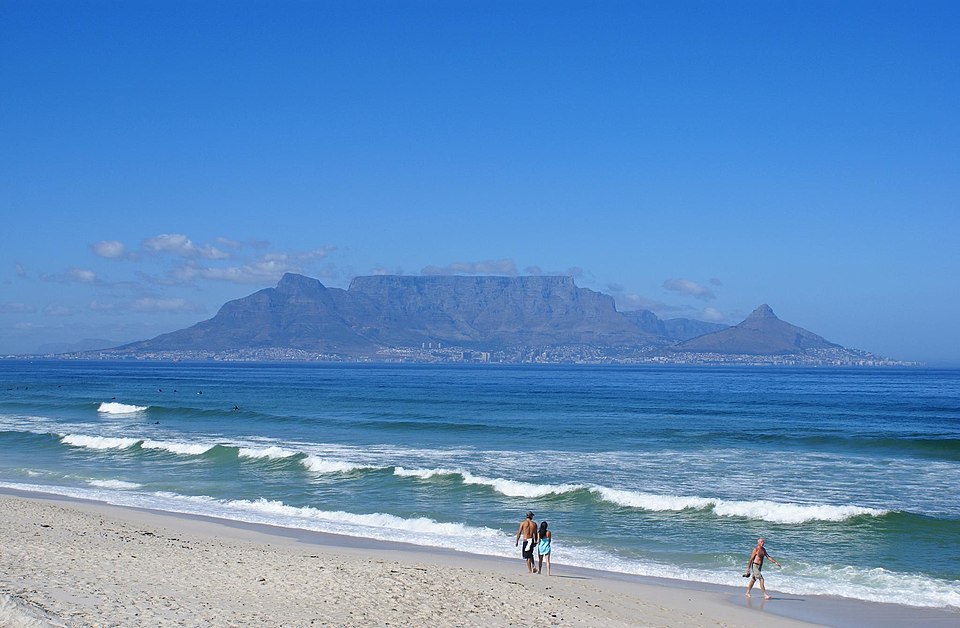
This flat-topped mountain, 1,086 metres above the city, is the symbol of Cape Town and one of the New7Wonders of Nature. A cable car with a rotating cabin runs to the summit, where there are views over the city, Robben Island and the Cape. The mountain is part of a national park with unique fynbos flora.

Tip: On a clear morning, take the first cable car at 8am — in the afternoon, the 'tablecloth', a white cloud, often rolls in and covers the summit, and the cable car doesn't run in strong wind. Buy tickets online and check the cable car's website in the morning for conditions. On foot, the Platteklip Gorge trail leads to the top in 2–3 hours, steep and exposed to the sun; never go alone, and take water.

Admission:
cable car return from ZAR 450
Time needed:
2–4 h
Robben Island

Robben Island

Robbeneiland

Table Bay

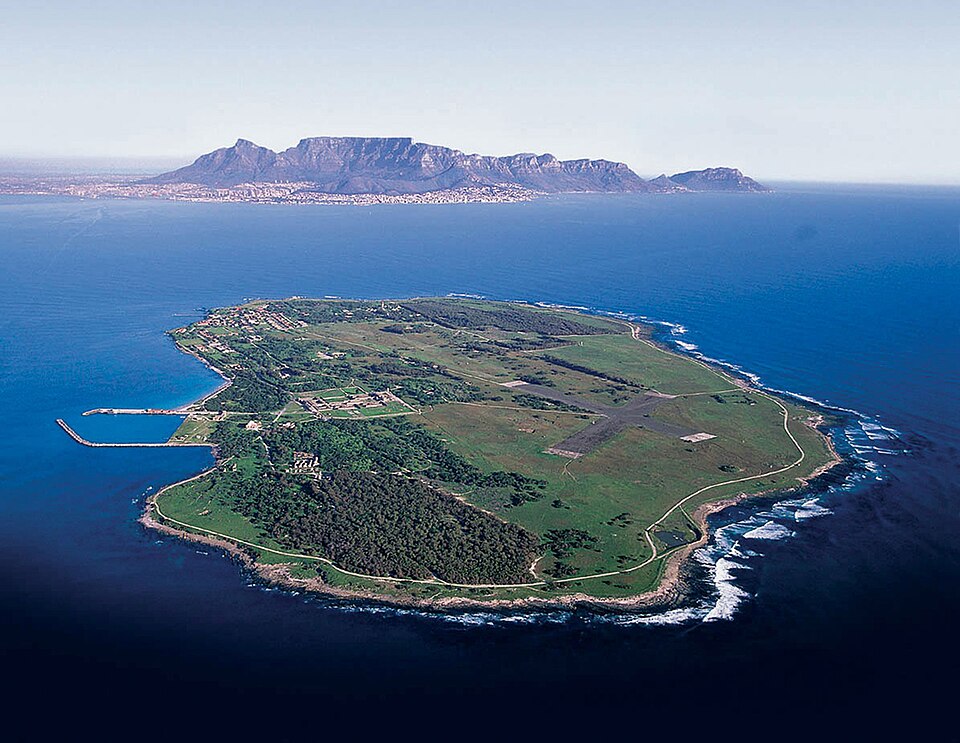
An island in Table Bay where the apartheid regime imprisoned political prisoners, including Nelson Mandela, who spent 18 of his 27 years in prison here. Today it's a UNESCO-listed museum. Tours are led by former political prisoners, who show visitors Mandela's cell and the limestone quarry.

Tip: Tickets sell out days to weeks in advance, so book online as soon as you arrive, or ahead of time. Boats leave from the Nelson Mandela Gateway at the V&A Waterfront, and the trip takes 3.5 hours including the crossing. Crossings are cancelled in strong wind and swell. The most powerful part is hearing from a former prisoner as a guide — ask questions, they're happy to answer.

Admission:
from ZAR 600
Time needed:
3.5–4 h
V&A Waterfront

V&A Waterfront

Victoria & Alfred Waterfront

Waterfront

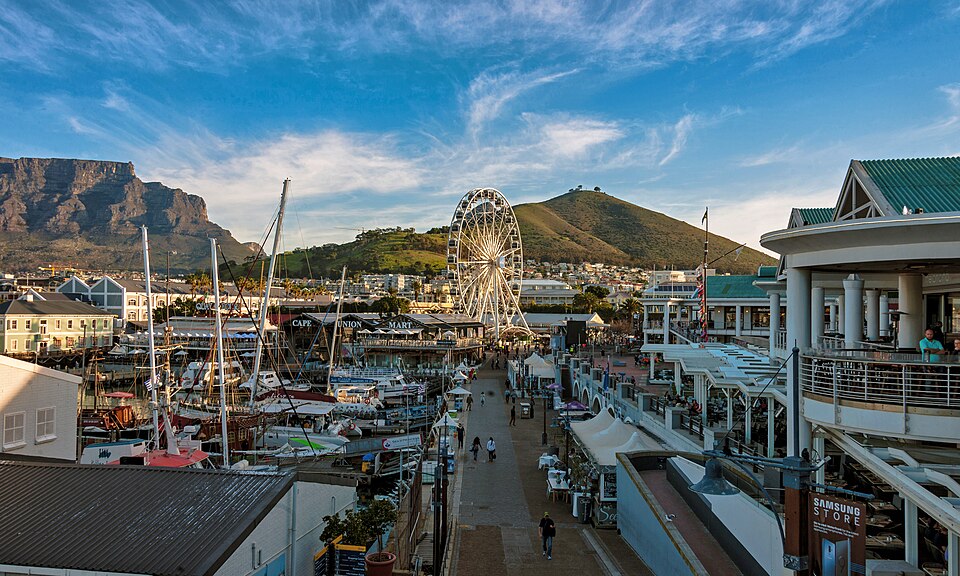
A 19th-century historic harbour converted into a shopping, dining and entertainment district with views of Table Mountain. It has shops, food markets, the Two Oceans Aquarium, a Ferris wheel, a seal-filled harbour and boat trips. The safest and liveliest spot in the city.

Tip: The food market in the Watershed building and the V&A Food Market are good for cheap eats. Seals rest on a platform by Victoria Wharf. A sunset cruise with Table Mountain behind you costs a few hundred rand. The Waterfront is safe even at night thanks to security, which makes it a good base if you want to walk everywhere.

Admission:
free
Time needed:
2–3 h
Kirstenbosch National Botanical Garden

Kirstenbosch National Botanical Garden

Kirstenbosch

Newlands / southern suburbs

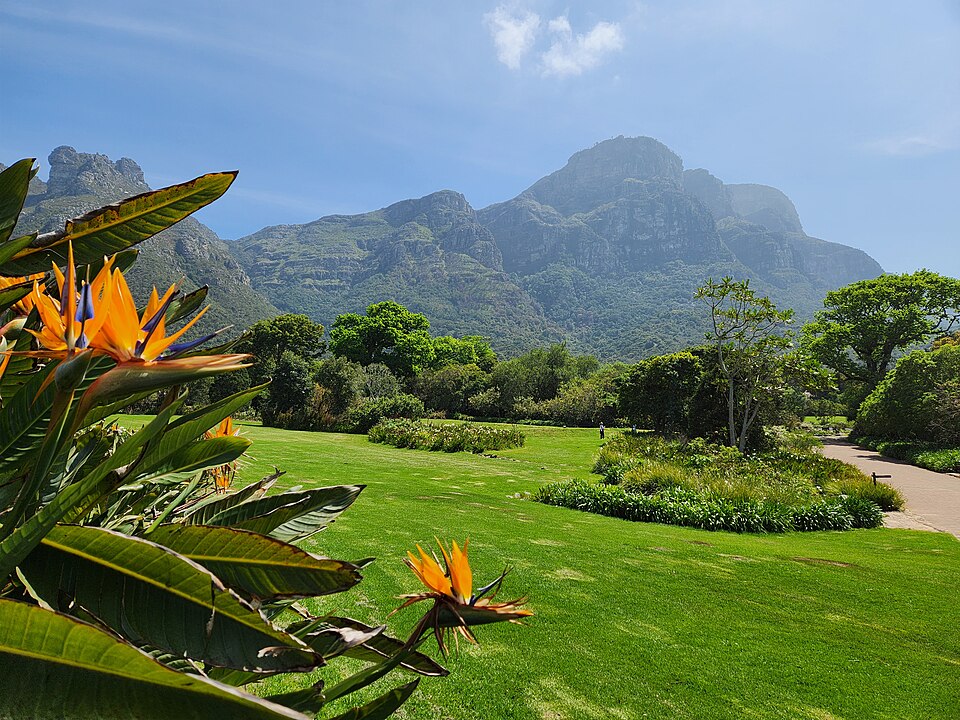
One of the world's most beautiful botanical gardens, on the eastern slope of Table Mountain, dedicated entirely to South African plants. It has collections of proteas, fynbos and cycads, plus the Boomslang canopy walkway through the treetops. Trails up the mountain start behind the garden.

Tip: In summer, from December to March, Sunday sunset concerts are held on the lawn, and people bring picnics — tickets sell out. The Skeleton Gorge trail leads from the garden to the top of Table Mountain, steep but shaded, and you can ride the cable car down on the other side. Peak flowering is from August to November.

Admission:
from ZAR 220
Time needed:
2–3 h
Bo-Kaap

Bo-Kaap

Bo-Kaap

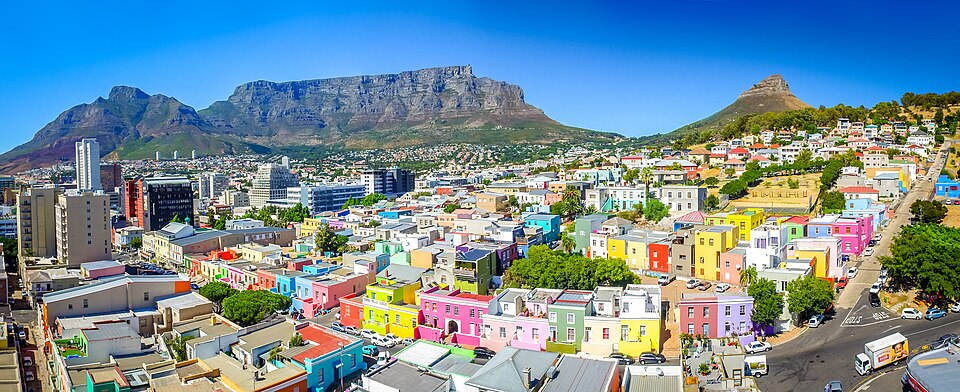
A colourful neighbourhood at the foot of Signal Hill, home to the Cape Malay community — descendants of slaves and political exiles from Indonesia, Malaysia and India, brought here by the Dutch. Brightly painted houses, cobbled streets, mosques and Cape Malay cuisine. The most photographed spot in the city.

Tip: Wale and Chiappini streets are the most colourful, but they're home to residents who've had enough of tourists — photograph respectfully and don't sit on people's doorsteps. The Bo-Kaap Museum explains the history. The best experience is a Cape Malay cooking class with a local family. On the corner of Wale Street is Atlas Trading, a spice shop dating back to 1946.

Admission:
free
Time needed:
1–1.5 h
Lion's Head

Lion's Head

Signal Hill

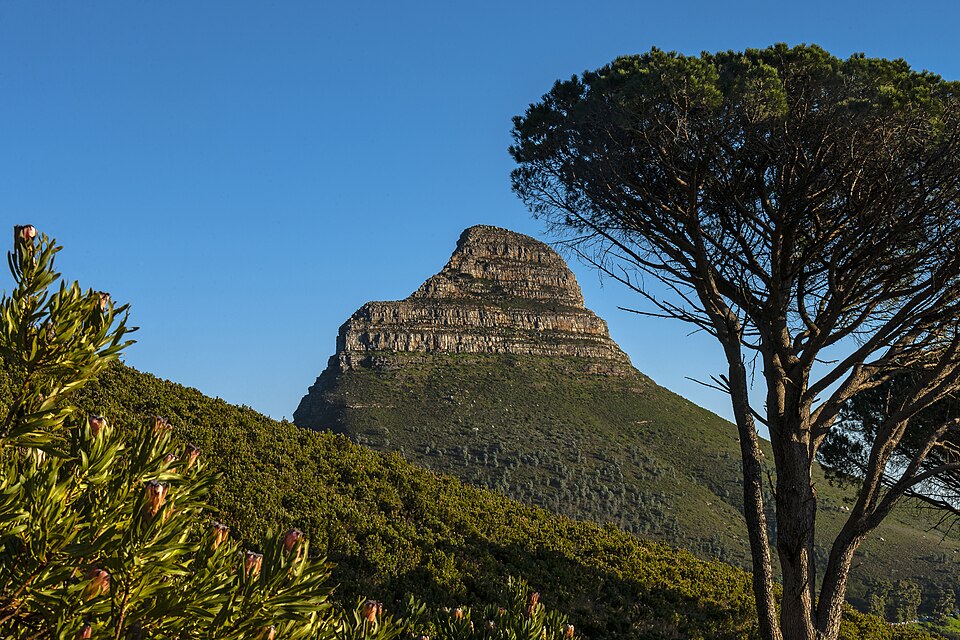
A cone-shaped peak, 669 metres high, between Table Mountain and Signal Hill, with the best views of Cape Town, the Atlantic and Table Mountain. The climb takes 1.5 hours, and the last few metres follow a rock face with chains and ladders.

Tip: The most popular times to climb are sunrise, sunset and around the full moon — expect dozens of people up top then. For the descent after dark, bring a headlamp and go in a group. The chained section can be bypassed. In summer, set off in the morning because of the heat, and bring water. The car park on Signal Hill Road tends to be full, so take an Uber.

Admission:
free
Time needed:
2.5–3 h
Zeitz MOCAA

Zeitz MOCAA

Zeitz Museum of Contemporary Art Africa

Waterfront

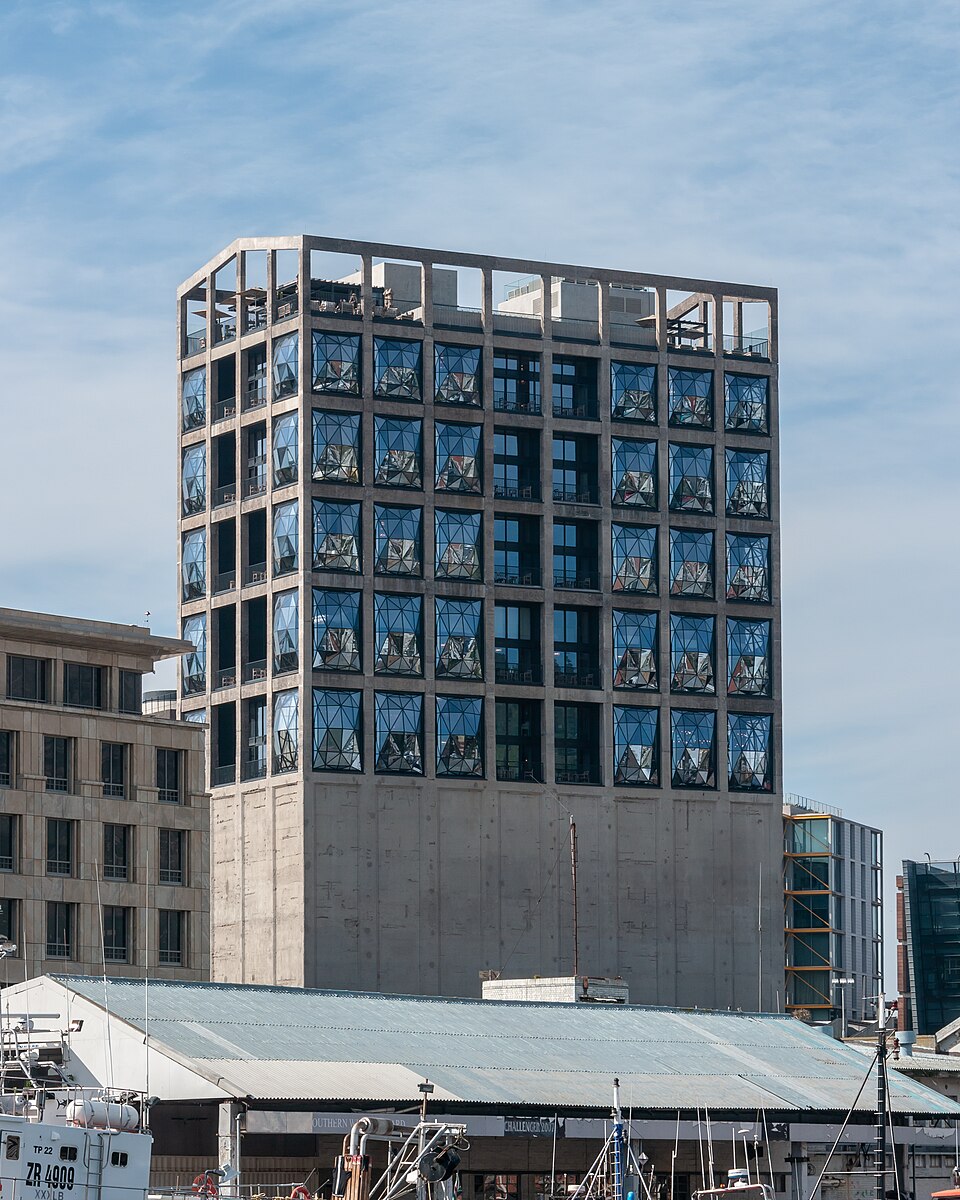
The largest museum of contemporary African art in the world, opened in 2017 in a former 1921 grain silo at the Waterfront. Architect Thomas Heatherwick carved a giant atrium shaped like a corn kernel into the concrete tubes. The collection features artists from across Africa and its diaspora.

Tip: The atrium alone is worth the visit, even for people who aren't into contemporary art. On Wednesday mornings, African residents get in free; everyone else pays. On the roof, the Silo Hotel has a bar with harbour views. The museum is at the Waterfront and pairs well with lunch at the market.

Admission:
from ZAR 300
Time needed:
1.5–2 h
Castle of Good Hope

Castle of Good Hope

City Centre / Grand Parade

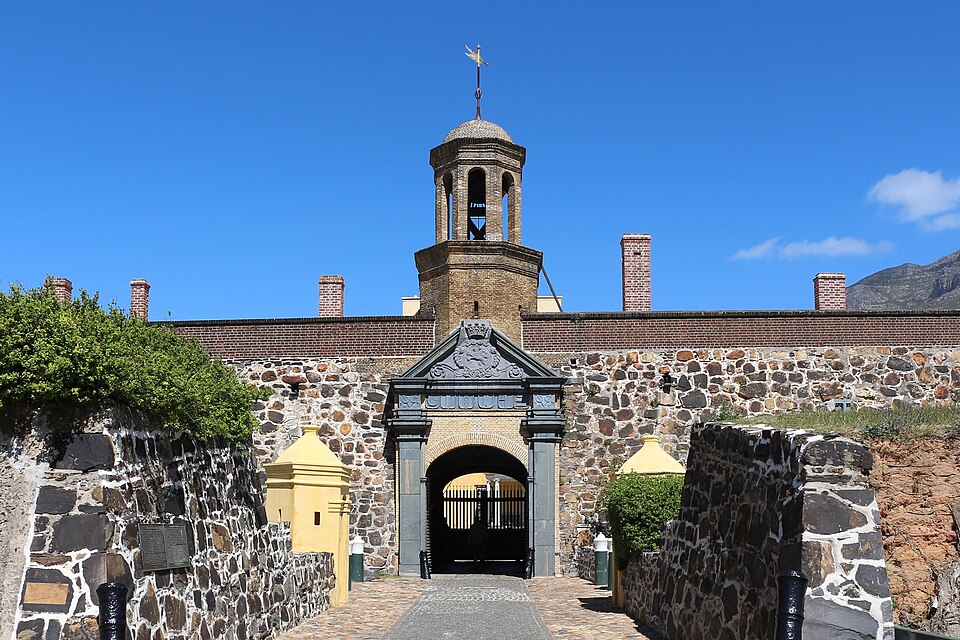
The oldest surviving colonial building in South Africa, a pentagonal fort built by the Dutch between 1666 and 1679. It served as the governor's residence, military headquarters and a prison. Inside are museums, a collection of paintings and furniture, and a military museum.

Tip: The key ceremony takes place on weekdays at 10am and noon, and the noon gun is fired then too. Walk the ramparts for views of Table Mountain. The fort is on the edge of the centre, an area where you need to be more careful — take an Uber and don't walk around with your phone out.

Admission:
from ZAR 50
Time needed:
1–1.5 h
District Six Museum

District Six Museum

City Centre

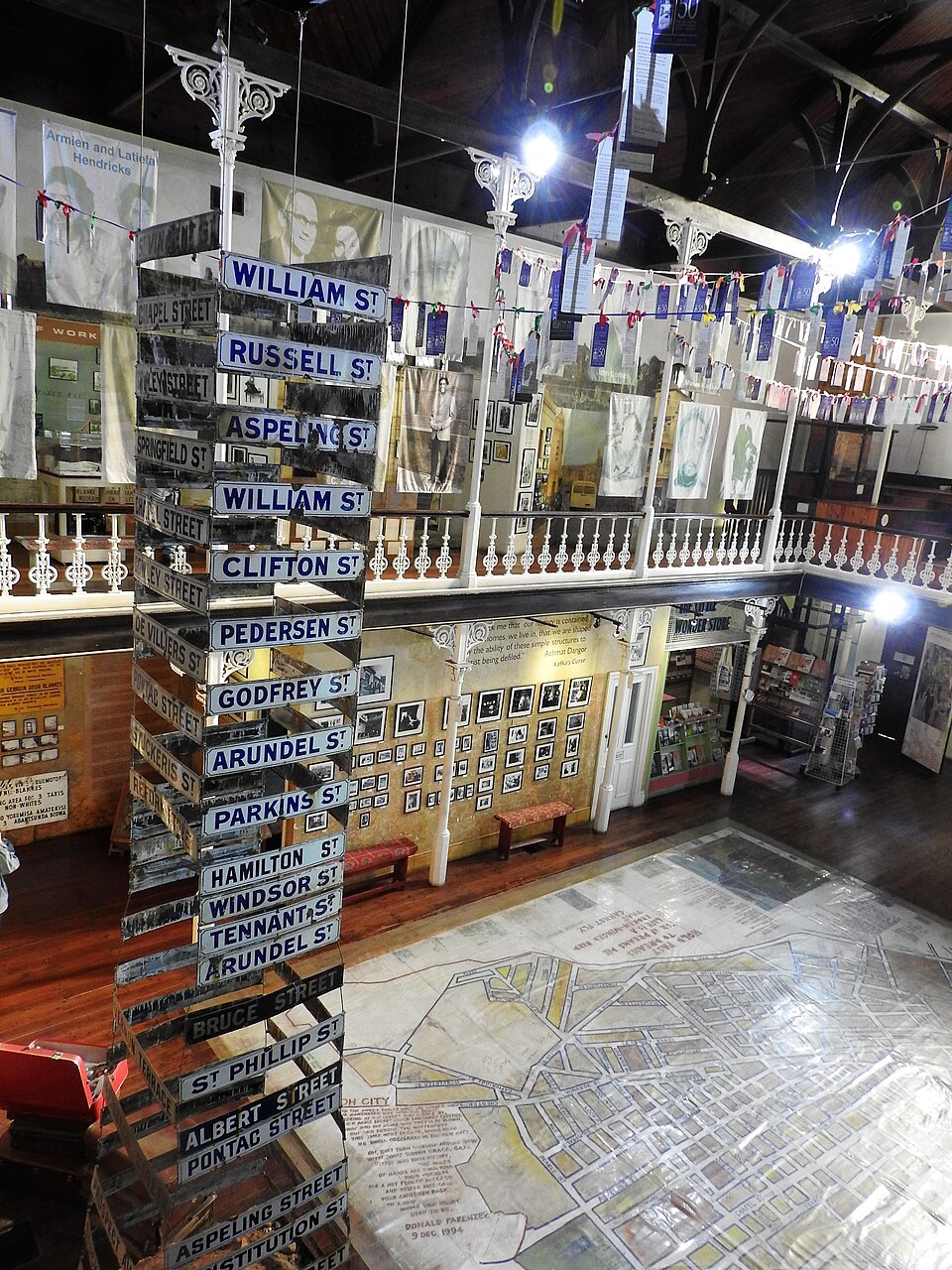
A museum in an old Methodist church that commemorates District Six, home to 60,000 people of different backgrounds until the apartheid regime declared it a whites-only area in 1966 and began bulldozing homes. Residents were forcibly relocated to the Cape Flats. The floor holds a giant map of the district, annotated by former residents.

Tip: Tours are led by former residents of the district, and their personal stories are the most powerful part. The museum is small, an hour is enough. After your visit, look at the empty lots behind the museum where the district once stood — they remain undeveloped to this day. Combine it with the castle, a 10-minute walk away, though it's better to take an Uber.

Admission:
from ZAR 60
Time needed:
1 h

Photos: Table Mountain — Danie van der Merwe from Cape Town, South Africa (CC BY 2.0) · Robben Island — South African Tourism from South Africa (CC BY 2.0) · V&A Waterfront — Daniel Case (CC BY-SA 3.0) · Kirstenbosch National Botanical Garden — Discott (CC BY-SA 4.0) · Bo-Kaap — SkyPixels (CC BY-SA 4.0) · Lion's Head — Daniel Case (CC BY-SA 3.0) · Zeitz MOCAA — Matti Blume (CC BY-SA 4.0) · Castle of Good Hope — Bernard Gagnon (CC BY-SA 4.0) · District Six Museum — Jim.henderson (CC BY-SA 4.0)

Where to stay

Areas and districts, matched to the kind of trip you are taking

V&A Waterfront

Best for: first visit, safety, families

The safest neighbourhood, with security that makes it walkable even at night, hotels with mountain and harbour views, restaurants and shops. Boats to Robben Island and other trips leave from here. It's the most expensive and touristy area, but the most comfortable for a first visit.

Sea Point and Green Point

Best for: the promenade, beaches, mid-range budgets

Seaside neighbourhoods west of the centre with a promenade along the Atlantic where locals run and stroll, plus cafés, restaurants and apartments. Safer than the centre and cheaper than the Waterfront. The beaches are close, but the water is cold.

Camps Bay and Clifton

Best for: beaches, luxury, sunsets

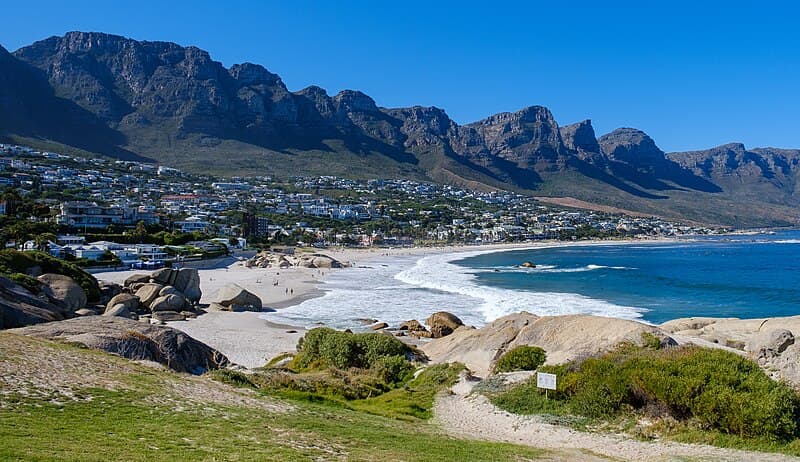
Upmarket seaside suburbs below the Twelve Apostles, with white beaches, palm trees, bars and the best sunsets. Hotels and villas are expensive. The Atlantic water is around 15°C, but the beaches are beautiful. 10 minutes by car to the centre.

City Bowl and De Waterkant

Best for: restaurants, bars, culture

The centre beneath Table Mountain, with Bree and Kloof streets full of restaurants, bars and cafés, and the colourful De Waterkant neighbourhood with boutique hotels. This is where most of the nightlife is, but take an Uber at night, even for short distances.

Getting around

From the airport

Cape Town is reached with one stopover, typically via major hubs such as Istanbul, Doha, Dubai, Frankfurt, London or Amsterdam; total flight time is around 15–18 hours. Visa requirements depend on nationality, but many passport holders don't need a visa for stays of up to 90 days; passports need 2 blank pages and must be valid for 30 days after departure. The international airport is 20 km east of the centre. From Cape Town, there are cheap flights to Johannesburg, Durban and Kruger National Park. Overland, the famous Garden Route runs east along the coast.

Cape Town International (CPT) · 20 km

  • Uber / Bolt to the centre or Waterfront· 20–30 min· ZAR 250
  • MyCiTi bus A01 to the centre· 30–40 min· ZAR 100
  • Car rental· 20–30 min· ZAR 400 / day

Around town

Cape Town is best explored by car or Uber — public transport is limited, and walking is only advisable in safe neighbourhoods during the day. Uber and Bolt are cheap, reliable and safe, and are the main way to get around, even for short trips in the evening. MyCiTi buses with a myconnect card run between the airport, the centre, the Waterfront and Camps Bay, and are safe. Metrorail commuter trains to False Bay and Simon's Town are slow and not recommended for tourists. For trips around the peninsula and to the winelands, renting a car is best; driving is on the left, roads are good, but avoid driving at night or stopping in remote areas. The Hop On Hop Off sightseeing bus is a practical alternative.

Uber / BoltThe main way to get around, safe and cheap. · from ZAR 40
MyCiTi busAirport, centre, Waterfront, Camps Bay; myconnect card. · from ZAR 15
Car rentalFor the peninsula and winelands; driving is on the left. · ZAR 400 / day
Hop On Hop OffSightseeing bus around the city and to Constantia. · ZAR 300 / day

Useful apps: Uber, Bolt, Google Maps, Namola (safety), Snapscan (payments)

When to go

Cape Town has a Southern Hemisphere Mediterranean climate. Summer, December to March, is dry, sunny and warm at around 27°C, ideal for beaches and hikes, but the strong south-easterly 'Cape Doctor' wind blows and prices peak, especially at Christmas. The most pleasant seasons are autumn, March to May, with mild weather and less wind, and spring, September to November, when wildflowers bloom along the West Coast. Winter, June to August, is cold and rainy at around 18°C, green and cheap, with whales off Hermanus from July to November. The sea on the Atlantic side is cold year-round, around 15°C; False Bay to the east is warmer.

Best time

February–April, September–November

What to avoid

rainy winter (June–August), unless you're going for the whales

MonthJanFebMarAprMayJunJulAugSepOctNovDec
Day27°27°26°23°20°18°18°18°19°22°24°26°
Night16°16°14°12°10°8°7°8°9°11°13°15°
Rainy days223691010107532
Sea17°17°16°15°15°14°14°13°13°14°15°16°

Food & drink

Cape Town is one of the best food cities in Africa, with a cuisine that blends Dutch, British, Cape Malay, Indian and African influences. Cape Malay cooking in Bo-Kaap brings bobotie, curries and samosas, Afrikaner tradition contributes the braai barbecue, and the Atlantic supplies fish and seafood — snoek, lobster, oysters. The quality of restaurants is high and prices markedly lower than in Europe: dinner at one of the country's best restaurants costs a fraction of the European price. The wine is excellent and cheap, with wineries an hour from the city. The best restaurants are on Bree Street, in Woodstock and in the Constantia and Stellenbosch wine estates. Food markets — the Neighbourgoods Market at the Old Biscuit Mill on Saturdays and the V&A Food Market — are good for sampling. A tip of 10–15% is expected.

What to try

Braai

Charcoal grilling is more than just food: steaks, lamb chops, boerewors sausage coiled into a spiral, and pap maize porridge with tomato sauce. In restaurants, braai runs all evening; at home, it's a social occasion.

Bobotie

Minced meat spiced with curry, dried fruit and almonds, baked under an egg crust and served with yellow rice and chutney. A Cape Malay dish and national recipe not cooked anywhere else in the world.

Biltong

Dried, spiced meat made from beef or kudu antelope, sold by weight in butchers and petrol stations. South Africans chew it during sport, in the car and on picnics, and it's the most practical souvenir.

Bunny chow

A hollowed-out loaf of white bread filled with curry, a dish created by Indian labourers in Durban. Eaten by hand, using the scooped-out bread to mop up the sauce.

Malva pudding

A spongy pudding with apricot jam, doused in a hot cream sauce, the country's most popular dessert. Served with custard or ice cream.

South African wine

A winemaking tradition dating back to 1659, today a world leader in chenin blanc and the local pinotage variety. A tasting at a winery costs around ZAR 100–300, and a good bottle from a shop is cheaper than in Europe.

Rooibos

A red tea from a shrub that grows only in the Cederberg mountains north of Cape Town. Drunk with or without milk, it's caffeine-free, and cafés also serve it as a 'red espresso' or latte.

Snoek and Cape fish

Snoek is a long predatory fish from the Atlantic, grilled on the braai with an apricot glaze or smoked and spread as a pâté. The best fish and chips in Kalk Bay or Hout Bay are made from hake or snoek straight off the boat.

What it costs

Coffee at a café

ZAR 35–50

Lunch at a café

ZAR 120–200

Dinner at a good restaurant

ZAR 350–700

Bottle of wine at a restaurant

ZAR 250–450

Beer at a bar

ZAR 40–60

Uber around the city

ZAR 50–150

Cable car up Table Mountain

from ZAR 450

Night in a 3-star hotel for 2

ZAR 1,500–3,000

Indicative prices that change over time — treat them as a guide, not a price list.

Practical information

SocketsCEuroplug, two round pinsDthree round pins (India)MSouth African, large pinsNBrazilian
Voltage230V / 50Hz
Tap waterTap water is drinkable — Tap water in South Africa's major cities is safe and good quality to drink. Cape Town went through a crisis in 2018 when it nearly ran out of water, and saving water here is still a matter of courtesy today: short showers and signs in hotels are a reminder. In the countryside and at campsites, check signs for whether the water is drinkable.
TippingTipping is part of the wage in South Africa and is expected: 10–15% at restaurants, unless service is already included on the bill. Petrol station attendants (fuel is pumped for you) get a few rand, as do car guards in reflective vests who 'watch' your parked car — 2–5 rand is normal. Cards are accepted almost everywhere and are safer than cash; only use ATMs inside shopping centres, and don't accept help from strangers at the machine.
Driving on theleft
SafetySouth Africa has a high crime rate, and the precautions here aren't excessive — they're necessary. Don't walk after dark, even for short distances — take an Uber or Bolt instead. Don't carry your phone or camera visibly on the street, don't leave anything on the seat in your car, and keep the doors locked and windows up at intersections while driving. Avoid deserted areas and tourist trails with no one else around. Sensible behaviour is usually enough, though: tourist areas, wineries and nature reserves are generally safe during the day. Emergency numbers are 10111 (police), 10177 (ambulance), or 112 from a mobile.
Opening hoursShops are open from 9am to 5pm, and shopping malls until 7 or 9pm, including weekends. On Sundays, most smaller shops are closed or open mornings only. Restaurants start serving dinner from 6pm, with kitchens closing around 10pm. Watch out for power cuts (load shedding) — these have eased in recent years but could return; hotels and restaurants have generators, and traffic lights go dark during outages.
Customs & etiquetteSouth Africans are friendly and informal, enjoy a chat, and use first names easily. The country has 11 official languages and an apartheid history that people discuss openly — but raise racial and political topics carefully, and listen more than you speak. Braai, charcoal grilling, is a national social ritual, and you shouldn't turn down an invitation to one. 'Now now' means soon, 'just now' means sometime later. Traffic drives on the left, on the road and on the pavement.
A few local wordsHello / good day (Afrikaans) — Goeie dag / Howzit (slang)Thank you (Afrikaans / Xhosa) — Dankie / EnkosiHello (Xhosa) — MoloRight away (means 'sometime') — Just nowBarbecue — BraaiGreat — Lekker

How to plan your days

1 day

Cape Town in a day

  1. 1Morning: first cable car up Table Mountain.
  2. 2Bo-Kaap and lunch at a Cape Malay restaurant.
  3. 3Afternoon: Zeitz MOCAA and the V&A Waterfront.
  4. 4Sunset cruise from the harbour.
  5. 5Evening dinner on Bree Street.

2 days

2 days in Cape Town

  1. 1Day 1: Table Mountain, Bo-Kaap, District Six Museum.
  2. 2Day 1 evening: Waterfront and dinner by the harbour.
  3. 3Day 2: Robben Island in the morning.
  4. 4Day 2 afternoon: Kirstenbosch and a winery in Constantia.
  5. 5Day 2 evening: Lion's Head at sunset, or Camps Bay.

3 days

3 days with the Cape of Good Hope

  1. 1Day 1: Table Mountain, Bo-Kaap, Waterfront.
  2. 2Day 2: full-day loop around the peninsula — Chapman's Peak, Cape of Good Hope, penguins at Boulders Beach.
  3. 3Day 2 evening: seafood dinner in Kalk Bay.
  4. 4Day 3: Robben Island and Kirstenbosch.
  5. 5Day 3 evening: a winery in Stellenbosch, or Lion's Head.

Day trips

Cape of Good Hope and Boulders Beach

70 km · 1 h 30 min by car

The loop around the Cape Peninsula is one of the most beautiful drives in the world: along the scenic Chapman's Peak Drive above the Atlantic to the Cape of Good Hope and Cape Point with its lighthouse and baboons, then back via Boulders Beach, home to a colony of 3,000 African penguins. Along the way is the fishing harbour of Kalk Bay. Allow a full day and a car. Baboons steal food from cars — keep your windows closed.

Stellenbosch and the winelands

50 km · 45 min by car

South Africa's second-oldest town, founded in 1679, with white Cape Dutch houses, oak-lined avenues and a university, surrounded by hundreds of wineries in a mountain valley. Tastings cost ZAR 100–300, and many wineries have excellent restaurants. Neighbouring Franschhoek was founded by French Huguenots. The Wine Tram, or a designated driver, is the best way to go so no one has to drive.

Hermanus

120 km · 1 h 30 min by car

A seaside town that's one of the best places in the world for land-based whale watching. From July to November, southern right whales come to Walker Bay to calve and can be seen from the cliffs just a few dozen metres offshore. The local whale crier blows a horn when he spots one. The route there follows a beautiful coastal road around False Bay.

Frequently asked questions

Is Cape Town safe?+

Crime is high and the rules need to be followed: don't walk on foot after dark, take an Uber even for short distances, don't carry your phone or jewellery visibly, don't leave anything in the car, and avoid remote areas. Tourist areas like the Waterfront, Sea Point and Camps Bay are safe during the day. Do hikes up the mountain in a group.

Do I need a visa for South Africa?+

Visa requirements depend on nationality, but many passport holders don't need a visa for stays of up to 90 days. Your passport must be valid for at least 30 days after departure and have 2 blank pages for stamps — without them you can be turned away at the airport. Travelling with children may require parental consent documents.

How many days for Cape Town?+

4–5 days for the city, Table Mountain, Robben Island and a loop around the peninsula. With wineries and Hermanus, a week. Cape Town is often combined with the Garden Route heading east along the coast, and with a safari in Kruger National Park for 2–3 weeks.

How do you get to Table Mountain?+

By cable car with a rotating cabin in 5 minutes, or on foot up the Platteklip Gorge trail in 2–3 hours. The cable car runs in good weather and closes in strong wind or cloud — check the website in the morning. Buying tickets online is cheaper. Best to go in the morning, as cloud often rolls in during the afternoon.

Can you swim in Cape Town?+

On the Atlantic side (Camps Bay, Clifton) the water is cold, around 15°C even in summer. False Bay to the east — Muizenberg, Fish Hoek, Boulders — is warmer, around 20°C. Muizenberg is ideal for beginner surfers. Only swim at lifeguarded beaches; in False Bay, shark spotters sometimes raise warning flags.

When's the best time for Cape Town?+

February to April and September to November — warm, less wind and fewer crowds. Summer, December to January, is the warmest but windiest and most expensive. Winter, June to August, is rainy and cold, but cheap and good for whale watching. For wildflowers on the West Coast, go in August and September.

How do you pay in South Africa?+

Card almost everywhere, and it's safer than cash. Cash is useful for tips — car guards, petrol station attendants, waiters. Only use ATMs inside shopping centres, and don't accept help from strangers. The rand is favourable for travellers from Europe, and prices are noticeably lower than in Europe.

Is Robben Island worth the trip?+

Yes, it's essential for understanding South African history. Tours are led by former political prisoners, and you'll see Mandela's cell. Tickets sell out, though, so book online in advance, and crossings are cancelled in windy weather — plan it for the start of your stay so you have a backup day.

Requisitos de visa

Verifique los requisitos de visa actuales para ingresar a este país.

Verificar requisitos de visa

Idioma

English

Moneda

ZAR

Huso horario

Africa/Johannesburg

Prefijo

+27

Población

60.6M

Área

1,221,037 km²

Voltaje

230V / 50Hz

Lado de conducción

Izquierda

Mejores hoteles en Cape Town

Precios en vivo de 500+ propiedades

Cargando hoteles...

More destinations in South Africa

Planea un viaje a Cape Town?

Compare cientos de hoteles, encuentre el mejor precio y reserve con cancelación gratuita.