Hotels in Hong Kong

Skyscrapers above the harbour, dim sum at 6am, and a mountain trail half an hour away

Hong Kong

IdiomaEnglish
MonedaHKD
Huso horarioGMT+8
Temperatura18-32 °C
Prefijo+852
Población7.5M
Área1,104 km²
EnchufesTipo G
Agua del grifoPotable

Descubra Hong Kong

Hong Kong packs 7.5 million people onto a narrow strip of coast between the sea and steep hills — and the result is one of the most photogenic cities on earth. No other city has more skyscrapers, and the best view of them is from the deck of the green Star Ferry, which has crossed Victoria Harbour since 1888. The century-old British colony, handed back to China in 1997, still has its own currency, its own entry rules and left-hand traffic, and its Cantonese culture differs from mainland China. What surprises visitors most is how much nature there is: three-quarters of the territory is hills, beaches and national parks, and you can reach a coastal hiking trail by public transport in half an hour. The second reason to visit is the food — dim sum, roast goose, wonton noodles and milk tea at cha chaan teng diners represent Cantonese cuisine at its best. Hong Kong is expensive for accommodation, but transport is cheap and the best meals cost very little.

What to see

The places worth your time in Hong Kong, and what to expect at each

Victoria Peak

Victoria Peak

太平山頂

Hong Kong Island

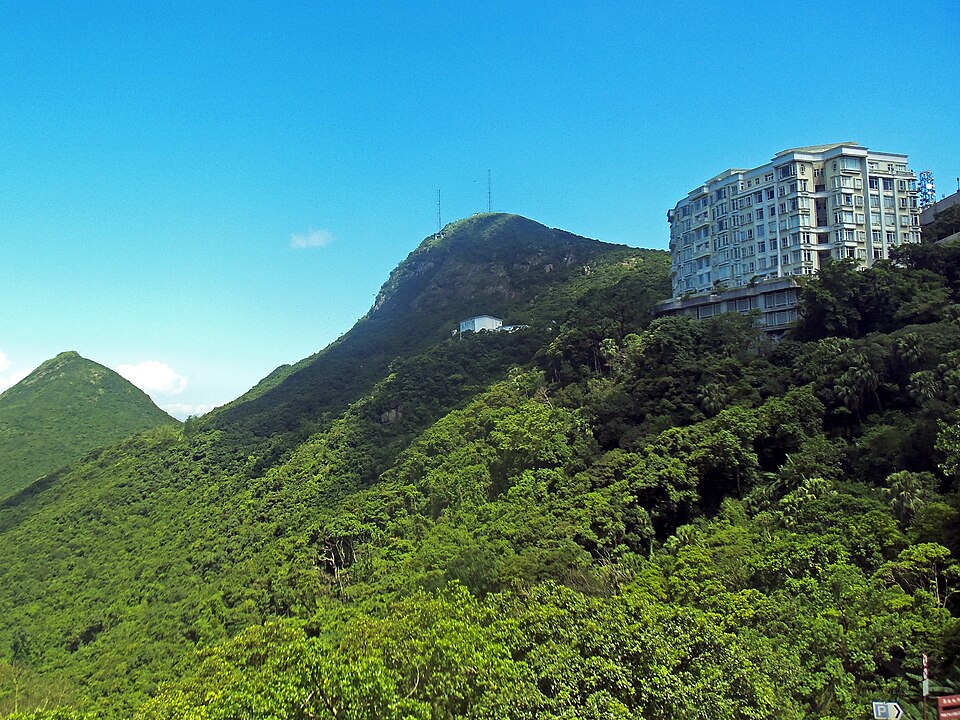
The highest point on Hong Kong Island at 552 metres, with the city's most famous view: the skyscrapers of Central and Wan Chai below, and the harbour and Kowloon on the other side. The Peak Tram funicular has climbed up here since 1888, on a slope so steep that the buildings outside the window seem to lean.

Tip: Queues for the tram can run an hour, especially in the afternoon. Go first thing in the morning, or take bus 15 from Central, which costs a fraction of the price and has views from the upper deck. You don't need the paid Sky Terrace 428 — the same view is free from the Lugard Road loop, a flat trail around the summit that takes an hour. Get up there ahead of sunset and stay until dark.

Admission:
Peak Tram return from HKD 118, trail free
Time needed:
2–3 h
Star Ferry

Star Ferry

天星小輪

Tsim Sha Tsui / Central

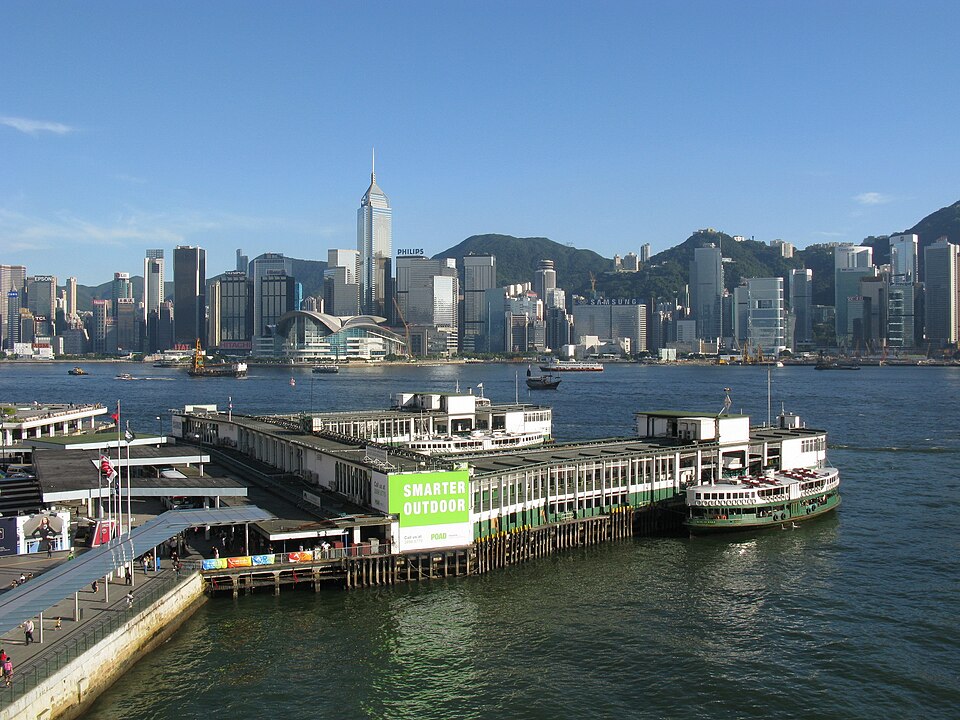
The green-and-white Star Ferry has carried people across Victoria Harbour between Tsim Sha Tsui and Central or Wan Chai for more than 130 years. The crossing takes 10 minutes and offers one of the finest cheap views in the world: the skyline of Hong Kong Island with hills rising behind it.

Tip: Sit on the upper deck on the right-hand side heading from Kowloon — the view is better, and the ticket costs only a few cents more than the lower deck. Pay with an Octopus card. The crossing is loveliest at sunset or at 8pm, when the Symphony of Lights show begins on the skyscraper facades. Ferries run from 6am to 11:30pm.

Admission:
from HKD 5
Time needed:
10 min
Big Buddha and Po Lin Monastery

Big Buddha and Po Lin Monastery

天壇大佛

Lantau Island

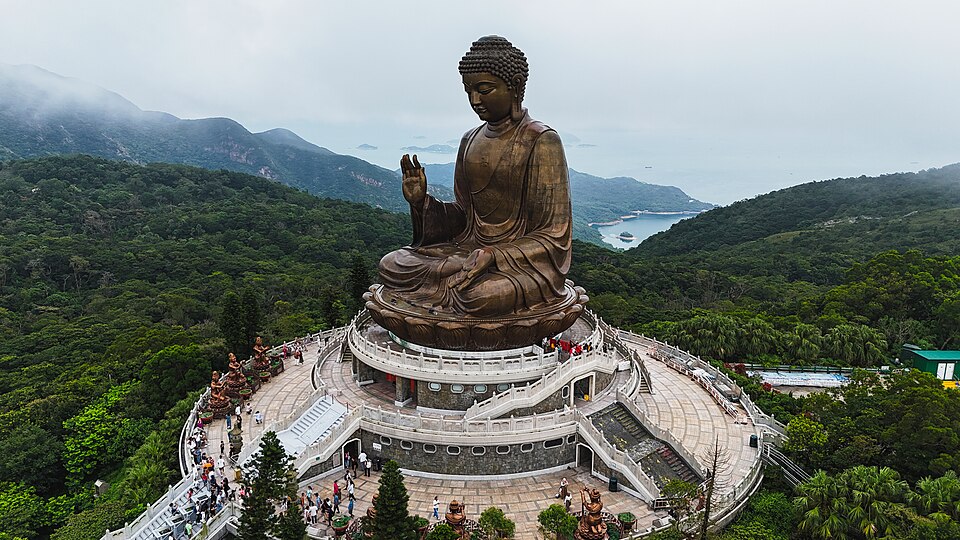
A bronze statue of a seated Buddha, 34 metres tall, stands on a hilltop on Lantau Island, reached by 268 steps. Below it is Po Lin Monastery, with colourful halls and a vegetarian canteen. The Ngong Ping 360 cable car climbs up here, winding 6 kilometres over forests and a bay.

Tip: The glass-bottomed Crystal Cabin cable car costs more and is worth it, but the queue for it tends to be longer — buy a ticket online and arrive at opening time, 10am. In strong wind the cable car doesn't run; bus 23 from Tung Chung takes over instead. Afterwards, continue by bus to the stilt-house fishing village of Tai O, which most visitors skip.

Admission:
statue free, cable car return from HKD 270
Time needed:
half a day
Temple Street Night Market

Temple Street Night Market

廟街夜市

Yau Ma Tei / Kowloon

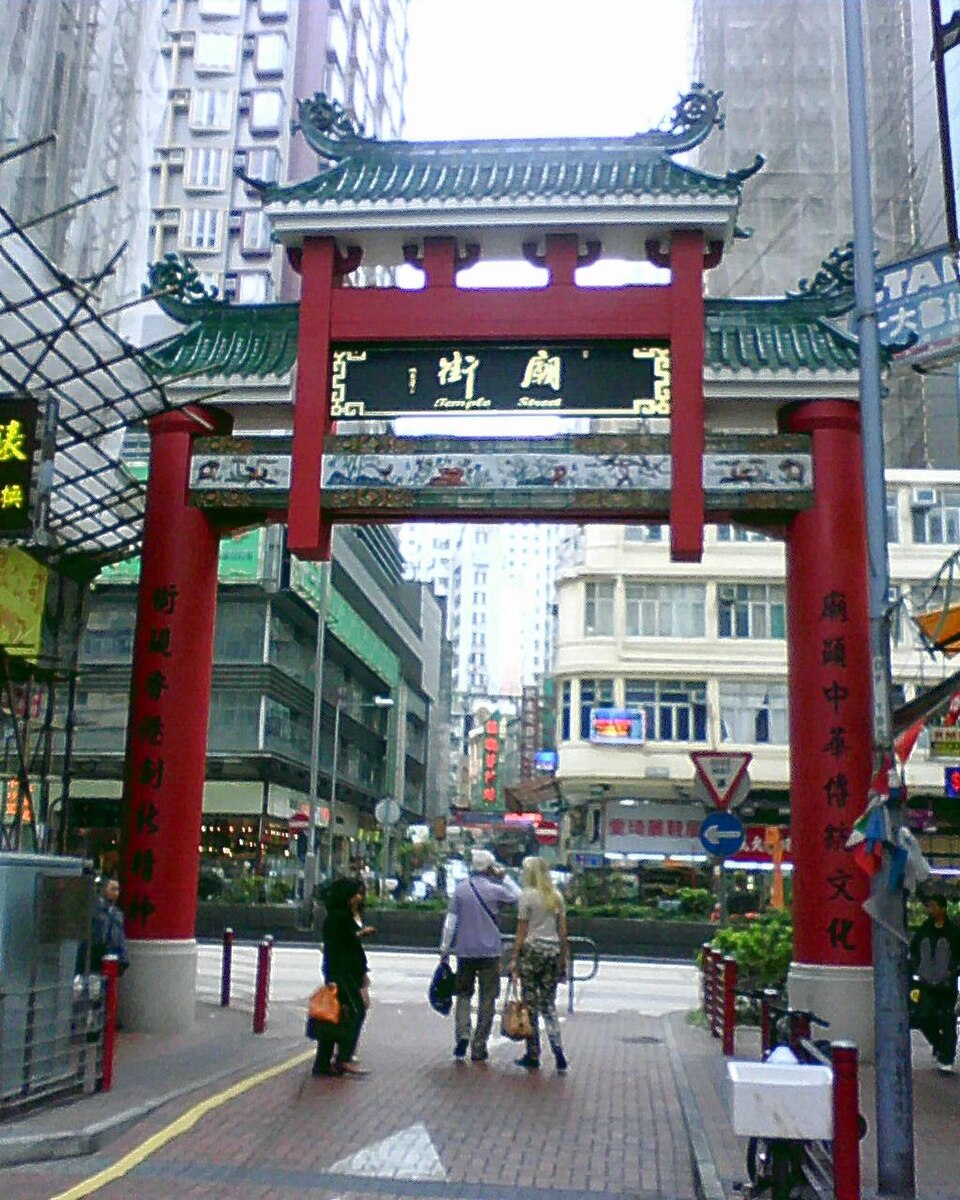
Hong Kong's best-known night market, in Yau Ma Tei on Kowloon, selling cheap souvenirs, electronics and clothing from afternoon until midnight. But the main draw is the seafood and claypot rice stalls, the fortune-tellers' tables, and Cantonese opera sung on the street.

Tip: This is mainly about the experience — the goods are touristy, and bargaining should start at half the asking price. For food, the market is a better bet: claypot rice takes 20 minutes to cook, so order it as soon as you arrive. The market is liveliest between 8 and 10pm. The Ladies' Market in Mong Kok is 2 stops away and sells similar goods.

Admission:
free
Time needed:
1–2 h
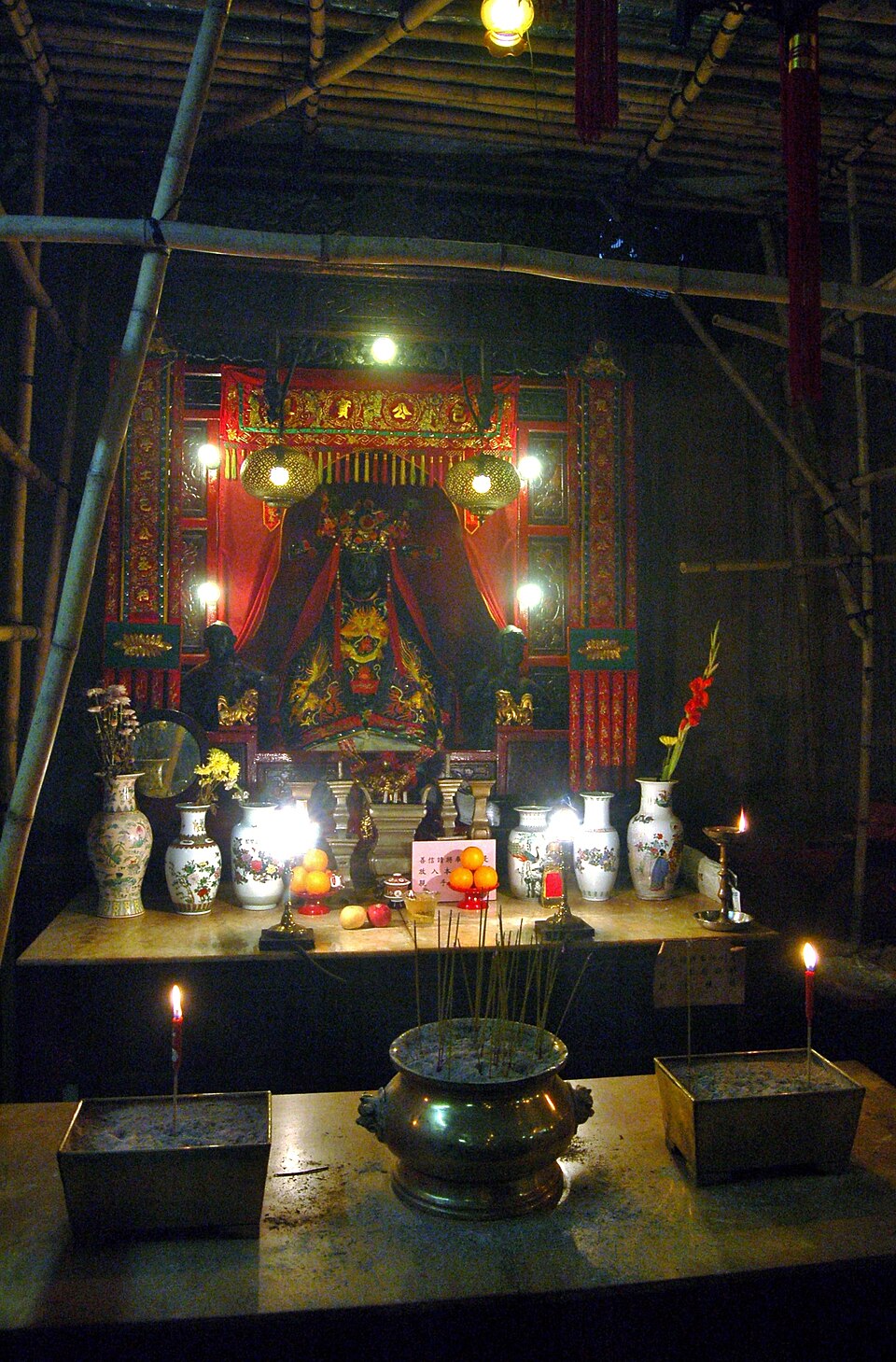
Man Mo Temple

Man Mo Temple

文武廟

Sheung Wan

A Taoist temple from 1847 on Hollywood Road, dedicated to Man, the god of literature, and Mo, the god of war. Inside it's dim and thick with incense — giant spirals of incense hang from the ceiling, burning for up to 3 weeks. Antique shops and galleries surround the temple.

Tip: You can buy an incense spiral and hang it with a wish written on a tag; it burns for weeks. Don't photograph the temple with flash, and don't step directly on the threshold — step over it instead. Hollywood Road and the parallel lane Upper Lascar Row ('Cat Street') are the best places for antiques and a flea market — counterfeits turn up here too, so ask for a certificate on genuine pieces.

Admission:
free
Time needed:
30 min
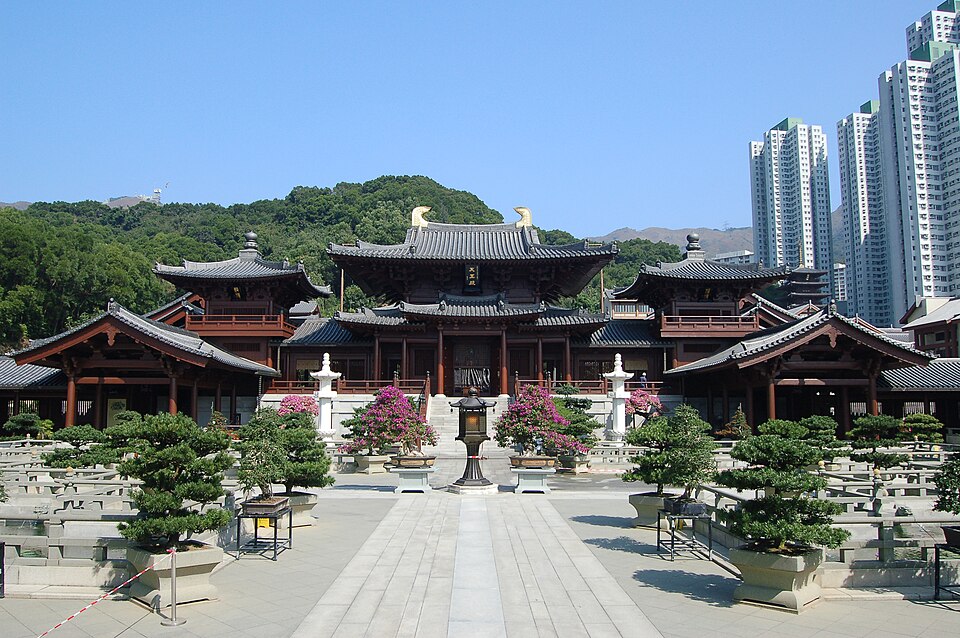
Chi Lin Nunnery and Nan Lian Garden

Chi Lin Nunnery and Nan Lian Garden

志蓮淨苑

Diamond Hill / Kowloon

A Buddhist monastery built in 1998 in Tang dynasty style, entirely of wood without a single nail. Its calm courtyards with lotus ponds contrast with the tower blocks around it. Across a footbridge lies Nan Lian Garden, with a gilded pavilion, bonsai trees and a waterfall.

Tip: Both are free, and at times when other sights are packed, this place tends to be quiet. It's best in the morning right after opening, when the monks chant. The vegetarian restaurant behind the waterfall in Nan Lian Garden makes a good lunch spot. The monastery sits at Diamond Hill station, 1 stop from Wong Tai Sin Temple, so the two combine easily.

Admission:
free
Time needed:
1–1.5 h
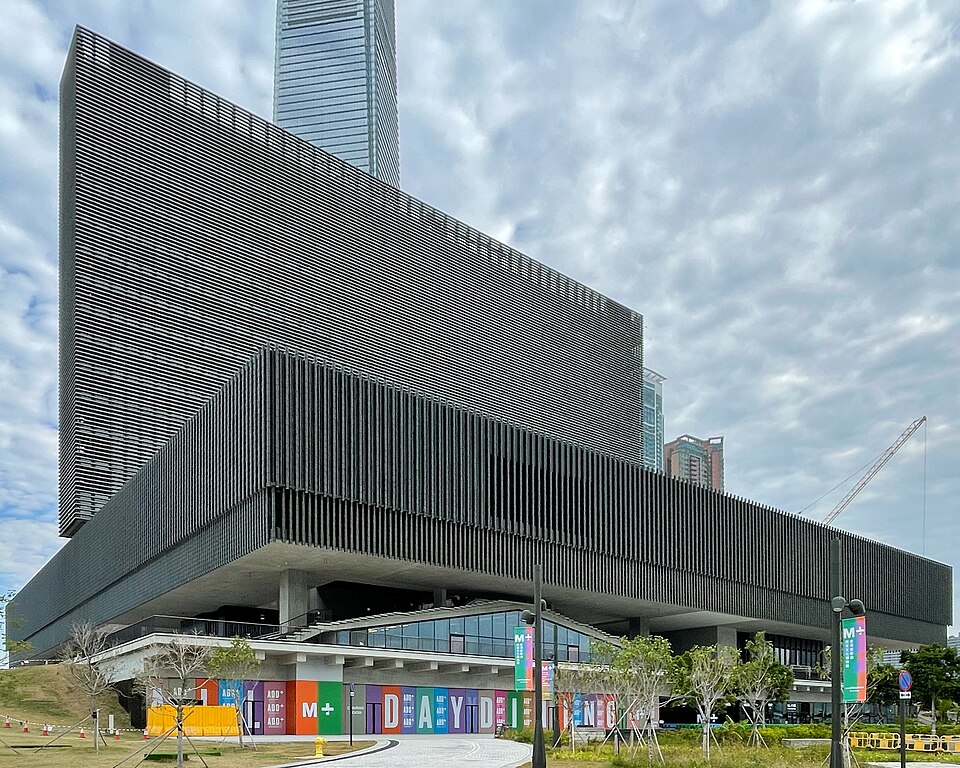
M+ Museum

M+ Museum

M+

West Kowloon

A museum of visual culture opened in 2021 in the West Kowloon Cultural District, one of the largest museums of modern art in Asia. The collection spans Chinese art from the 1960s onward, design, architecture and moving image. The building's facade doubles as a giant screen over the harbour at night.

Tip: The permanent collection is free; only temporary exhibitions charge admission. The rooftop terrace has one of the best views of Hong Kong Island, and it's free. The museum is closed on Mondays and open until 10pm on Fridays. Right next door is Art Park on the waterfront, a good spot to picnic at sunset.

Admission:
permanent collection free
Time needed:
2–3 h
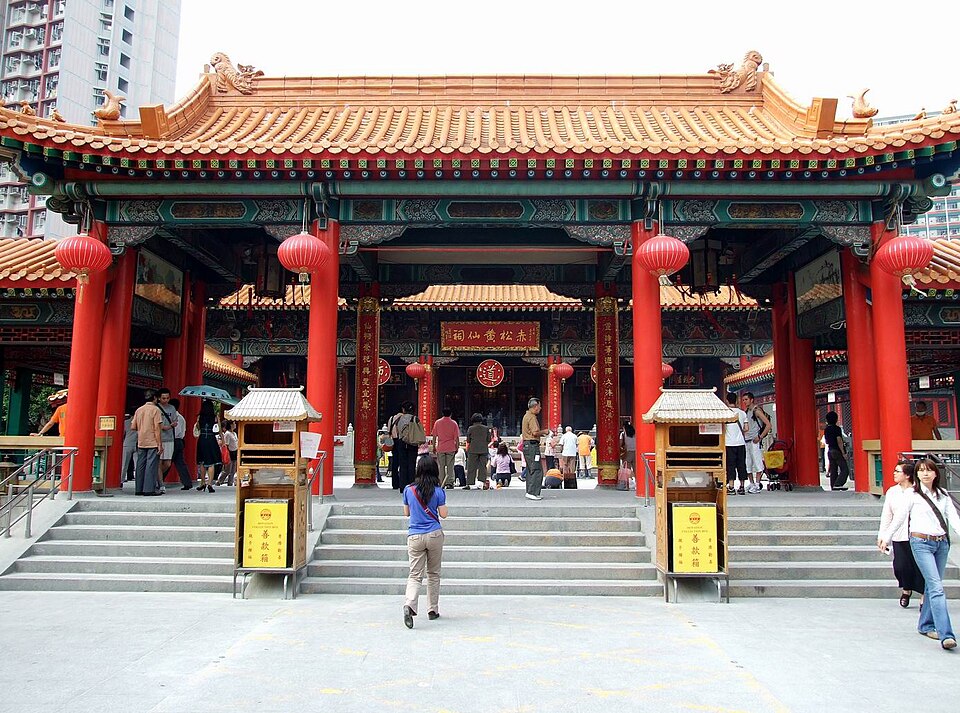
Wong Tai Sin Temple

Wong Tai Sin Temple

黃大仙祠

Wong Tai Sin / Kowloon

Hong Kong's best-known and most-visited temple, dedicated to the Taoist saint Wong Tai Sin, said to grant wishes. The temple, with its red pillars and golden roofs, blends Taoism, Buddhism and Confucianism. Worshippers shake cylinders of bamboo sticks and have their fortunes read.

Tip: The kau cim fortune-telling ritual works by shaking a cylinder of sticks until one falls out, then having its number interpreted at one of the fortune-tellers' stalls behind the temple, for a fee. The busiest time is the first day of Lunar New Year, when a queue forms from midnight for the first incense stick. Entry is free, and any donation is optional.

Admission:
free
Time needed:
45 min
Dragon's Back Trail

Dragon's Back Trail

龍脊

Shek O / Hong Kong Island

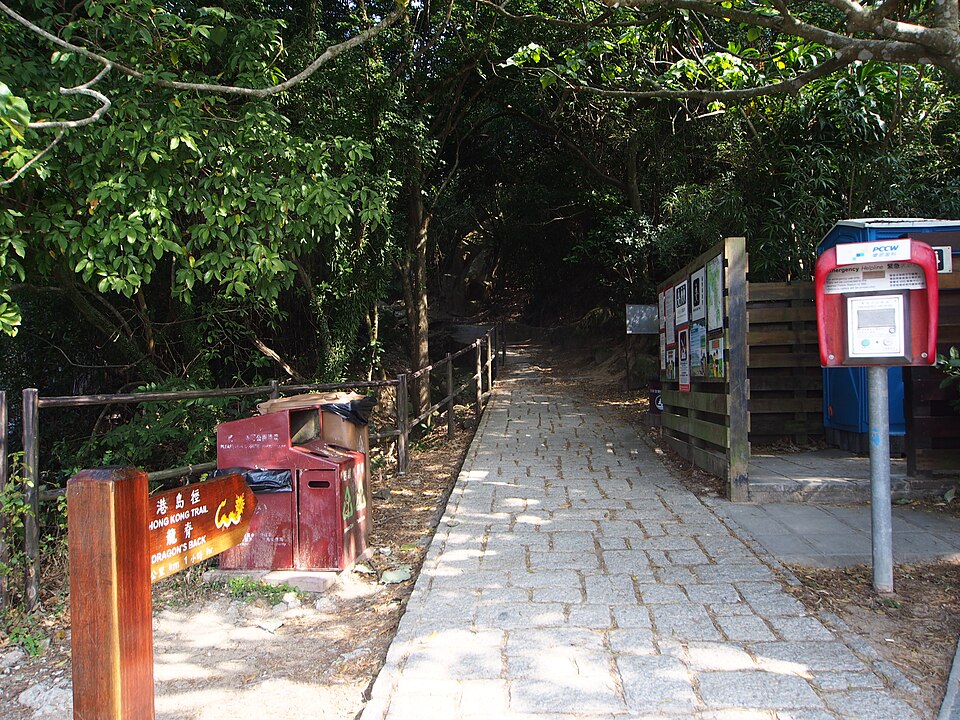
A ridge trail in the southeast of Hong Kong Island, named Dragon's Back for its undulating profile. It climbs above Shek O Bay with views of beaches, islets and the South China Sea, ending in a descent to Big Wave Bay beach. One of the best urban hikes in Asia.

Tip: The route measures about 8.5 kilometres and takes 3 hours; it starts at the To Tei Wan stop of bus 9 from Shau Kei Wan station. In summer, set off in the morning — there's no shade along the ridge and it gets very hot, so bring 2 litres of water. At the end, Big Wave Bay beach is good for swimming and surfing, and Shek O has restaurants for dinner by the sea.

Admission:
free
Time needed:
3–4 h

Photos: Victoria Peak — Daniel Case (CC BY-SA 3.0) · Star Ferry — Baycrest (CC BY-SA 2.5) · Big Buddha and Po Lin Monastery — Huangdan2060 (CC BY 4.0) · Temple Street Night Market — hkgalbert (CC0) · Man Mo Temple — Bahnfrend (CC BY-SA 4.0) · Chi Lin Nunnery and Nan Lian Garden — Rob Young from United Kingdom (CC BY 2.0) · M+ Museum — Lord Jaraxxus (CC BY-SA 4.0) · Wong Tai Sin Temple — Chong Fat (Public domain) · Dragon's Back Trail — rheins (CC BY 3.0)

Where to stay

Areas and districts, matched to the kind of trip you are taking

Tsim Sha Tsui

Best for: first visit, harbour views, shopping

The southern tip of the Kowloon peninsula, with a waterfront promenade, the Avenue of Stars and the best view of Hong Kong Island's skyscrapers. It has hotels of every category, the Nathan Road shopping strip, museums and the Star Ferry pier. It's the most practical district for a first visit, and cheaper than Central. The Chungking Mansions with its budget hostels is legendary, though not for everyone.

Central and Sheung Wan

Best for: business, bars, dining

The financial centre, with skyscrapers, the Mid-Levels escalator, the Lan Kwai Fong bar district and SoHo's restaurants. Sheung Wan right next door is quieter, with old shops selling dried seafood and medicine, galleries and cafes. Hotels are expensive and rooms small, but you're right in the middle of things and a short walk from the Peak Tram.

Mong Kok and Yau Ma Tei

Best for: authentic Hong Kong, smaller budgets

One of the most densely populated places on earth, with markets — the Ladies' Market, Goldfish Market, Flower Market and Bird Market — neon-lit streets and street food. Hotels are cheaper here, and the district buzzes late into the night. The main sights are a short metro ride away. It's not a quiet place, though, and street noise carries into the rooms.

Wan Chai and Causeway Bay

Best for: shopping, nightlife, local atmosphere

A mix of old and new Hong Kong, with double-decker trams, markets, shopping malls and bars. Causeway Bay is a shopping hub with department stores open until midnight, while Wan Chai has local diners and nightlife. Hotels are mid-range and transport links excellent.

Getting around

From the airport

Hong Kong is well connected from major hubs around the world, typically with 1 stop via cities such as Dubai, Doha, Istanbul, Helsinki or London; direct flights are also available from several European cities. Most visitors don't need a visa for stays of up to 90 days — Hong Kong has its own entry regime, separate from mainland China. Anyone continuing on to Shenzhen or elsewhere in mainland China needs to meet separate entry requirements for the mainland. Chek Lap Kok airport sits on an island near Lantau and is linked to the city by the Airport Express train, which reaches Central in 24 minutes. High-speed rail from West Kowloon station runs to Shenzhen in 15 minutes and to Guangzhou in under an hour; Macau is reached by a sea bridge or by ferry.

Hong Kong International (Chek Lap Kok) (HKG) · 35 km

  • Airport Express to Kowloon and Central· 21–24 min· HKD 105
  • Bus A21 to Tsim Sha Tsui and Mong Kok· 45–60 min· HKD 33
  • Taxi to Tsim Sha Tsui· 30–40 min· HKD 300

Around town

Hong Kong's transport is fast, cheap and reliable. The backbone is the MTR metro, which links Hong Kong Island, Kowloon, the New Territories and the airport, running every 2-5 minutes. On Hong Kong Island, double-decker 'ding ding' trams have run since 1904 for a few dollars regardless of distance — the cheapest scenic ride in the city. Star Ferry crosses the harbour, and ferries from Central Pier serve the outlying islands. Everything is paid for with an Octopus card, which you can buy at the airport or add to your phone; any remaining credit and the deposit are refunded. Taxis are cheap and colour-coded: red ones operate around the city, green only in the New Territories, and blue on Lantau. The city is very hilly, and getting around often means footbridges and escalators — the Mid-Levels escalator in Central is the longest outdoor covered escalator system in the world.

MTR metroFare depends on distance, paid with an Octopus card or a contactless bank card. · HKD 5
Ding Ding tramFlat fare, paid on exit. · HKD 3.30
Star Ferry and inter-island ferriesTo Lamma and Cheung Chau from Central Pier 4 and 5. · HKD 5
TaxiRed taxis, flag-fall of about HKD 29; surcharge for toll tunnels. · HKD 29

Useful apps: MTR Mobile, Citymapper, Octopus, MyObservatory, HKTaxi / Uber, OpenRice

When to go

The best time is from mid-October to early December — dry, blue skies, around 25 degrees and the clearest air of the year, ideal for views and mountain trails. Winter from December to February is mild and dry at around 18 degrees, but often overcast, and a jumper is useful at night. Spring is warm, humid and foggy, with mist that hides the view from the Peak. Summer from June to September is hot, very humid and rainy, with typhoons — at signal 8, transport stops and shops close, while indoors the air conditioning can feel cold. Chinese New Year in January or February brings fireworks and parades, but some restaurants close and hotel prices rise.

Best time

mid-October–early December, March

What to avoid

humid summer with typhoons (June–September)

MonthJanFebMarAprMayJunJulAugSepOctNovDec
Day19°19°22°25°29°31°32°32°31°28°25°21°
Night15°15°17°21°24°26°27°27°26°24°20°16°
Rainy days5910111419171714654
Sea19°18°19°22°25°27°28°28°28°26°24°21°

Food & drink

Hong Kong is the capital of Cantonese cuisine, and people eat it all day long. Mornings mean dim sum at tea houses, where you sit at round tables with strangers; midday brings roast goose with rice or wonton noodles; afternoons call for milk tea and egg tarts; evenings are for seafood or claypot rice. The Michelin Guide even rates canteens here where a meal costs a few tens of dollars — the world's cheapest Michelin-starred restaurant, Tim Ho Wan, started out in Mong Kok. Cha chaan teng diners are a Hong Kong invention: fast bistros mixing Cantonese and Western food, serving toast, macaroni in broth and tea with condensed milk. Hong Kong restaurants add a 10 percent service charge to the bill; at canteens you pay at the till. Prices vary hugely — dinner at a hotel restaurant can cost 10 times more than lunch at a canteen, and it doesn't have to be any better.

What to try

Dim sum

Har gow shrimp dumplings, pork siu mai, steamed char siu bao buns and cheung fun rice rolls are eaten in the morning and at lunch with tea. You order by ticking a card; the bill is calculated by the size of the baskets, and tea is charged per person.

Roast goose and char siu

Cantonese roast meats hanging in shop windows — goose with crispy skin, glazed char siu pork and siu yuk pork belly — served over rice. The cheapest full meal in the city.

Wonton noodles

Thin egg noodles with shrimp dumplings in a clear broth made from flounder and shrimp. The portion is small, meant as a quick meal, and the noodles are meant to stay springy, so they're served on a spoon above the broth.

Hong Kong milk tea and toast

Strong tea strained through a fine cloth, served with condensed milk, alongside fried toast with peanut butter, egg tarts or a pineapple bun with a slab of butter. A cha chaan teng breakfast.

Claypot rice

Rice cooked in a clay pot over a flame with sausage or chicken, seasoned with soy sauce. The bottom crisps up — that's the whole point. A winter evening dish from street-side stalls.

Seafood from the tank

In fishing villages you pick a live fish or prawns, pay by weight, and the restaurant steams them with ginger. Have the per-kilo price and the total bill worked out in advance — it's the most common dispute tourists run into.

Egg waffle

The bubbly gai daan jai waffle, baked in round moulds, crispy outside and soft inside. A street sweet for HKD 20-30, best hot from the window.

What it costs

Milk tea and toast at a cha chaan teng

HKD 35–55

Wonton noodles or roast goose with rice

HKD 45–80

Dim sum per person

HKD 100–200

Dinner at a nicer restaurant

HKD 400–800

Metro ride

HKD 5–25

Peak Tram return

from HKD 118

Beer at a bar

HKD 60–90

Night at a 3* hotel for 2

HKD 800–1,600

Indicative prices that change over time — treat them as a guide, not a price list.

Practical information

SocketsGBritish, three rectangular pins
Voltage220V / 50Hz
Tap waterTap water is drinkable — Tap water meets World Health Organization standards, but in older buildings it runs through old pipes, which is why locals often boil it. Hotel rooms have a kettle and bottled water, and refill stations have recently appeared on hiking trails and in parks. Tea houses and restaurants serve hot tea or warm water first; the first cup of tea is often used to rinse the bowls and chopsticks, so you don't have to drink it.
TippingMost restaurants add a 10 percent service charge to the bill, and nothing further is expected; small change is left only at cheap canteens, and taxi fares are rounded up. Cards are accepted almost everywhere, though cha chaan teng diners and markets still run mostly on cash. The Octopus card is the basis of everything — you use it for the metro, tram, ferry, bus, shops and vending machines, and it can also live in your phone. The Hong Kong dollar is pegged to the US dollar, so the exchange loss is small, and airport currency exchanges offer the worst rates.
Driving on theleft
SafetyHong Kong is very safe for visitors, violent crime is rare and it's fine to walk around at night. The real risks are typhoons from June to October (at signal 8 and above, ferries stop, shops close and you need to stay indoors — follow the MyObservatory app), summer heat and humidity that can cause collapse on mountain trails, and counterfeit goods in shopping arcades. Hong Kong has its own legal system and, since 2020, a strict national security law; steer clear of political topics in conversations with locals. The emergency number is 999.
Opening hoursThe city lives late: shops open at 10 or 11am and close at 10pm, markets get going in the afternoon, and night markets run until midnight. Dim sum is eaten in the morning and at lunch, and many tea houses open as early as 6am. Museums are usually closed on Tuesdays or Thursdays. The metro runs from 6am to 1am, and night buses run all night. During Chinese New Year, smaller shops and restaurants are closed for the first 3 days, but the city is full of parades and fireworks.
Customs & etiquetteHong Kong is fast and practical: no pushing in queues, stand on the right on escalators and walk on the left, and eating or drinking on the metro is fined. Sitting at a stranger's round table in a tea house is completely normal. When someone tops up your tea, thank them by tapping 2 fingers on the table. To have the pot refilled, just leave the lid slightly open. Chopsticks should never be stuck upright in rice, and gifts shouldn't be wrapped in white. The number 4 sounds like the word for death, so many buildings skip a fourth and fourteenth floor.
A few local wordsHello — Néih hóuThank you (for a service) — M̀h gōiThank you (for a gift) — Dō jehHow much does this cost? — Géi dō chín?The bill, please — M̀h gōi, máai dāanCheers — Yám būi

How to plan your days

1 day

Hong Kong in 1 day

  1. 1Morning dim sum at a tea house in Sheung Wan.
  2. 2Man Mo Temple and Hollywood Road.
  3. 3Mid-Levels escalator and lunch in SoHo.
  4. 4Afternoon Peak Tram or bus 15 to Victoria Peak and the Lugard Road trail.
  5. 5Evening Star Ferry to Tsim Sha Tsui and Temple Street Night Market.

2 days

2 days: the island and Kowloon

  1. 1Day 1: Central, Man Mo, the Peak at sunset.
  2. 2Day 1 evening: bars in Lan Kwai Fong or the tram to Causeway Bay.
  3. 3Day 2: Wong Tai Sin Temple and Chi Lin Nunnery.
  4. 4Day 2 afternoon: markets in Mong Kok and M+ in West Kowloon.
  5. 5Day 2 evening: Symphony of Lights from the promenade and Temple Street.

3 days

3 days with nature

  1. 1Day 1: Central, Sheung Wan and Victoria Peak.
  2. 2Day 2: cable car to the Big Buddha and on to Tai O village.
  3. 3Day 2 evening: Tsim Sha Tsui and the Star Ferry.
  4. 4Day 3: Dragon's Back Trail and a swim at Big Wave Bay.
  5. 5Day 3 evening: seafood dinner in Shek O or on Lamma Island.

Day trips

Macau

60 km · 1 h by ferry or bus across the bridge

A former Portuguese colony with a UNESCO-listed old town — cobbled Senado Square, the facade of St Paul's Cathedral, Monte Fort and the A-Ma Temple — and, at the same time, the biggest casino city in the world on Cotai. The best bites are Portuguese egg tarts and a pork chop bun. Macau has its own entry control, so bring your passport. The bus across the Hong Kong–Zhuhai–Macau Bridge is cheaper than the ferry.

Lamma Island

10 km · 30 min by ferry

A car-free island for hiking and seafood. The trail between the villages of Yung Shue Wan and Sok Kwu Wan crosses the hills and passes Hung Shing Yeh beach, taking 1.5 hours. In Sok Kwu Wan there are restaurants on stilts over the water, where you pick live seafood from a tank. Ferries run from Central Pier 4 every 30-60 minutes.

Tai O fishing village

35 km · 1 h 30 min by metro and bus

A stilt-house village on the west coast of Lantau, where fishermen live in houses over the water. Dried fish, shrimp paste and fish bladders are sold here. Boats leave from the pier, and with a bit of luck you'll spot the rare pink dolphins. It's best combined with the Big Buddha; bus 21 runs between the two spots.

Frequently asked questions

How many days do I need for Hong Kong?+

3-4 days are enough for the main sights, 1 mountain trail and the Big Buddha. Add a day for Macau and make it 5. Hong Kong is a common stopover on the way to Southeast Asia or Australia, and even a 2-day stopover makes sense — you're in the city centre 20 minutes from the airport.

Do I need a visa for Hong Kong?+

Visitors from most Western countries, including the EU, UK, US, Canada and Australia, don't need a visa and can stay for up to 90 days; a passport valid for 6 months is enough. Hong Kong has its own border control, so entry into mainland China, for example Shenzhen, is subject to separate Chinese rules. Macau also has its own entry regime, and most of the same visitors won't need a visa there either.

Is Hong Kong expensive?+

Accommodation is among the most expensive in Asia and rooms are very small. Food, on the other hand, is cheap if you eat like a local — lunch at a canteen costs HKD 50-80. Transport is very cheap. You'll save the most money by staying in Kowloon rather than on Hong Kong Island.

What is the Symphony of Lights?+

Every evening at 8pm, the facades of dozens of skyscrapers on both sides of the harbour light up for 15 minutes in a coordinated light show set to music. The best spot is the promenade in Tsim Sha Tsui by the Avenue of Stars, where the music plays from speakers. It's cancelled in bad weather or during a typhoon.

How should I behave during a typhoon?+

The Hong Kong Observatory issues typhoon signals from 1 to 10. Signal 3 means nothing major is happening; at signal 8 and above, ferries, buses and eventually surface trains stop running, shops close and people stay home. Stay at your hotel until the signal drops. Follow the MyObservatory app, as warnings come with advance notice.

Is the Octopus card worth it?+

Yes, it's the most practical thing you'll have in Hong Kong. You use it to pay for the metro, bus, tram, ferry, shops, vending machines and canteens. It now also works in your phone (Apple Wallet) with no deposit needed. Contactless Visa and Mastercard cards are accepted on the metro too, but Octopus works better for buses and smaller shops.

Where are the best skyline views?+

The classic free view is from the promenade in Tsim Sha Tsui across the harbour, from the top of Victoria Peak, and from the deck of the Star Ferry. Less known is the view from the terrace of the M+ museum in West Kowloon and from the Central Pier. The best night-time panorama is from bars in tall Kowloon hotels, where a drink costs around HKD 150.

Can you swim in the sea in Hong Kong?+

Yes, Hong Kong has more than 40 patrolled beaches with shark nets and lifeguards. The best are on the south side of the island — Repulse Bay, Shek O, Big Wave Bay — and on the islands of Lamma, Cheung Chau and Lantau. Swimming season runs from April to October, with water temperatures of 25-28 degrees. Don't swim outside patrolled beaches.

Requisitos de visa

Verifique los requisitos de visa actuales para ingresar a este país.

Verificar requisitos de visa

Números de emergencia

Idioma

Cantonese / English

Moneda

HKD

Huso horario

GMT+8

Prefijo

+852

Población

7.5M

Área

1,104 km²

Voltaje

220V / 50Hz

Lado de conducción

Izquierda

Mejores hoteles en Hong Kong

Precios en vivo de 500+ propiedades

Cargando hoteles...

Planea un viaje a Hong Kong?

Compare cientos de hoteles, encuentre el mejor precio y reserve con cancelación gratuita.