Riverside street stalls, tonkotsu ramen and an airport 10 minutes from the centre
Fukuoka
LangueEnglish
DeviseJPY
FuseauGMT+9
Température5-30 °C
Indicatif+81
Population125M
Superficie377,975 km²
PrisesType A / Type B
Eau du robinetPotable
Découvrez Fukuoka
Fukuoka is the largest city on the island of Kyushu and one of the most pleasant cities in Japan to live in: compact, green, by the sea, with an airport just 5 minutes by metro from the main station. It was formed by the merger of 2 towns — the samurai town of Fukuoka, with its castle, and the merchant town of Hakata, with its temples and port — and both names are still used today. Thanks to its proximity to Korea and China, Fukuoka was Japan's gateway for centuries: Zen, tea and noodles all arrived here, and a Mongol fleet landed nearby in the 13th century. Its sights aren't as famous as Kyoto's, but Fukuoka has something you won't find elsewhere: every evening, dozens of yatai stalls — mobile kitchens with 8 seats — line the banks of the Naka River in Nakasu, serving ramen, grilled skewers and oden until midnight, with locals and visitors sitting elbow to elbow. Hakata tonkotsu ramen, with its creamy pork broth, originated here and is at its best on home ground. Fukuoka is an excellent base for exploring Kyushu — Dazaifu, Nagasaki, Kumamoto and the Beppu hot springs are all day trips away — and the Korean city of Busan is 3.5 hours away by ferry.
What to see
The places worth your time in Fukuoka, and what to expect at each
Nakasu Yatai Food Stalls
中洲屋台
Nakasu / Tenjin
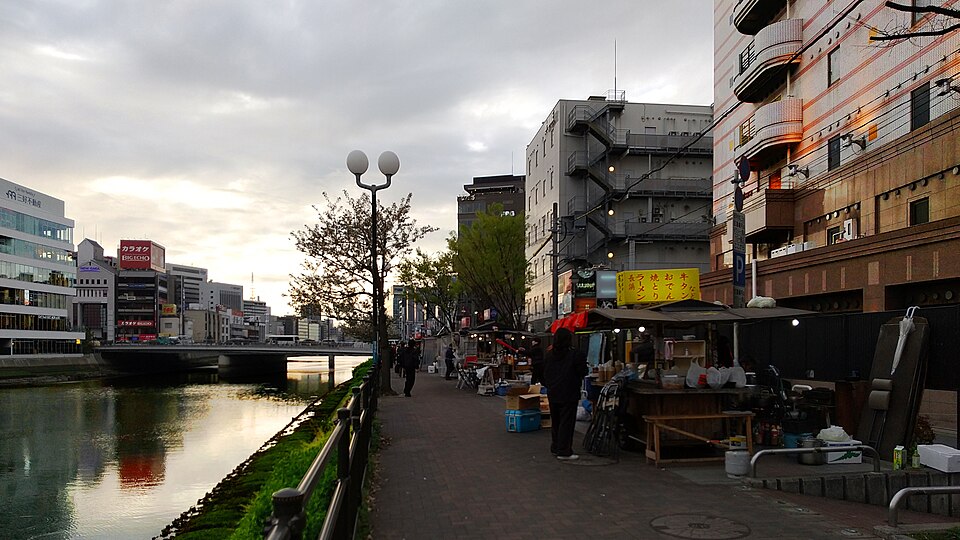
Mobile food stalls that set up every evening around 6pm along the banks of the Naka River on Nakasu island and in Tenjin, then disappear by morning. Each has a counter for 8 to 10 people, a tarpaulin roof, and a cook serving ramen, yakitori skewers, oden or gyoza. Fukuoka has more yatai stalls than the rest of Japan combined.
Tip: Stalls open around 6pm, and it's busiest from 8 to 10pm; arrive early and you'll get a seat right away. Don't expect cheap food — it's mainly about the experience — order one dish and a beer per stall, then move on to the next. Don't linger if others are waiting. Stalls don't set up in rain or strong wind. The stalls in Tenjin and Nagahama are less touristy than those in Nakasu.
Admission:
food JPY 700–1,500
Time needed:
evening
Ohori Park
大濠公園
Chuo-ku
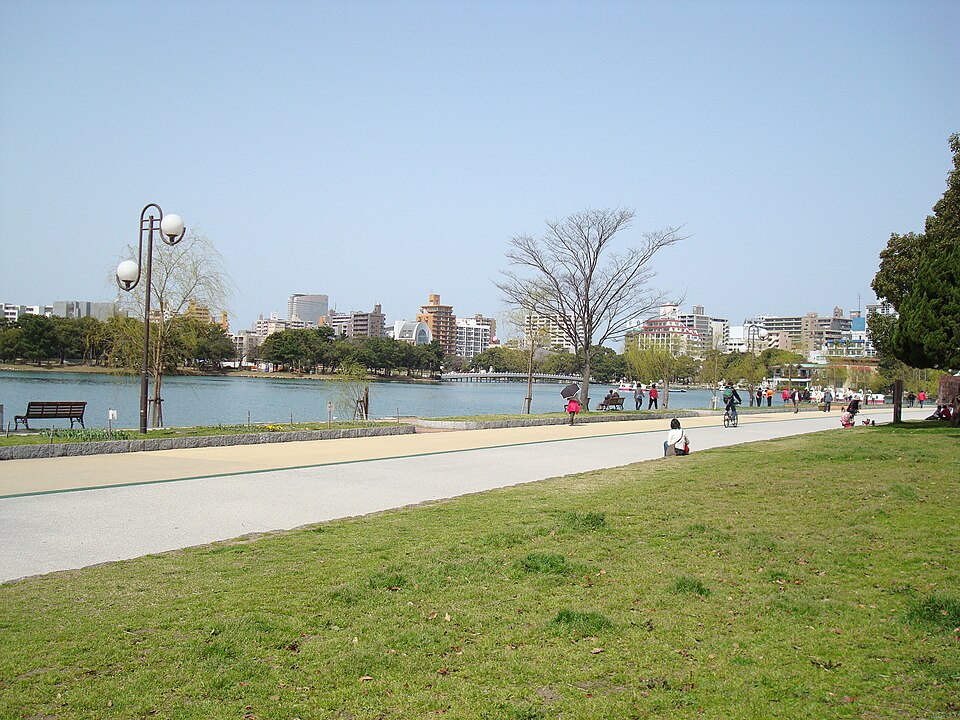
A park around a large lake that was once part of Fukuoka Castle's moat. Bridges and islets cross the lake, modelled on China's West Lake in Hangzhou, and the 2km loop around it is a popular running route. On the south side is a Japanese garden and an art museum.
Tip: Ohori Japanese Garden, with its pond, waterfall and teahouse, charges admission and is stunning in autumn thanks to the maples. Beside the lake there's a Starbucks with a view and a pedal-boat rental in the shape of swans. In early August, a fireworks display over the lake draws hundreds of thousands of spectators. The park borders the castle ruins, so combine both into one walk.
Admission:
free, garden JPY 250
Time needed:
1–1.5 h
Fukuoka Castle Ruins
福岡城跡
Chuo-ku
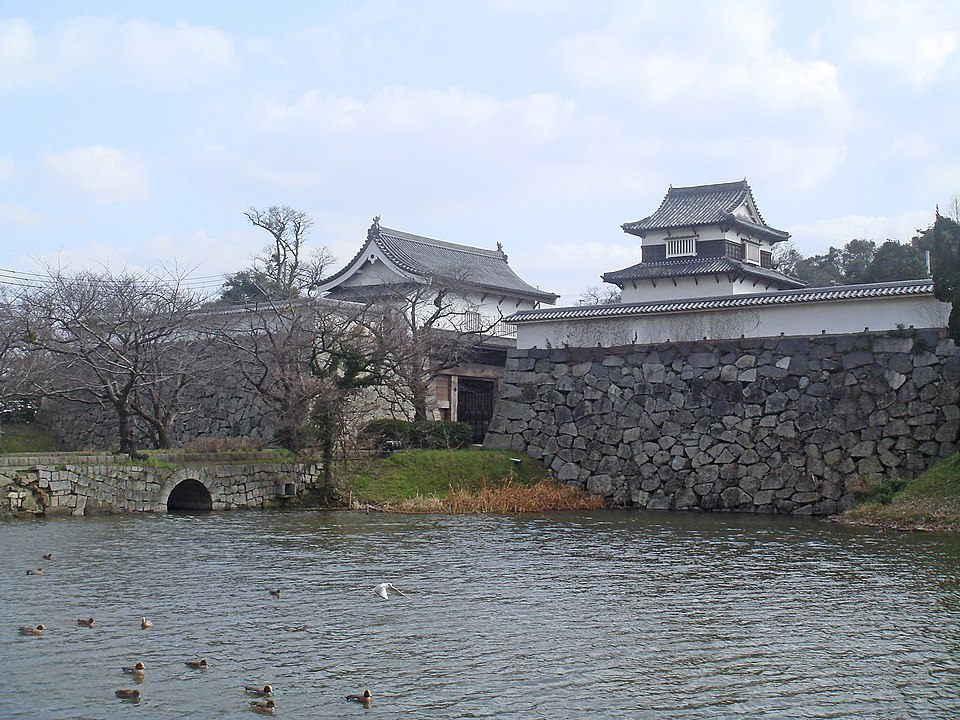
A castle built in 1607, once one of the largest on Kyushu, of which massive stone walls, several watchtowers and gates remain on a hill above Ohori Park. From the top of the main keep's base — which was either never finished or later demolished — there's a view over the city and sea.
Tip: In late March and early April, a cherry blossom festival lights up more than 1,000 trees in the evening and brings food stalls, one of the loveliest hanami in Japan. Steps lead to the top of the ramparts, where the view over the skyscrapers and bay is best at dusk. The site is free. Nearest stations are Akasaka or Ohorikoen.
Admission:
free
Time needed:
1 h
Kushida Shrine
櫛田神社
Hakata
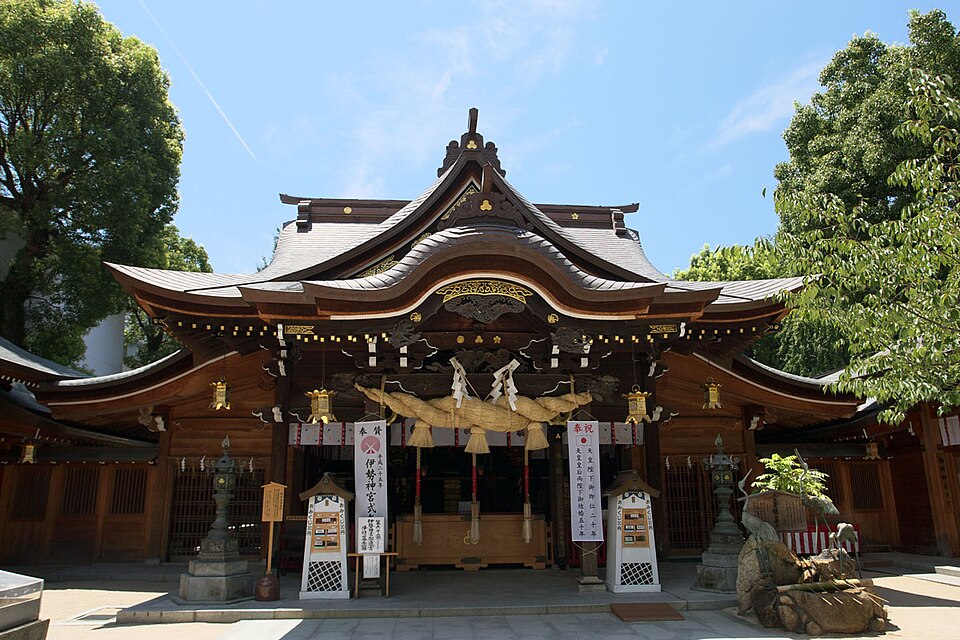
Hakata's principal Shinto shrine, founded in 757, protector of merchants and centre of the Hakata Gion Yamakasa festival. One of the festival's giant floats, kazariyama, stands in the grounds year-round, over 10m tall and decorated with figures of samurai and legendary scenes.
Tip: The Yamakasa festival, held in the first half of July, peaks on the 15th at 4am, when teams of men in loincloths run multi-tonne floats 5km through the streets while spectators douse them with water — worth the early start. The shrine has a small museum about the festival. Next door, the Kawabata shopping arcade leads to Canal City.
Admission:
free
Time needed:
30–45 min
Tochoji Temple
東長寺
Hakata
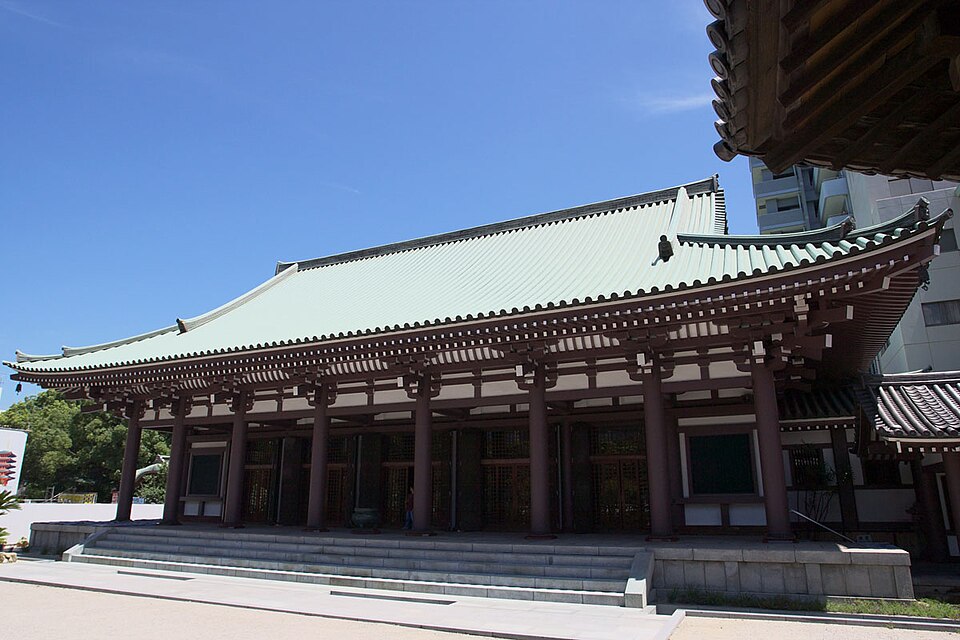
A Buddhist temple founded in 806 by the monk Kukai after his return from China, the oldest temple of the Shingon school in Japan. It houses Japan's largest seated wooden Buddha, 10m tall, and a five-storey red pagoda. The second floor of the main hall depicts hell and paradise.
Tip: A dark corridor beneath the Buddha statue leads you through complete darkness with your hand on a rail — symbolising the journey to hell and back — and at the end you touch a ring said to bring enlightenment. Photographing the Buddha is forbidden. The temple is a few minutes from Gion Station and can be combined with Kushida Shrine and Shofukuji Temple, Japan's oldest Zen temple.
Admission:
free
Time needed:
30–45 min
Shofukuji Temple
聖福寺
Hakata
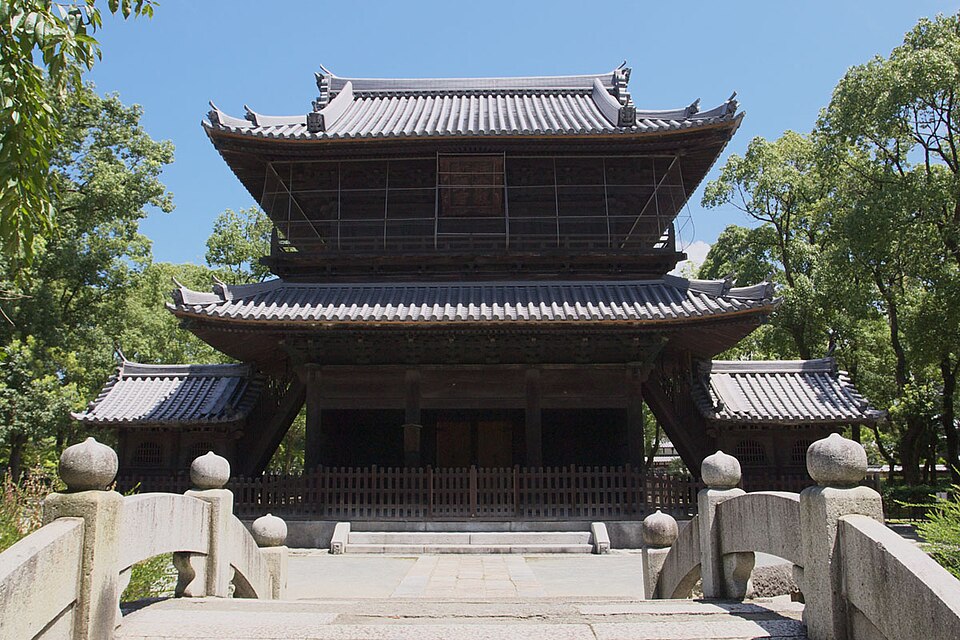
Japan's oldest Zen temple, founded in 1195 by the monk Eisai, who brought both Zen Buddhism and green tea back from China. The grounds, with stone walls, pine trees and wooden halls, are peaceful and largely free of tourists. The halls themselves aren't open to the public, but you can walk the whole precinct.
Tip: This is the quietest spot in Hakata, just 10 minutes' walk from the station — ideal for a morning stroll. The Hakata Old Town route, marked on the pavement, links three temples and shrines around here. Tea seeds that Eisai brought back are said to have given rise to Japan's first tea plantations.
Admission:
free
Time needed:
30 min
Canal City Hakata
キャナルシティ博多
Hakata / Sumiyoshi
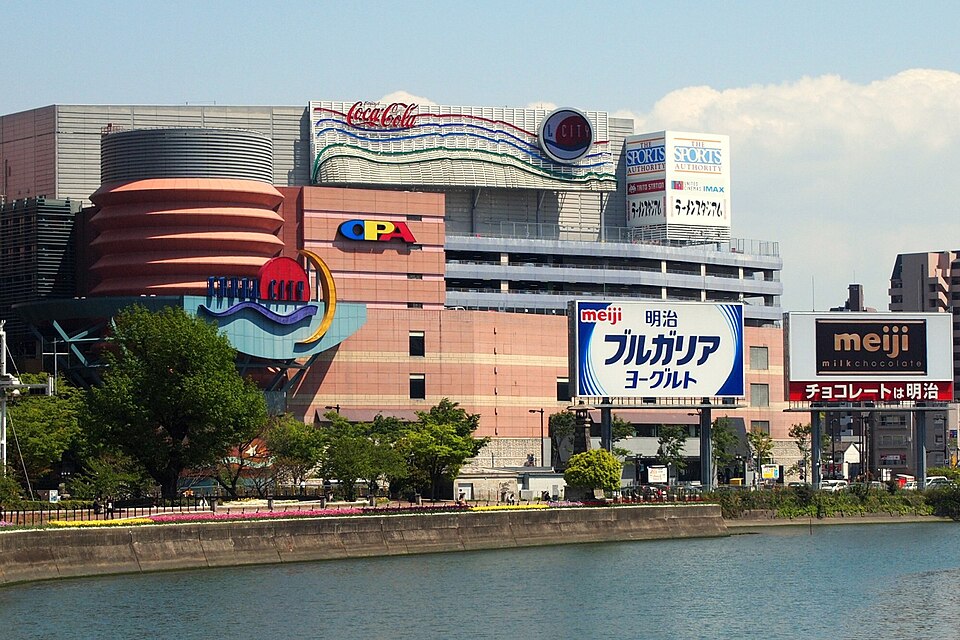
A huge shopping and entertainment complex built in 1996, with shops, a cinema, a theatre and hotels, designed around an artificial canal where a water-and-light show takes place every half hour. On the fifth floor, Ramen Stadium houses 8 ramen restaurants from across Japan.
Tip: The water shows are free and best after dark. Ramen Stadium is a good place to compare Hakata tonkotsu with ramen from Sapporo or Tokyo, though locals tend to eat ramen elsewhere. The complex is a 5-minute walk from Nakasu and the yatai stalls, so it's worth a stop along the way.
Admission:
free
Time needed:
1–2 h
Fukuoka Tower and Momochi Beach
福岡タワー
Momochi
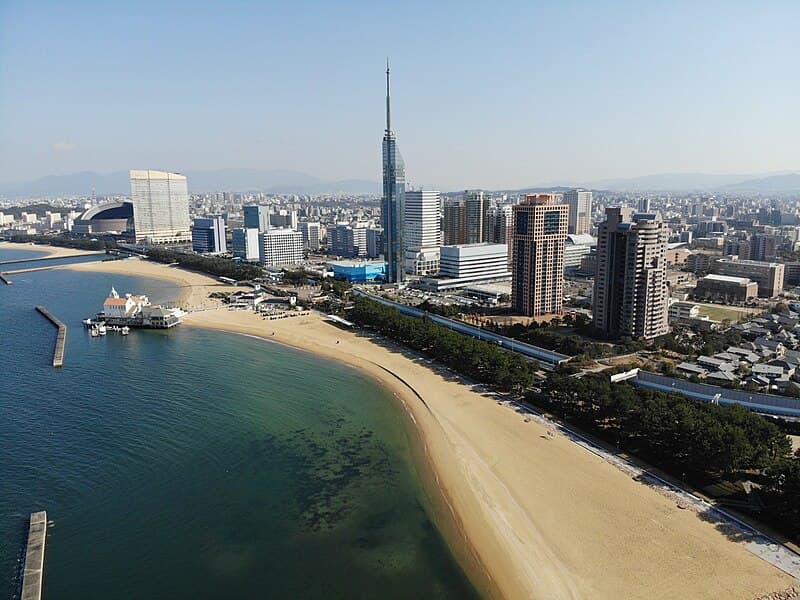
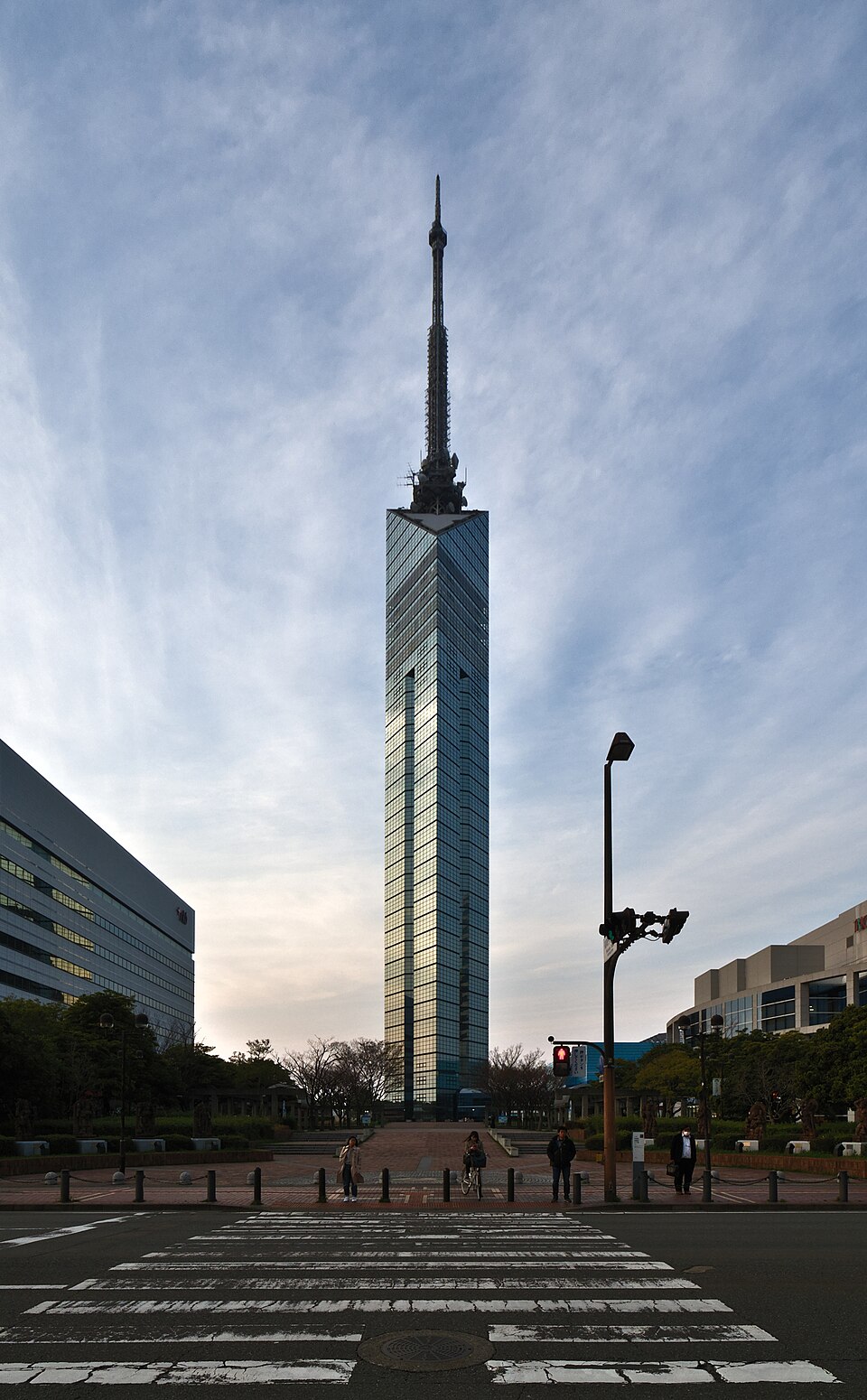
Japan's tallest seaside tower, 234m high, covered in 8,000 mirrored panels, stands by the artificial Momochi Beach in the west of the city. The observation deck at 123m offers views over the bay, city and mountains. The Marizon building sits on a pier by the beach.
Tip: Come at sunset, when the sun sets over the sea, and stay for the tower's evening illumination, which changes with the seasons. Foreign passport holders get a discount on admission. Momochi Beach is good for a stroll, and for swimming in summer. Nearby is the Fukuoka City Museum, covering the history of trade with Asia.
Admission:
JPY 1,000
Time needed:
1–1.5 h
Nanzoin Temple
南蔵院
Sasaguri
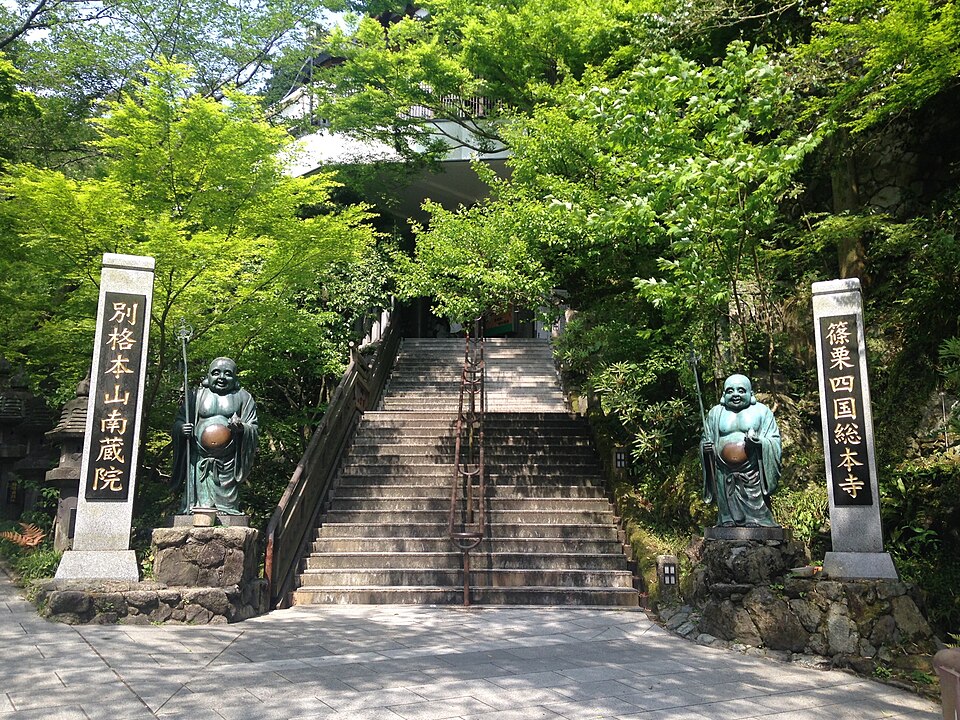
A Buddhist temple in the mountains, 20 minutes by train from Fukuoka, home to a bronze reclining Buddha statue 41m long, one of the largest bronze statues in the world. The statue was cast in 1995 and holds relics of the Buddha donated from Myanmar. The temple is surrounded by a forest with hundreds of small statues.
Tip: The JR Sasaguri train from Hakata Station takes 20 minutes to Kidonanzoin-mae Station, from where it's a 5-minute walk uphill. Buy a small charm at the Buddha's feet. The temple's head priest won the lottery and donated the money to the temple and to humanitarian aid, which is why the temple is associated with lottery luck. It's loveliest in autumn.
Areas and districts, matched to the kind of trip you are taking
Hakata
Best for: first visit, transport, temples
The area around Hakata Station, with the shinkansen, the airport metro, department stores and hotels. Canal City, old temples and Kushida Shrine are all within walking distance. The most practical choice for a short stay and day trips around Kyushu.
Tenjin
Best for: shopping, restaurants, nightlife
The shopping and entertainment centre, with department stores, an underground shopping arcade, cafés and yatai stalls. This is where you'll find the most restaurants and bars. The bus terminal and the Nishitetsu train to Dazaifu depart from here.
Nakasu
Best for: nightlife, yatai stalls
An island between two branches of the river, with riverside yatai stalls, bars and hotels, as well as Kyushu's biggest nightlife district, with clubs and hostess bars. Hotels here are close to everything, but it can get noisy in the evening.
Ohori and Momochi
Best for: peace and quiet, families, seaside stays
A green district around Ohori Park and the seaside district of Momochi, with its tower and beach. A calmer stay, with a lake and sea for walks, just a few metro stops from the centre.
Fukuoka Airport is one of the best located in the world — the metro reaches Hakata Station in 5 minutes and Tenjin in 11. From Europe, flights connect through hubs such as Seoul, Tokyo, Shanghai, Taipei or Hong Kong, typically taking 17 to 20 hours in total from major European cities. From Tokyo, the shinkansen takes 5 hours; a domestic flight is faster, at under 2 hours. Visitors from many countries, including the EU, UK, US, Canada and Australia, don't need a visa for stays of up to 90 days. A high-speed ferry runs from Hakata Port to Busan in South Korea in 3.5 hours.
Fukuoka (FUK) · 3 km
Kuko Line metro to Hakata Station· 5 min· JPY 260
Metro to Tenjin· 11 min· JPY 260
Taxi to Hakata· 15 min· JPY 1,600
Around town
Fukuoka is compact and walkable: it's 10 minutes from Hakata to Nakasu and 20 minutes to Tenjin. Three metro lines connect the airport, Hakata, Nakasu, Tenjin and Ohori Park; the Hayakaken card or any Japanese IC card, including Suica, works. Nishitetsu buses run frequently across the city and out to Momochi. For day trips, take JR trains from Hakata, or the Nishitetsu train from Tenjin to Dazaifu and Yanagawa. The Fukuoka Tourist City Pass, a one-day ticket for the metro, buses and nearby trains, is good value for visitors.
Metro (Hayakaken/Suica)3 lines, fare based on distance. · JPY 210
Fukuoka Tourist City PassUnlimited metro, buses and trains for one day, including to Dazaifu. · JPY 2,500
Nishitetsu busDense network, with a flat low fare in the centre. · JPY 150
On foot and by bikeThe centre is small; Charichari bike-share is available. · free
Useful apps: Google Maps, Japan Transit Planner (Norikae Annai), Suica (Apple/Google Wallet), GO Taxi, Tabelog
When to go
The best time is spring, from late March to May, and autumn, from October to November, when it's sunny with temperatures around 20 degrees. Fukuoka has milder winters than Tokyo, but cloudier and rainier ones, since winds off the Sea of Japan bring in clouds. June and early July are the rainy season, and Kyushu often sees torrential downpours during this time. July and August are hot and humid, and typhoons arrive from August to September, hitting Kyushu first. The Hakata Gion Yamakasa festival takes place in July, and a sumo tournament is held at the Kokusai Center in November.
Best time
late March–May, October–November
What to avoid
rainy June, typhoons in August and September
Month
Jan
Feb
Mar
Apr
May
Jun
Jul
Aug
Sep
Oct
Nov
Dec
Day
10°
12°
15°
20°
24°
27°
31°
32°
29°
24°
18°
13°
Night
4°
4°
7°
11°
16°
20°
25°
25°
22°
16°
11°
6°
Rainy days
11
10
11
10
9
12
11
9
10
6
8
9
Food & drink
Many Japanese people consider Fukuoka the best city in the country for food, and it's also one of the cheapest. Hakata is the birthplace of tonkotsu ramen, with its milky-white broth made from pork bones simmered all day and thin, straight noodles — for a few hundred yen you can add an extra portion, known as kaedama. Other local specialities include spicy cod roe mentaiko, motsunabe (a soup with beef offal and cabbage) and small bite-sized gyoza dumplings. Thanks to the sea, sushi and sashimi here are excellent and reasonably priced, and locals eat fresh fish for breakfast at Nagahama Market. In the evening, people eat at street-side yatai stalls. Locals drink shochu made from Kyushu barley and sweet potatoes.
What to try
Hakata tonkotsu ramen
A thick white broth made from pork bones with thin, straight noodles, pickled ginger and sesame seeds. You choose the noodle firmness when ordering — locals go for barikata, very firm. When you finish the noodles, order kaedama, another portion for the same broth, for JPY 100–200.
Mentaiko
Cod roe marinated in chilli, which arrived from Korea after the war and is now a symbol of Fukuoka. It's eaten with rice, in onigiri, on spaghetti or baked. Packaged mentaiko is the city's most popular souvenir.
Motsunabe
A hotpot cooked right at the table with beef offal, cabbage, leek and garlic in a miso or soy sauce broth. At the end, champon noodles are added to the leftover broth. A winter dish that goes well with beer, costing around JPY 2,000 per person.
Hitokuchi gyoza
Small fried bite-sized dumplings ordered by the dozen and eaten with beer. The Hakata version is smaller and crispier than elsewhere in Japan.
Mizutaki
Chicken simmered for hours in a clear white bone broth, served in a pot with vegetables; you drink the broth on its own first, then eat the meat with ponzu sauce. A Hakata speciality for winter evenings.
Sushi
Away from the tourist spots, sushi is eaten on a conveyor belt (kaiten) for JPY 100–300 a plate, or at the counter of a small restaurant where the chef serves it piece by piece. Nigiri is dipped in soy sauce fish-side down, not rice-side, and the wasabi is already tucked inside. The best value is the lunch sets at restaurants that charge tens of thousands of yen in the evening.
Yakitori
Chicken skewers grilled over charcoal — not just breast, but also skin, heart, liver and tsukune meatballs. A classic evening dish with beer at small restaurants under railway bridges; ordered piece by piece, plain with salt (shio) or with sauce (tare).
Hakata udon
Soft udon noodles, said to have been brought to Japan from China by a monk from Hakata. Served with burdock tempura (goboten) and eaten mainly in the morning and at midday.
What it costs
Bowl of tonkotsu ramen
JPY 700–1,100
Meal at a yatai stall
JPY 700–1,500
Motsunabe per person
JPY 1,800–2,500
Sushi lunch set
JPY 1,500–3,000
Metro ride
JPY 210–380
Fukuoka Tower admission
JPY 1,000
Beer at a yatai stall
JPY 600–800
Night in a 3-star hotel for 2
JPY 10,000–20,000
Indicative prices that change over time — treat them as a guide, not a price list.
Practical information
SocketsAtwo flat pins (US/JP)Btwo flat pins plus ground (US)
Voltage100V / 50-60Hz
Tap waterTap water is drinkable — Tap water is safe and good quality throughout Japan, with drinking fountains in stations and parks. Every restaurant brings you a free glass of water or iced tea as soon as you sit down, topped up without asking. Vending machines stand on every corner and take coins and transit cards; a bottle of water costs JPY 100–150, and in winter they also sell hot drinks in cans.
TippingTipping isn't done anywhere in Japan, and if you leave money on the table, staff will chase after you to return it — it's seen as a mistake, not a gesture. You pay at the till near the exit, not at the table, and money is placed on a small tray rather than handed over directly. Cards are accepted almost everywhere now, but small ramen shops with ticket machines, temples and street stalls are still cash-only; ATMs at 7-Eleven convenience stores reliably accept foreign cards. The most practical payment method is a loaded Suica or Pasmo transit card, which you can also use in shops and at vending machines.
Driving on theleft
SafetyJapan is one of the safest countries in the world — a lost wallet is typically returned with its contents intact, and walking around at night feels safe. The real risks are natural: earthquakes (find the escape route in your hotel and keep emergency alerts turned on on your phone), typhoons from August to October that can halt trains for a day, and summer heat and humidity that leave tourists collapsing every year. In nightlife districts, the one real scam is street touts inviting you into a bar where the bill balloons to tens of thousands of yen. The emergency numbers are 110 (police) and 119 (ambulance and fire).
Opening hoursShops and department stores open at 10am and close at 8pm; convenience stores (7-Eleven, Lawson, FamilyMart) are open around the clock and sell food, tickets and SIM cards. Restaurants serve lunch from 11am to 2pm and dinner from 5pm; outside those hours, mainly chains stay open. Temples and gardens close early, often between 4:30pm and 5pm, and museums are closed on Mondays. The metro and trains stop running around midnight, after which only an expensive taxi remains. Watch out for Golden Week (29 April to 5 May), the mid-August Obon holiday and the New Year period — the whole country travels and hotels cost double.
Customs & etiquetteShoes come off in homes, traditional ryokan inns, many tatami-floored restaurants and shop fitting rooms — if you see a step up and a shoe rack, take your shoes off. On escalators, stand on the left in Tokyo and on the right in Osaka. Don't talk on the phone or speak loudly on trains. Eating while walking on the street isn't done — food from a convenience store is eaten near the shop. Public bins are practically non-existent, so carry your rubbish with you. Don't stick chopsticks upright in rice or pass food from chopsticks to chopsticks — both are associated with funerals. Tattoos may bar you from onsen hot springs; cover small ones with a plaster.
A few local wordsHello — KonničiwaThank you — Arigató gozaimasuExcuse me (also used to call the waiter) — SumimasenHow much is it? — Ikura desu ka?The bill, please — Okaikei onegaišimasuThat was delicious (after a meal) — Gočisósama dešita
How to plan your days
1 day
Fukuoka in a day
1Morning: Shofukuji and Tochoji temples in Hakata.
2Kushida Shrine and a tonkotsu ramen lunch.
3Afternoon: Ohori Park and the castle ruins.
4Sunset at Fukuoka Tower and Momochi Beach.
5Evening: yatai stalls in Nakasu.
2 days
2 days with Dazaifu
1Day 1: Hakata, Kushida, Canal City and Ohori.
2Day 1 evening: yatai stalls and Nakasu.
3Day 2 morning: Nishitetsu train to Dazaifu for Tenmangu Shrine.
4Day 2 afternoon: Kyushu National Museum in Dazaifu.
5Day 2 evening: motsunabe in Tenjin.
3 days
3 days with Nanzoin and the sea
1Day 1: Hakata and Ohori Park.
2Day 2: Dazaifu and Yanagawa with a canal boat trip.
3Day 3 morning: Nanzoin Temple and its reclining Buddha.
4Day 3 afternoon: Fukuoka Tower and Momochi.
5Day 3 evening: yatai stalls in Nagahama.
Day trips
Dazaifu
16 km · 30–40 min by train
The ancient administrative centre of Kyushu, home to Dazaifu Tenmangu Shrine, dedicated to the god of learning, where students come to pray for exam success. A street lined with stalls leads to the shrine, selling warm umegae mochi cakes filled with red bean paste, plus a wooden Starbucks designed by architect Kengo Kuma. Nearby is the modern Kyushu National Museum. The Nishitetsu train from Tenjin requires a change at Futsukaichi.
Yanagawa
45 km · 50 min by train
A town threaded with canals from the days when a castle stood here, nicknamed the Venice of Kyushu. Boat rides along the canals are punted by boatmen who sing as they go, with the trip taking about an hour. The local speciality is eel steamed over rice. The Nishitetsu train from Tenjin offers a combined ticket with the boat ride, which can be paired with a visit to Dazaifu.
Itoshima
30 km · 45 min by train and bus
A peninsula west of Fukuoka with beaches, surfers, seaside cafés and its symbol, a white torii gate standing in the water by the Meoto Iwa rock islets. A popular weekend trip for locals, best explored with a rental car or bicycle. There are farmers' markets and oyster shacks, where oysters are grilled at the table in winter.
Frequently asked questions
How many days do you need for Fukuoka?+
2 days for the city and Dazaifu, plus more days for trips around Kyushu: Nagasaki is 2 hours away, Kumamoto 35 minutes by shinkansen, and the Beppu hot springs 2 hours. Fukuoka is an excellent base for the whole island.
How do yatai food stalls work?+
Each stall has a handful of seats at the counter, you sit next to strangers and order directly from the cook. Food costs more than at a restaurant, but it's about the experience. Don't linger at your seat once you've eaten. Some stalls have English menus; elsewhere, pointing helps.
What is Hakata-style ramen?+
Tonkotsu has a creamy broth made from pork bones and thin, straight noodles. You choose the noodle firmness, from soft to harigane, wire-like. When you finish the noodles, order kaedama, a fresh portion of noodles for the leftover broth.
Can you get from Fukuoka to Korea by boat?+
Yes: a fast ferry runs from Hakata Port to Busan in 3.5 hours and sails daily, with an overnight ferry at certain times of year. It's a comfortable alternative to flying and a pleasant crossing of the Korea Strait.
Is Fukuoka good for families?+
Very. It's safe, easy to navigate, and has parks, a beach, the Marine World aquarium and an airport just minutes from the centre. Food is cheap, and kids like both ramen and gyoza.
Do I need a JR Pass?+
Not for Fukuoka itself. For trips around Kyushu, the regional JR Kyushu Rail Pass is worth it, as it's significantly cheaper than the nationwide pass. Dazaifu is served by the private Nishitetsu railway, which the JR Pass doesn't cover.
What's the weather like in winter?+
Mild, around 10 degrees during the day, but often cloudy with occasional rain or snow flurries. It's a good season for motsunabe, mizutaki and hot-spring baths in Kyushu.
What to buy in Fukuoka?+
Mentaiko in cool bags, Hakata clay dolls, hakata-ori textiles, chick-shaped Hiyoko sweets and shochu from Kyushu. The department store at Hakata Station has a floor devoted to local specialities.
Carte d'arrivée
Remplissez la carte d'arrivée requise avant votre voyage pour éviter les retards à l'immigration.