Hotels in Azores

Volcanic islands as green as Ireland, with hot springs and whales mid-Atlantic

Azores

LanguagePortuguese
CurrencyEUR
TimezoneAtlantic/Azores
Temperature12-28 °C
Dial Code+351
Population10.3M
Area92,212 km²
SocketsType C / Type F
Tap waterDrinkable

Discover Azores

The Azores are an archipelago of nine volcanic islands in the middle of the Atlantic, about fourteen hundred kilometres from Lisbon, belonging to Portugal. The largest, São Miguel, offers crater lakes, tea plantations, hot springs and the best whale watching in Europe. The countryside is green all year, as it often rains and clouds change quickly — it is said the Azores have four seasons in a single day. Temperatures run from seventeen to twenty-six degrees, so you never overheat or freeze. From Prague you fly via Lisbon or Porto in about five to seven hours, and the island is best explored by car. The islands are cheaper than mainland Portugal, but accommodation rises in summer. Pineapple and tea grow in the Azores and wine is made from volcanic soil. EU citizens need only an ID card or passport.

What to see

The places worth your time in Azores, and what to expect at each

The Sete Cidades Lakes

The Sete Cidades Lakes

west São Miguel

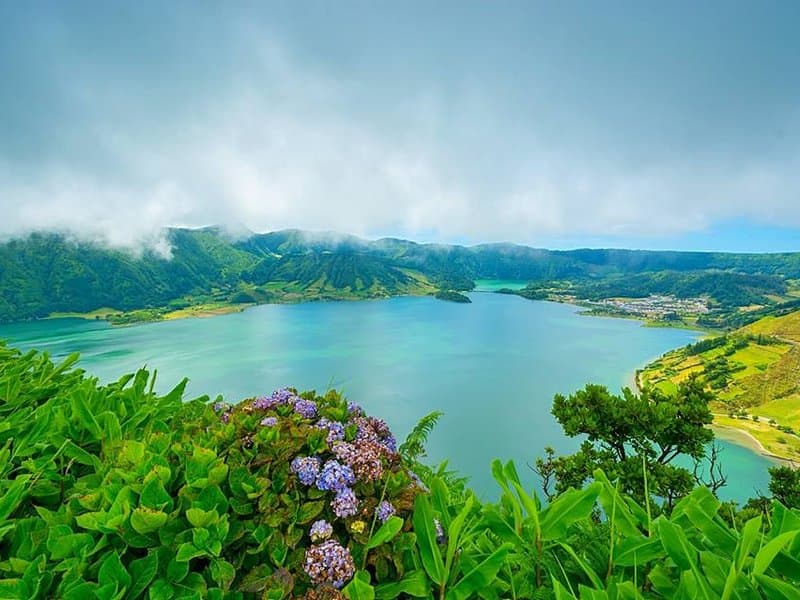
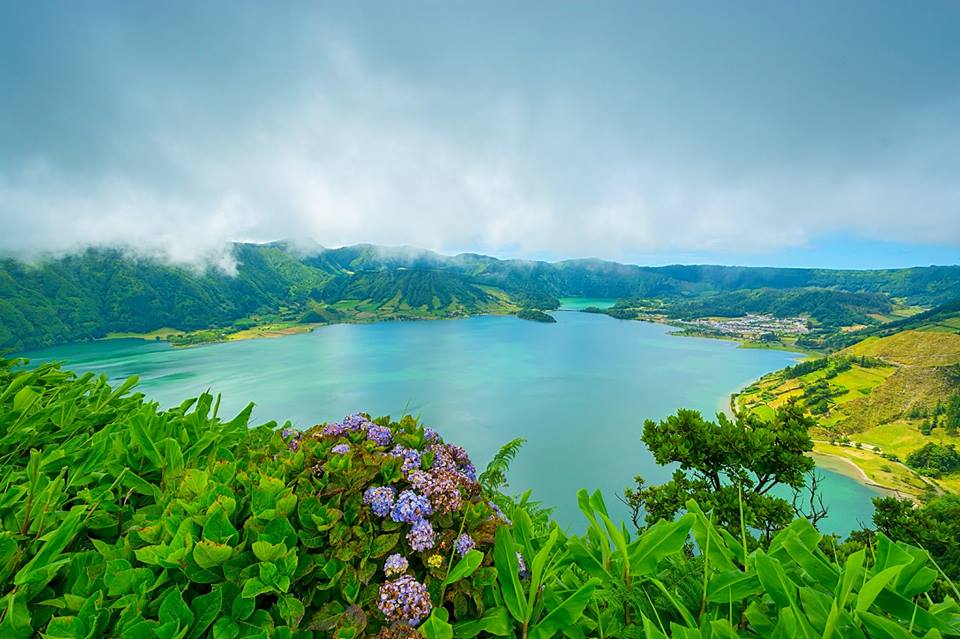
A pair of lakes, one blue and one green, in a giant crater in the west of São Miguel, the best-known view of the Azores. According to legend the lakes were made from the tears of forbidden lovers. In the crater lies the village of Sete Cidades and trails run along the rim.

Tip: From the Vista do Rei viewpoint the view is loveliest early in the morning, before the mist rises. The weather changes hourly, so bring a jacket and try your luck.

Admission:
free
Time needed:
half a day
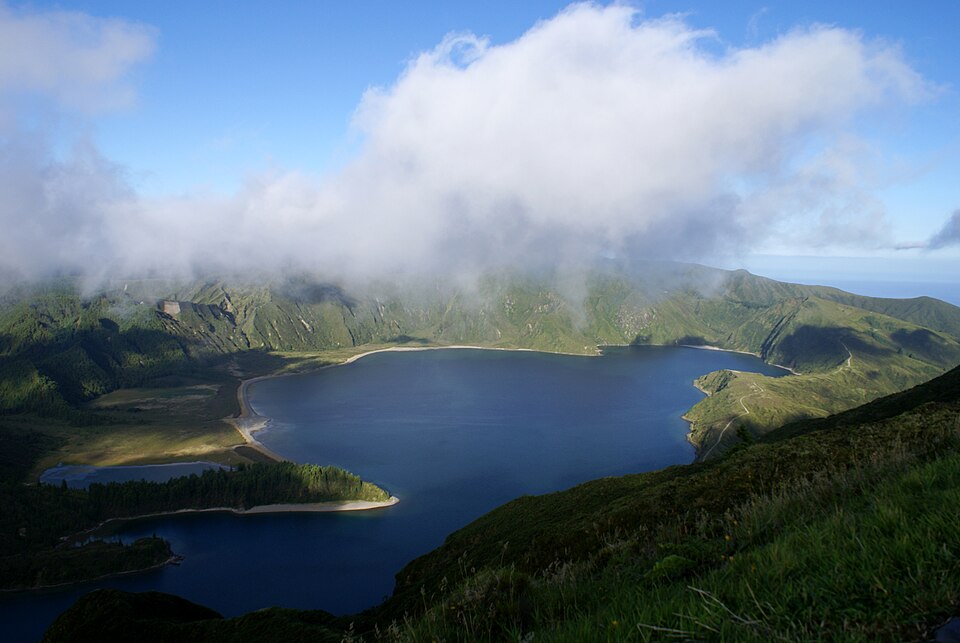
Lagoa do Fogo

Lagoa do Fogo

central São Miguel

A crater lake at about six hundred metres in the middle of the island, ringed by green forest and protected as a nature reserve. The beach on its shore is reached by a trail or from the viewpoint by the road. The water is cold and calm.

Tip: In mist nothing can be seen from the viewpoint — go when it is clear and check the forecast. The trail down to the beach is steep.

Admission:
free
Time needed:
half a day
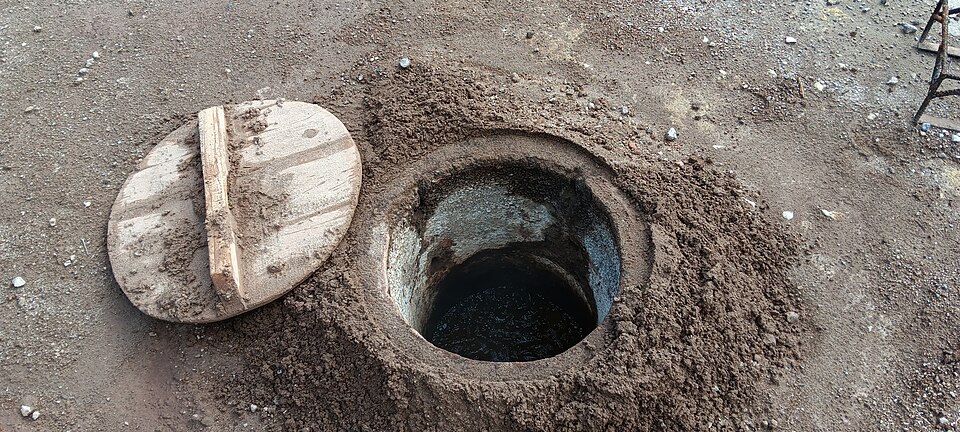
Furnas and the Fumaroles

Furnas and the Fumaroles

east São Miguel

A valley with a crater in the east of the island, where sulphurous steam rises from the ground, hot springs bubble and the local speciality cozido das Furnas is cooked. The village of Furnas lies in the middle of the thermal area and you walk past fumaroles. It is the best place to understand the volcanic nature of the island.

Tip: Do not spend on cozido at a restaurant at midday — ask when it is lifted from the ground; around noon it is the best show. Beware of the smell of sulphur.

Admission:
free
Time needed:
half a day
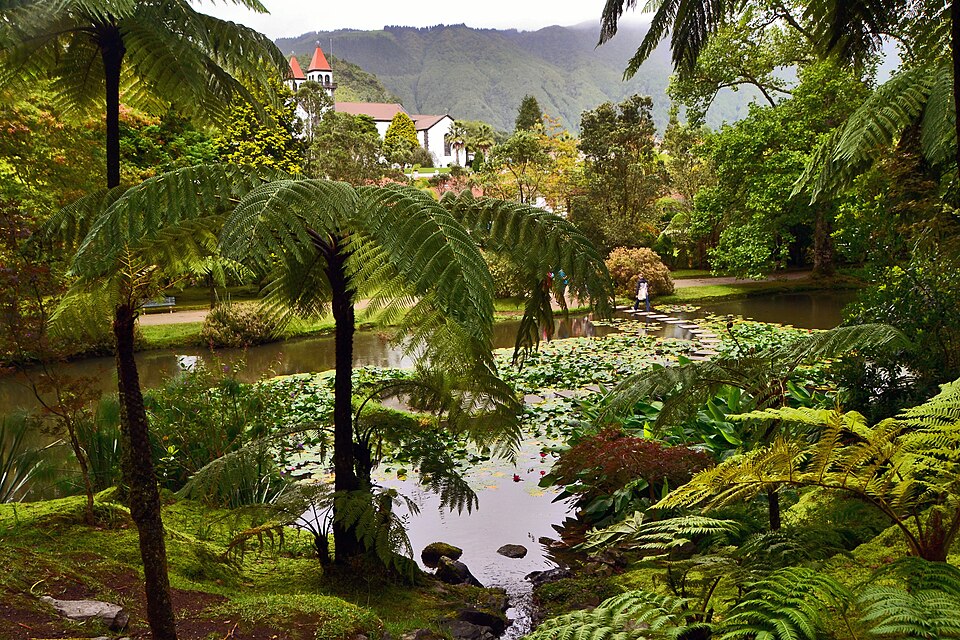
Terra Nostra Park

Terra Nostra Park

Furnas

A sprawling botanical park in Furnas, founded in the eighteenth century and enriched with trees from around the world. In the middle is a thermal pool of rusty-brown water at about thirty-five degrees in which you can bathe. The water stains swimwear an ochre colour.

Tip: Bring swimwear you do not mind ruining and a towel. It is calmest in the morning and evening, when the coaches leave.

Admission:
about €8
Time needed:
2–3 hrs
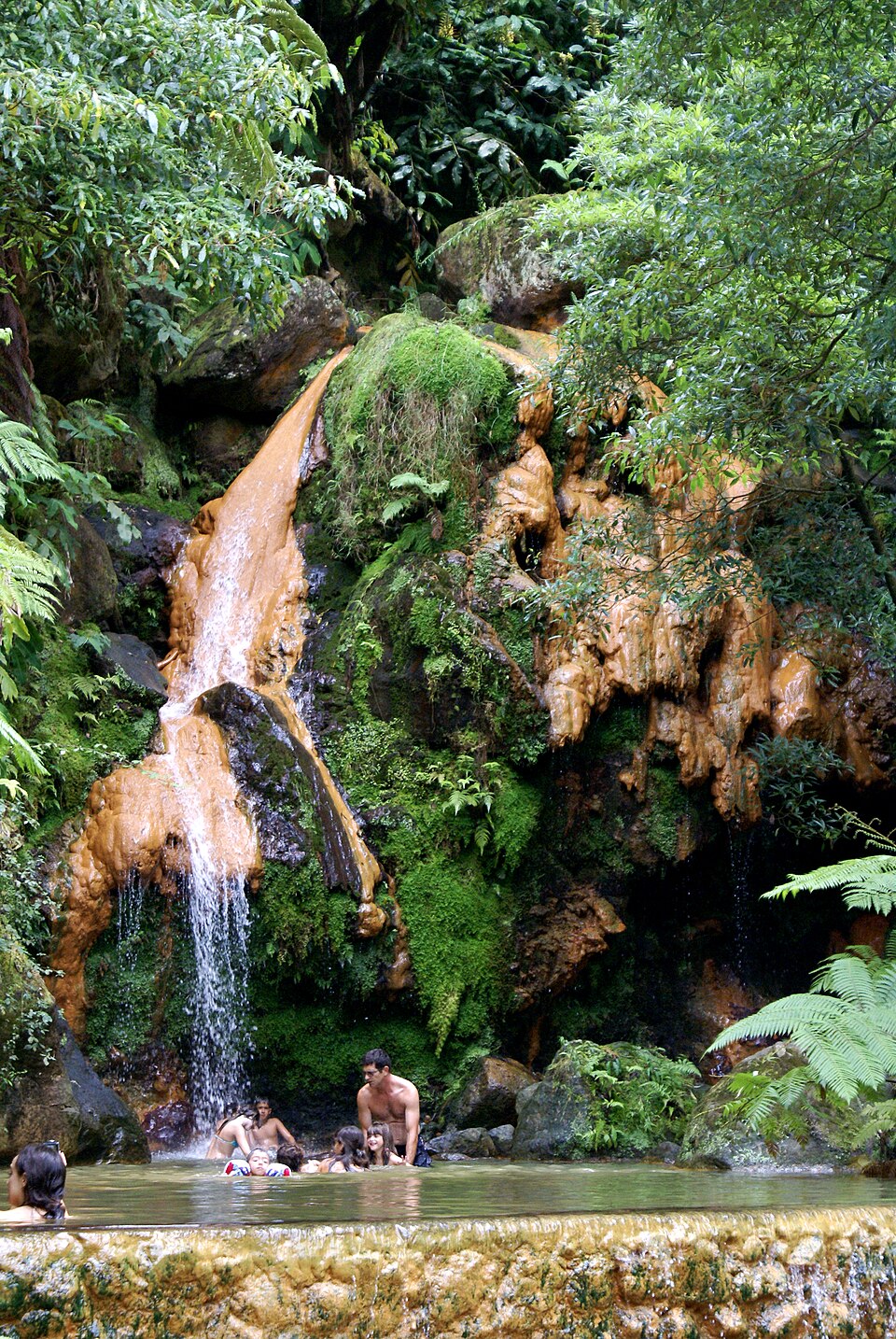
Caldeira Velha Hot Springs

Caldeira Velha Hot Springs

north São Miguel

A natural thermal bathing spot in the forest on the north side of the island, with three small pools of water at between twenty and forty degrees and a waterfall. It is surrounded by tropical vegetation and suits relaxation between trips. The number of visitors is limited.

Tip: Book entry in advance, as capacity is limited. Come early in the morning, when it is least full and the water warmest.

Admission:
about €10
Time needed:
1–2 hrs
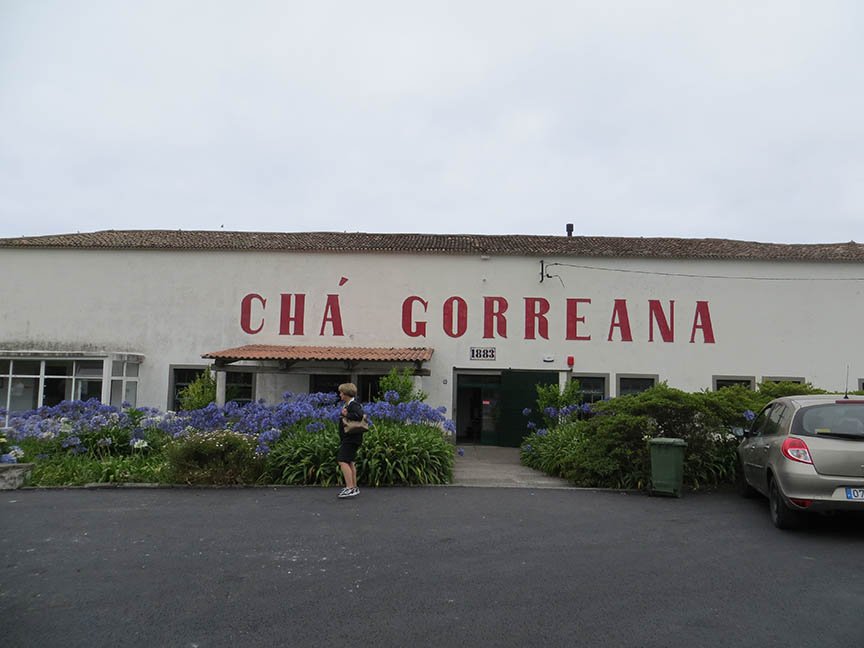
Gorreana Tea Plantation

Gorreana Tea Plantation

north São Miguel

The oldest tea plantation in Europe, running since 1883 on the north coast, its terraces flowing down to the sea. The tea is processed here by hand and in the factory you can taste it free. It is one of only two plantations in Europe where tea is grown commercially.

Tip: The factory visit and tasting are free. Arrive in the morning, when the staff are at work, and buy tea straight from the plantation.

Admission:
free
Time needed:
1 hr
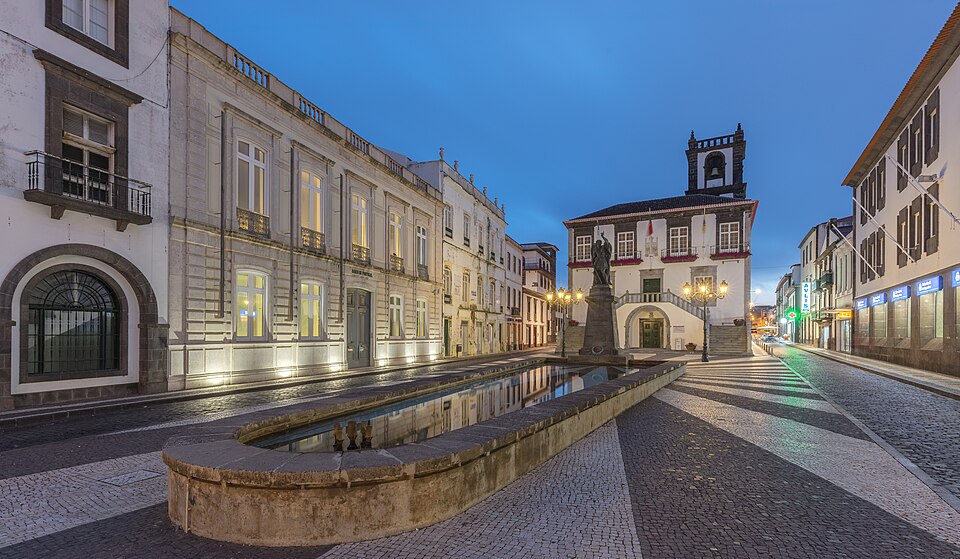
Ponta Delgada

Ponta Delgada

south São Miguel

The capital of the Azores and the largest town of the archipelago, with black-and-white paving, churches and the city gates, the Portas da Cidade. There are a harbour, markets, cafés and restaurants and the best of Azorean cooking. It is a good base and the start of trips.

Tip: Half a day is enough for a stroll round the town. Avoid lunches on the main promenade, as it is cheaper in the side streets.

Admission:
free
Time needed:
half a day
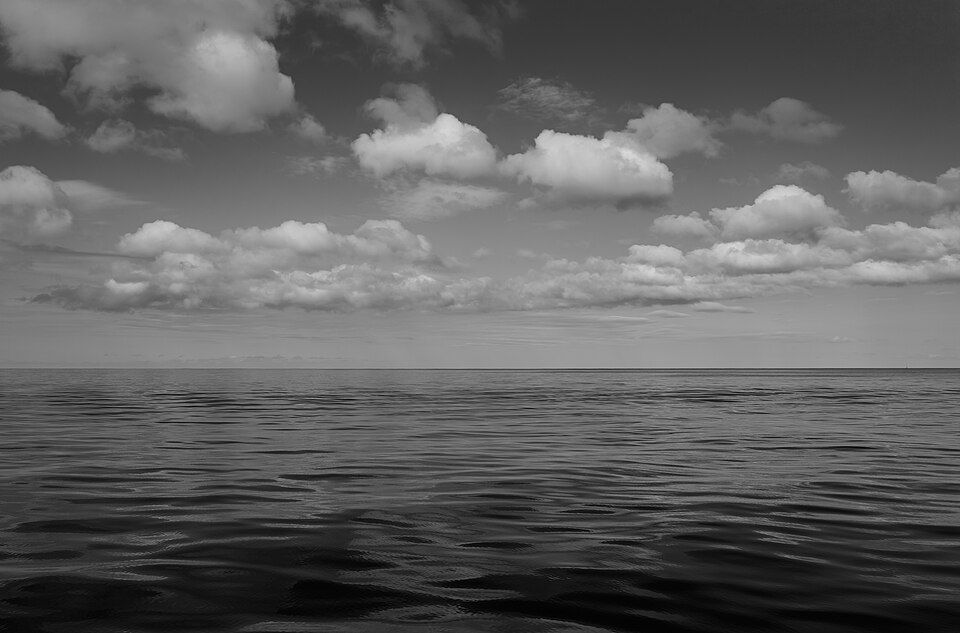
Whale Watching

Whale Watching

Ponta Delgada

The Azores are one of the best places in the world to watch whales and dolphins. Trips run from April to October and you can see sperm whales, orcas and regularly dolphins. The trip takes three hours and the chance of a sighting is high.

Tip: Choose a licensed operator with an experienced guide who follows the protection rules. Bring a windcheater, as it is cold at sea.

Admission:
from €55
Time needed:
3 hrs
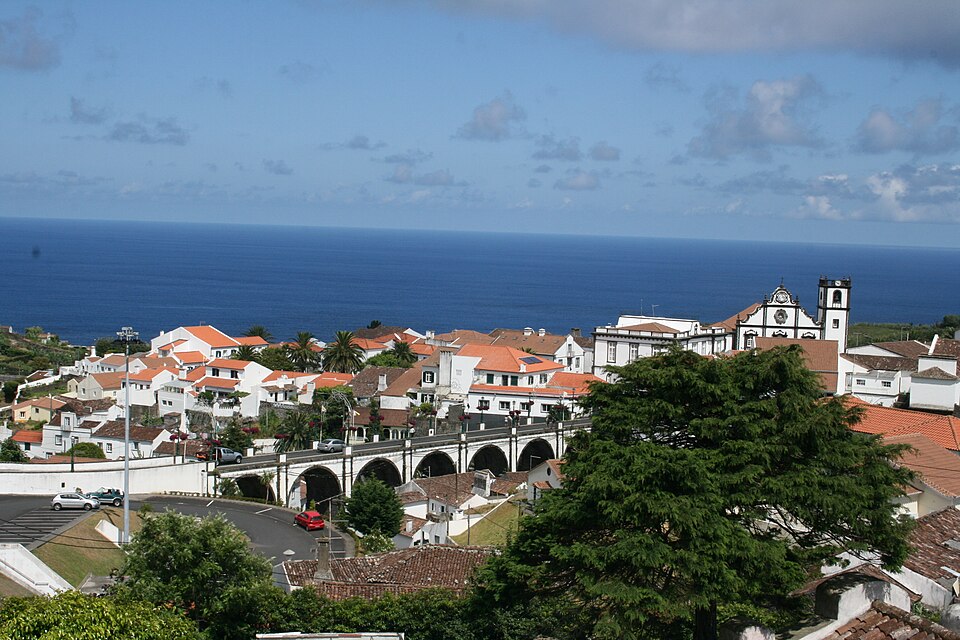
Nordeste and Ponta do Sossego

Nordeste and Ponta do Sossego

east São Miguel

The green and wild east of the island with villages among rocky cliffs, waterfalls and the Ponta do Sossego viewpoint, from which there is a view of the sea. The road winds and is always green. It is the calmest and least touristy part of the island.

Tip: Allow an hour and a half from Ponta Delgada and bring a jacket. Choose the viewpoint on a clear day and do not hurry.

Admission:
free
Time needed:
half a day

Photos: The Sete Cidades Lakes — Lacobrigo (CC BY-SA 4.0) · Lagoa do Fogo — José Luís Ávila Silveira/Pedro Noronha e Costa (Public domain) · Furnas and the Fumaroles — Simiprof (CC0) · Terra Nostra Park — Rolfcosar (CC BY-SA 4.0) · Caldeira Velha Hot Springs — José Luís Ávila Silveira/Pedro Noronha e Costa (Public domain) · Gorreana Tea Plantation — Lizard Graphics (CC BY-SA 3.0) · Ponta Delgada — Diego Delso (CC BY-SA 4.0) · Whale Watching — Jules Verne Times Two (CC BY-SA 4.0) · Nordeste and Ponta do Sossego — Abspires40 from Cape Town, South Africa (CC BY 2.0)

Where to stay

Areas and districts, matched to the kind of trip you are taking

Ponta Delgada

Best for: base, restaurants and transport

The capital with hotels and guesthouses, restaurants and the harbour from which trips start. It has the most services and easy transport. Suits a first visit.

Furnas

Best for: hot springs and calm

A mountain village in a crater with thermal springs and Terra Nostra Park. You stay in guesthouses and hotels with spas. Suits rest and cooking in the ground.

Sete Cidades

Best for: calm in the crater

A small village in the crater with a few places to stay and views of the lakes. It is calm and green, but little else. Suits those who want peace.

Ribeira Grande and the north

Best for: surf and tea

The north coast with the town of Ribeira Grande, surf beaches and tea plantations. The atmosphere is authentic and prices lower. Suits travellers who want to get to know the island.

Getting around

From the airport

João Paulo II Airport (PDL) in Ponta Delgada is three kilometres from the centre. From Prague you fly via Lisbon or Porto, or Frankfurt, taking five to seven hours. Buy flights in advance, as in summer they are full. Azores Airlines and ferries serve the islands. From the airport a taxi takes ten minutes to the centre.

Ponta Delgada – João Paulo II Airport (PDL) · 3 km

  • Taxi to the centre· 10 min· €12
  • Bus to the centre· 15 min· €3
  • Car rental· at the airport· €40

Around town

The island is best explored by car; roads are good and the views are everywhere. Buses run sparsely and are not recommended for excursions. Taxis and the Bolt app work in Ponta Delgada. Parking at viewpoints is usually free, but spaces are limited.

Car rentalFor all excursions, book in advance. · €40
Taxi and BoltIn Ponta Delgada and to the airport. · €6
BusLines around the island, sparse services. · €3
On footPonta Delgada and the villages are walkable.

Useful apps: Google Maps, Bolt, Windy, Azores Airlines

When to go

The Azores have an oceanic climate with mild temperatures all year and frequent rain. Summer is warm at around twenty-five degrees and the driest, winter mild at about seventeen. The weather changes from hour to hour, so a jacket is wise. The best time is May to September, with hydrangeas flowering in June and July.

Best time

May to September

What to avoid

December to February (rain and wind)

MonthJanFebMarAprMayJunJulAugSepOctNovDec
Day17°17°18°19°21°23°25°26°25°22°19°18°
Night12°12°12°13°14°16°18°19°18°16°14°13°
Rainy days1715151197569131617
Sea17°16°16°16°17°18°20°22°22°21°19°18°

Food & drink

Azorean cooking is agricultural and fish-based: meat from local pastures, cheeses, fresh fish and seafood. Dishes are cooked slowly and heartily and a meal costs around ten to twenty euros. The best is cozido das Furnas, cooked in hot ground.

What to try

Cozido das Furnas

Meat, sausages and vegetables cooked for six hours in a pot buried in hot volcanic ground. Served in restaurants in Furnas and a symbol of the island.

Fresh fish and limpets

Grilled fish, tuna and limpets (lapas) with butter and garlic. Fresh and simple.

Queijo de São Jorge

A matured cow's-milk cheese from São Jorge island, strong and slightly peppery. Eaten with bread and jam.

Linguiça

A pork sausage with paprika and garlic, grilled or fried. Served with bread or potatoes.

Bolo lêvedo

A sweet bread muffin from Furnas, eaten with butter or cheese. Found in bakeries.

Azorean pineapple

Small, sweet pineapples grown in greenhouses. A special variety from São Miguel.

Azorean tea and liqueur

Tea from the Gorreana and Porto Formoso plantations, and a passion-fruit liqueur. Good souvenirs.

What it costs

Coffee

€1–1.5

Lunch in a restaurant

€10–18

Cozido das Furnas

€15–22

Terra Nostra

€8

Whale watching

€55–75

Car rental (day)

€40–70

3★ hotel (night)

€70–130

Taxi from the airport

€12

Indicative prices that change over time — treat them as a guide, not a price list.

Practical information

SocketsCEuroplug, two round pinsFSchuko
Voltage230V / 50Hz
Tap waterTap water is drinkable — Tap water in the Azores is safe and drunk without restriction. The islands have excellent spring water.
TippingTipping is not obligatory; in a restaurant leave five to ten per cent. Rounding up is usual.
Driving on theright
SafetyThe Azores are very safe. Mind the weather: mist in the hills and sudden changes make the roads dangerous, and the sea has currents. Do not go to the edges of craters in fog. The emergency number is 112.
Opening hoursShops are open from nine to five, longer in tourist places. On Sunday most are closed. Restaurants serve lunch from noon and dinner from seven.
Customs & etiquetteAzoreans are friendly and polite; greet with 'bom dia'. When watching whales follow the rules. In parks do not pick plants or interfere with nature.
A few local wordsGood day — Bom diaThank you — Obrigado / ObrigadaPlease — Por favorHow much is it? — Quanto custa?Cheers — SaúdeThe bill, please — A conta, por favorWhere is the toilet? — Onde é a casa de banho?

How to plan your days

1 day

A day on São Miguel

  1. 1Morning Sete Cidades and the Vista do Rei viewpoint.
  2. 2Lunch in Mosteiros.
  3. 3Afternoon Ponta Delgada and a stroll.
  4. 4Evening dinner with fish and limpets.

2 days

Two days: lakes and hot springs

  1. 1Day one as above.
  2. 2Day two morning Lagoa do Fogo.
  3. 3Afternoon Furnas and a dip in Terra Nostra Park.
  4. 4Evening cozido das Furnas.

3 days

Three days: São Miguel

  1. 1Days one and two as above.
  2. 2Day three whale watching.
  3. 3Afternoon the Gorreana tea plantation.
  4. 4Evening return and rest.

Day trips

Terceira

150 km · 30 min by plane

An island with the UNESCO town of Angra do Heroísmo, volcanic caves and bull-running festivals. Flights run from Ponta Delgada several times a day.

Pico

330 km · 1 hr by plane

An island with the highest point in Portugal, the volcano Pico, 2,351 metres high. The climb takes six hours and needs a guide and good weather.

Santa Maria

90 km · 25 min by plane

The southernmost and driest island of the Azores with white beaches and vineyards. It is a calm place for rest.

Frequently asked questions

How long should I stay in the Azores?+

For São Miguel four to five days are enough: lakes, hot springs, a plantation and whales. For more islands you need a week to ten days. Trips to other islands suit a day or two.

When is the best time to visit?+

May to September, when it is warm at around twenty-five degrees and rains least. Hydrangeas flower in June and July. Whales are watched from April to October.

How do I get to the Azores from Prague?+

Via Lisbon or Porto, or Frankfurt. The journey takes five to seven hours and it is wise to buy tickets in advance. In summer flights are full.

Do I need a car?+

Yes, to see the island comfortably a car is essential. Roads are good and viewpoints lie on all routes. Public transport is sparse.

What is the weather like in the Azores?+

Mild and changeable: around seventeen to twenty-six degrees, with frequent showers and mist. It is said there are four seasons in a day. Bring a jacket and layers.

Is it safe to bathe in the thermal pools?+

Yes, the Terra Nostra and Caldeira Velha thermal pools are safe, with warm water that contains iron that stains swimwear. Do not bathe in natural springs not intended for it. Mind the water temperature.

What should I try to eat?+

Cozido das Furnas, fresh fish, São Jorge cheese and Gorreana tea. With that, Azorean pineapple and passion-fruit liqueur. Food is cheap and large.

Are the Azores good with children?+

Yes, beaches with a gentle entry, thermal pools and whale watching delight children. The weather changes, so have a plan B. Transport has to be planned by car.

Visa Requirements

Check the latest visa requirements for entering this country. Some nationalities may need to apply for a visa or e-visa before travel.

Check visa requirements

Language

Portuguese

Currency

EUR

Timezone

Atlantic/Azores

Dial Code

+351

Population

10.3M

Area

92,212 km²

Voltage

230V / 50Hz

Driving Side

Right

Top Hotels in Azores

Live prices from 500+ properties

Loading hotels...

Planning a trip to Azores?

Compare hundreds of hotels, find the best price, and book with free cancellation on TravelManiac.