Hotels in Porto

Azulejo-covered churches, a bridge over the Douro, and port wine cellars on the far bank

Porto

LanguageEnglish
CurrencyEUR
TimezoneGMT+0
Temperature12-28 °C
Dial Code+351
Population10.3M
Area92,212 km²
SocketsType C / Type F
Tap waterDrinkable

Discover Porto

Porto is Portugal's second-largest city and the northern, hard-working counterpart to Lisbon. It sits on steep granite slopes above the Douro River, just before it flows into the Atlantic, and its historic center, from the Ribeira waterfront up to the cathedral, is a UNESCO World Heritage Site. Houses faced with blue-and-white azulejo tiles, baroque churches with gilded wood, narrow stepped lanes, and laundry drying in the windows make it one of the most photogenic cities in Europe. The iron Dom Luís I Bridge, designed by a student of Gustave Eiffel, spans the river, and on the opposite bank in Vila Nova de Gaia, barrels of port wine — the drink that gave the city its name — age in long cellars. Porto is cheaper and calmer than Lisbon, with excellent cuisine — from francesinha to grilled sardines — and ocean beaches twenty minutes away by tram. The weather is Atlantic: rainy in winter, warm in summer, often with morning fog rolling in from the sea. From Porto you can head out to the vineyards of the Douro Valley and to Braga and Guimarães.

What to see

The places worth your time in Porto, and what to expect at each

Ribeira waterfront

Ribeira waterfront

Cais da Ribeira

Ribeira

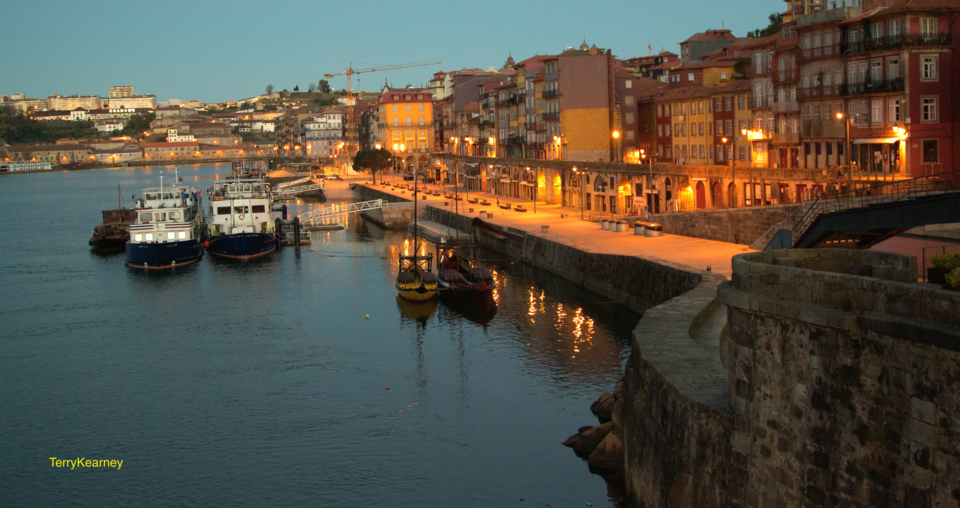
Porto's oldest neighborhood along the Douro River, with narrow, colorful houses stacked on the slope, arcades lined with restaurants, and moored rabelo boats that once carried wine down from the vineyards. The waterfront is the heart of the historic center.

Tip: Restaurants right on the waterfront are pricier and worse than those in the lanes a block up. The prettiest view of Ribeira is from the opposite bank in Gaia or from the bridge's upper deck. A six-bridges river cruise takes fifty minutes, with boats leaving every half hour from both banks, and from the water you can really see how steep Porto is. In the evening the waterfront lights up and street musicians play.

Admission:
free
Time needed:
1–2 h
Dom Luís I Bridge

Dom Luís I Bridge

Ponte Luís I

Ribeira / Gaia

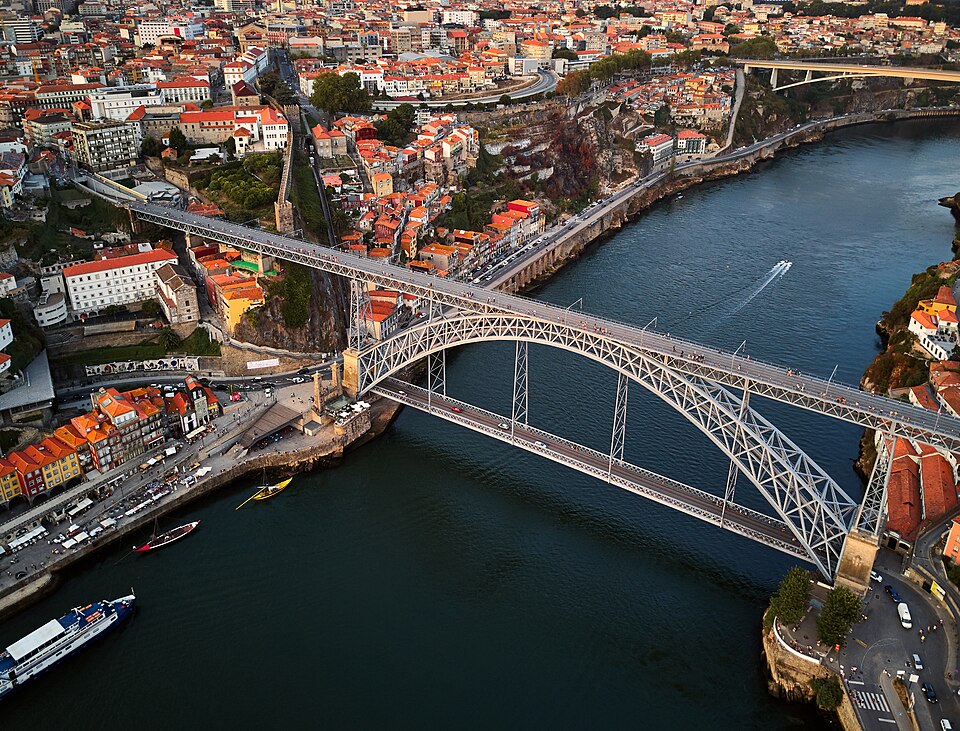
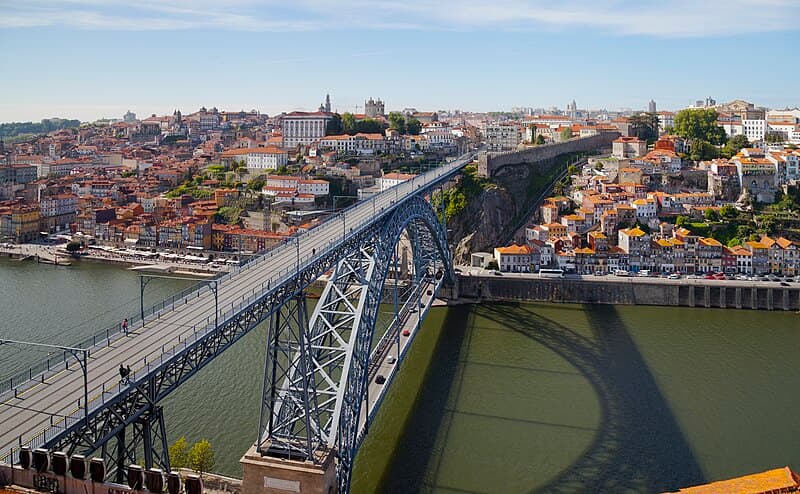
A two-tiered iron arch bridge from 1886, designed by Théophile Seyrig, an associate of Gustave Eiffel, linking Porto with Vila Nova de Gaia. The upper deck, forty-five meters up, carries the metro and pedestrians; the lower deck carries cars.

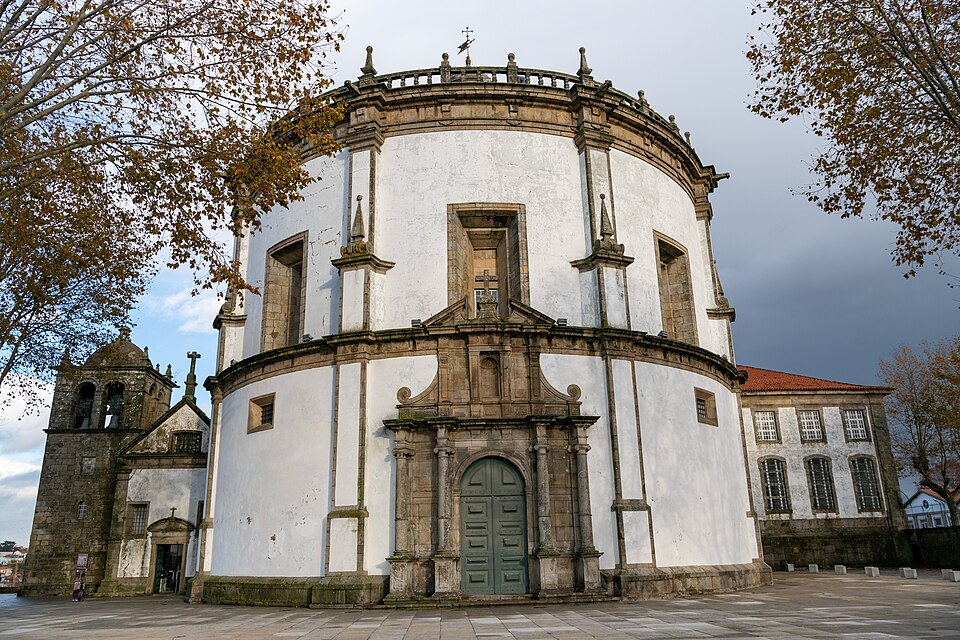
Tip: Cross on the upper deck — the view over Ribeira and the river is the best in the city, but if you're afraid of heights it's a challenge, since the railing is low. On the Gaia side, above, is the Serra do Pilar monastery with its viewing terrace, the best sunset spot in Porto. A cable car (Teleférico) or steps lead down to the Gaia waterfront.

Admission:
free
Time needed:
30 min
São Bento railway station

São Bento railway station

Estação de São Bento

Baixa

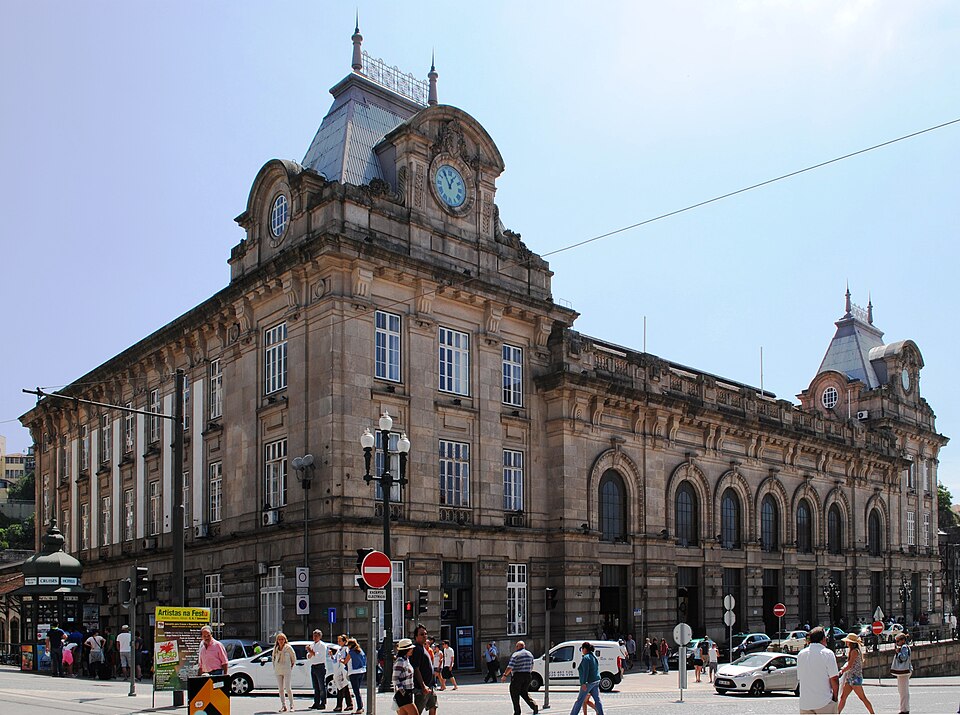
A station from 1916 whose entrance hall is covered in twenty thousand blue-and-white azulejo tiles depicting scenes from Portuguese history and rural life. Artist Jorge Colaço spent eleven years on them. The station is still in use, with trains departing for the Douro.

Tip: Entry is free — come in the morning before the tour groups arrive. Read the wall panels left to right: the Battle of Valdevez, the conquest of Ceuta, and, under the ceiling, the evolution of transport. Regional trains from São Bento run to Pinhão in the Douro Valley, Portugal's most scenic rail route. Rua das Flores, with its cafes, starts right across the street.

Admission:
free
Time needed:
20 min
Clérigos Church and Tower

Clérigos Church and Tower

Torre dos Clérigos

Baixa

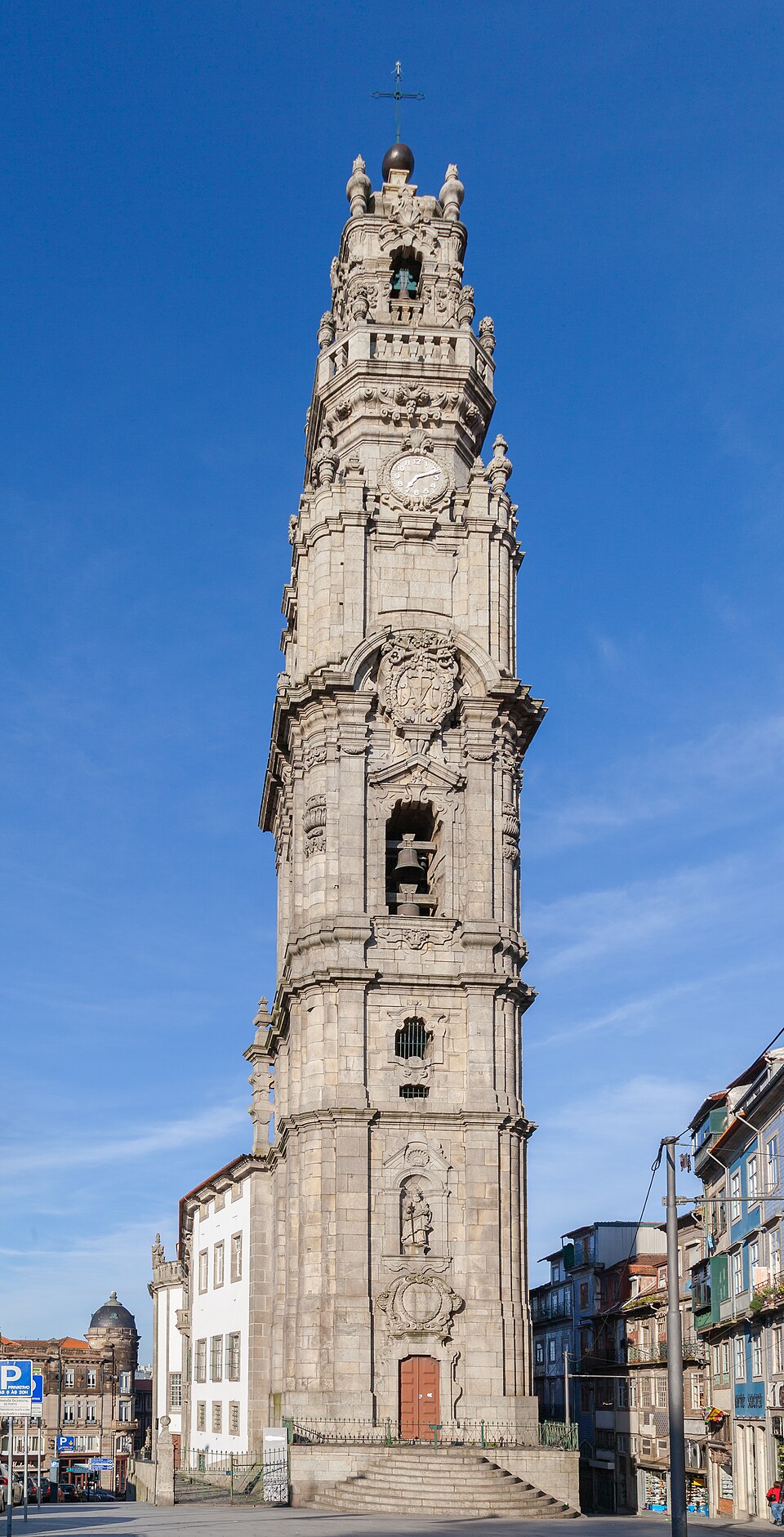
A baroque church with a seventy-five-meter tower from the mid-eighteenth century, a symbol of Porto visible from across the city. Two hundred forty steps lead to the viewing platform. The church has an elliptical nave and a gilded altar.

Tip: Buy timed tickets online, or expect a queue in summer. The best light is in the early evening. The stairwell is narrow, with people passing in opposite directions. Below the tower is Cordoaria park, right next to the Lello bookshop. The tower is lit up at night, and hours are often extended after dark.

Admission:
around 10 €
Time needed:
45 min
Livraria Lello bookshop

Livraria Lello bookshop

Livraria Lello

Baixa

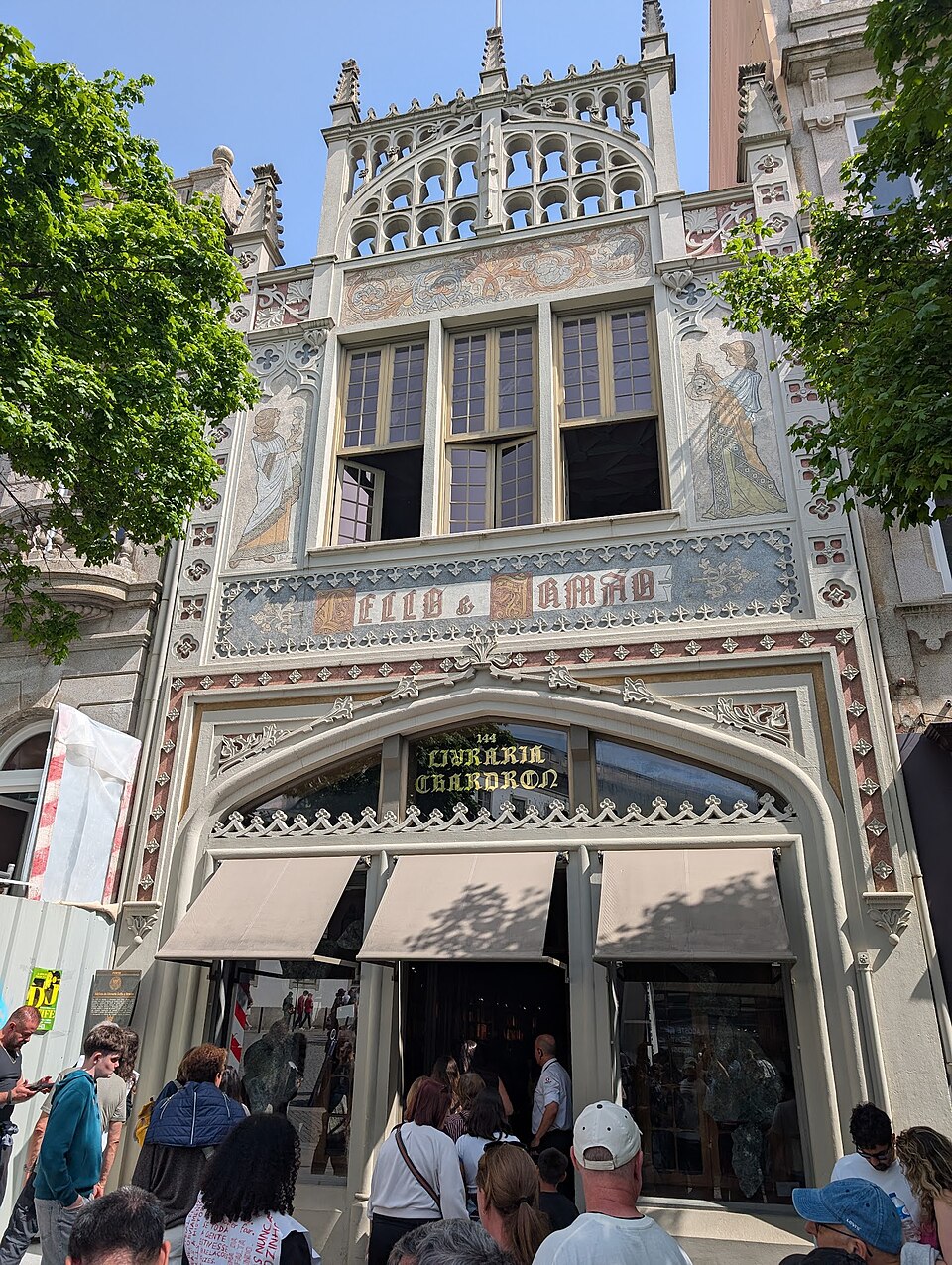
A neo-Gothic bookshop from 1906 with carved wooden shelving, a stained-glass ceiling, and a curved red staircase at its center. It's said to have inspired J. K. Rowling, who once taught English in Porto, though she has denied it herself.

Tip: Tickets are bought online for a specific time slot and are deducted from the price of a book you purchase inside. The first hour after opening has the fewest people. Photography is allowed, but people-free shots are impossible in the crowds. Those who don't want to queue can catch a similar atmosphere for free at Café Majestic on Rua Santa Catarina.

Admission:
around 15 €
Time needed:
30 min
Porto Cathedral (Sé)

Porto Cathedral (Sé)

Sé do Porto

Sé

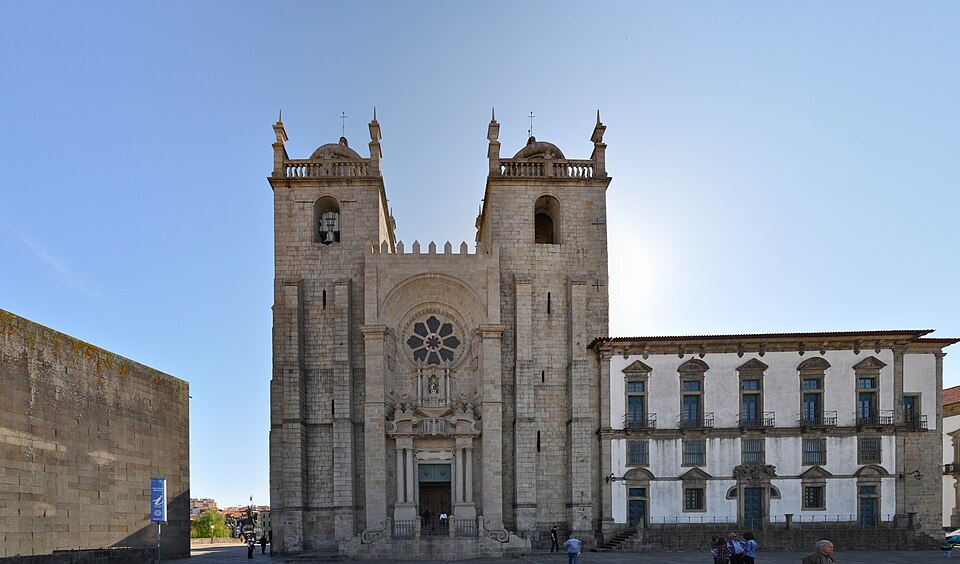
A Romanesque-Gothic cathedral from the twelfth century, sitting at the highest point of the historic center and looking more like a fortress. Its Gothic cloister is covered in eighteenth-century azulejo tiles, and the terrace in front offers a view over Ribeira's rooftops and the river.

Tip: The cathedral itself is free; the cloister and treasury are paid. The terrace in front is the best free viewpoint in the center. Stepped lanes lead down from here to Ribeira — the Barredo neighborhood is Porto's oldest and most authentic. The pillory in the square is only a 1945 replica.

Admission:
cathedral free, cloister around 3 €
Time needed:
45 min
Church of São Francisco

Church of São Francisco

Igreja de São Francisco

Ribeira

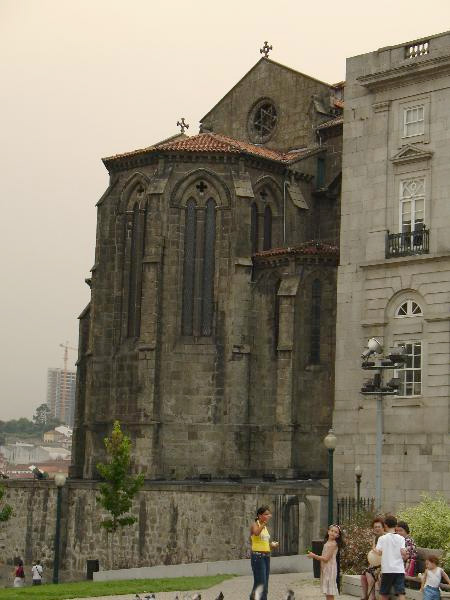
A fourteenth-century Gothic church whose interior is covered in a ton of gold on carved baroque woodwork — the richest gilded interior in Portugal. Beneath the church are catacombs with monks' graves and an ossuary. Right next door stands the Palácio da Bolsa, the former stock exchange, with its Arab Room.

Tip: Photography isn't allowed inside the church, and the gold makes an overwhelming impression precisely because the exterior is so restrained. The ticket includes the catacombs and museum. The Palácio da Bolsa can only be visited with a guide, with English tours every half hour — the Arab Room at the end is reason enough to go.

Admission:
around 10 €
Time needed:
45 min
Port wine cellars in Vila Nova de Gaia

Port wine cellars in Vila Nova de Gaia

Caves do Vinho do Porto

Vila Nova de Gaia

The waterfront on the Douro's south bank, lined with dozens of cellars belonging to houses like Taylor's, Graham's, Sandeman, Cálem, and Ferreira, where port wine ages in oak barrels. Wine used to be shipped here down the river from the vineyards to age in the cool, damp sea air.

Tip: A tour with tasting takes an hour and costs fifteen to thirty euros depending on the number of wines. Taylor's and Graham's sit higher up the slope with terraces overlooking Porto; Cálem and Sandeman are down by the water. Book ahead, especially in summer. The nicest way there is to walk across the bridge's lower deck and return via the upper one.

Admission:
tour from 15 €
Time needed:
1–1.5 h
Serralves Foundation

Serralves Foundation

Fundação de Serralves

Boavista

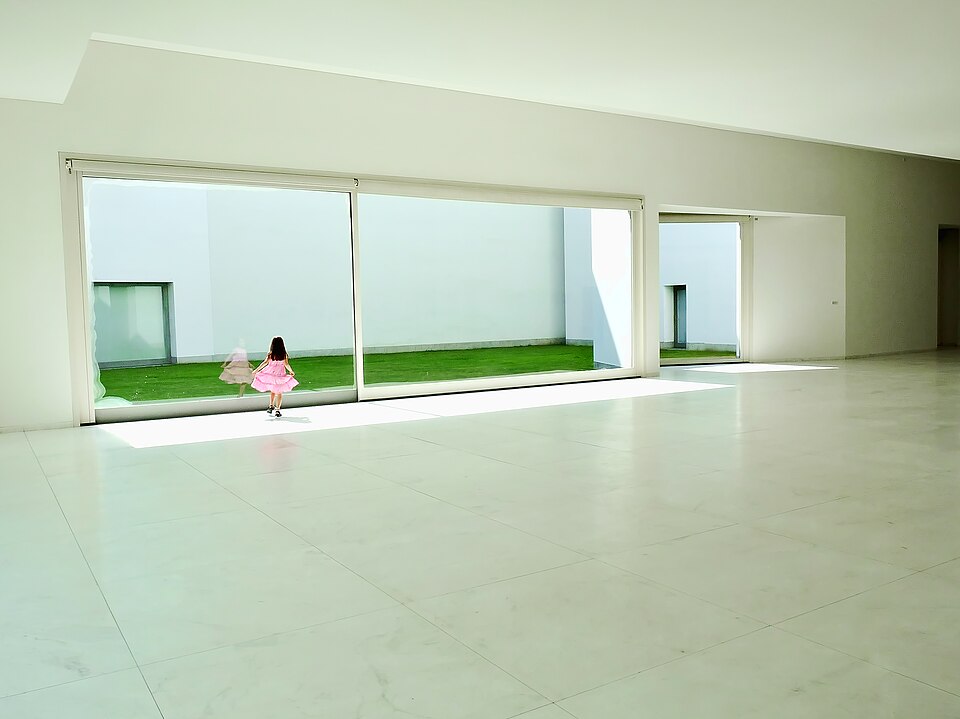
A contemporary art museum designed by Álvaro Siza, a pink art deco villa, and eighteen hectares of grounds with a French garden, woodland, a farm, and a treetop canopy walk. It's the most visited museum in Portugal.

Tip: The park is just as good as the museum — plan on half a day. The treetop canopy walkway is a hit with kids. On the first Sunday of the month, morning entry is free for everyone. Serralves is on the way to Foz, so it pairs well with a walk to the sea. Bus 201 or 203 from the center.

Admission:
around 25 €
Time needed:
2–3 h

Photos: Ribeira waterfront — Terry Kearney from liverpool, merseyside (CC0) · Dom Luís I Bridge — Deensel (CC BY 2.0) · São Bento railway station — HombreDHojalata (CC BY-SA 4.0) · Clérigos Church and Tower — Diego Delso (CC BY-SA 3.0) · Livraria Lello bookshop — Guinness323 (CC0) · Porto Cathedral (Sé) — Laszlo Daroczy from Miskolc, Hungary (CC BY 2.0) · Church of São Francisco — Wikimedia Commons (CC BY-SA 3.0) · Port wine cellars in Vila Nova de Gaia — xiquinhosilva from Cacau (CC BY 2.0) · Serralves Foundation — Geerd-Olaf Freyer from Aachen, Deutschland (CC BY-SA 2.0)

Where to stay

Areas and districts, matched to the kind of trip you are taking

Ribeira and Baixa

Best for: first visit, walkable location

The historic center between the waterfront and Praça da Liberdade, with hotels and apartments in restored buildings. Everything is walkable, though the hills are steep and the streets cobbled. Lively in the evening, noisier near the waterfront. Best for a short stay.

Cedofeita and Bombarda

Best for: cafes, design

A neighborhood of galleries, design shops, and cafes around Rua Miguel Bombarda, a ten-minute walk from Clérigos. Quieter and less touristy, with good restaurants.

Vila Nova de Gaia

Best for: views, port wine

The opposite bank, with hillside hotels overlooking all of Porto, close to the cellars. Ten minutes on foot across the bridge to the center. The best room views, but the hill is steep.

Foz do Douro

Best for: the sea, calm

A neighborhood of villas at the mouth of the Douro, where it meets the ocean, with a promenade, beaches, and fish restaurants. Half an hour to the center by tram 1 or bus. Ideal for a longer stay in summer.

Getting around

From the airport

Flights from Prague to Porto usually involve a connection, most often via Lisbon, Frankfurt, or Paris, though seasonal direct low-cost flights are also available; a direct flight takes three and a half hours. Portugal is in the Schengen area, so Czechs travel with an ID card. Francisco Sá Carneiro Airport is fifteen kilometers from the center and connected by metro. The Alfa Pendular high-speed train runs from Porto to Lisbon in under three hours.

Porto Francisco Sá Carneiro (OPO) · 15 km

  • Metro line E to the center· 30 min· 2.60 €
  • Bolt / Uber· 20 min· 15 €
  • Taxi· 20 min· 25 €

Around town

The historic center is compact but very hilly — comfortable shoes are essential. The metro has six lines, and tickets are loaded onto an Andante card, bought at a machine. Historic tram 1 runs along the waterfront to Foz, while line 22 circles the center. A cable car (Teleférico) climbs up in Gaia, and the Guindais funicular connects Ribeira with upper Baixa. Bolt and Uber are cheap. Trains to the Douro leave from São Bento and Campanhã stations.

Metro and busAndante card, fare by zone. · 1.40 €
Tram 1 to FozHistoric tram along the waterfront. · 6 €
Guindais funicularFrom Ribeira up to Batalha. · 4 €
Bolt / UberCheap taxi alternative. · 5 €

Useful apps: Google Maps, Moovit, Bolt, IPMA

When to go

The best time is May to October, when it's twenty to twenty-five degrees with little rain. In July and August it's warm, but mornings often bring fog off the ocean, and the sea stays cold, around seventeen degrees. St. John's Night, from June 23 to 24, is the biggest celebration of the year — the whole city parties until dawn, people bop each other on the head with plastic hammers, and paper lanterns are released into the sky. Winter, from November to March, is mild but rainy, with ten to fourteen rainy days a month. Late September and October bring the grape harvest in the Douro Valley.

Best time

May–October

What to avoid

December–February, due to rain

MonthJanFebMarAprMayJunJulAugSepOctNovDec
Day14°15°17°18°20°23°25°25°24°21°17°15°
Night5°6°8°9°12°14°16°16°15°12°9°7°
Rainy days1411101195336111214
Sea14°13°14°14°15°16°17°18°18°17°16°15°

Food & drink

Porto is one of the best cities for food in Portugal, and northern cuisine is heartier than in the south. Its symbol is the francesinha, a giant sandwich with cheese and sauce, and tripe, which is why locals are nicknamed tripeiros. The fish restaurants in Matosinhos on the northern coast, twenty minutes by metro, grill fish right on the street and rank among the best in the country. The Bolhão market, renovated in 2022, is the place for fresh produce and small bistros. A lunch menu for ten to fifteen euros is available everywhere in the local tascas. Port wine is drunk as both an aperitif and a digestif, and vinho verde from the Minho region goes with fish. Prices are lower than in Lisbon.

What to try

Francesinha

Porto on a plate: toast with ham, sausage, and steak, smothered in melted cheese and a beer-and-tomato sauce, topped with an egg and served with fries. One portion is enough for a whole day.

Tripas à moda do Porto

Tripe with white beans and cured sausage — the reason Porto's residents are nicknamed tripeiros. Legend says that in 1415 they gave all the meat to the sailors and kept only the innards for themselves.

Bifana

A thin slice of pork marinated in garlic and wine, served in a soft bun — fast food for three to five euros. Traditionally washed down with a small draft beer called fino.

Bacalhau

Dried, salted cod, Portugal's national ingredient, prepared in hundreds of ways. The most common are bacalhau à brás (shredded with matchstick fries and egg) and bacalhau com natas. It's desalted for two days before cooking, so you can't just whip it up at home from scratch.

Sardinhas assadas

Sardines grilled over charcoal, eaten with bread and boiled potato. In season from June to October; outside that window they're frozen and not worth it.

Caldo verde

Potato soup with shredded kale and a slice of chouriço sausage. Cheap, filling, and found in every neighborhood eatery; typically served as a starter before dinner.

Port wine

A fortified wine from the Douro Valley, aged in cellars in Gaia. Tawny is brown and nutty, ruby is fruity, and white port is drunk with tonic as an aperitif.

Pastel de nata

A puff-pastry cup filled with custard cream, served warm with cinnamon and powdered sugar. Around a euro twenty at a bakery, double that by the beach.

What it costs

Espresso

0.90–1.50 €

Pastel de nata

1.30–1.80 €

Francesinha

12–16 €

Lunch menu at a tasca

10–15 €

Dinner at a restaurant

25–40 €

Glass of port

3–6 €

Cellar tour with tasting

from 15 €

Night at a 3-star hotel, double room

90–150 €

Indicative prices that change over time — treat them as a guide, not a price list.

Practical information

SocketsCEuroplug, two round pinsFSchuko
Voltage230V / 50Hz
Tap waterTap water is drinkable — Tap water is drinkable and monitored throughout Portugal, though in the south and on the islands it can be hard and taste of chlorine. Bottled water costs around thirty cents for a liter and a half at the supermarket. Restaurants don't normally serve tap water — order 'água' and they'll bring a bottle and charge for it.
TippingTipping isn't expected in Portugal, and the Portuguese themselves leave little — small change at a cafe, five percent or rounding up at a restaurant. Ten percent is generous and given only for truly good service. Card terminals usually have no tip option, so it's left in cash on the table.
Driving on theright
SafetyThe main risk is practically just pickpocketing, on trams, at the market, and at restaurant terraces where a bag is hung on a chair back. Carry documents and money separately. Evenings are safe even in the center; the only thing tourists really encounter is street dealers offering drugs, who leave after one 'no, thank you'. The emergency number is 112, and the operator speaks English.
Opening hoursSmaller shops take a midday break roughly from one to three; shopping malls run continuously until ten at night, including Sundays. Museums are closed on Mondays, and many offer free entry on Sunday mornings. Restaurant kitchens open for lunch at noon and for dinner at half past seven; arrive at six and you'll find only the bar open.
Customs & etiquetteLunch runs between noon and two, dinner after half past seven — the Portuguese eat earlier than the Spanish. Whatever the waiter brings to the table unordered (olives, pâté, cheese, bread) is the couvert and is charged; if you don't want it, simply hand it back politely and it won't be billed. Greetings are a handshake, or two kisses between acquaintances. Swimwear belongs on the beach, not in a shop or a café on the promenade.
A few local wordsHello — Bom diaThank you (male / female speaker) — Obrigado / ObrigadaPlease — Por favorThe bill, please — A conta, por favorCheers — Saúde

How to plan your days

1 day

Porto in one day

  1. 1Morning at São Bento station and the Sé cathedral.
  2. 2Down the Barredo lanes to Ribeira.
  3. 3Lunch and a six-bridges river cruise.
  4. 4Afternoon across the bridge to the wine cellars in Gaia.
  5. 5Sunset at Serra do Pilar.

2 days

Two days in Porto

  1. 1Day 1: São Bento, the Sé, Ribeira, the Church of São Francisco.
  2. 2Day 1 afternoon: port wine cellars in Gaia.
  3. 3Day 2: Clérigos and the Lello bookshop.
  4. 4Day 2 afternoon: Serralves and Foz via tram 1.
  5. 5Day 2 evening: dinner in Matosinhos.

3 days

Three days with the Douro Valley

  1. 1Day 1: the historic center and Ribeira.
  2. 2Day 2: train to Pinhão in the Douro Valley, winery visit.
  3. 3Day 3: Clérigos, Lello, the Bolhão market.
  4. 4Day 3 afternoon: Serralves and Foz.

Day trips

Douro Valley

120 km · 2.5 h by train

The oldest demarcated wine region in the world, a UNESCO World Heritage Site, with terraced vineyards climbing the steep slopes above the river. A train from São Bento runs to Pinhão, its last seventy kilometers following the river. From Pinhão you can take a boat trip and visit a quinta winery for a tasting. It's most beautiful in September and October during harvest.

Guimarães

55 km · 1 h by train

The birthplace of Portugal, where the first king, Afonso Henriques, was born. A medieval center on the UNESCO list, with a castle, the Palace of the Dukes of Braganza, and Largo da Oliveira square. A cable car climbs Mount Penha. The train from São Bento takes an hour.

Braga

55 km · 1 h by train

Portugal's oldest city and a religious center, with a cathedral and dozens of churches. Above town stands the UNESCO-listed Bom Jesus do Monte sanctuary, with its baroque staircase of six hundred steps and a water-powered funicular from 1882. Braga and Guimarães can be combined into a single day by car.

Frequently asked questions

How many days for Porto?+

Two days for the historic center, Ribeira, the wine cellars, and Serralves. A third day for the Douro Valley, a fourth for Braga and Guimarães. Porto pairs well with Lisbon — the high-speed train takes under three hours.

Porto or Lisbon?+

Lisbon is bigger, busier, and has more monuments and nightlife. Porto is smaller, cheaper, more authentic, and has better food and wine. Ideally you see both cities — five days in Lisbon and three in Porto.

How do I get from the airport to the center?+

By metro line E in thirty minutes; the Z4 ticket is loaded onto an Andante card for sixty cents. Bolt or Uber costs around fifteen euros. A taxi around twenty-five euros.

When is the weather best in Porto?+

From May to October, with temperatures around twenty to twenty-five degrees and little rain. Winter is mild but rainy. In summer there's often morning fog rolling in from the ocean, which burns off by afternoon.

Can you swim in the sea in Porto?+

Yes, at the beaches in Foz and Matosinhos, twenty minutes from the center. The Atlantic is cold, though, around seventeen to eighteen degrees even in August, and the waves can be strong. Matosinhos is popular with surfers.

How much does a port wine cellar tour cost?+

From fifteen to thirty euros with a tasting of two to four wines. Premium tours with tawny and vintage ports cost more. Book ahead — in summer they sell out. Taylor's and Graham's have the best views.

Is Porto expensive?+

No, it's cheaper than Lisbon and comparable to Prague. An espresso costs around a euro, a lunch menu ten to fifteen euros, a glass of port three to six. Hotels in the center are pricier in summer.

Is Porto safe?+

Yes, very. Watch out only for pickpockets on trams, in the metro, and at viewpoints, and for drug dealers in the center, who leave after being turned down once. In the evening the center is safe.

Visa Requirements

Check the latest visa requirements for entering this country. Some nationalities may need to apply for a visa or e-visa before travel.

Check visa requirements

Language

Portuguese

Currency

EUR

Timezone

GMT+0

Dial Code

+351

Population

10.3M

Area

92,212 km²

Voltage

230V / 50Hz

Driving Side

Right

Top Hotels in Porto

Live prices from 500+ properties

Loading hotels...

More destinations in Portugal

Planning a trip to Porto?

Compare hundreds of hotels, find the best price, and book with free cancellation on TravelManiac.