Hotels in Crete

Uncover ancient history and dramatic landscapes in Crete

Crete

LanguageGreek
CurrencyEUR
TimezoneEurope/Athens
Temperature12-33 °C
Dial Code+30
Population10.4M
Area131,957 km²
SocketsType C / Type F
Tap waterBottled advised

Discover Crete

Crete, the largest of the Greek islands, is a remarkably diverse destination that seamlessly blends ancient history, dramatic natural landscapes, and a vibrant local culture. This sun-drenched island appeals to archaeological enthusiasts eager to explore Bronze Age ruins, outdoor adventurers ready to tackle deep gorges, and beach lovers seeking unique pink-sand shores and turquoise lagoons. Whether you are wandering through the atmospheric Venetian harbours of Chania and Rethymno, dining on exceptionally fresh Mediterranean cuisine in a mountain taverna, or relaxing at a luxury resort in Elounda, Crete offers an authentic and independent travel experience. It is an ideal destination for families, couples, and solo travellers who want to set their own pace while exploring historic monasteries, world-class museums, and scenic coastal villages.

What to see

The places worth your time in Crete, and what to expect at each

Knossos Palace

Knossos Palace

Κνωσός

Heraklion regional unit

As the ceremonial and political heart of the ancient Minoan civilization, this Bronze Age archaeological site is the largest on Crete. Visitors can explore the ruins of a highly sophisticated society, marvel at the restored frescoes, and see the legendary Throne Room, which brings ancient Greek myths to life.

Tip: Visit early in the morning or late in the afternoon to avoid the largest crowds and the midday heat.

Admission:
EUR 15.00
Time needed:
2-3 h
Samaria Gorge

Samaria Gorge

Φαράγγι Σαμαριάς

Chania regional unit

Stretching for 16 km through a major national park and UNESCO World Biosphere Reserve, this is one of Europe's longest gorges. The challenging hike takes you through dramatic cliffs and beautiful natural landscapes filled with diverse flora and fauna, ending at the coastal village of Agia Roumeli.

Tip: Wear sturdy hiking shoes, bring plenty of water, and start early to catch the last ferry from Agia Roumeli.

Admission:
EUR 5.00
Time needed:
4-7 h
Elafonisi Beach

Elafonisi Beach

Ελαφόνησος

Chania regional unit

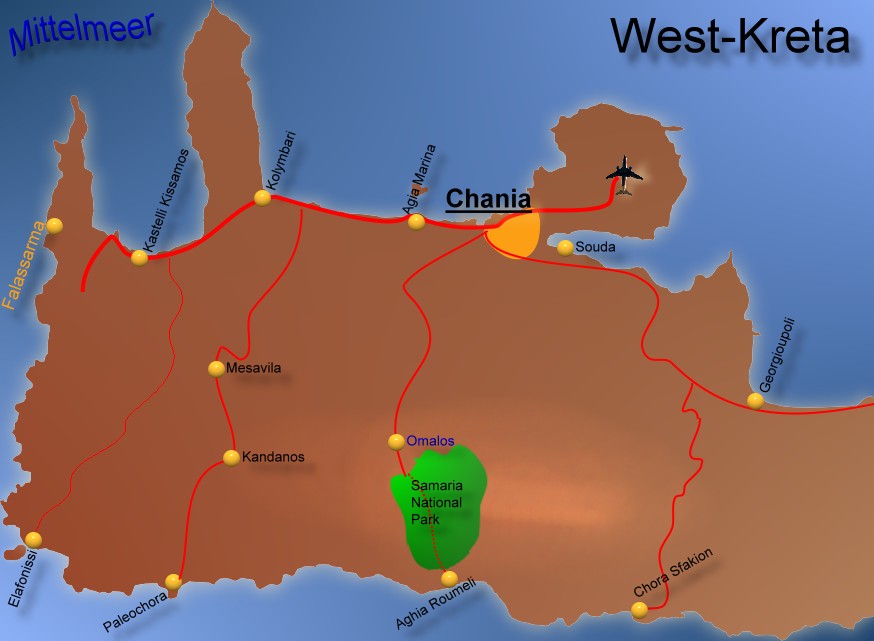
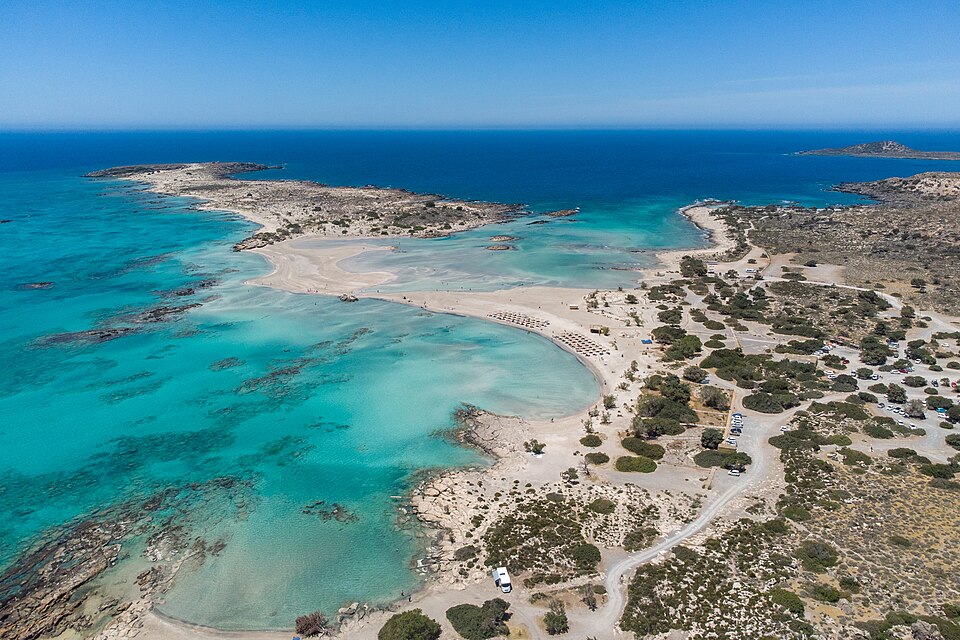
Famous for its stunning pink-hued sand and crystal-clear shallow waters, this iconic beach often forms a beautiful, tranquil lagoon. It is a highly picturesque destination perfect for swimming, sunbathing, and wading through the calm waters to explore the small coves of the adjacent islet.

Tip: Walk across the shallow lagoon to the small island of Elafonisi for more secluded spots and avoid taking any sand.

Admission:
free
Time needed:
4-8 h
Balos Lagoon

Balos Lagoon

Λιμνοθάλασσα Μπάλου

Chania regional unit

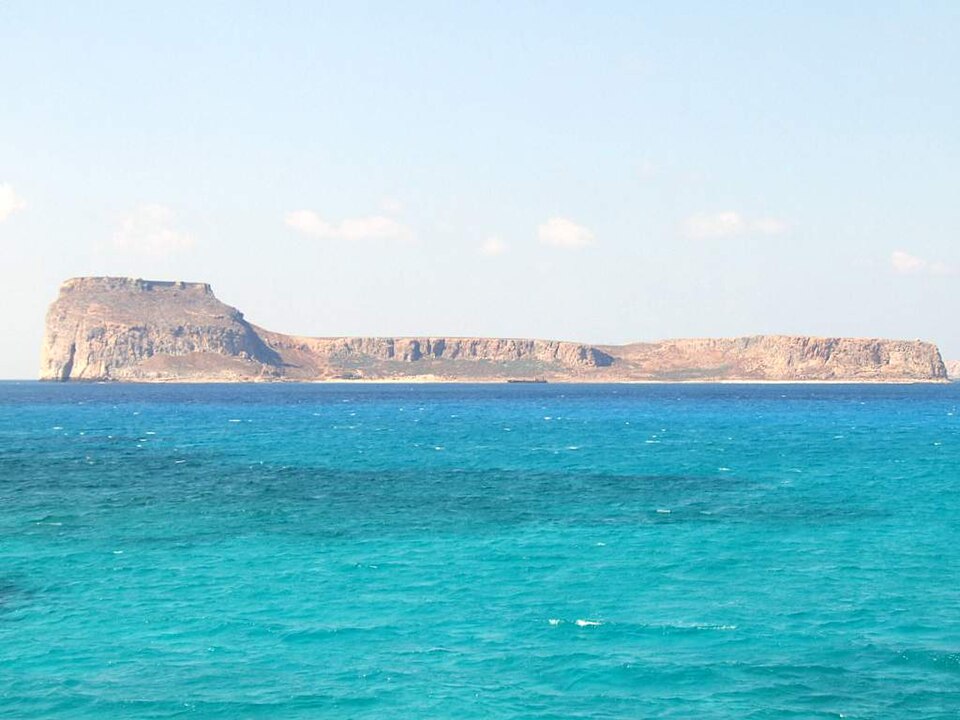
This exotic lagoon offers breathtaking natural beauty with its striking turquoise waters and fine white sand. Situated in western Crete, it sits adjacent to the historic Gramvousa Island, where visitors can climb up to a Venetian fortress to enjoy panoramic views of the dramatic coastal landscape.

Tip: Taking a boat trip from Kissamos is a much more relaxed option than driving the rough dirt road and walking down.

Admission:
free
Time needed:
6-8 h
Rethymno Old Town

Rethymno Old Town

Παλιά Πόλη Ρεθύμνου

Rethymno regional unit

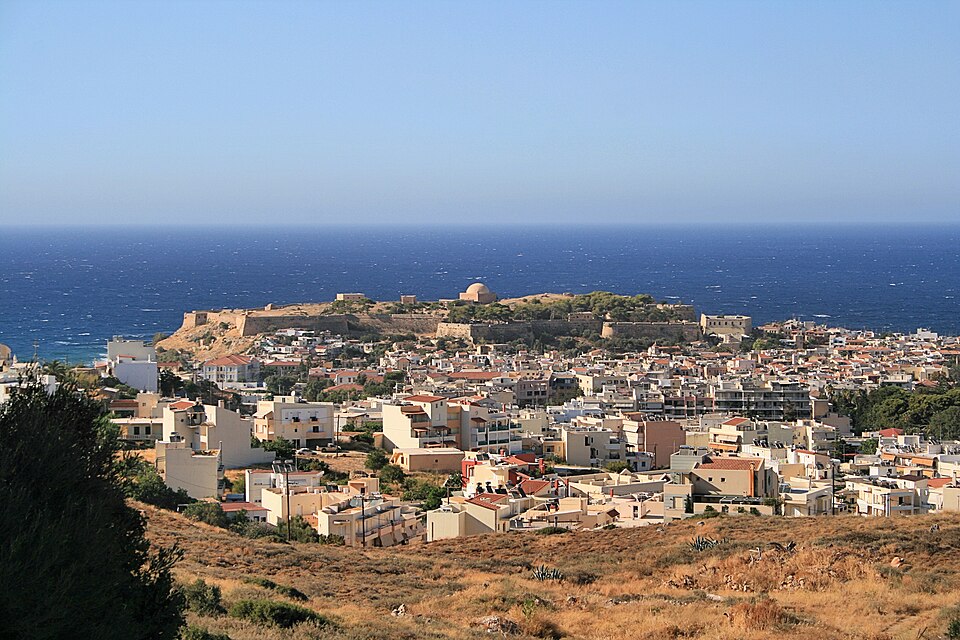
A beautifully preserved historic town characterised by a labyrinth of narrow streets, Ottoman architecture, and a charming Venetian-era harbour. Walking through these picturesque alleys reveals centuries of history, lively waterfront dining spots, and impressive historic structures.

Tip: Climb to the top of the Fortezza Venetian fortress in the evening when the streets are lit and bustling.

Admission:
free
Time needed:
4-8 h
Chania Venetian Harbour

Chania Venetian Harbour

Ενετικό Λιμάνι Χανίων

Chania regional unit

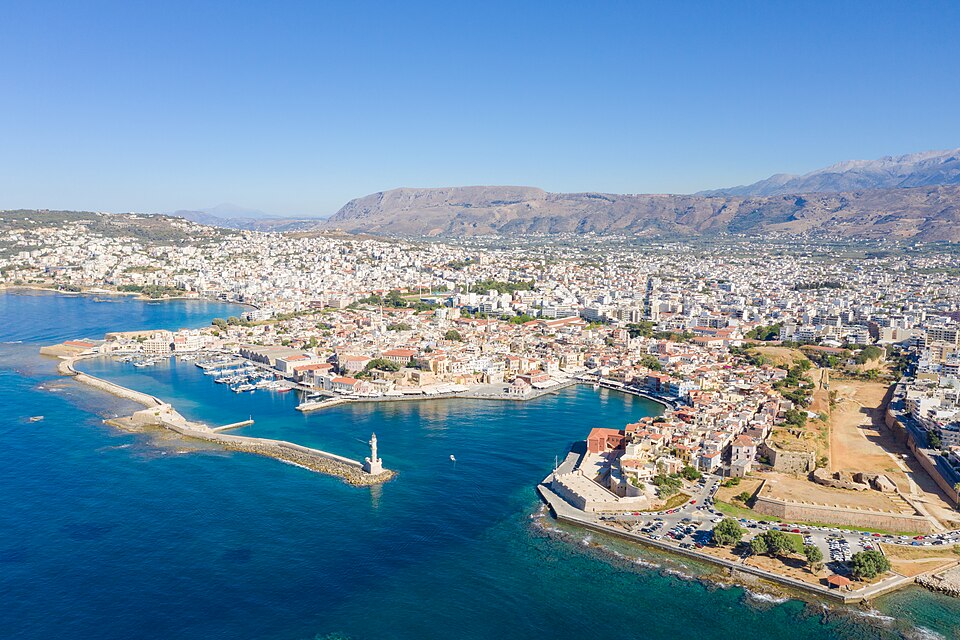
Dominated by a striking 16th-century lighthouse, this picturesque harbour is lined with elegant Venetian mansions and bustling waterfront restaurants. It is the perfect place for a romantic evening stroll, offering a vibrant dining scene and beautiful views of the sea.

Tip: Explore the quiet backstreets behind the main harbour to find hidden artisan shops and traditional tavernas.

Admission:
free
Time needed:
2-4 h
Spinalonga Island

Spinalonga Island

Σπιναλόγκα

Lasithi regional unit

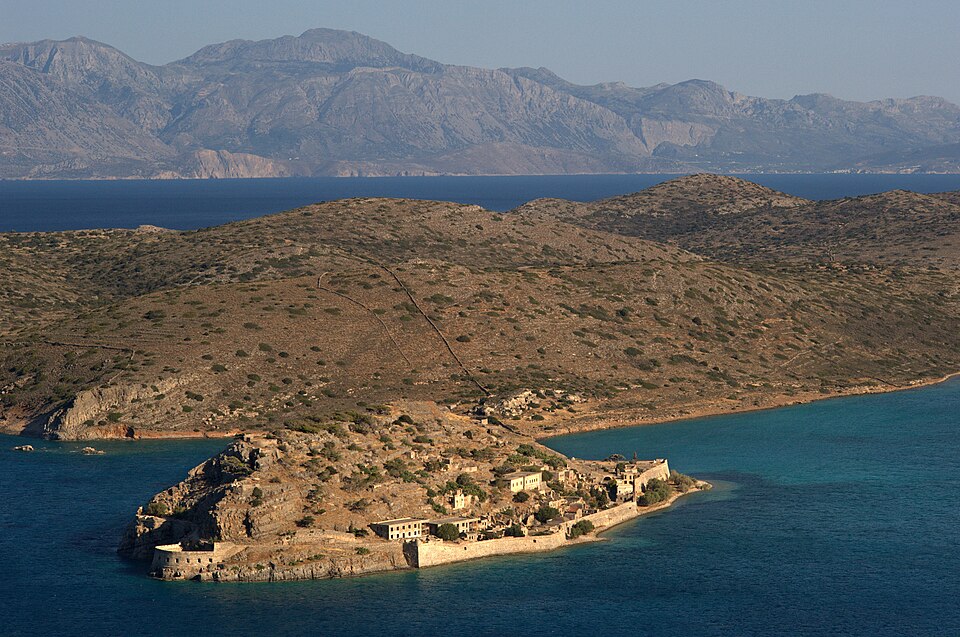
This small island fortress holds a moving history, having served as a leper colony from 1903 to 1957. Today, visitors can walk through the well-preserved Venetian fortifications, explore the abandoned settlement, and take in the beautiful, quiet views of the surrounding bay.

Tip: Take an early morning boat from Elounda or Plaka to avoid the crowds and bring your own drinking water.

Admission:
EUR 8.00
Time needed:
2-3 h
Heraklion Archaeological Museum

Heraklion Archaeological Museum

Αρχαιολογικό Μουσείο Ηρακλείου

Heraklion regional unit

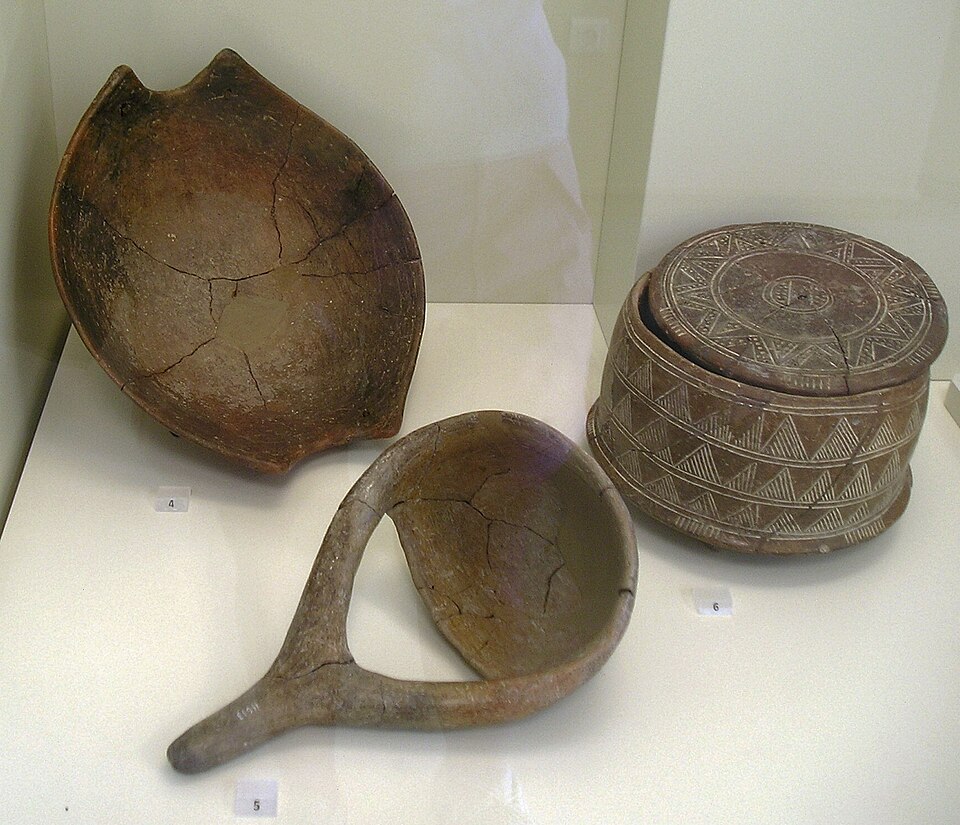
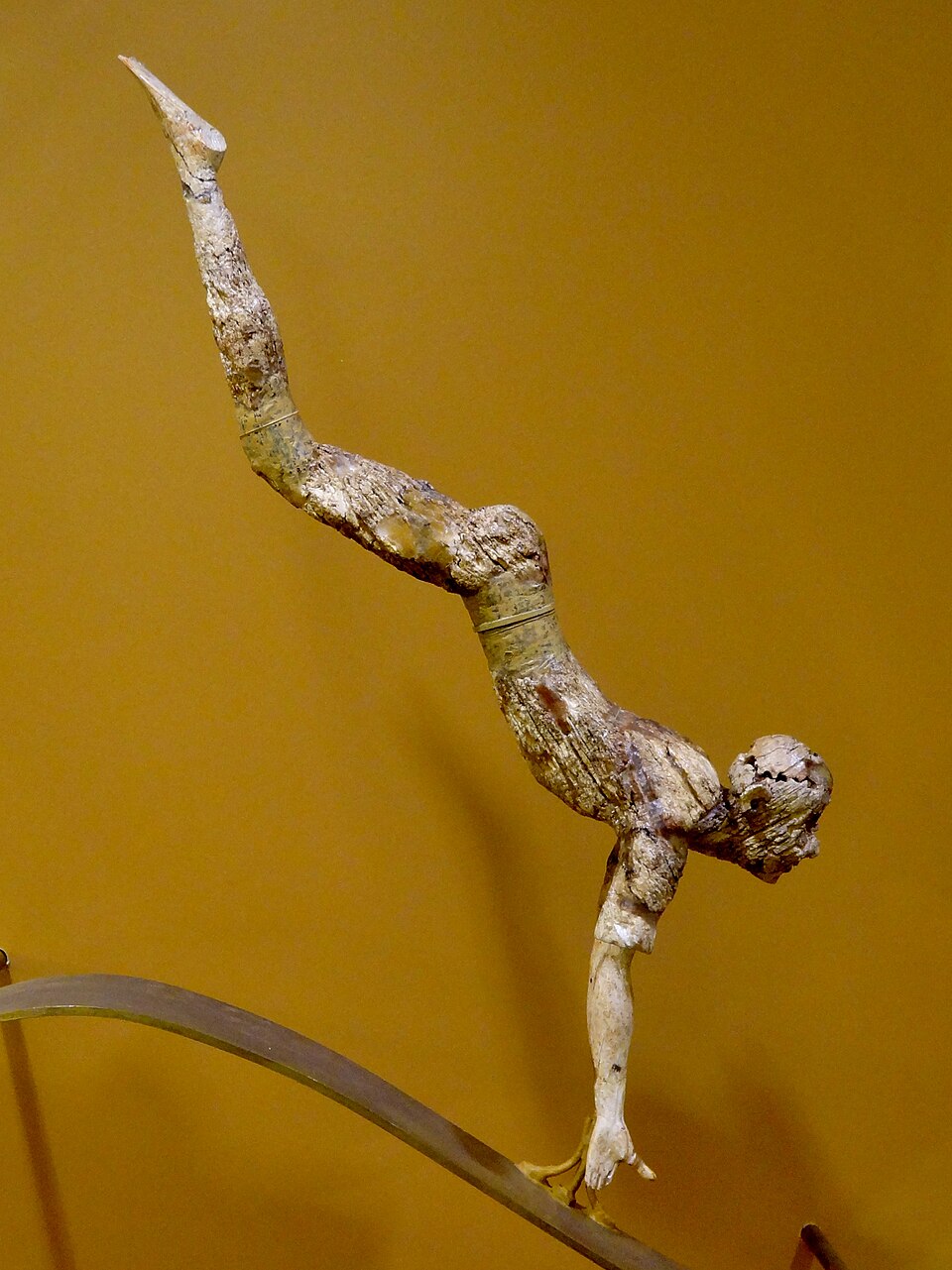
One of the most important museums in Greece, this central Heraklion institution houses the world's most significant collection of Minoan art. Visitors can view exquisite original frescoes, intricate jewellery, pottery, and sculptures recovered from Knossos and other ancient sites.

Tip: Visit this museum after exploring Knossos Palace to better appreciate the incredible artifacts in their proper context.

Admission:
EUR 12.00
Time needed:
2-3 h
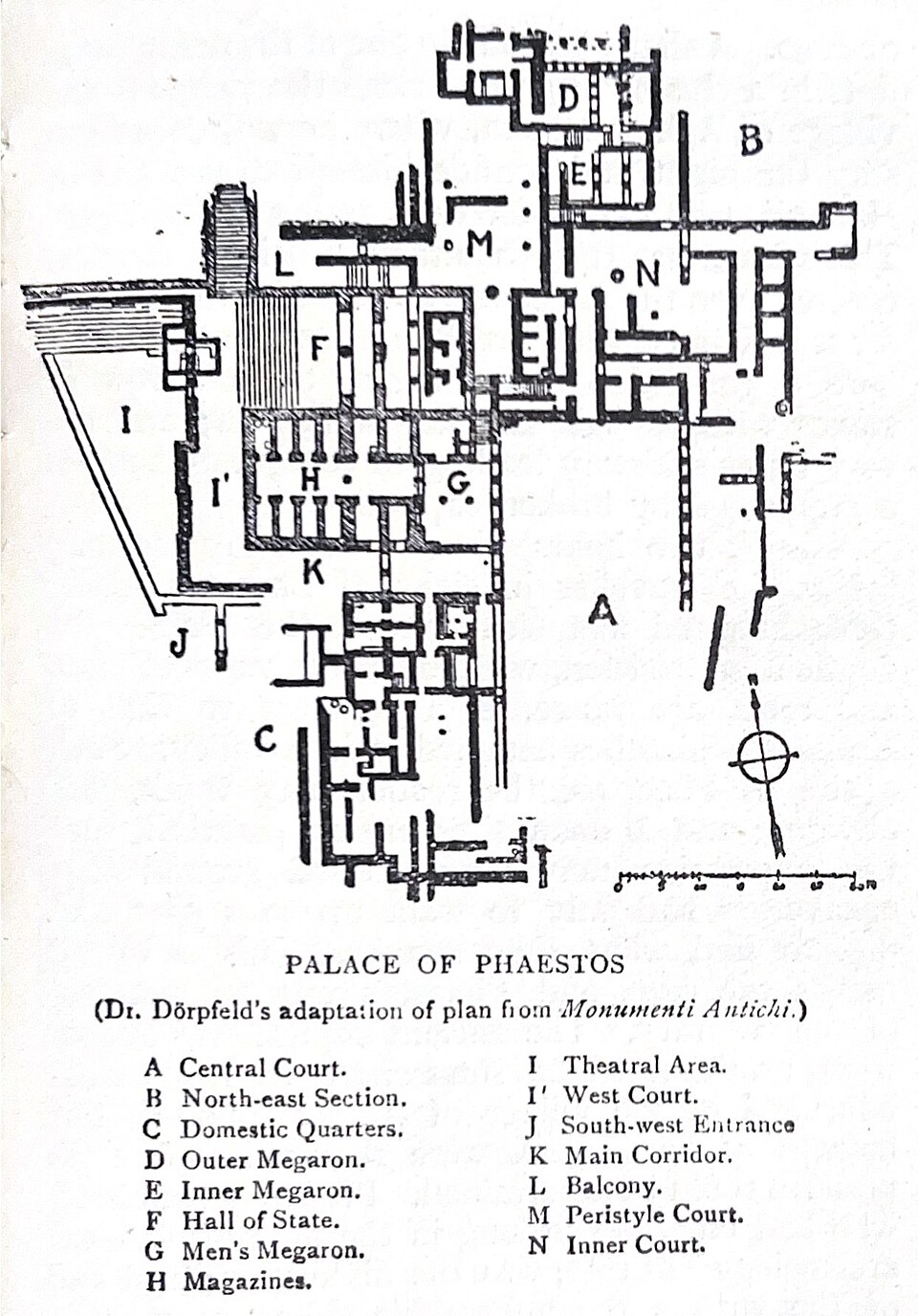
Phaistos Palace

Phaistos Palace

Φαιστός

Heraklion regional unit

This significant Minoan palace is smaller and less restored than Knossos, offering visitors a highly authentic and peaceful archaeological experience. Situated in southern Crete, the ruins provide a fascinating look at ancient architecture against a backdrop of beautiful countryside.

Tip: Combine your visit to Phaistos with a trip to the nearby Roman ruins of Gortyn and the coastal village of Matala.

Admission:
EUR 8.00
Time needed:
1.5-2 h

Photos: Knossos PalaceZde (CC BY-SA 4.0) · Samaria GorgeWikimedia Commons (Public domain) · Elafonisi BeachC messier (CC BY-SA 4.0) · Balos LagoonMichael Brys (CC BY 2.0) · Rethymno Old TownLapplaender (CC BY-SA 3.0 de) · Chania Venetian Harbourdronepicr (CC BY 2.0) · Spinalonga IslandGgia (CC BY-SA 3.0) · Heraklion Archaeological MuseumOlaf Tausch (CC BY 3.0) · Phaistos PalaceCrete: The Forerunner of Greece. This book was written by Charles Henry Hawes and Harriet Boyd Hawes. (Public domain)

Where to stay

Areas and districts, matched to the kind of trip you are taking

Chania Town

Best for: Historic charm and western beaches

Perfect for families, couples, and independent travellers, Chania offers a picturesque Old Town and easy access to western beaches. While the historic streets are highly atmospheric, they can be slightly awkward to navigate with strollers or rental cars.

Rethymno Town

Best for: Relaxed atmosphere and central exploring

An excellent, easy family base featuring a long sandy beach and a charming historic centre. Its highly convenient, central location on the island makes it ideal for travellers who want to explore both western and central Crete while enjoying a relaxed vibe.

Heraklion Region

Best for: Archaeology, resorts and nightlife

The most developed and central part of Crete, home to major archaeological sites like Knossos and the lively resort town of Hersonissos. It suits those seeking large family resorts, water parks, vibrant nightlife, and convenient transport links.

Elounda & Agios Nikolaos

Best for: Luxury resorts and tranquil scenery

This scenic eastern area caters to luxury travellers, couples, and families seeking high-end resorts, private villas, and a slower, more tranquil pace of life. It offers beautiful coastal views and serves as the gateway to Spinalonga Island.

Getting around

From the airport

Crete is highly accessible by air, served by three distinct airports located across the island. Heraklion International Airport is the busiest and most central gateway, while Chania International Airport serves the scenic west, and the smaller Sitia Public Airport handles regional flights in the quiet east. Travellers can easily reach their final destinations using public buses, metered taxis, or pre-booked private transfers.

Heraklion International Airport "Nikos Kazantzakis" (HER) · 5 km

  • Bus· 15 mins· EUR 1.20
  • Taxi· 10-15 mins· EUR 15.00

Chania International Airport "Daskalogiannis" (CHQ) · 14 km

  • Bus· 30 mins· EUR 2.50
  • Taxi· 20-25 mins· EUR 20.00

Sitia Public Airport "Vitsentzos Kornaros" (JSH) · 1 km

  • Taxi· 5 mins· EUR 5.00
  • Bus· 10 mins· EUR 1.20

Around town

Getting around Crete is straightforward thanks to an extensive public bus network and readily available taxis, though renting a car offers the ultimate flexibility for exploring remote beaches and mountain villages. The island's public transport is run by two regional KTEL companies, offering modern, air-conditioned coaches that connect major towns and key archaeological sights reliably.

KTEL Urban BusConnects city centres with nearby suburbs and attractions like Knossos. · EUR 1.20
KTEL Intercity BusReliable long-distance coaches linking major hubs like Chania, Rethymno, and Heraklion. · EUR 1.10
TaxiMetered and widely available, ideal for direct door-to-door transfers. · EUR 4.00

Useful apps: FreeNow, iMove

When to go

The best times to visit Crete are during the shoulder seasons of May to June and September to October, when the weather is warm, the sea is perfect for swimming, and the crowds are thin. July and August are the hottest and busiest months, making sightseeing uncomfortable, while the winter months from November to April are cooler, rainier, and see many tourist businesses close.

Best time

May to June and September to October

What to avoid

July and August

MonthJanFebMarAprMayJunJulAugSepOctNovDec
Day15°15°18°21°25°28°30°30°28°26°21°17°
Night8°8°9°11°15°19°22°22°20°17°13°10°
Rainy days1097421112579
Sea17°17°16°17°19°22°24°25°24°23°20°17°

Food & drink

The traditional Cretan food scene is celebrated for its healthy Mediterranean ingredients, emphasizing extra virgin olive oil, fresh vegetables, wild herbs, local cheeses, and slow-cooked meats. Dining at local tavernas offers excellent value and an authentic taste of the island's rich culinary heritage, which relies heavily on seasonal produce and simple, time-honoured recipes.

What to try

Dakos

A traditional barley husk salad topped with olive oil, grated tomatoes, and mizithra cheese, found in almost all tavernas.

Chaniotiko Boureki

A baked zucchini, potato, and mizithra cheese dish seasoned with mint, typically found in tavernas around Chania.

Gamopilafo

A rich, creamy rice dish cooked in slow-boiled goat or lamb broth, traditionally served at weddings and mountain village tavernas.

Kalitsounia

Small sweet or savoury cheese pastries made with mizithra and honey or wild greens, available at local bakeries and tavernas.

Raki

A potent, clear pomace brandy served complimentary at the end of meals as a key expression of Cretan hospitality.

Cretan Olive Oil

High-quality extra virgin olive oil used in almost every dish, widely available for tasting at local mills and shops.

What it costs

Espresso or Coffee

EUR 2.00

Casual taverna lunch for one

EUR 8.00

Souvlaki gyros wrap

EUR 3.00

Local beer in a restaurant

EUR 3.00

5 km taxi ride

EUR 8.00

Typical 3-star hotel night

EUR 50.00

Indicative prices that change over time — treat them as a guide, not a price list.

Practical information

SocketsCEuroplug, two round pinsFSchuko
Voltage230V / 50Hz
Tap waterTap water is treated, bottled is common — Tap water is safe to drink, though mineral content varies. It tastes better in western Crete and mountains, but can taste metallic in Heraklion, so many prefer bottled water.
TippingTipping is appreciated but not mandatory. Leaving 5-10% or rounding up the bill at restaurants is common, and rounding up to the nearest euro is sufficient for taxis.
Driving on theright
SafetyCrete is highly safe, though pickpocketing can occur in crowded areas. Avoid common scams by ensuring taxi meters are turned on and checking menu prices before ordering.
Opening hoursShops open Monday-Saturday 9:00-14:00 and 17:00-21:00, closing Sundays. Restaurants serve lunch from 12:00 and dinner from 19:00 until late. Attractions open 8:00-15:00, with longer summer hours.
Customs & etiquetteDress modestly when visiting churches and monasteries by covering your shoulders and knees. It is polite to accept the complimentary raki or dessert offered after meals.
A few local wordsGood morningKaliméraGood eveningKalisperaThank youEfharistóPlease / You're welcomeParakalóHello / GoodbyeYa sas

How to plan your days

1 day

Chania Old Town & Harbour

  1. 1Stroll through the narrow alleys of Rethymno Old Town
  2. 2Walk along the waterfront of Chania Venetian Harbour to the lighthouse
  3. 3Enjoy a fresh seafood dinner at a quiet backstreet taverna

2 days

Minoan History & Culture

  1. 1Explore the ancient ruins of Knossos Palace early in the morning
  2. 2Visit the Heraklion Archaeological Museum to see original Minoan frescoes
  3. 3Enjoy a traditional dinner featuring Dakos and local Raki in Heraklion

3 days

Western Crete Nature & Beaches

  1. 1Drive to the stunning pink sands of Elafonisi Beach
  2. 2Wade across the shallow lagoon to explore the quiet coves
  3. 3Stop at a traditional village on the drive back for Chaniotiko Boureki

Day trips

Santorini

135 km · 2 hours by fast ferry

Take a fast ferry to experience the world-famous volcanic island of Santorini. Marvel at the stunning caldera views, explore iconic white-washed villages like Oia and Fira, and see the unique black sand beaches.

Gramvousa Island & Balos Lagoon

55 km · 1 hour drive, plus 1 hour boat ride

Travel west to Kissamos port and board a scenic boat to explore the historic Venetian fortress on Gramvousa Island before swimming in the breathtaking, shallow turquoise waters of Balos Lagoon.

Spinalonga Island

70 km · 1 hour drive, plus 15-30 min boat ride

Head east to Elounda or Plaka to catch a boat to Spinalonga. Walk through the well-preserved Venetian fortifications and learn about the moving history of this former leper colony.

Frequently asked questions

Is tap water safe to drink in Crete?+

Yes, tap water in Crete is treated and regularly monitored, making it completely safe to drink. However, the taste can be quite metallic or hard in Heraklion and eastern regions, so many travellers and locals prefer bottled water for drinking.

What is the best way to get around the island?+

The most flexible way to get around is by renting a car, which allows you to reach remote beaches. Alternatively, the reliable KTEL public bus network connects all major towns and key archaeological attractions comfortably and affordably.

When is the best time to visit Crete?+

The shoulder seasons of May to June and September to October are ideal, offering lovely warm weather and swimmable seas without the intense heat and massive crowds of the peak summer months of July and August.

What should I wear when visiting monasteries?+

When visiting active religious sites like Arkadi Monastery, you must dress modestly. Both men and women should ensure their shoulders and knees are fully covered, and some locations may provide wraps at the entrance.

Are credit cards widely accepted in Crete?+

Yes, credit cards are widely accepted in most hotels, restaurants, and shops across Crete. However, it is always wise to carry some cash in Euros for small purchases, street food, tipping, and when visiting remote villages.

Is Crete a safe destination for tourists?+

Crete is generally an exceptionally safe destination with low crime rates. Minor issues like pickpocketing can occur in crowded tourist areas, so keep an eye on your belongings, and ensure taxi drivers turn on their meters.

What is Raki and when is it served?+

Raki, also known as Tsikoudia, is a potent, clear grape-based pomace brandy. It is a cornerstone of Cretan hospitality and is almost always served complimentary at the end of your meal in traditional tavernas.

Can I visit Knossos and the Archaeological Museum on the same day?+

Yes, visiting both on the same day is highly recommended. It is best to explore the Knossos ruins early in the morning to avoid the heat, and then visit the air-conditioned museum in Heraklion to see the artifacts in context.

Visa Requirements

Check the latest visa requirements for entering this country. Some nationalities may need to apply for a visa or e-visa before travel.

Check visa requirements

Language

Greek

Currency

EUR

Timezone

Europe/Athens

Dial Code

+30

Population

10.4M

Area

131,957 km²

Voltage

230V / 50Hz

Driving Side

Right

Top Hotels in Crete

Live prices from 500+ properties

Loading hotels...

Planning a trip to Crete?

Compare hundreds of hotels, find the best price, and book with free cancellation on TravelManiac.