Hotels in Hiroshima

The city of peace, with the Atomic Bomb Dome and the floating gate of Miyajima

Hiroshima

LanguageJapanese
CurrencyJPY
TimezoneAsia/Tokyo
Temperature5-30 °C
Dial Code+81
Population125M
Area377,975 km²
SocketsType A / Type B
Tap waterDrinkable

Discover Hiroshima

Hiroshima is a city in southwestern Japan on the Seto Inland Sea that has become a worldwide symbol of the pursuit of peace. On 6 August 1945 the first atomic bomb used in war fell on it and destroyed most of the city, but today it is a modern, green and pleasant metropolis with broad avenues, rivers and streetcars. The Peace Memorial with the Atomic Bomb Dome, the only ruin preserved after the blast, and the museum that remembers the victims are among the most significant places in Japan. Beyond that Hiroshima offers a castle, the historic Shukkei-en garden, the speciality okonomiyaki and an easy ferry ride to Miyajima island, where the Itsukushima Shrine with its floating torii gate stands. The city is reached by shinkansen from Kyoto in an hour and forty minutes and from Tokyo in four hours. A visit to the Peace Memorial is dignified and quiet and calls for respect. The best time is March to May and October to November, when it is pleasant and green.

What to see

The places worth your time in Hiroshima, and what to expect at each

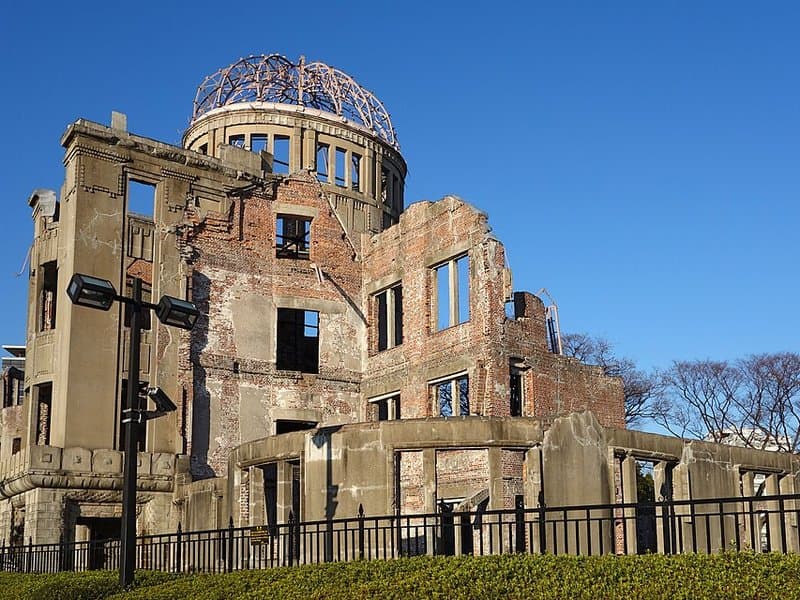
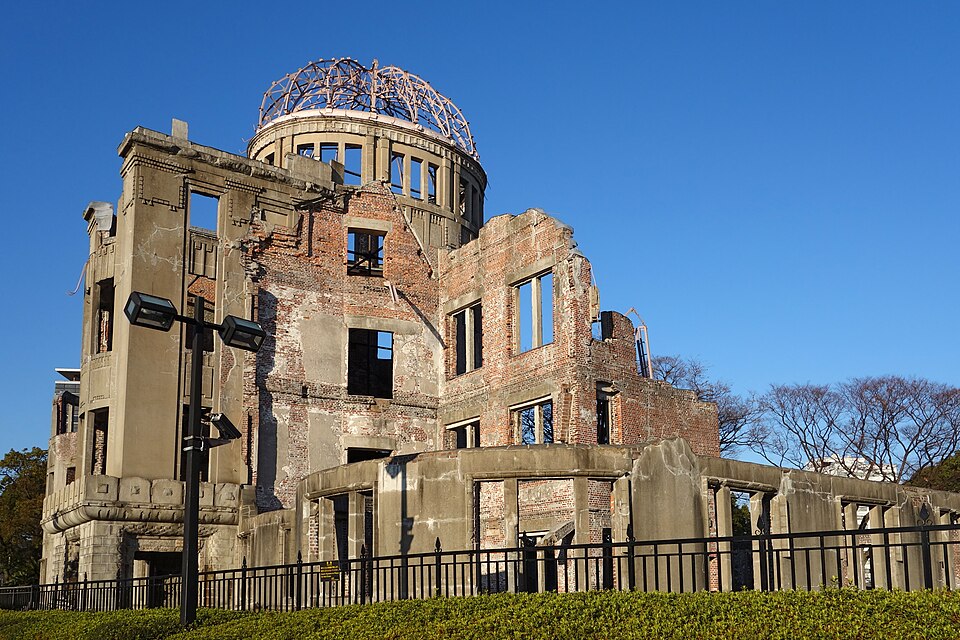
The Atomic Bomb Dome

The Atomic Bomb Dome

Peace Memorial

The ruin of the former Prefectural Industrial Promotion Hall, the only structure that remained standing near the hypocentre after the blast. It has been a UNESCO site since 1996 and is preserved in its original state as a warning. The view of it across the Motoyasu river is quiet and deeply moving.

Tip: The dome can be seen from outside free at any time. The best light is in the evening, when it is lit by lamps. The ruin is not entered and can be viewed only from the designated area.

Admission:
free
Time needed:
30 min
Peace Memorial Park

Peace Memorial Park

centre

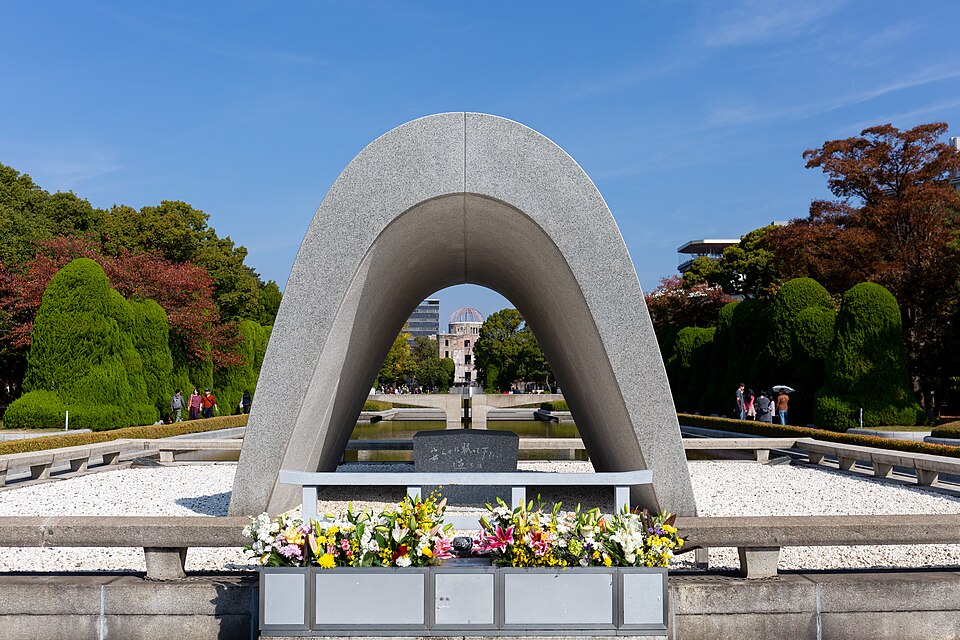
A sprawling park on the site of a former commercial district destroyed in the blast, with the Cenotaph, the Peace Flame and the Peace Bell. It is a quiet, green space with trees, bridges and memorials to the victims. Visitors pay their respects and lay origami cranes.

Tip: The park can be walked in an hour, but set aside more time for quiet reflection. Mornings are less crowded; on 6 August a memorial ceremony is held and in the evening lanterns are floated on the river.

Admission:
free
Time needed:
1–2 hrs
The Peace Memorial Museum

The Peace Memorial Museum

Peace Park

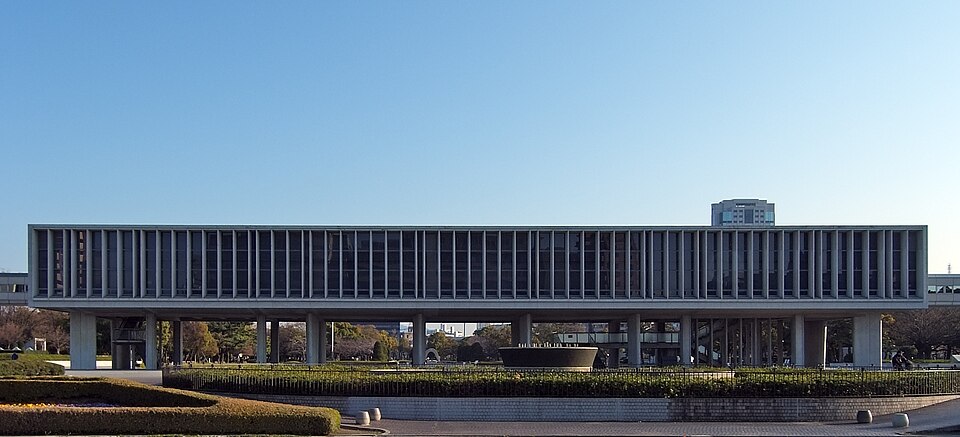
A museum that tells of the blast, of life in the city and of the aftermath. It displays personal belongings of victims, photographs, models and survivors' testimonies. The exhibition is powerful and sensitively presented, but may be hard for children and sensitive visitors.

Tip: Set aside at least two hours and come right at opening at half past eight. Consider whether to bring younger children; an audio guide is available.

Admission:
¥200
Time needed:
2 hrs
The Children's Peace Monument

The Children's Peace Monument

Peace Park

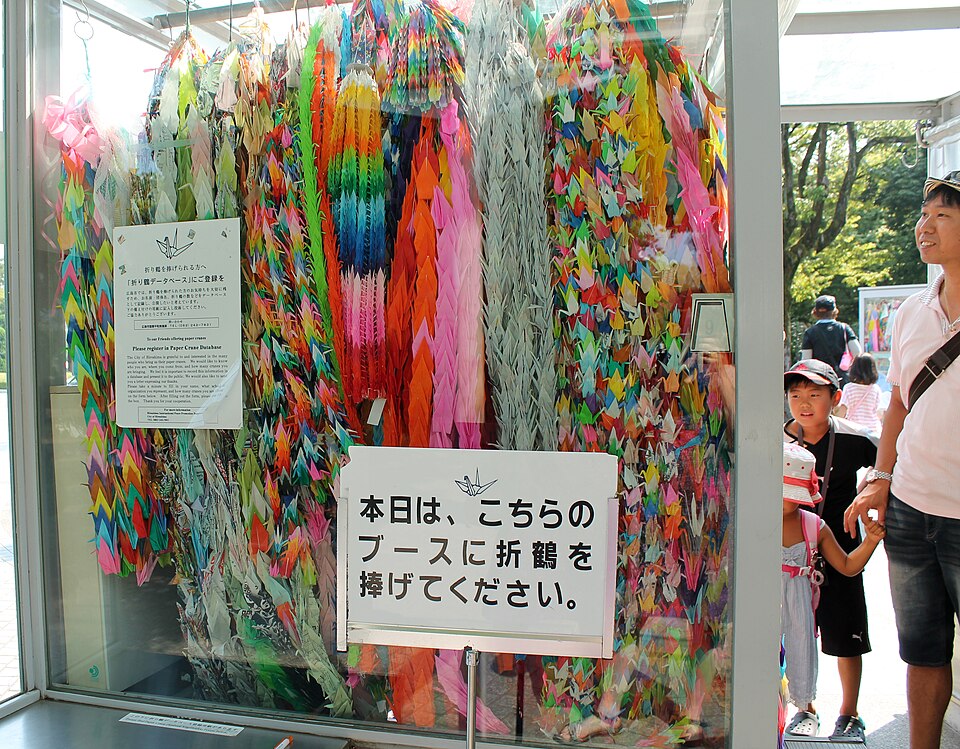
A monument dedicated to child victims, created in memory of Sadako Sasaki, a girl who died of radiation sickness while folding paper cranes. Garlands are made of cranes sent by children from around the world. The monument stands in the northern part of the park.

Tip: Cranes are left in glass cases; do not touch the garlands. If you want to bring your own, ask about the rules at the information centre.

Admission:
free
Time needed:
20 min
Itsukushima Shrine on Miyajima

Itsukushima Shrine on Miyajima

Miyajima island

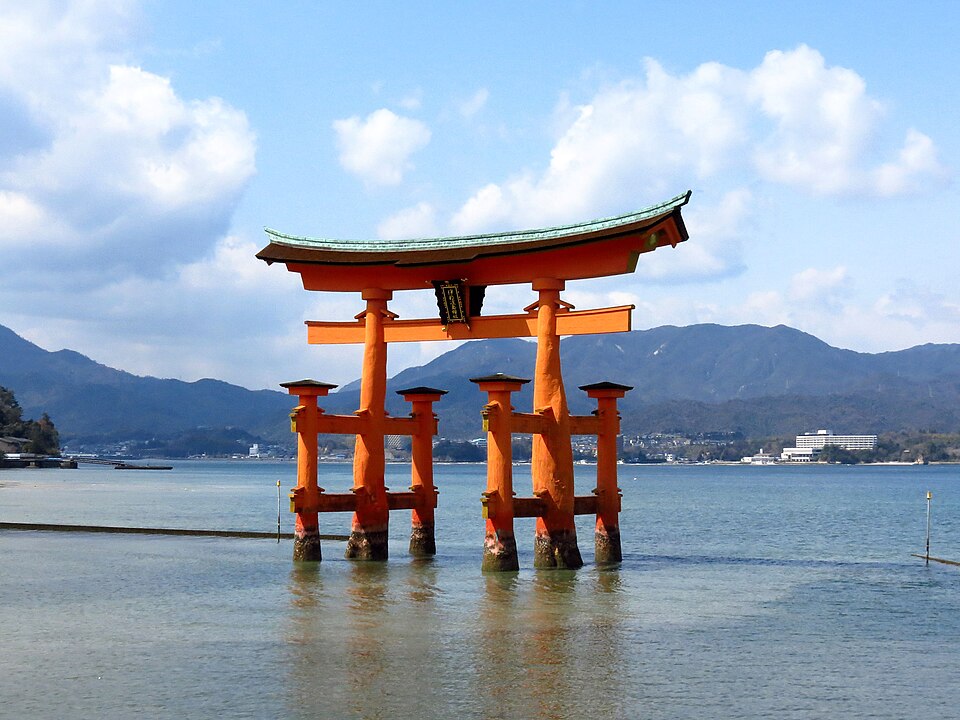
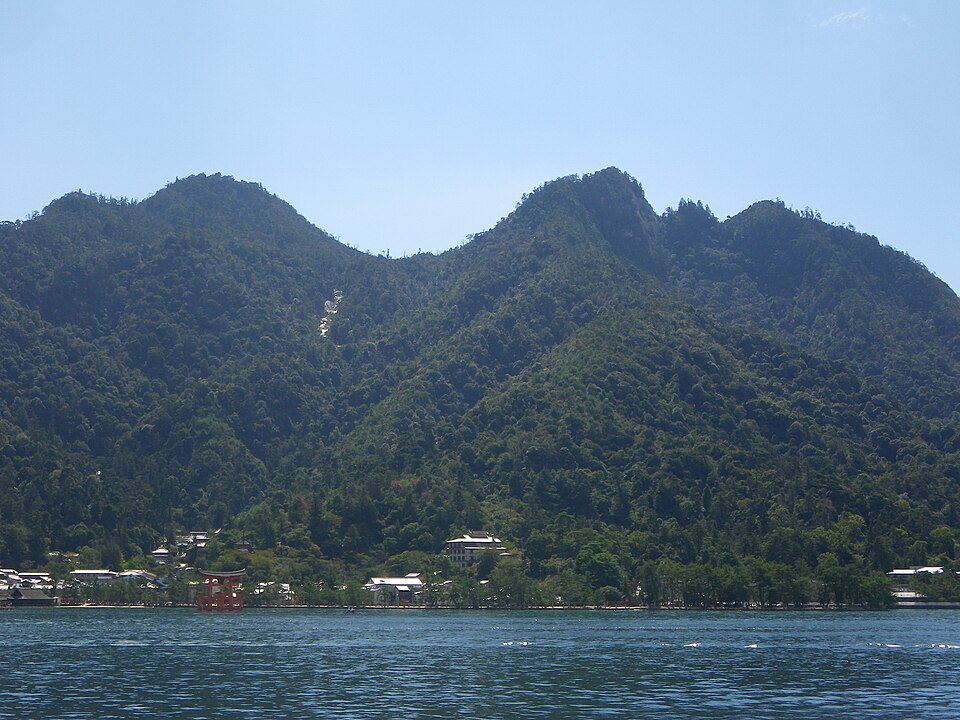
A Shinto shrine on Miyajima island, a UNESCO site, whose torii gate stands in the sea and at high tide appears to float. The shrine buildings stand on piles above the water. The floating gate is one of the most photographed places in Japan.

Tip: Check the tide table: at high tide the gate looks to float, at low tide you can walk to it. From Hiroshima you go by streetcar and ferry, about an hour in all.

Admission:
about ¥300
Time needed:
2 hrs
Mount Misen

Mount Misen

Miyajima island

A sacred mountain 535 metres high on Miyajima island, with a ropeway and forest trails leading to the summit. At the top is a view of the Seto Inland Sea and its islands, and below roam free deer. Climbing on foot takes about two hours.

Tip: The ropeway is convenient, but the walk up is lovelier; take water. Guard your food against the deer, which try to steal it.

Admission:
ropeway about ¥2,000
Time needed:
half a day
Shukkei-en Garden

Shukkei-en Garden

centre

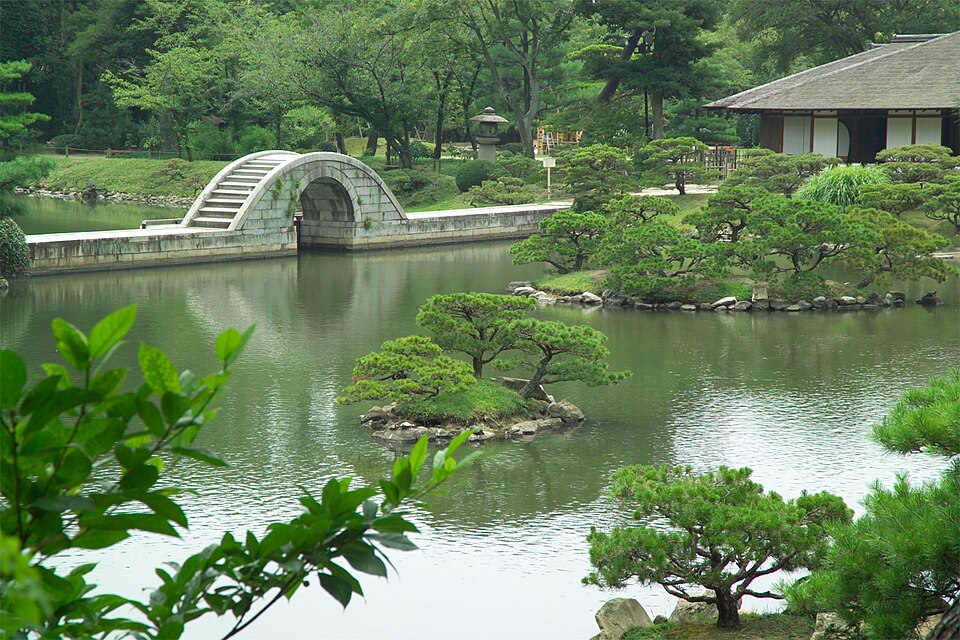
A garden from 1620 with a pond, bridges and miniature mountains, laid out by the local lord Asano. It was burnt in the blast, but restored after the war. It is a calm contrast to the Peace Park and a pleasant place to rest.

Tip: It looks best in spring with cherry blossom and in autumn with maples. The entry is cheap and the tea house by the pond serves matcha and sweets.

Admission:
about ¥300
Time needed:
1 hr
Hiroshima Castle

Hiroshima Castle

centre

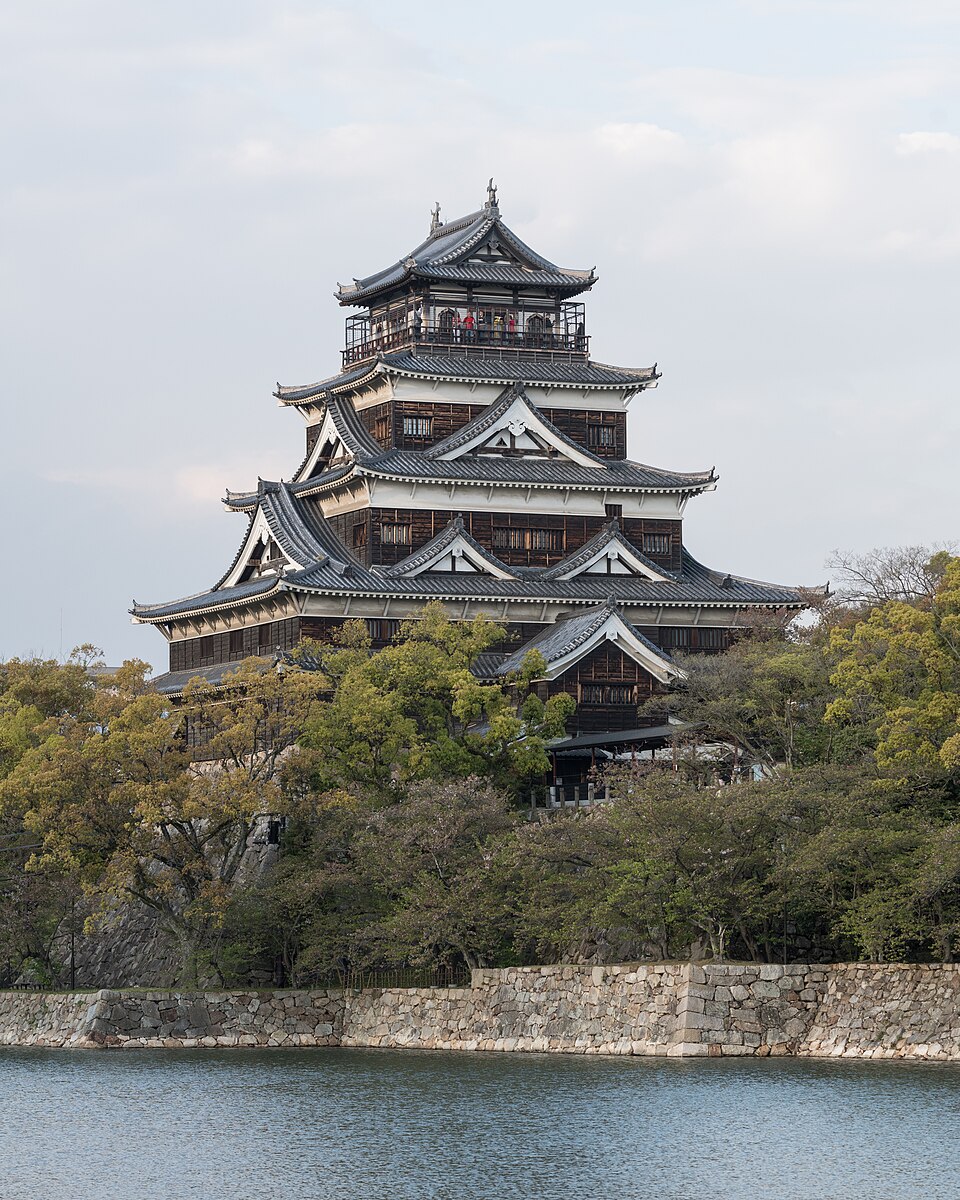
A 1958 reconstruction of the castle destroyed in the blast, which Mori Terumoto originally built in the sixteenth century. Inside is a museum with displays and from the top there is a view of the city. It is nicknamed Carp Castle, which also gave its name to the local baseball team.

Tip: Mind the photography restrictions in the museum. The best view is in the evening; combine the visit with a stroll in the surrounding park.

Admission:
about ¥370
Time needed:
1 hr
Okonomimura

Okonomimura

Hondori

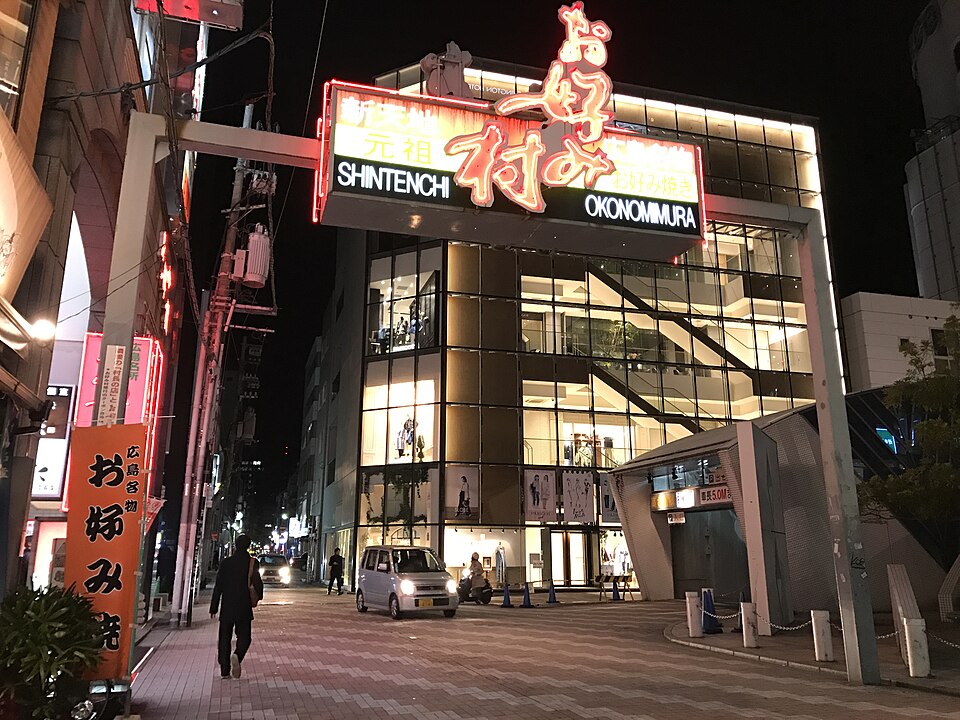
A building with twenty stalls where Hiroshima okonomiyaki is cooked — layered pancakes of cabbage, noodles, egg and sauce fried on a griddle. You eat at the counter and watch the cooking. It is the best place to taste the city's speciality.

Tip: Choose a stall where locals queue and order the version with noodles (soba or udon). The portion is large, so share one if you do not eat a lot.

Admission:
lunch from ¥1,000
Time needed:
1–2 hrs

Photos: The Atomic Bomb Dome — Oilstreet (CC BY 2.5) · Peace Memorial Park — Balon Greyjoy (CC0) · The Peace Memorial Museum — Wiiii (CC BY-SA 3.0) · The Children's Peace Monument — Sarah Stierch (CC BY 4.0) · Itsukushima Shrine on Miyajima — redlegsfan21 (CC BY-SA 2.0) · Mount Misen — As6022014 (CC BY-SA 3.0) · Shukkei-en Garden — No machine-readable author provided. Fg2 assumed (based on copyright claims). (Public domain) · Hiroshima Castle — DXR (CC BY-SA 4.0) · Okonomimura — そらみみ (CC BY-SA 4.0)

Where to stay

Areas and districts, matched to the kind of trip you are taking

Around the station

Best for: transport and cheap hotels

The area around the main station where shinkansen stop, with a large choice of business hotels. A streetcar takes ten minutes to the centre. The best choice for a quick visit and for trips.

Centre and Hondori

Best for: shopping, food and sights

The middle of the city around the Hondori pedestrian zone, the Peace Park and the castle. Everything is walkable or by streetcar. Suits a first visit.

Around the Peace Park

Best for: calm by the river

Hotels by the river with a view of the Peace Park. Quieter and pricier, but close to the monuments. A good choice for a longer stay.

Miyajima

Best for: island atmosphere

An island with ryokans and hotels by the shrine. An overnight stay lets you experience Miyajima without crowds and see the shrine at sunset. Suits a romantic stay.

Getting around

From the airport

Hiroshima Airport (HIJ) lies about fifty kilometres east of the centre, with flights from Tokyo, Sapporo and Seoul. Most travellers, though, go by shinkansen: from Osaka in an hour and a half, from Kyoto in an hour and forty minutes and from Tokyo in four hours. From Europe you fly to Tokyo or Osaka and continue by train. From the airport a bus runs to the centre in fifty minutes.

Hiroshima Airport (HIJ) · 50 km

  • Bus to the centre· 50 min· ¥1,560
  • Taxi· 45 min· ¥15,000

Osaka – Kansai Airport (KIX) · 330 km

  • Shinkansen from Osaka· 1 hr 30 min· ¥10,000

Around town

Hiroshima has a good Hiroden streetcar network that runs all through the centre and costs two hundred and twenty yen a ride. Buses serve places away from the streetcar routes. For Miyajima you take a streetcar and a JR ferry. Bicycles are rented and the city is good to cycle. Taxis are pricey and suit only the evening.

Hiroden streetcarAround the centre and to Miyajimaguchi, flat fare. · ¥220
Ferry to MiyajimaFrom Miyajimaguchi, takes ten minutes. · ¥200
ShinkansenTo Osaka, Kyoto and Tokyo, book in advance. · ¥10,000
On footThe centre and Peace Park are walkable.

Useful apps: Google Maps, Navitime, Japan Transit Planner, Hiroden

When to go

Hiroshima has a mild climate with four seasons. Spring and autumn are the most pleasant, at around twenty degrees, with cherry blossom in April and maples in November. Summer is hot and humid at around thirty-two degrees with a rainy season in June, and winter cool but rarely with snow. In August memorial ceremonies are held.

Best time

March to May and October to November

What to avoid

June (the rainy season) and July to August (heat and humidity)

MonthJanFebMarAprMayJunJulAugSepOctNovDec
Day9°10°13°19°24°27°30°32°28°22°17°11°
Night2°2°5°10°15°19°23°24°20°13°8°4°
Rainy days771010101313911776

Food & drink

Hiroshima is a gastronomic city, famous for okonomiyaki and oysters from the Inland Sea. Lunch in an ordinary restaurant costs one to two thousand yen, and the choice is wide and fresh. People drink beer, sake and green tea with meals.

What to try

Hiroshima okonomiyaki

A layered pancake of batter, cabbage, pork, egg and noodles, topped with sauce. Unlike the Osaka version, the ingredients are not mixed but layered.

Oysters (kaki)

Fresh or fried oysters from the Inland Sea, among the best in Japan. The season runs from October to March.

Anago-meshi

Rice with grilled sea eel anago, a speciality of Miyajima. Served in a bamboo box.

Momiji manju

Sweet cakes in the shape of a maple leaf, filled with red bean or custard. A souvenir from Miyajima.

Tsukemen

Cold noodles dipped in a hot, strong broth. Hiroshima tsukemen is spicy and popular.

Sake from Saijo

Sake from the town of Saijo near Hiroshima, one of Japan's main sake centres. Tastings are cheap.

Green tea and wagashi

Matcha with sweet Japanese desserts, served in tea houses. A rest on a walk through the park.

What it costs

Okonomiyaki

¥1,000–1,500

Coffee

¥400–600

Lunch in a restaurant

¥1,000–2,000

Peace Memorial Museum

¥200

Castle

¥370

Streetcar

¥220

3★ hotel (night)

¥8,000–15,000

Shinkansen from Osaka

¥10,000

Indicative prices that change over time — treat them as a guide, not a price list.

Practical information

SocketsAtwo flat pins (US/JP)Btwo flat pins plus ground (US)
Voltage100V / 50-60Hz
Tap waterTap water is drinkable — Tap water in Japan is clean and drinkable. In every restaurant you get cold water free.
TippingTipping is not given in Japan and can be taken as an insult. The price on the bill is final; a spoken thank-you is enough.
Driving on theleft
SafetyHiroshima is very safe; the commonest risks are earthquakes and typhoons. In the Peace Park behave quietly and with respect. The emergency number is 110 (police) and 119 (ambulance).
Opening hoursShops are open from ten to eight, restaurants from eleven to ten. The Peace Museum is open daily from half past eight, longer in August. Many temples close at five.
Customs & etiquetteIn Japan shoes come off on entering homes and ryokans. In the Peace Park speak quietly and do not pose smiling at monuments. Do not touch the cranes and do not sit on monuments. Do not eat while walking.
A few local wordsHello — KonnichiwaThank you — Arigatō gozaimasuExcuse me / Sorry — SumimasenHow much is it? — Ikura desu ka?Delicious! — Oishii!The bill, please — O-kaikei onegaishimasuWhere is the toilet? — Toire wa doko desu ka?

How to plan your days

1 day

A day in Hiroshima

  1. 1Morning the Atomic Bomb Dome and the Peace Park.
  2. 2The Peace Museum, set aside two hours.
  3. 3Lunch — Hiroshima okonomiyaki at Okonomimura.
  4. 4Afternoon Shukkei-en and a tea house.
  5. 5Evening a walk along the river and a look at the lit dome.

2 days

Two days: the city and Miyajima

  1. 1Day one as above.
  2. 2Day two morning the ferry to Miyajima, Itsukushima Shrine.
  3. 3Afternoon the ropeway up Misen or a walk.
  4. 4Evening oysters and return to Hiroshima.

3 days

Three days: Hiroshima and surroundings

  1. 1Days one and two as above.
  2. 2Day three a trip to Iwakuni with the Kintai Bridge.
  3. 3Afternoon Kure or Onomichi.
  4. 4Evening return and okonomiyaki.

Day trips

Iwakuni

40 km · 1 hr by train

A town with the wooden arched Kintai Bridge from 1673, a castle and white snakes. A JR train runs from Hiroshima and the trip takes half a day.

Kure

25 km · 30 min by train

A port town with the Yamato Museum, which tells of Japan's naval history. It suits half a day and can be combined with Hiroshima.

Onomichi

90 km · 1 hr 15 min by train

A small port town on a hill with temples, steep lanes and the start of the Shimanami Kaido cycle route. It suits a full-day trip.

Frequently asked questions

How long should I stay in Hiroshima?+

Two days are enough for the Peace Park, the museum, the castle and Miyajima. Three days allow a trip to Iwakuni or Kure too. For a calm visit choose at least two nights.

Is the Peace Museum suitable for children?+

The exhibition is powerful and shows the terrible consequences of the blast, so it may be hard for smaller children. Consider age and prepare children in advance. An audio guide offers a gentler account.

How do I get to Hiroshima from Tokyo?+

By Nozomi shinkansen in four hours, with a ticket costing about nineteen thousand yen. From Osaka it is an hour and a half, from Kyoto an hour and forty minutes. From the airport a bus runs.

When is the best time to visit?+

March to May and October to November, when it is pleasant and cherry blossom or maples are in colour. In summer it is hot and humid, and in June the rainy season. In August memorial ceremonies are held, but it is hot and crowded.

Do I need a visa for Japan?+

Citizens of the EU do not need a visa for a stay of up to ninety days. Before the trip it is advisable to complete Visit Japan Web. The passport must be valid for the whole stay. Conditions change, so check them.

How do I get to Miyajima?+

By streetcar or train to Miyajimaguchi and a ferry for ten minutes, about an hour in all. The ferry runs every ten minutes and costs about two hundred yen. Check the tide, as the gate floats only at high water.

What should I eat in Hiroshima?+

Hiroshima-style okonomiyaki with noodles, oysters and anago-meshi on Miyajima. With them sake from Saijo. Lunch at Okonomimura is the best experience.

How should I behave in the Peace Park?+

Quietly and respectfully: do not make noise, do not sit on monuments and do not pose smiling. At the Cenotaph one may bow. Lay origami cranes only in the places provided.

Arrival Card

Fill in the required arrival card before your trip to avoid delays at immigration.

Complete Arrival Card

Visa Requirements

Check the latest visa requirements for entering this country. Some nationalities may need to apply for a visa or e-visa before travel.

Check visa requirements

Language

Japanese

Currency

JPY

Timezone

Asia/Tokyo

Dial Code

+81

Population

125M

Area

377,975 km²

Voltage

100V / 50-60Hz

Driving Side

Left

Top Hotels in Hiroshima

Live prices from 500+ properties

Loading hotels...

More destinations in Japan

Planning a trip to Hiroshima?

Compare hundreds of hotels, find the best price, and book with free cancellation on TravelManiac.