Hotels in Okinawa

Japan's tropics, with beaches, Ryukyu castles and a giant aquarium

Okinawa

LanguageJapanese
CurrencyJPY
TimezoneAsia/Tokyo
Temperature5-30 °C
Dial Code+81
Population125M
Area377,975 km²
SocketsType A / Type B
Tap waterDrinkable

Discover Okinawa

Okinawa is the largest island of Japan's Ryukyu archipelago, lying about sixteen hundred kilometres southwest of Tokyo, halfway between Japan and Taiwan. Until 1879 an independent Ryukyu Kingdom stood here with its own culture, language and castles, which are now UNESCO sites. The island has a subtropical climate, coral beaches, mangroves and clear seas, which is why it is called the Hawaii of Japan. The best swimming season runs from May to October, but from June to October typhoons threaten. Naha, the capital, has Shuri Castle, a market and the main street Kokusai-dori; in the north are the Churaumi Aquarium with its whale sharks and the wild nature of Yanbaru. The cooking differs from the rest of Japan: pork, tofu and seaweed, and the longevity of the locals is credited to the diet. The history is serious: in 1945 one of the bloodiest battles of the war was fought here, and American bases still stand on the island. You fly to Okinawa from Tokyo, Osaka, Seoul and Taipei.

What to see

The places worth your time in Okinawa, and what to expect at each

Shuri Castle

Shuri Castle

Shuri, Naha

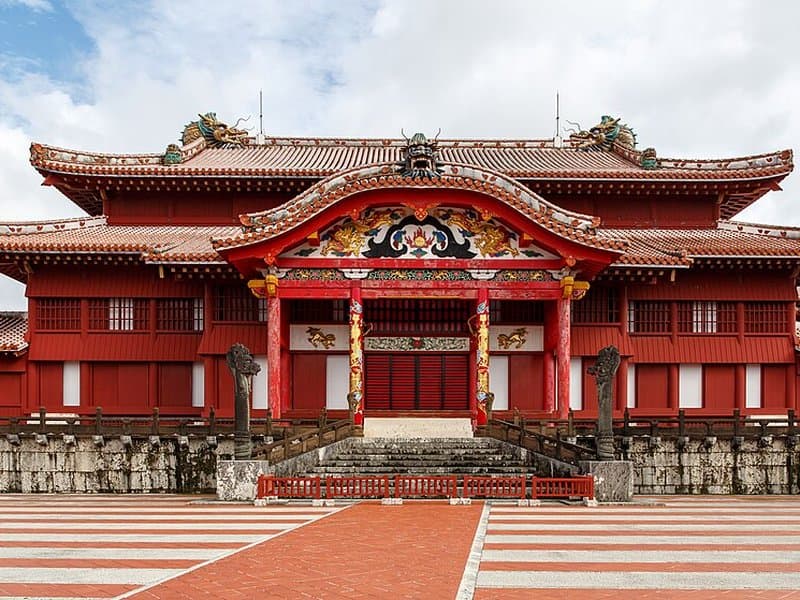
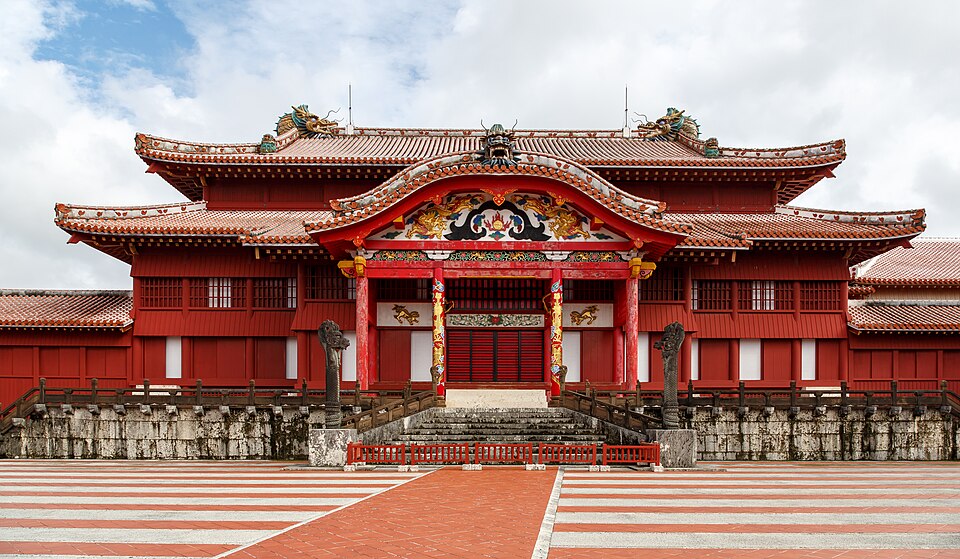
The seat of the Ryukyu kings from the fourteenth century, the main symbol of Okinawa and a UNESCO site. The castle burned in 2019 and has been rebuilt since, with the main hall, Seiden, due to be completed in 2026. You can walk through the gates and courtyards and see the traditional red architecture and a view of Naha.

Tip: Find out the current state of the rebuilding and which parts are open; it is best to go in the morning before the coaches. The Yui Rail monorail runs to Shuri station, and then it is twenty minutes on foot.

Admission:
about ¥400
Time needed:
2 hrs
Tamaudun

Tamaudun

Shuri, Naha

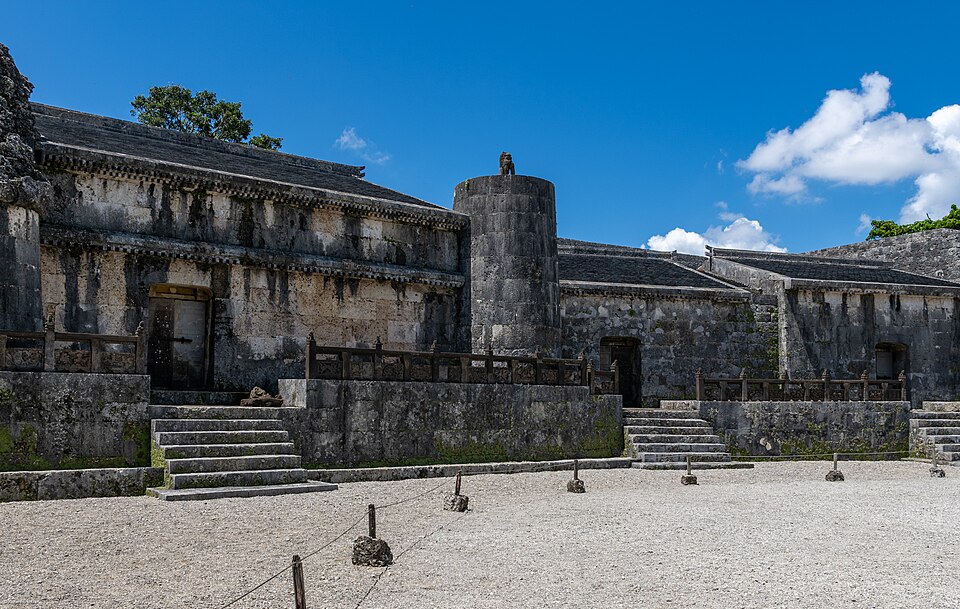
The royal tomb of the Sho dynasty from 1501, built of coral limestone at the foot of Shuri Castle. It is a UNESCO site and shows Okinawan burial tradition. The place is calm and less visited than the castle itself.

Tip: Combine the visit with Shuri Castle, as they are ten minutes' walk apart. The entry is cheap and the visit takes half an hour.

Admission:
about ¥300
Time needed:
30 min
Kokusai-dori and Makishi Market

Kokusai-dori and Makishi Market

Naha

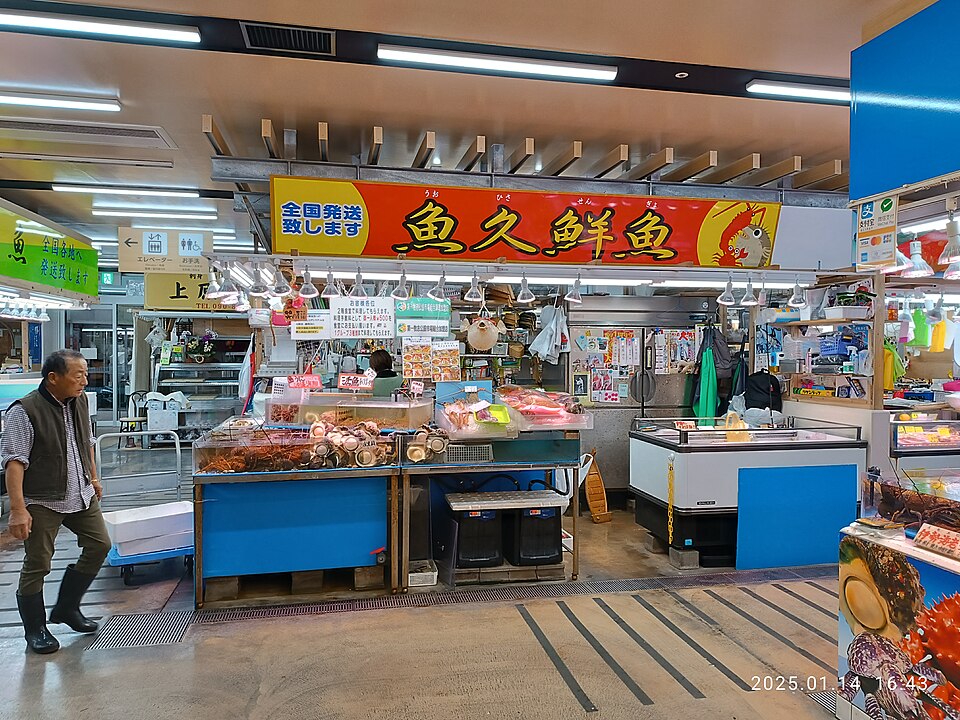
Naha's main street, about a kilometre and a half long, with souvenir shops, restaurants and bars, and in the side lanes the public Makishi Market, which sells fresh fish, pork and tropical fruit. It is the lively centre of the city and the best place to taste Okinawan cooking.

Tip: At the market you buy fish on the ground floor and have it prepared in the small restaurants on the first floor. In the evening the street is full of people, in the morning calmer.

Admission:
free
Time needed:
2–3 hrs

Churaumi Aquarium

northern Okinawa

One of the largest aquariums in the world, in the north of the island, with the Kuroshio tank in which whale sharks and manta rays swim. The tank holds seven and a half million litres and has a window over twenty metres wide. Outside is a complex with dolphins, sea turtles and the Ocean Expo park.

Tip: Come at the half past eight opening or in the afternoon before closing, when there are fewer people. Shark feeding is held twice a day; set aside at least three hours.

Admission:
about ¥2,200
Time needed:
3 hrs

Cape Manzamo

Onna

A rocky cape in the north of the island whose cliff resembles an elephant's trunk. From the viewpoint there is a view of the blue sea and the coast, and on clear days the whole beach is visible. It is one of the most photographed spots in Okinawa.

Tip: Come in the morning; a short promenade leads to the cape. It is a five-minute walk from the car park and entry is free.

Admission:
free
Time needed:
30–45 min
Nakijin Castle

Nakijin Castle

Nakijin

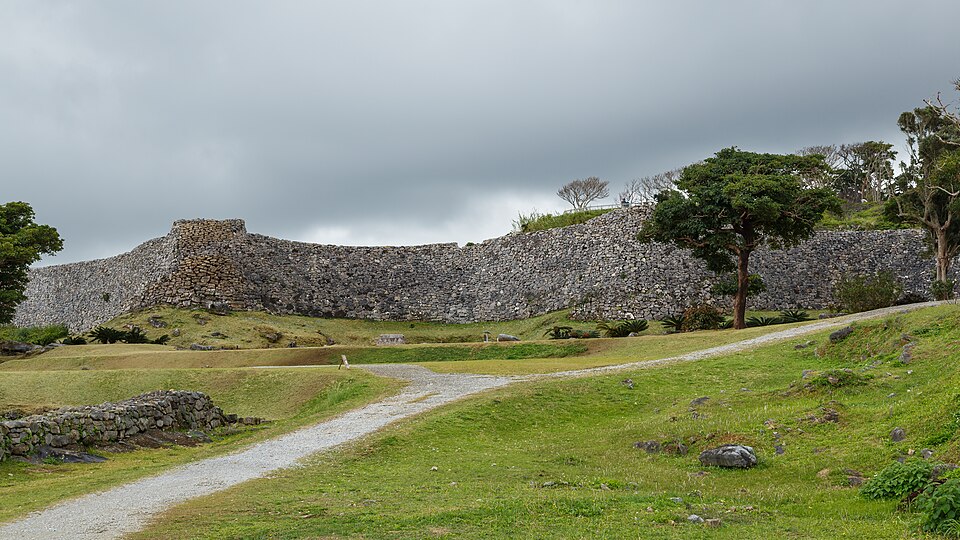
The ruin of a fourteenth-century castle on a hill in the north of the island, of which massive stone walls in a wave shape remain. It is a UNESCO site and in January and February cherry trees bloom here before anywhere else in Japan. From the top there is a view of the sea.

Tip: It is best to come in January or February for the cherry-blossom festival, otherwise in the morning before groups arrive. The walls are high, so bring sturdy shoes.

Admission:
about ¥600
Time needed:
1–1.5 hrs
Sefa-utaki

Sefa-utaki

Nanjo

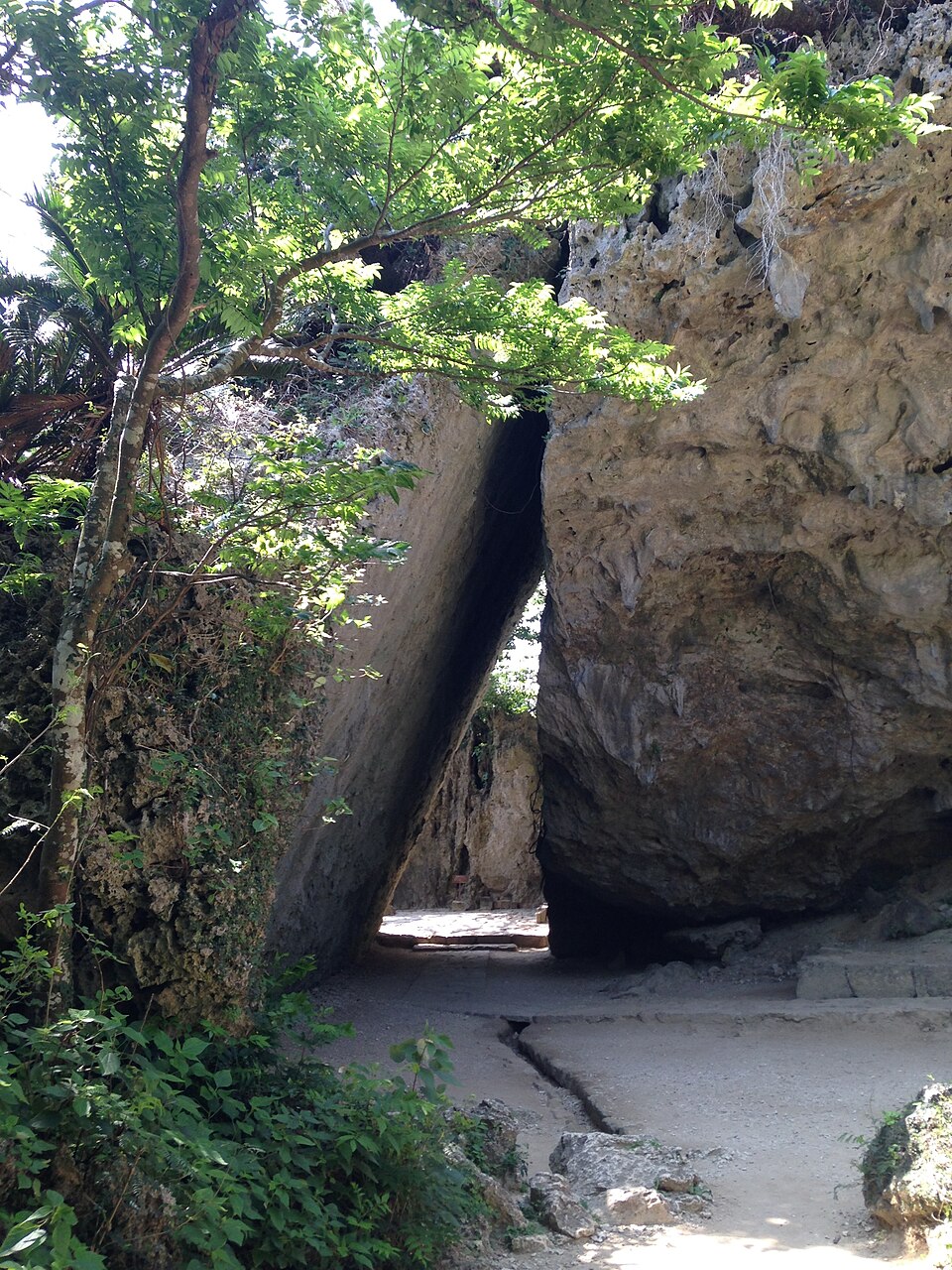
The most sacred site of the original Ryukyuan religion, in a forest of limestone rocks with three stone courtyards. It is a UNESCO site and in the past only priestesses were allowed in. Today it is a calm place in the middle of the forest.

Tip: Keep quiet and respect that it is a sacred site. The entry is paid at the information centre and the walk through the forest takes half an hour.

Admission:
about ¥300
Time needed:
1 hr
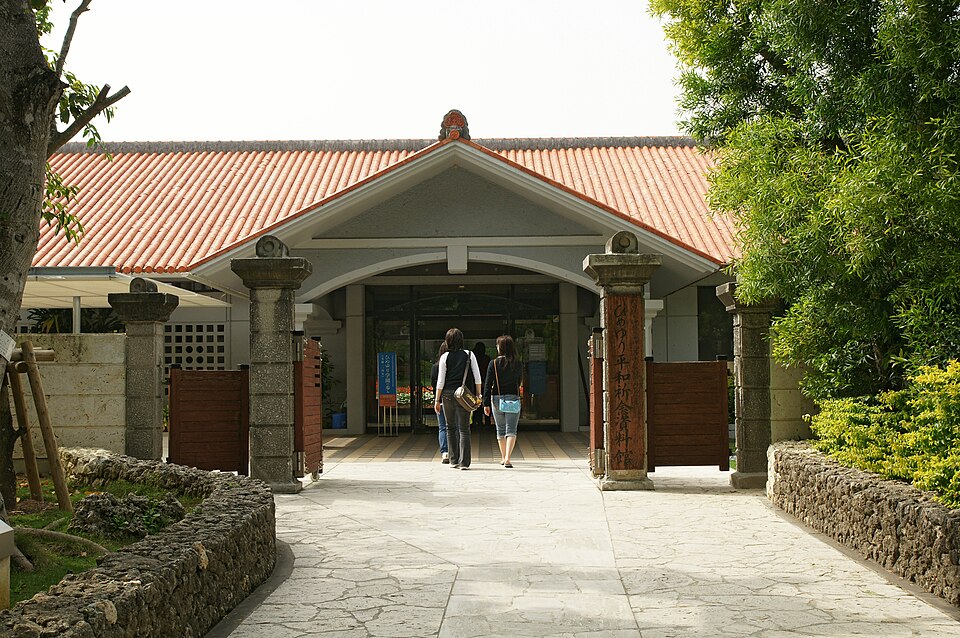
Himeyuri Peace Museum

Himeyuri Peace Museum

Itoman

A museum devoted to a group of schoolgirls and teachers who died in the Battle of Okinawa in 1945. It stands by the cave where they sheltered and perished. The exhibition and the testimonies of survivors are powerful and instructive.

Tip: It suits a calm afternoon and takes an hour to an hour and a half. Consider the age of children, as the exhibition is emotional.

Admission:
about ¥450
Time needed:
1–1.5 hrs
Kouri Island

Kouri Island

northern Okinawa

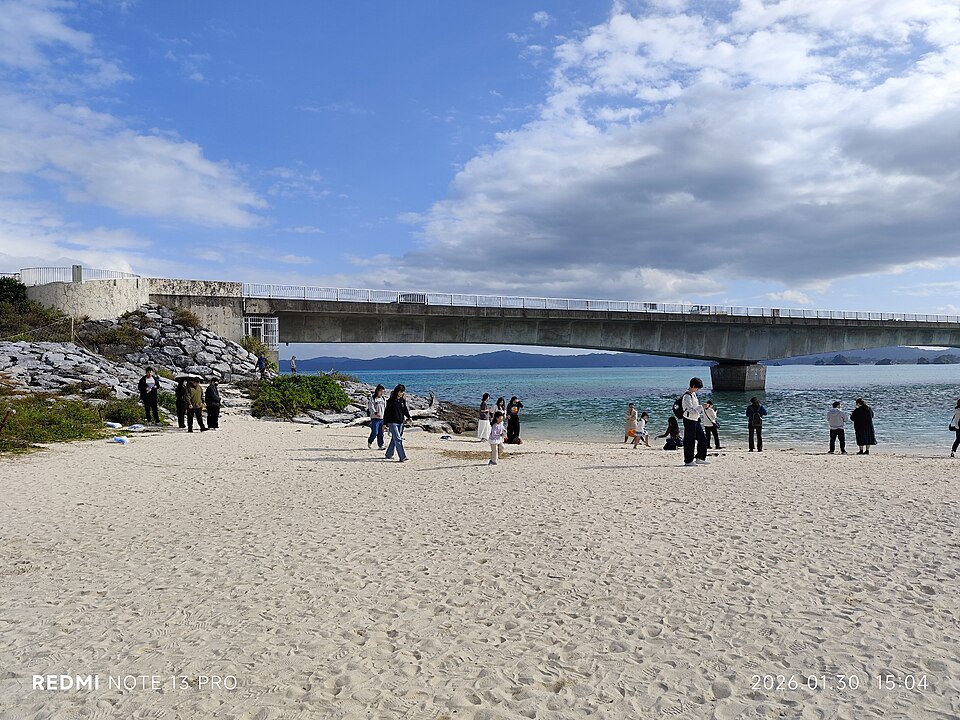
A small island linked to the main island by a long bridge across turquoise sea. There are white beaches, cafés and views, and the bridge is a favourite photography spot. The island suits a half-day trip by car.

Tip: Go in the morning before the coaches arrive; the bridge is two kilometres long. The beaches suit swimming, but beware of jellyfish in summer.

Admission:
free
Time needed:
half a day

Photos: Shuri Castle — CEphoto, Uwe Aranas (CC BY-SA 3.0) · Tamaudun — xiquinhosilva (CC BY 2.0) · Kokusai-dori and Makishi Market — Naha Mama Pavilionz (CC0) · Nakijin Castle — CEphoto, Uwe Aranas (CC BY-SA 3.0) · Sefa-utaki — そらみみ (CC BY-SA 4.0) · Himeyuri Peace Museum — 663highland (CC BY 2.5) · Kouri Island — NORTLAUKAU 26088 JP (CC0)

Where to stay

Areas and districts, matched to the kind of trip you are taking

Naha

Best for: centre, food and transport

The island's capital with Shuri Castle, the market and Kokusai-dori. It has the most restaurants and the best transport, including the monorail. Best for a first visit and a short stay.

Chatan and American Village

Best for: entertainment and beaches

A coastal district with American Village, shops, restaurants and beaches. In the evening it is lively and suits younger travellers. A bus to Naha takes half an hour.

Onna and Nago

Best for: resorts and the sea

The resort coast on the west of the island with luxury hotels, beaches and golf. It is calm and has the prettiest beaches. Suits rest and couples.

Motobu and Yanbaru

Best for: nature and the aquarium

The north of the island with the Churaumi Aquarium and the Yanbaru rainforest. Accommodation is more modest, but the nature wild. Suits travellers with a car.

Getting around

From the airport

Naha Airport (OKA) is only a few kilometres from the centre and is linked by the Yui Rail monorail. From Europe you fly to Tokyo or Osaka and continue by domestic flight in two to three hours. Flights run from Naha to other islands, such as Ishigaki and Miyako. From the airport the monorail takes ten minutes to the centre.

Naha Airport (OKA) · 4 km

  • Yui Rail monorail to the centre· 10 min· ¥260
  • Taxi to the centre· 15 min· ¥1,500

Around town

To see the island it is best to rent a car, as public transport outside Naha is sparse. You drive on the left and an international driving permit under the 1949 Geneva Convention is required. In Naha there are a monorail and buses, with long-distance buses between towns. Car rental costs from four thousand yen a day.

Yui Rail monorailFrom the airport through central Naha to Shuri. · ¥260
BusBetween Naha and the north of the island, sparse services. · ¥800
Car rentalFor the north and the beaches, drive on the left. · ¥5,000
TaxiIn Naha and to the airport. · ¥1,500

Useful apps: Google Maps, Navitime, Japan Transit Planner, Okinawa Bus

When to go

Okinawa has a subtropical climate with winter at around nineteen degrees and a hot summer at around thirty-two. The swimming season runs from May to October, but from June to October typhoons threaten, especially in August and September. The sea is warm all year, at twenty-one degrees in winter. The best time is April to June and October.

Best time

April to June and October

What to avoid

August and September (typhoons)

MonthJanFebMarAprMayJunJulAugSepOctNovDec
Day19°19°21°24°27°29°32°32°31°28°25°21°
Night14°14°16°18°21°24°26°26°25°22°19°16°
Rainy days14131413141391113101012
Sea22°21°22°23°25°27°29°29°28°27°25°23°

Food & drink

Okinawan cooking differs from the rest of Japan: it uses a lot of pork, tofu, seaweed and tropical vegetables. Okinawans are among the longest-lived people in the world and the diet is credited. Lunch costs eight hundred to two thousand yen.

What to try

Goya champuru

A stir-fry of bitter melon goya with tofu, egg and pork. The national dish of Okinawa, eaten in every restaurant.

Okinawa soba

A soup with thick wheat noodles, pork and broth. Unlike other soba, no buckwheat is used.

Rafute

Pork belly braised for a long time in soy sauce, awamori and sugar, soft and lightly sweet. A typical festive dish.

Umi-budo

Sea grapes — delicate beads of seaweed that pop in the mouth and taste of the sea. Served as a starter.

Taco rice

Rice with minced meat, cheese, lettuce and tomato in taco style, born near the American bases. A typical Okinawan fusion.

Sata andagi

Fried sweet doughnuts with a crisp crust, popular as a dessert or snack. Sold in bakeries.

Awamori

An Okinawan spirit of rice that matures in clay pots. Drunk neat, with ice or with water.

What it costs

Okinawa soba

¥800–1,200

Coffee

¥400–600

Lunch in a restaurant

¥1,000–2,000

Churaumi Aquarium

¥2,200

Shuri Castle

¥400

Car rental (day)

¥5,000–8,000

3★ hotel (night)

¥8,000–15,000

Monorail from the airport

¥260

Indicative prices that change over time — treat them as a guide, not a price list.

Practical information

SocketsAtwo flat pins (US/JP)Btwo flat pins plus ground (US)
Voltage100V / 50-60Hz
Tap waterTap water is drinkable — Tap water in Japan is clean and drinkable. In every restaurant you get cold water free.
TippingTipping is not given in Japan and can be taken as an insult. The price on the bill is final; a spoken thank-you is enough.
Driving on theleft
SafetyOkinawa is very safe. The risks are typhoons, strong currents and jellyfish, especially the venomous box jellyfish from June to October: swim only at protected beaches with nets. Beware of habu snakes in grass. The emergency number is 110 (police) and 119 (ambulance).
Opening hoursShops are open from ten to eight, restaurants from eleven to ten. Many businesses close on Monday. Sights open at nine and close at five or six.
Customs & etiquetteIn Japan shoes come off on entering homes and ryokans. At sacred sites and tombs keep calm. Do not eat while walking. On the beach do not walk on coral and do not collect shells.
A few local wordsHello — KonnichiwaThank you — Arigatō gozaimasuExcuse me / Sorry — SumimasenHow much is it? — Ikura desu ka?Delicious! — Oishii!The bill, please — O-kaikei onegaishimasuWhere is the toilet? — Toire wa doko desu ka?

How to plan your days

1 day

A day in Naha

  1. 1Morning Shuri Castle and the royal tomb of Tamaudun.
  2. 2Lunch — Okinawa soba.
  3. 3Afternoon Kokusai-dori and Makishi Market.
  4. 4Early evening Naminoue shrine and the beach.
  5. 5Evening dinner with rafute and awamori.

2 days

Two days: Naha and the north

  1. 1Day one as above.
  2. 2Day two by car to the north: Churaumi and Kouri Island.
  3. 3Afternoon Cape Manzamo.
  4. 4Evening a beach on the west coast.

3 days

Three days: Okinawa and the castles

  1. 1Days one and two as above.
  2. 2Day three Nakijin Castle and Sefa-utaki.
  3. 3Afternoon the Himeyuri museum.
  4. 4Evening return to Naha.

Day trips

Kerama Islands

40 km · 50 min by high-speed boat

A group of islands with coral reefs and clear water, the best place for snorkelling. High-speed boats run from Tomari port to Zamami and Tokashiki. Suits a full-day trip.

Yanbaru

80 km · 2 hrs by car

A rainforest in the north of the island with endangered animals and trails. It suits half a day with a car and a guide.

Miyako

290 km · 45 min by plane

An island with the whitest beaches in Japan and the Irabu bridge. Flights run from Naha several times a day and it suits a weekend.

Frequently asked questions

When is the best time to visit Okinawa?+

April to June and October, when it is warm, the sea pleasant and typhoons less frequent. You can swim from May to October. In August and September typhoons threaten, but the most tourists come in summer.

Do I need a visa for Japan?+

Citizens of the EU do not need a visa for a stay of up to ninety days. Before the trip it is advisable to complete Visit Japan Web. The passport must be valid for the whole stay. Conditions change, so check them.

Do I need a car?+

For the north of the island and the beaches yes, as public transport is sparse. In Naha the monorail and buses suffice. To drive an international driving permit under the 1949 Geneva Convention is required, and in Japan you drive on the left.

Is the sea safe?+

Yes, but from June to October venomous jellyfish threaten, so swim only at beaches with nets. Beware of currents and waves during typhoons. Protect the coral and do not collect shells.

How long should I stay on Okinawa?+

Four to five days are enough for Naha, the north and the castles. For the Kerama Islands or Miyako add two more days. Book transport and accommodation in advance.

How do I get to Okinawa from Tokyo?+

By plane in about three hours from Haneda or Narita, with flights several times a day. From Osaka the flight takes two hours. Tickets cost from five thousand yen on low-cost carriers.

What should I eat?+

Okinawa soba, goya champuru, rafute and umi-budo. With them awamori and Orion beer. The food is cheap and different from the rest of Japan.

Is Okinawa suitable with children?+

Yes, the beaches, the Churaumi Aquarium and Kouri Island suit children. In summer mind the sun and jellyfish. For transport a car is best.

Arrival Card

Fill in the required arrival card before your trip to avoid delays at immigration.

Complete Arrival Card

Visa Requirements

Check the latest visa requirements for entering this country. Some nationalities may need to apply for a visa or e-visa before travel.

Check visa requirements

Language

Japanese

Currency

JPY

Timezone

Asia/Tokyo

Dial Code

+81

Population

125M

Area

377,975 km²

Voltage

100V / 50-60Hz

Driving Side

Left

Top Hotels in Okinawa

Live prices from 500+ properties

Loading hotels...

More destinations in Japan

Planning a trip to Okinawa?

Compare hundreds of hotels, find the best price, and book with free cancellation on TravelManiac.