How many days do you need for Kyoto?+
At least 3 days for the main temples and districts, ideally 4–5 with day trips to Nara and Osaka. Kyoto is too big for a single day, and the experience gets lost in transit time. If you have 10–14 days for Japan, give Kyoto 4 nights.
How do I avoid the crowds?+
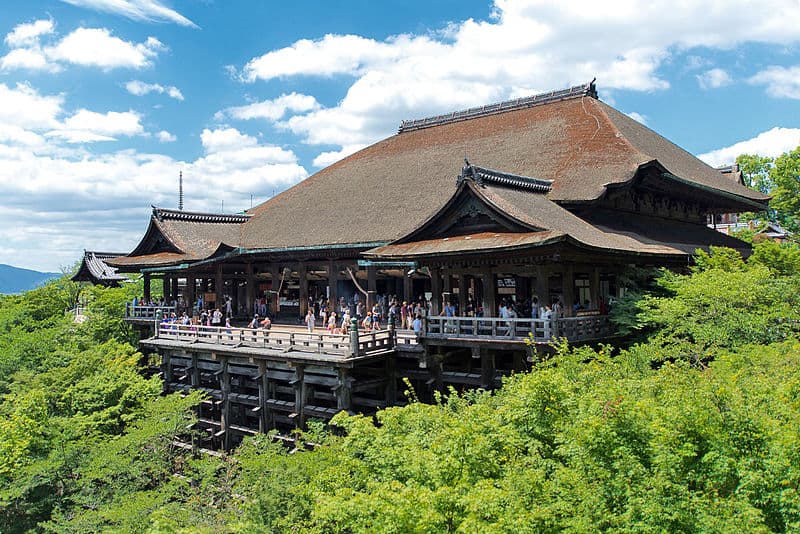
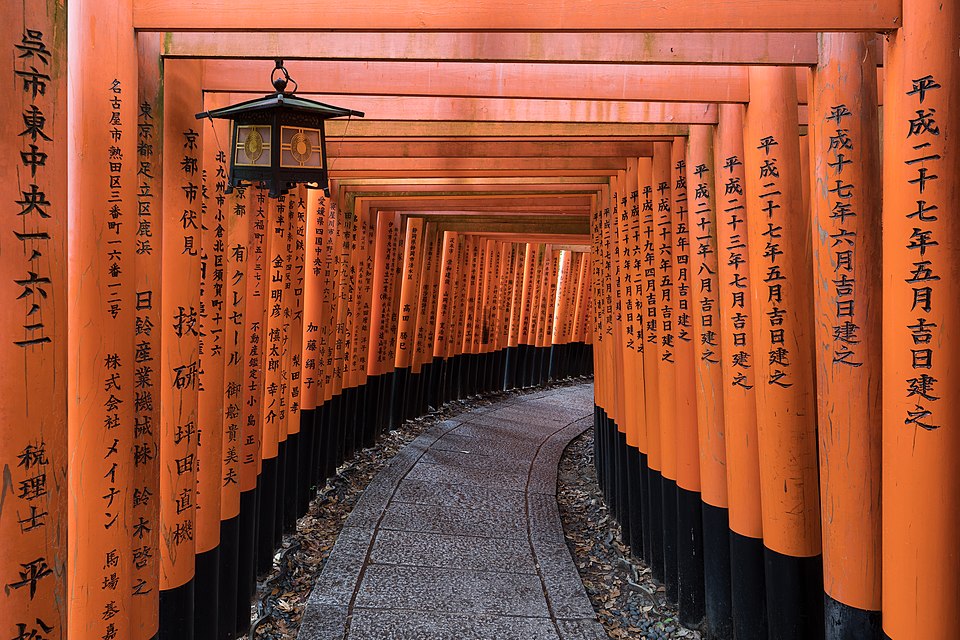
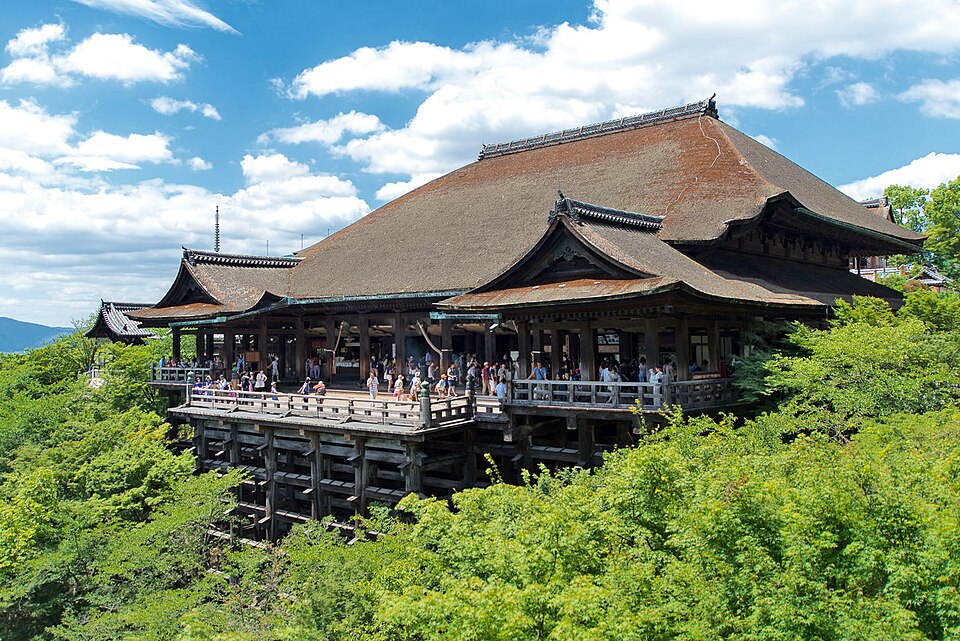
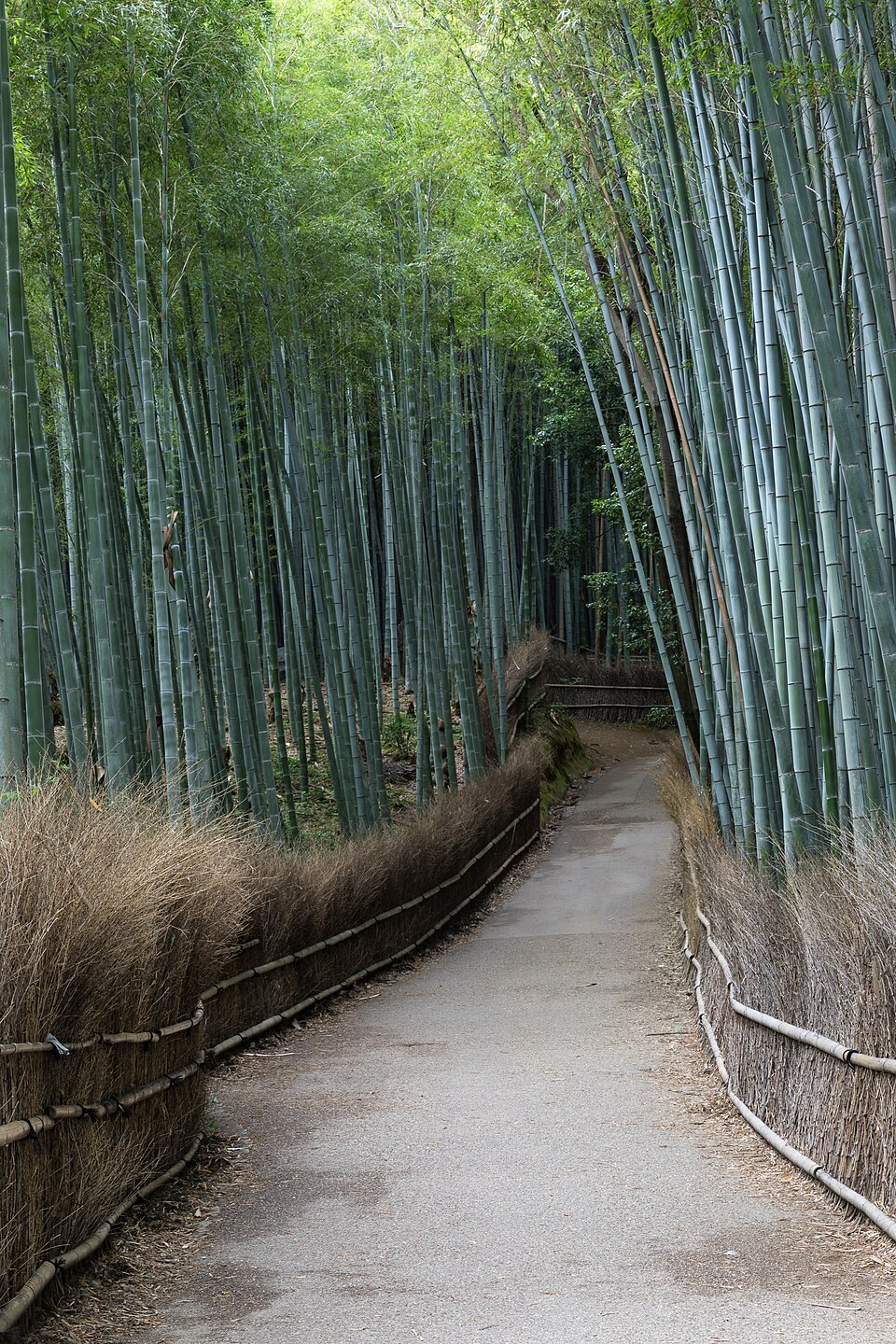
Get up early — visit key spots like Fushimi Inari, the bamboo grove and Kiyomizudera before 8am. In the afternoon, head to lesser-known temples such as Tofukuji, Daitokuji or Ninnaji. Don't avoid rainy days, as the temples empty out then. Avoid Japanese holidays in early May and mid-August.
When are the cherry blossoms and autumn colours in Kyoto?+
Cherry blossoms usually bloom from late March to the first week of April, prettiest along the Philosopher's Path, by the Shirakawa canal and in Arashiyama. Maple leaves turn from mid to late November. Both periods are the busiest of the year, and hotels book out 6 months ahead.
How can I see geisha?+
In Gion, on Hanamikoji street and around the Shirakawa canal, around 6pm, when maiko and geiko hurry to appointments at teahouses. Don't photograph them without permission, don't stop them, and don't enter the private alleys — that's banned and carries a fine. A tea ceremony or a dinner with a maiko performance, booked through a hotel or agency, is the legitimate way to see one up close.
Do I need a Japan Rail Pass?+
After the 2023 price rise, the nationwide JR Pass only pays off on very long trips across all of Japan. For Kyoto, Nara and Osaka, it's cheaper to pay for individual tickets with an ICOCA card or a regional Kansai pass. A one-way Shinkansen from Tokyo to Kyoto costs around JPY 14,000.
Is Kyoto expensive?+
Moderately. Temple admission runs JPY 400–800, eating at local diners is cheap, and hotels are expensive in season. From 2026, Kyoto is significantly raising its accommodation tax, up to several thousand yen a night at pricier hotels. You can eat cheaply at convenience stores, ramen shops and lunchtime set menus.
Should I stay in a ryokan?+
For at least 1 night, yes — a traditional inn with tatami mats, a futon, a yukata, a hot bath and a kaiseki dinner is an experience you don't get in a hotel. It costs from JPY 30,000 for 2 people including dinner and breakfast. Machiya, traditional townhouses converted into apartments, are cheaper.
How should I behave at temples and shrines?+
At Shinto shrines, bow at the torii gate, rinse your hands and mouth at the water basin, and at the main hall toss in a coin, bow twice, clap twice and bow once more. At Buddhist temples, you don't clap. Shoes come off before entering buildings, and photography indoors is often banned. Don't smoke or eat on temple grounds.