Hotels in Nagoya

A samurai castle, the Toyota factory, and a miso-based cuisine you won't taste anywhere else in Japan

Nagoya

LanguageEnglish
CurrencyJPY
TimezoneGMT+9
Temperature5-30 °C
Dial Code+81
Population125M
Area377,975 km²
SocketsType A / Type B
Tap waterDrinkable

Discover Nagoya

Nagoya is Japan's fourth-largest city and its industrial heartland, home to Toyota cars, aircraft, ceramics, and machinery. Visitors often just pass through by shinkansen between Tokyo and Kyoto, yet the city is worth a day or two in its own right. Three men who unified Japan in the sixteenth century — Oda Nobunaga, Toyotomi Hideyoshi, and Tokugawa Ieyasu — all came from Nagoya, and the castle Ieyasu had built, topped with golden dolphin-shaped shachihoko, ranks among the most famous in the country. Atsuta Shrine is said to hold a sacred sword, one of the three Imperial Regalia of Japan. Nagoya also has Japan's best hands-on technology museums, where children and adults alike can try out machines, plus a railway museum with shinkansen trains and a maglev. The local cuisine, Nagoya-meshi, is unlike anywhere else: sweet dark miso on pork cutlets, grilled eel served in three stages, and chicken wings. Nagoya is also an ideal base for trips into the Japanese Alps — the open-air village of Shirakawa-go, mountain town Takayama, or the shrine at Ise.

What to see

The places worth your time in Nagoya, and what to expect at each

Nagoya Castle

Nagoya Castle

名古屋城

Naka-ku

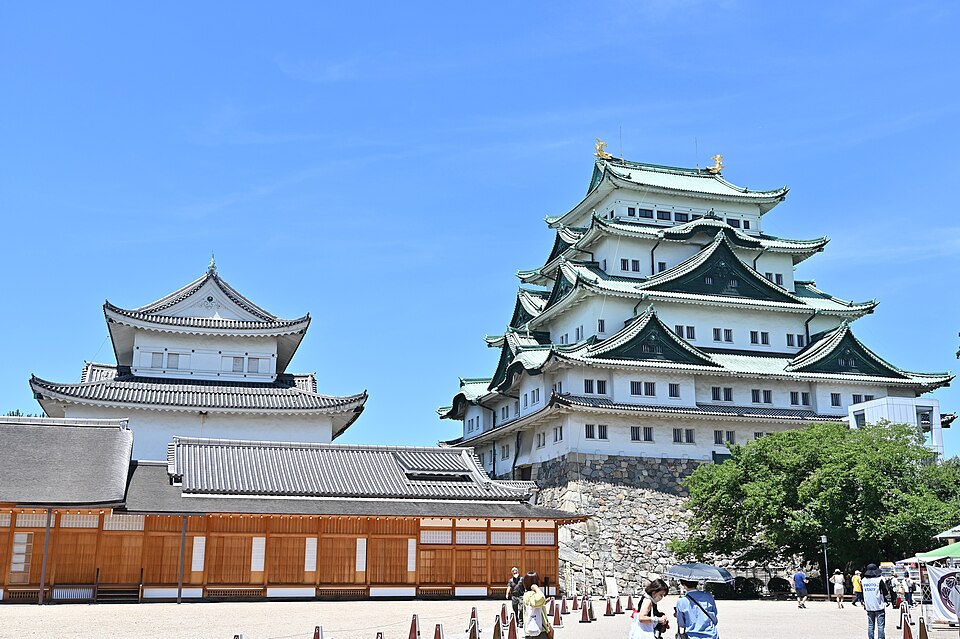
A castle completed in 1612 for the Tokugawa clan, one of the largest in Japan. Two golden dolphin-shaped shachihoko sit atop the main keep's roof ridge, the symbol of the city. The tower burned down in the 1945 bombing and was rebuilt in concrete; the Honmaru Palace was completed in 2018 in its original wooden form, with painted sliding doors.

Tip: The main keep has been closed since 2018 pending a planned rebuild as a wooden replica, but the Honmaru Palace is the main reason to visit anyway — the gold-leaf paintings of tigers and panthers on the walls are stunning. Shoes come off inside the palace. The grounds hold over a thousand cherry trees, lit up in the evening during spring. Near Kanayama Gate is Kinshachi Yokocho, a street of restaurants serving local dishes.

Admission:
500 JPY
Time needed:
1.5–2 h
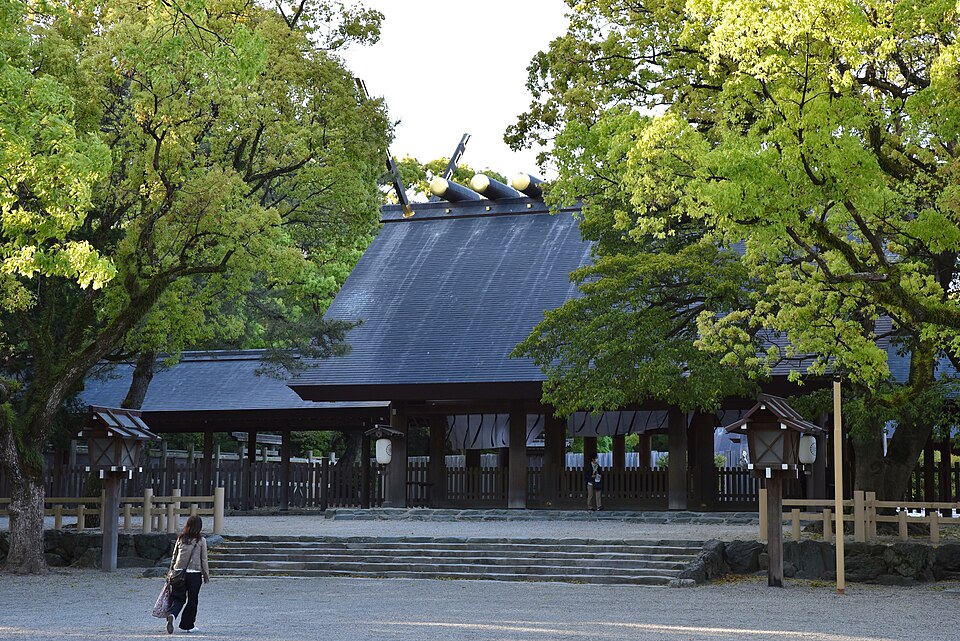
Atsuta Shrine

Atsuta Shrine

熱田神宮

Atsuta

One of Japan's most important Shinto shrines, traditionally founded nineteen centuries ago. It houses the sacred sword Kusanagi, one of the three Imperial Regalia, which no one is permitted to see. The grounds, with giant camphor trees over a thousand years old, form a peaceful forest in the middle of the city.

Tip: The Kusanagi-kan treasury displays other swords and treasures of the shrine, including a giant blade over two metres long. Right next to the shrine is the famous Atsuta Horaiken restaurant, serving grilled eel hitsumabushi since 1873 — a queue forms an hour before opening, so arrive early. Jingu-mae station is a two-minute walk away.

Admission:
free, treasury 500 JPY
Time needed:
1 h
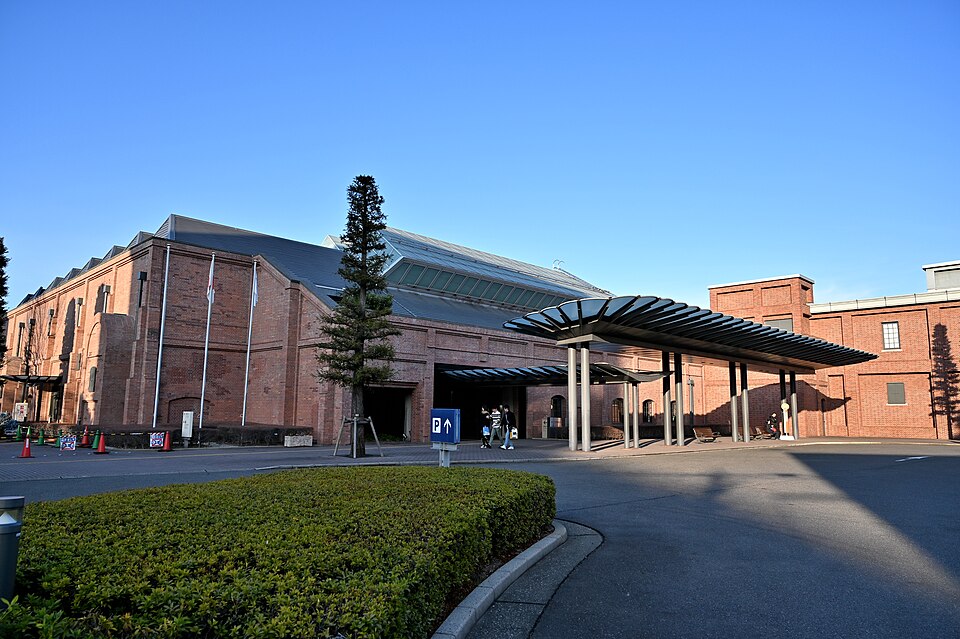
Toyota Commemorative Museum of Industry and Technology

Toyota Commemorative Museum of Industry and Technology

トヨタ産業技術記念館

Nishi-ku

A museum housed in the original brick loom factory where Sakichi Toyoda got his start, whose son went on to found the car company. It traces the path from hand looms to the robots that assemble cars today. The machines run live, and visitors can try most of them out.

Tip: Technicians demonstrate historic looms and machines at set times, posted at the entrance — the most impressive sight is the giant hall of running looms. The automobile section shows body assembly starting from sheet-metal pressing. For car enthusiasts, this beats the Toyota museum in Toyota City, an hour away. Closed Mondays, with a free English audio guide.

Admission:
1,000 JPY
Time needed:
2–3 h
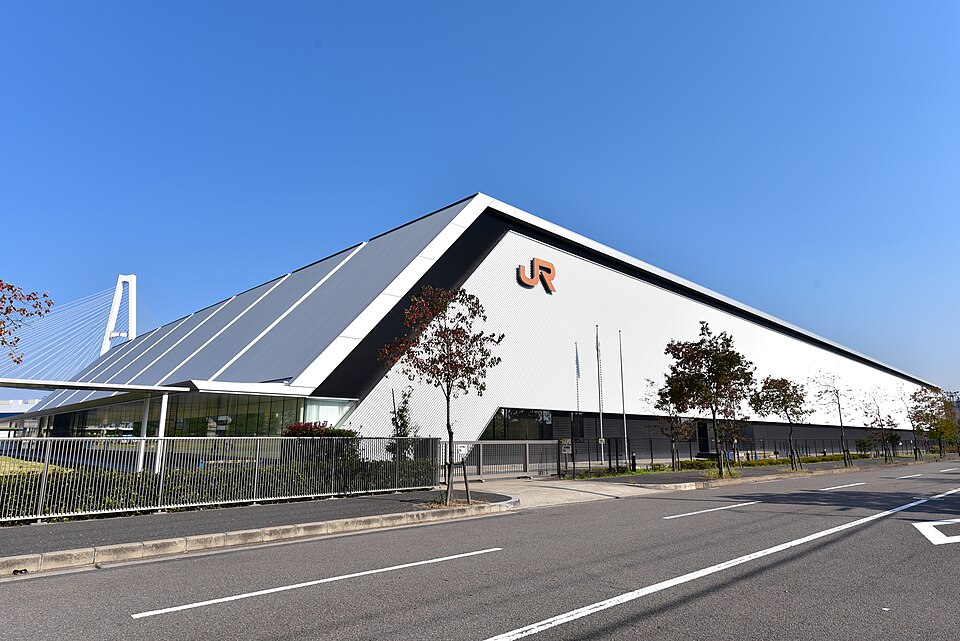
SCMaglev and Railway Park

SCMaglev and Railway Park

リニア・鉄道館

Kinjo Wharf

A museum run by railway company JR Central, with nineteen real trains: steam locomotives, historic Series 0 and 300 shinkansen, and an experimental maglev that hit 581 km/h in 2003. A giant model railway layout depicts a day across the Japanese landscape.

Tip: The shinkansen driving simulators are popular, and spots are assigned by lottery at entry, so sign up right away. Some train cabs are open to enter. The museum sits in Kinjo Wharf, twenty-four minutes by Aonami Line train from the main station. Closed on Tuesdays. With kids, plan for half a day.

Admission:
1,000 JPY
Time needed:
2–3 h
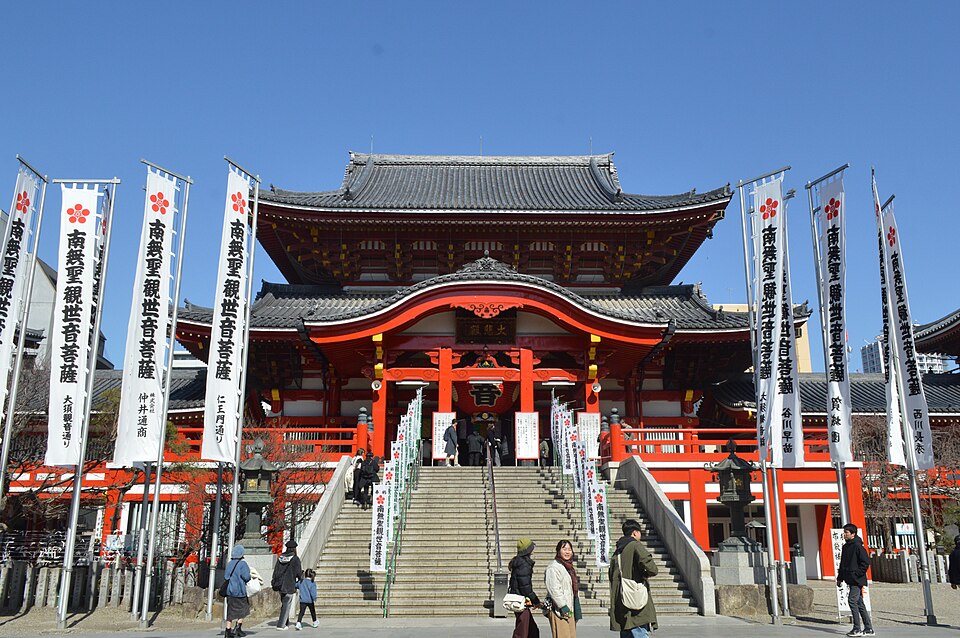
Osu Kannon and Osu shopping street

Osu Kannon and Osu shopping street

大須観音

Naka-ku

A Buddhist temple to Kannon, the goddess of mercy, relocated here in 1612, with a red main hall and a library holding some of Japan's oldest manuscripts. Behind it sprawls the Osu district, four hundred shops under covered arcades: electronics, anime goods, secondhand clothing, and food stalls.

Tip: An antiques market sets up in front of the temple on the 18th and 28th of each month. Osu is the best place in Nagoya for street food — try fried chicken karaage, Taiwanese fried chicken, and mochi. In early August the World Cosplay Summit brings a parade of costumes from around the world. Osu Kannon station sits on the Tsurumai Line.

Admission:
free
Time needed:
1.5–2 h
Tokugawa Art Museum

Tokugawa Art Museum

徳川美術館

Higashi-ku

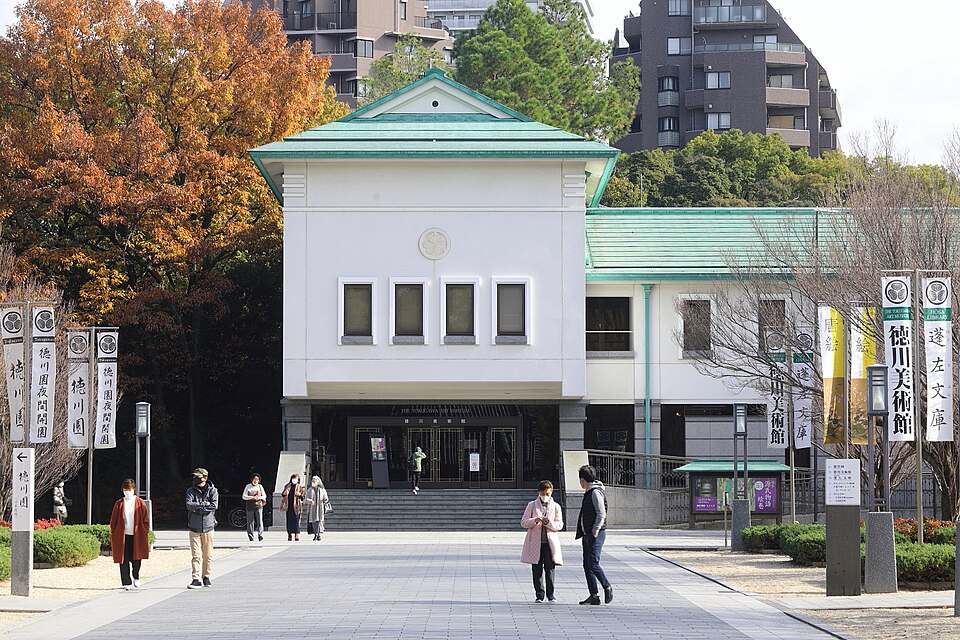
A private museum of the Tokugawa clan, rulers of Owari Province, holding over ten thousand objects: samurai armor and swords, tea ceremony implements, Noh theatre masks, and above all the oldest surviving illustrated scroll of The Tale of Genji from the twelfth century, a National Treasure.

Tip: The Tale of Genji scroll is displayed only briefly once a year, usually in November; otherwise copies are shown, so check the dates. Next to the museum is the Japanese garden Tokugawaen, with a pond and waterfall, colourful maples in autumn, and evening illumination. A combined ticket is cheaper. Closed Mondays.

Admission:
1,600 JPY
Time needed:
1.5 h
Noritake Garden

Noritake Garden

ノリタケの森

Nishi-ku

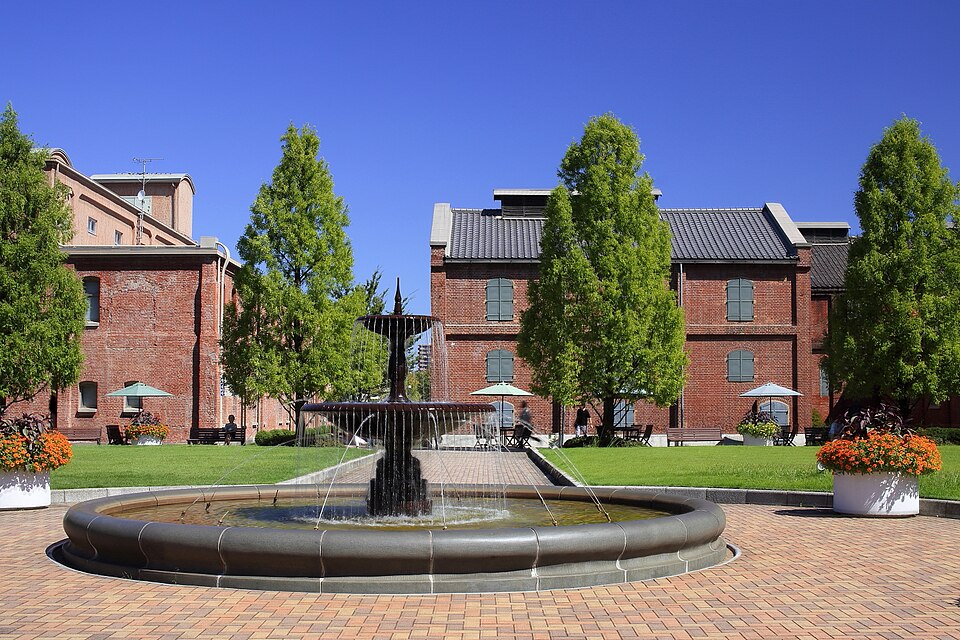
The grounds of the historic factory of the famous Noritake porcelain maker, dating to 1904, with brick buildings, a garden, and a museum. It traces the development of Western-style porcelain in Japan, and workshops let visitors watch pattern painting or decorate their own plate.

Tip: The garden is free and pleasant to stroll, with admission charged only for the museum and workshop. The shop sells second-grade porcelain at a discount, a good souvenir. It's a ten-minute walk from Nagoya Station and five minutes from the Toyota museum, so combine both into one morning.

Admission:
garden free, museum 500 JPY
Time needed:
1 h
Nagoya TV Tower

Nagoya TV Tower

中部電力 MIRAI TOWER

Sakae

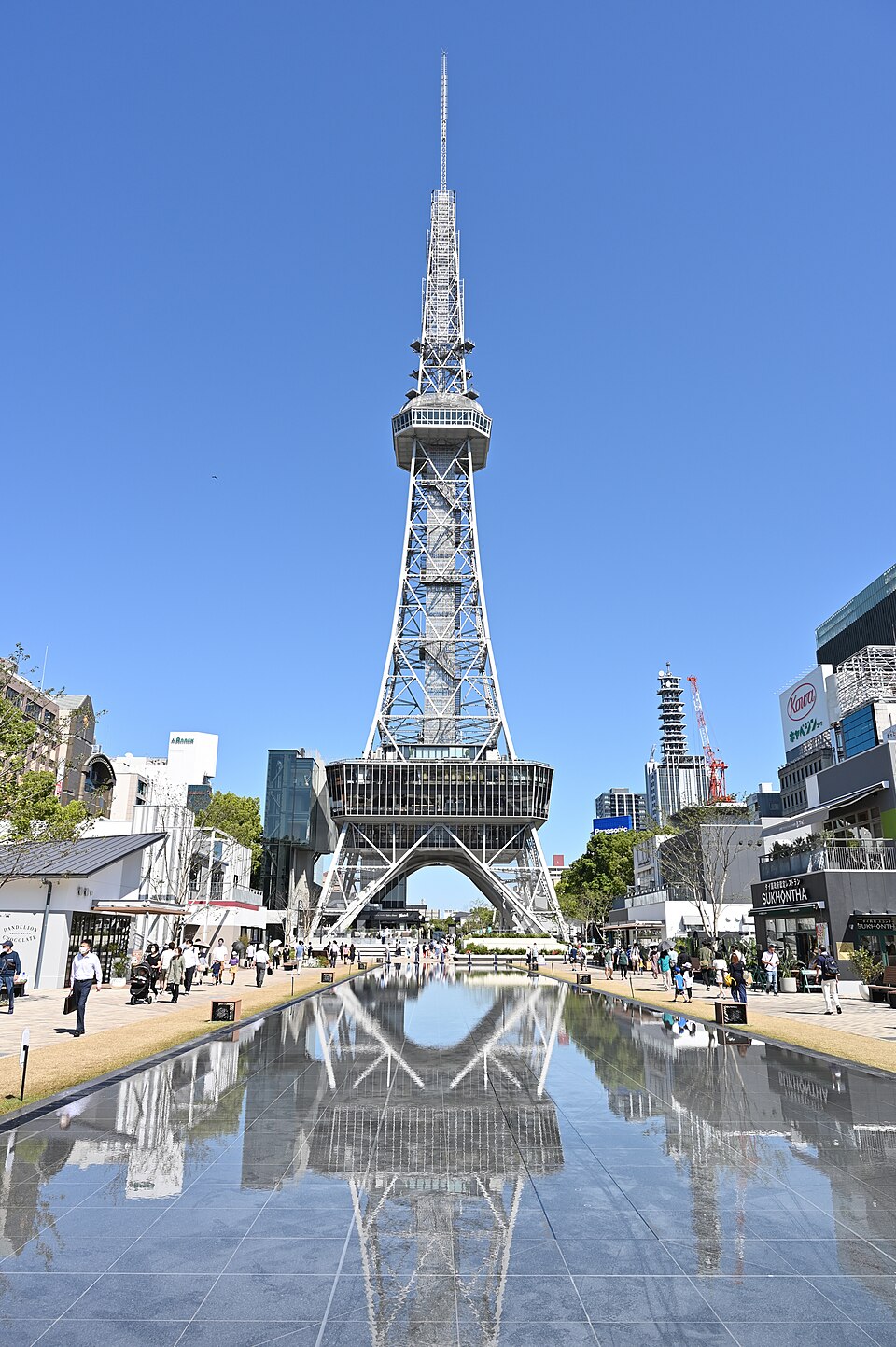
Japan's oldest television tower, built in 1954, standing one hundred eighty metres tall in the middle of Hisaya-odori Park downtown. After renovation it became the first tower registered as a National Tangible Cultural Property. The observation deck offers views over the whole city and, on clear days, the mountains beyond.

Tip: The tower is at its best in the evening, lit up with the park below glowing too. Right next door is Oasis 21, a futuristic glass roof over a bus terminal with a shallow pool on top you can walk across — free, and the best spot for a night photo of the tower. Below it lies the Sakae shopping district.

Admission:
1,300 JPY
Time needed:
45 min
Port of Nagoya Public Aquarium

Port of Nagoya Public Aquarium

名古屋港水族館

Port area

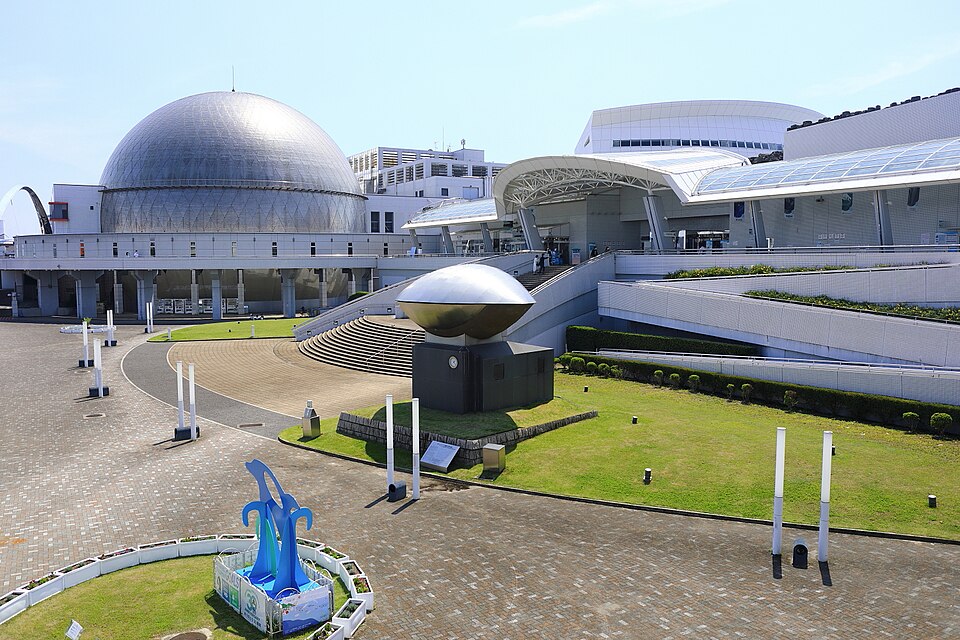
One of Japan's largest aquariums, spread across two buildings: the north building with orcas, dolphins, and belugas, and the south building tracing a path from the Sea of Japan to Antarctica and its penguins. An outdoor stadium seating three thousand hosts the dolphin show.

Tip: Dolphin shows run several times a day; times are posted at the entrance, and front-row seats get splashed. The aquarium sits in the port near Nagoyako subway station and can be combined with the view from the Port Building. Keep in mind that keeping orcas and dolphins in captivity is controversial. Closed Mondays.

Admission:
2,030 JPY
Time needed:
2–3 h

Photos: Nagoya Castle — Bariston (CC BY-SA 4.0) · Atsuta Shrine — Bariston (CC BY-SA 4.0) · Toyota Commemorative Museum of Industry and Technology — Bariston (CC BY-SA 4.0) · SCMaglev and Railway Park — Bariston (CC BY-SA 4.0) · Osu Kannon and Osu shopping street — Asturio Cantabrio (CC BY-SA 4.0) · Tokugawa Art Museum — Tomio344456 (CC BY-SA 4.0) · Noritake Garden — Tomio344456 (CC BY-SA 4.0) · Nagoya TV Tower — Bariston (CC BY-SA 4.0) · Port of Nagoya Public Aquarium — Tomio344456 (CC BY-SA 4.0)

Where to stay

Areas and districts, matched to the kind of trip you are taking

Nagoya Station (Meieki)

Best for: day trips, shinkansen, first visit

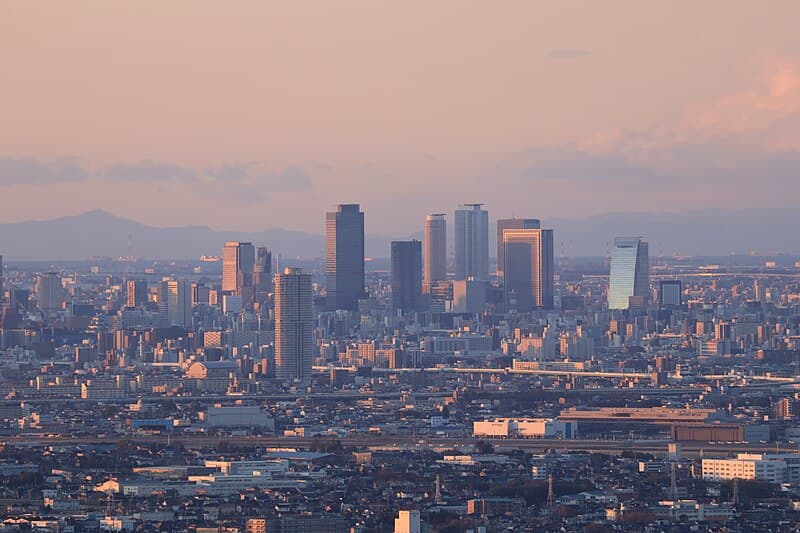
The area around one of the largest stations in the world, with the JR Central Towers skyscrapers, department stores, underground passages, and hotels. The shinkansen, trains to the Alps, and the airport train all depart from here. The most convenient base for day trips, though it has less atmosphere in the evening.

Sakae

Best for: shopping, restaurants, nightlife

The commercial and entertainment hub, with department stores, the TV tower, Oasis 21, and hundreds of restaurants and bars. The liveliest district in the city and a good base for a short stay, five minutes from the station by subway.

Osu and Kamimaezu

Best for: cheaper hotels, street food

A down-to-earth district around Osu Kannon temple, with shops, secondhand stores, and food stalls. Hotels here are smaller and cheaper, and the atmosphere is more relaxed. Sakae is a twenty-minute walk away.

Kanayama

Best for: budget, transport hub

A transport hub in the south with cheap business hotels, connections to the airport and Atsuta. Nothing much to see, but a practical, budget base with a fast link to the airport.

Getting around

From the airport

Chubu Centrair International Airport sits on an artificial island in the bay, thirty-five kilometres south of Nagoya. From Europe it's reached with one connection, most often via Helsinki, Dubai, Frankfurt, or via Seoul and Tokyo; the journey from Prague takes fifteen to eighteen hours. Many visitors instead fly into Tokyo and reach Nagoya by Nozomi shinkansen in an hour and forty minutes, or just thirty-five minutes from Kyoto. Czech citizens don't need a visa for stays up to ninety days.

Nagoya Chubu Centrair (NGO) · 35 km

  • Meitetsu μSKY train to Nagoya Station· 28 min· 1,250 JPY
  • Limousine Bus to Sakae· 60–85 min· 1,500 JPY
  • Taxi to downtown· 45 min· 15,000 JPY

Around town

Nagoya has six subway lines covering downtown, the castle, Sakae, Osu, and Atsuta, supplemented by JR and Meitetsu trains. The manaca card or any Japanese IC card, including Suica, works throughout. For visitors, the Donichi Eco Kippu day pass is a good deal, valid on weekends and offering discounts on castle and museum admission. The Me-guru sightseeing loop bus connects the castle, museums, and the Tokugawa Art Museum. Streets are wide and straight, since the city was replanned after the war, and it's easy to get around on foot.

Subway (manaca/Suica)Six lines, fare based on distance. · 210 JPY
Donichi Eco KippuUnlimited subway and buses on weekends and holidays, plus discounted admission. · 620 JPY / day
Me-guru busLoop route between the castle, museums, and Tokugawa Art Museum, day pass. · 500 JPY / day
TaxiBase fare around 500 JPY. · 500 JPY

Useful apps: Google Maps, Japan Transit Planner (Norikae Annai), Suica (Apple/Google Wallet), GO Taxi, Tabelog

When to go

The best time to visit is spring, from late March to May, when cherry blossoms fill the castle grounds, and autumn from October to November. Summer in Nagoya is among the hottest in Japan — the Nobi Plain regularly tops thirty-five degrees in August amid high humidity. June is rainy, and typhoons threaten from August through September. Winter is sunny, dry, and cold, with an icy northwesterly wind called ibuki-oroshi blowing down from the mountains, and occasional snow. At the turn of September and October, the Nagoya Festival features parades with performers dressed as the three unifiers of Japan.

Best time

late March–May, October–November

What to avoid

August (heat above 35°C), Golden Week

MonthJanFebMarAprMayJunJulAugSepOctNovDec
Day9°10°14°20°24°27°31°33°29°23°17°11°
Night1°1°5°10°15°20°24°25°21°15°9°3°
Rainy days561010101212911865

Food & drink

Nagoya has its own cuisine, Nagoya-meshi, which you'll rarely taste anywhere else in Japan and which locals defend with pride. Its foundation is dark, sweet hatcho miso made from soybeans, aged for two years in cedar barrels; it's spread on pork cutlets, cooked into noodles, and simmered into oden. Other specialties include grilled eel hitsumabushi, chicken wings tebasaki, flat kishimen noodles, and iron-plate spaghetti topped with an egg. Nagoya also has its own café culture: order a coffee in the morning and you'll get a free breakfast of toast and egg with it, known as the morning service. Local food is hearty and salty, ideal alongside a beer.

What to try

Miso katsu

A pork cutlet tonkatsu topped with a thick, sweet sauce made from dark hatcho miso, served with cabbage. The most famous chain is Yabaton, marked by its pig-in-a-wrestling-apron logo.

Hitsumabushi

Grilled eel in a sweet sauce, sliced into strips over rice in a wooden bowl, eaten in three stages: plain first, then with spring onion and wasabi, and finally doused in broth. An expensive dish, around five thousand yen, but a real experience.

Tebasaki

Chicken wings fried without batter, brushed with a sweet sauce, and dusted with pepper and sesame. Eaten with your hands alongside beer; the chains Sekai no Yamachan and Furaibo are famous for them.

Miso nikomi udon

Thick, firm udon noodles simmered in a miso broth in a clay pot with egg and chicken. The noodles are deliberately chewy, and the pot's lid doubles as a plate.

Kishimen

Flat, wide wheat noodles in a light broth with dried-fish shavings and vegetables. Standing noodle bars serving kishimen line the platforms of Nagoya Station, letting you eat a quick meal between trains.

Morning service

A Nagoya café tradition: order a morning coffee for four to five hundred yen and get free toast, egg, salad, and sometimes ogura toast with sweet red-bean paste. The best-known chain is Komeda Coffee.

Ramen

Wheat noodles in broth — soy-based shoyu, salt-based shio, miso, or thick pork-based tonkotsu. You order at a vending machine by the entrance, hand the ticket to the cook, and eat quickly and loudly; slurping is considered correct. A bowl runs eight hundred to fifteen hundred yen.

Yakitori

Chicken skewers grilled over charcoal — not just breast meat but skin, heart, liver, and a meatball called tsukune. A classic evening dish with beer at small spots under the railway bridges; you order by the skewer, salted (shio) or with sauce (tare).

What it costs

Morning service at a café

450–600 JPY

Kishimen at the station

500–800 JPY

Miso katsu set

1,200–1,800 JPY

Hitsumabushi

4,000–6,000 JPY

Tebasaki with a beer

1,500–2,500 JPY

Subway ride

210–340 JPY

Toyota museum admission

1,000 JPY

Night in a 3-star hotel for two

10,000–20,000 JPY

Indicative prices that change over time — treat them as a guide, not a price list.

Practical information

SocketsAtwo flat pins (US/JP)Btwo flat pins plus ground (US)
Voltage100V / 50-60Hz
Tap waterTap water is drinkable — Tap water is safe and good quality throughout Japan, and drinking fountains are found at stations and in parks. Every restaurant brings you a free glass of water or iced tea the moment you sit down, refilled without asking. Vending machines stand on every corner and accept coins as well as transit cards; a bottle of water costs one hundred to one hundred fifty yen, and in winter they also sell hot canned drinks.
TippingTipping doesn't happen anywhere in Japan, and a coin left on the table will have a server chasing after you down the street to return it — it's seen as a mistake, not a gesture. You pay at the till by the exit, not at the table, and money is placed on a small tray rather than handed over directly. Cards are now accepted almost everywhere, but small ramen shops with ticket machines, temples, and street stalls remain cash-only; ATMs at 7-Eleven convenience stores reliably accept foreign cards. The most practical way to pay is a loaded Suica or Pasmo transit card, which also works in shops and at vending machines.
Driving on theleft
SafetyJapan is one of the safest countries in the world — a lost wallet is routinely returned with its contents intact, and walking at night feels perfectly safe. The real risks are natural: earthquakes (find the emergency exit at your hotel and keep phone alerts enabled), typhoons from August to October that can halt trains for a day, and summer heat combined with humidity that puts tourists in hospital every year. In nightlife districts, the one genuine scam is street touts inviting you into a bar where the bill balloons to tens of thousands of yen. Emergency numbers are 110 (police) and 119 (ambulance and fire).
Opening hoursShops and department stores open at ten and close at eight in the evening; convenience stores (7-Eleven, Lawson, FamilyMart) are open around the clock and sell food, tickets, and SIM cards. Restaurants serve lunch from eleven to two and dinner from five; outside those hours, mainly chains stay open. Temples and gardens close early, often between four-thirty and five, and museums are closed on Mondays. The subway and trains stop running around midnight, after which only an expensive taxi remains. Watch out for Golden Week (April 29 to May 5), the mid-August Obon holiday, and the New Year period — the whole country travels and hotel prices double.
Customs & etiquetteShoes come off in homes, traditional ryokan inns, many restaurants with tatami seating, and shop changing rooms — wherever you see a step up and a shoe rack, take your shoes off. On escalators, people stand on the left in Tokyo and on the right in Osaka. Phone calls and loud conversation are avoided on trains. Eating while walking on the street is frowned upon; food bought at a convenience store is eaten right outside the shop. Street bins are practically nonexistent, so carry your rubbish with you. Chopsticks should never be stuck upright into rice, and food should never be passed from one set of chopsticks to another — both gestures are associated with funerals. Tattoos may bar you from entering an onsen hot spring; cover smaller ones with a plaster.
A few local wordsHello — KonnichiwaThank you — Arigato gozaimasuExcuse me (also used to call a server) — SumimasenHow much is it? — Ikura desu ka?The bill, please — Okaikei onegaishimasuThat was delicious (said after a meal) — Gochisosama deshita

How to plan your days

1 day

Nagoya in one day

  1. 1Morning service at a café.
  2. 2Nagoya Castle and Honmaru Palace.
  3. 3Lunch of miso katsu, then the Toyota museum.
  4. 4Afternoon at Osu Kannon and the shopping street.
  5. 5Evening in Sakae, Oasis 21, and tebasaki with a beer.

2 days

Two days: castle and trains

  1. 1Day 1: the castle, Toyota museum, and Noritake Garden.
  2. 2Day 1 evening: Sakae and the TV tower.
  3. 3Day 2: Atsuta Shrine and hitsumabushi for lunch.
  4. 4Day 2 afternoon: SCMaglev and Railway Park.
  5. 5Day 2 evening: Osu.

3 days

Three days with Inuyama

  1. 1Day 1: the castle, Toyota, and Sakae.
  2. 2Day 2: Meitetsu train to Inuyama, the castle, and the old town.
  3. 3Day 2 evening (summer): cormorant fishing on the Kiso River.
  4. 4Day 3: Atsuta and the Tokugawa Art Museum.
  5. 5Day 3 afternoon: Osu, evening at an izakaya serving Nagoya cuisine.

Day trips

Inuyama Castle

30 km · 30 min by train

One of Japan's twelve original castles and the oldest surviving keep, dating to 1537, a National Treasure. It stands on a bluff above the Kiso River, and the fourth-floor gallery offers views over the surrounding countryside. Below the castle lies an old town with sweet shops, and in summer the river hosts traditional cormorant fishing. The Meitetsu train from Nagoya Station takes half an hour.

Shirakawa-go and Takayama

150 km · 2.5–3 h by bus

A UNESCO-listed mountain village of steep-thatched gassho-zukuri houses built to shed metres of snow, alongside the old merchant town of Takayama with its wooden houses, sake breweries, and morning markets. It's a long day trip; staying overnight in Takayama is a better option. Buses depart from Nagoya Station — book ahead. In winter, the snow-covered, illuminated houses are unforgettable.

Ise Shrine

110 km · 1.5 h by Kintetsu train

Japan's most sacred Shinto shrine, dedicated to the sun goddess Amaterasu, ancestor of the imperial family. Every twenty years the shrine is rebuilt anew beside the original in exactly the same form, most recently in 2013. It comprises an inner and outer shrine set in a cedar forest, connected by bus. In front of the inner shrine runs the historic Okage Yokocho street.

Frequently asked questions

Is Nagoya worth a stop?+

Yes, for one or two days, especially if you're into castles, cars, and trains. It's also the best base for the Japanese Alps, Shirakawa-go, and Ise. It sits on the shinkansen line between Tokyo and Kyoto, so you can easily break your journey here.

Is the main castle keep open?+

No, the 1959 concrete tower is closed and is due to be replaced with a wooden replica built to the original plans; the completion date has slipped repeatedly. The Honmaru Palace, the gardens, and the ramparts are open and are the main reason to visit.

What is Nagoya-meshi?+

A local cuisine built on dark miso, grilled eel hitsumabushi, chicken wings tebasaki, flat kishimen noodles, and miso nikomi udon. You'll find the best versions in izakayas around the station or in Osu.

How do I get there from Tokyo?+

The Nozomi shinkansen from Tokyo takes an hour and forty minutes, the Hikari a bit longer. Long-distance buses are cheaper at five to six hours, including overnight services.

Can I visit the Toyota factory?+

Yes, in the city of Toyota an hour from Nagoya, assembly-line tours run with advance booking through the Toyota Kaikan website. Spots are limited and tours don't run during holiday periods. The museum in Nagoya itself is open without a reservation.

How much does hitsumabushi cost?+

At well-known restaurants, four to six thousand yen per portion. Cheaper versions are available at chains and department stores. Eel is expensive in Japan because of declining wild stocks.

What is Ghibli Park?+

A theme park based on Studio Ghibli films, opened in 2022 in Expo Park in the town of Nagakute, forty minutes from Nagoya. Tickets go on sale online months ahead and sell out instantly. It isn't a roller-coaster park but rather a walk-through set built from the films.

When is the best weather?+

April and May, then October and November. August is one of the hottest months in Japan, and Nagoya gets extremely muggy. Winter is sunny and cold, ideal for trips into the snowy mountains.

Arrival Card

Fill in the required arrival card before your trip to avoid delays at immigration.

Complete Arrival Card

Visa Requirements

Check the latest visa requirements for entering this country. Some nationalities may need to apply for a visa or e-visa before travel.

Check visa requirements

Language

Japanese

Currency

JPY

Timezone

GMT+9

Dial Code

+81

Population

125M

Area

377,975 km²

Voltage

100V / 50-60Hz

Driving Side

Left

Top Hotels in Nagoya

Live prices from 500+ properties

Loading hotels...

More destinations in Japan

Planning a trip to Nagoya?

Compare hundreds of hotels, find the best price, and book with free cancellation on TravelManiac.