More canals than Venice, and the home of balti curry
Birmingham
IdiomaEnglish
MonedaGBP
Huso horarioGMT+0
Temperatura6-22 °C
Prefijo+44
Población67.7M
Área243,610 km²
EnchufesTipo G
Agua del grifoPotable
Descubra Birmingham
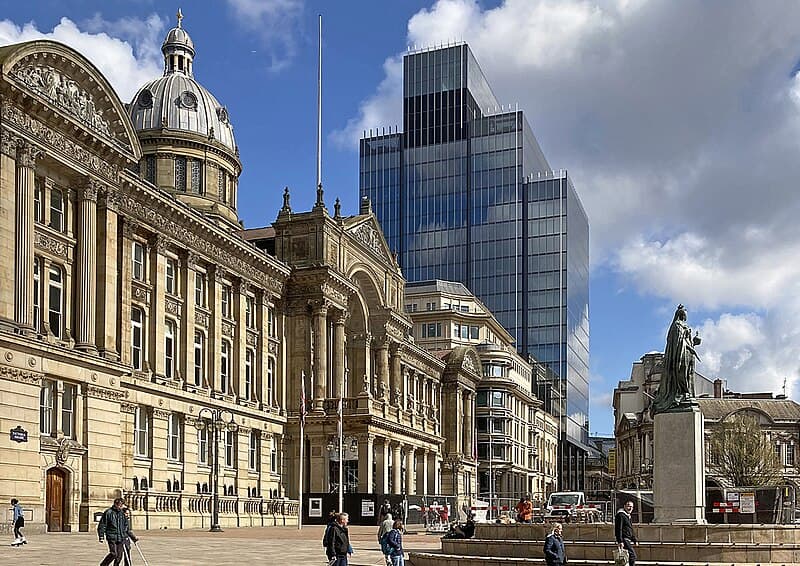
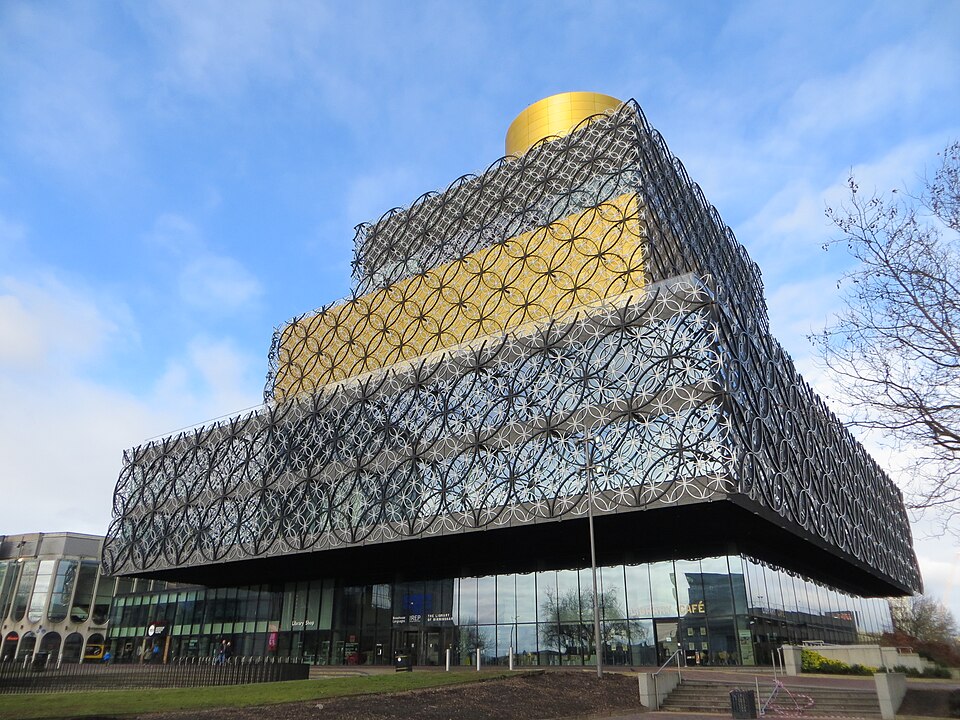
Birmingham is England's second-largest city and once the workshop of the world — in the 19th century, its thousands of small workshops turned out everything from buttons and pens to steam engines and guns. After the war the city demolished much of its historic centre and built ring roads and concrete buildings, earning a reputation for ugliness it has spent the last 20 years working hard to shed. Restored canals — Birmingham has more of them than Venice — are now lined with bars and restaurants, a new library with a metal-ringed facade has become a symbol of the city, and the Jewellery Quarter still produces roughly a third of all jewellery made in Britain. Birmingham is Europe's youngest major city, and nearly half its population has roots in South Asia or the Caribbean, which shows in the food: balti curry was invented here. Cadbury's chocolate factory stands on the city's southern edge, and Tolkien grew up nearby, drawing on the surroundings for his Shire. Birmingham also makes a convenient base for trips to Stratford, Warwick and the Cotswolds.
What to see
The places worth your time in Birmingham, and what to expect at each
Library of Birmingham
Centenary Square
One of the largest public libraries in Europe, opened in 2013, with a facade of interlocking metal rings inspired by the city's jewellery-making tradition. Inside are escalators between library rotundas, rooftop gardens, and the Shakespeare Memorial Room at the top.
Tip: Take the lift to the seventh floor for the Secret Garden terrace — the view over the city is free. The ninth floor holds the Shakespeare Memorial Room, moved from the old 1882 library. The library stands on Centenary Square next to the concert hall and theatre.
Admission:
free
Time needed:
1 h
Birmingham Museum and Art Gallery
Chamberlain Square
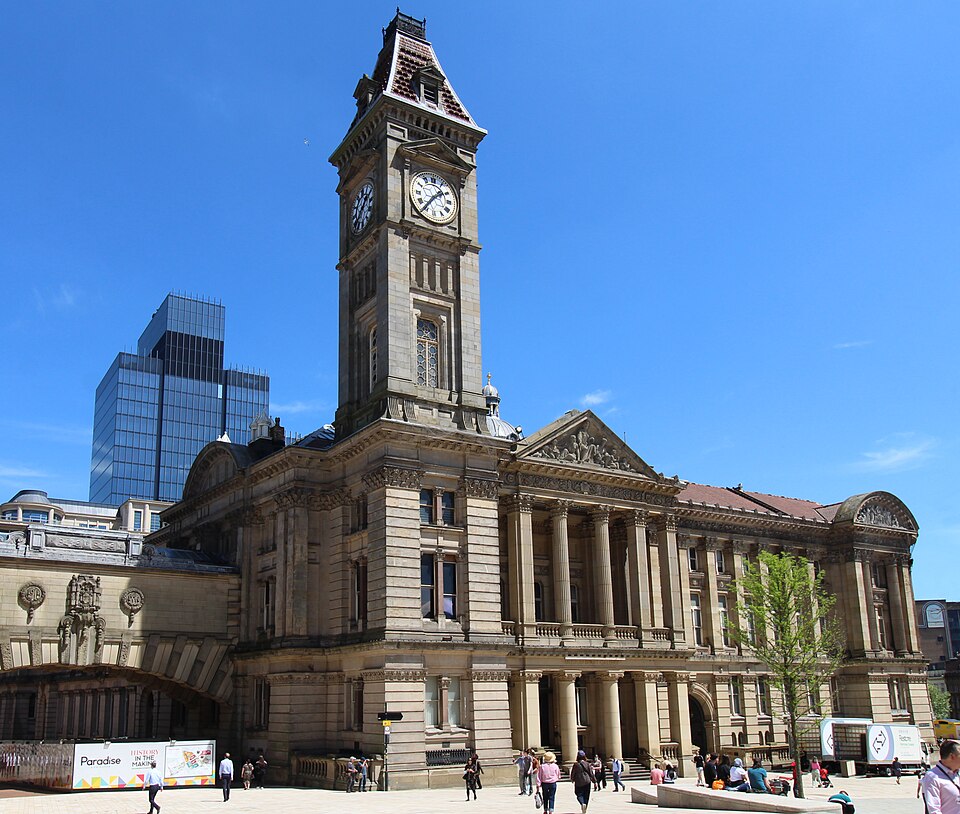
A museum inside the Victorian town hall complex with the world's largest public collection of Pre-Raphaelite art — Burne-Jones, Rossetti, Millais — and the Staffordshire Hoard, the largest hoard of Anglo-Saxon gold ever found.
Tip: After years of closure for electrical repairs, the museum has reopened partially, with galleries returning gradually — check what's accessible. Admission is free. The Edwardian tea room in a former engine hall is the loveliest café in the centre.
Admission:
free
Time needed:
2 h
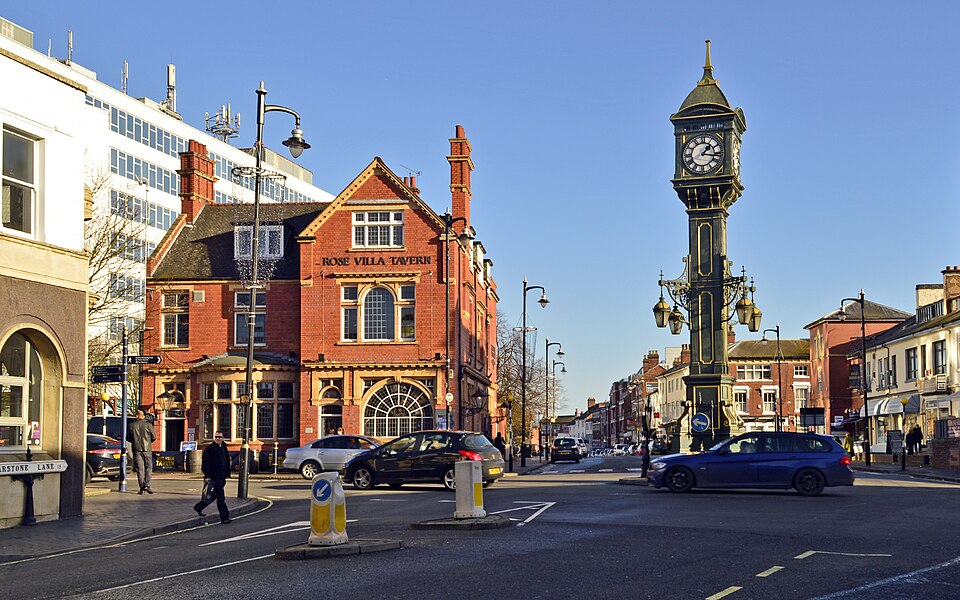
Jewellery Quarter
Jewellery Quarter
A district that has made jewellery since the 18th century, with over 100 workshops and shops still trading. The Museum of the Jewellery Quarter occupies the former Smith & Pepper workshop, which its owners locked up in 1981 and left exactly as it was — down to the teacups.
Tip: A guided museum tour is the only way to see the workshop, and places must be booked. Jewellery here is cheaper than in shopping centres and bought straight from the maker. Key Hill cemetery, with its catacombs, is worth a wander.
Admission:
museum admission
Time needed:
2 h
Birmingham Back to Backs
Southside
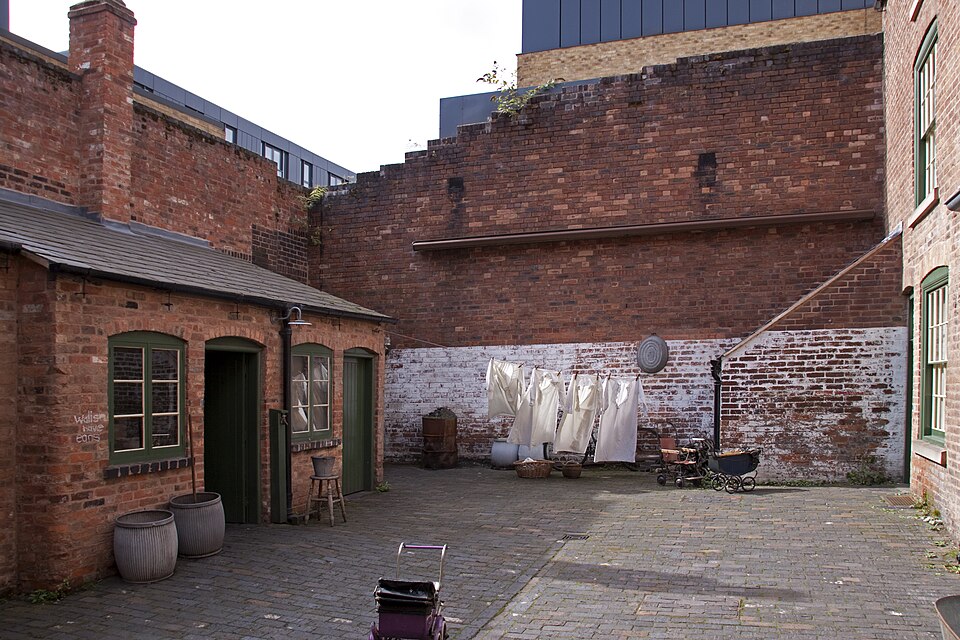
The last surviving court of back-to-back houses, where 19th-century working-class families lived 1 room per floor. Each house is furnished in a different era, from 1840 to the 1970s.
Tip: Tours are run by the National Trust in small guided groups only, and booking is needed days ahead. A 1930s-style sweet shop sits at the end. You can even stay overnight in a restored cottage.
Admission:
admission
Time needed:
1.5 h
Cadbury World
Bournville
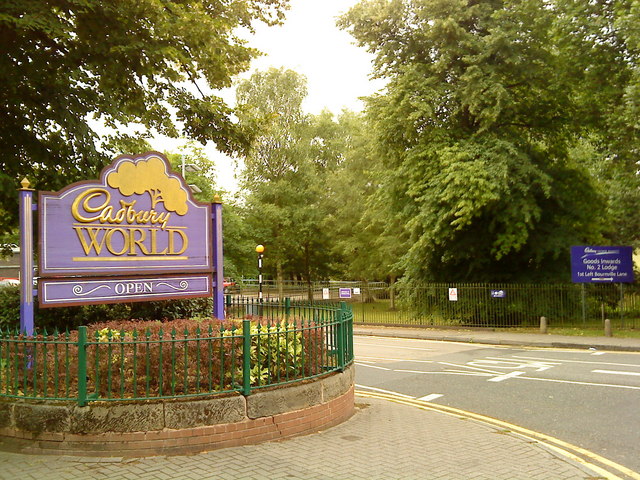
A museum and experience centre for the Cadbury chocolate factory, set in the garden village of Bournville, which the Quaker Cadbury family built for its workers. Chocolate history, production demonstrations and tastings.
Tip: Timed tickets sell out during school holidays. A train from the centre reaches Bournville station in 12 minutes. Take a walk around Bournville village, where the sale of alcohol is still not licensed.
Admission:
admission
Time needed:
2–3 h
Gas Street Basin
Brindleyplace
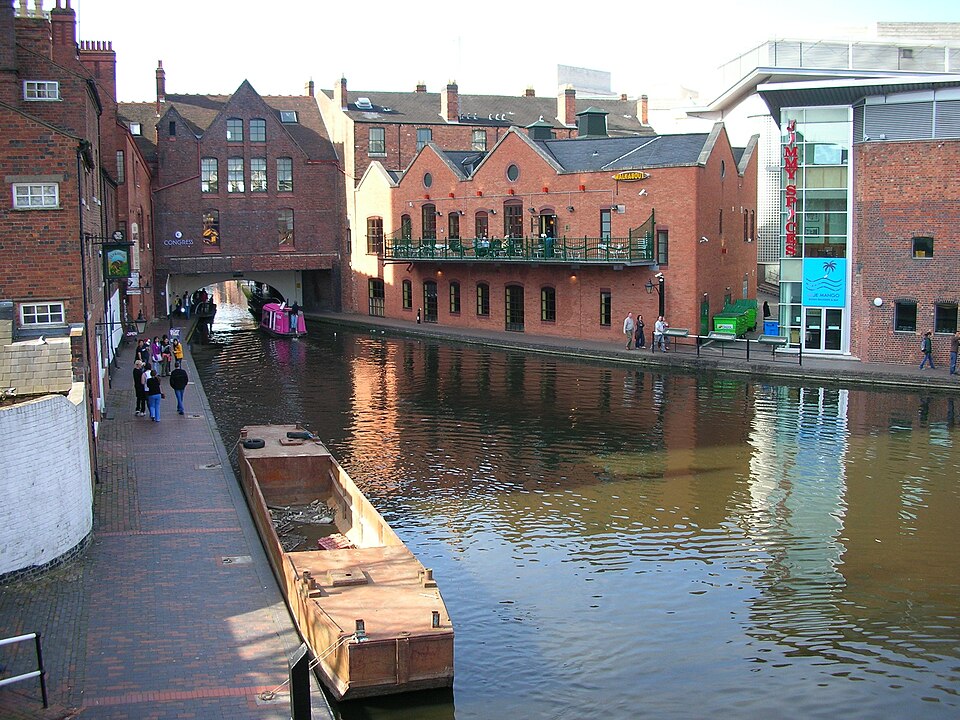
The heart of Birmingham's canal network, a former harbour where 2 canals meet. Narrow, colourful boats moor beside brick warehouses now filled with pubs and restaurants.
Tip: Take a canal boat trip — outings last about an hour. Footpaths along the canal lead to the Jewellery Quarter in 20 minutes. It's busiest in the evening.
Admission:
free, boat trips extra
Time needed:
1 h
Thinktank
Eastside
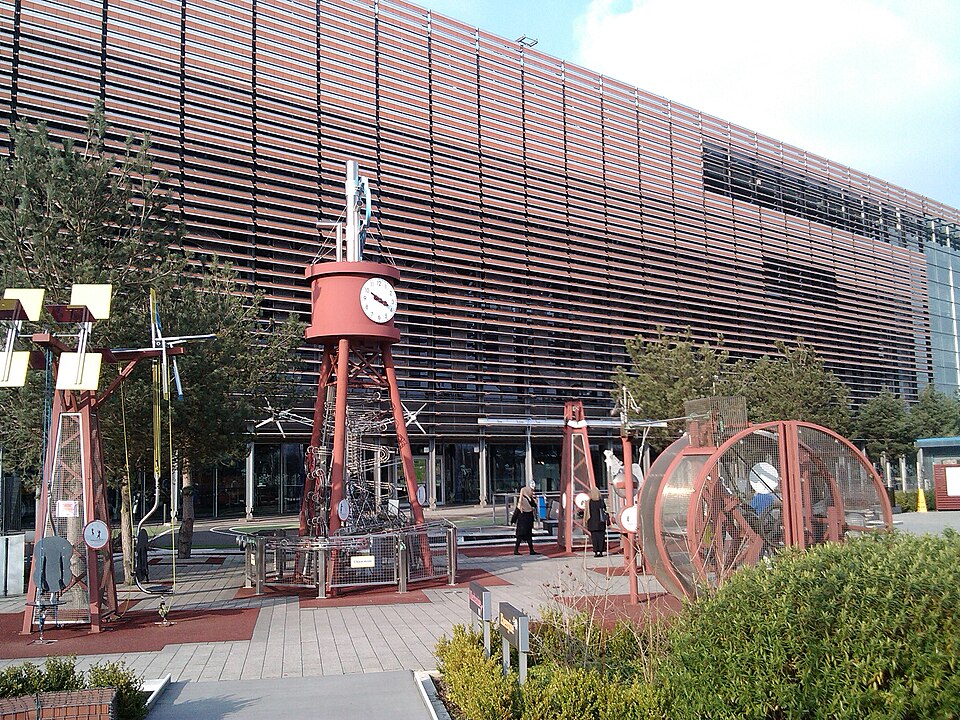
A science museum with steam engines, including the world's oldest working steam engine, and a Spitfire fighter plane built in Birmingham. Interactive exhibits for children and a planetarium.
Tip: It's the best museum in the city for children. The museum sits in Eastside, a 10-minute walk from Moor Street station. The planetarium costs extra.
Admission:
admission
Time needed:
2–3 h
Barber Institute of Fine Arts
Edgbaston
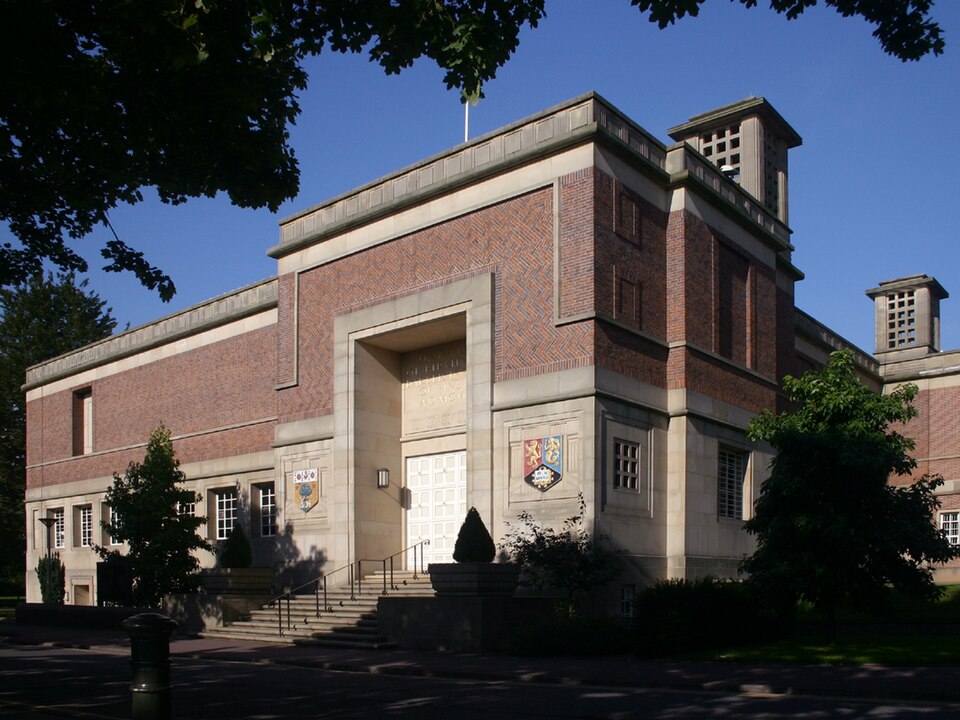
A small gallery on the University of Birmingham campus with an outstanding collection: Rubens, Rembrandt, Monet, Degas, Van Gogh and Turner, housed in a 1930s art deco building.
Tip: Admission is free and the gallery is often nearly empty. A train from New Street reaches University station in 10 minutes. Combine it with the campus, home to the Old Joe clock tower.
Admission:
free
Time needed:
1.5 h
St Philip's Cathedral
City Centre
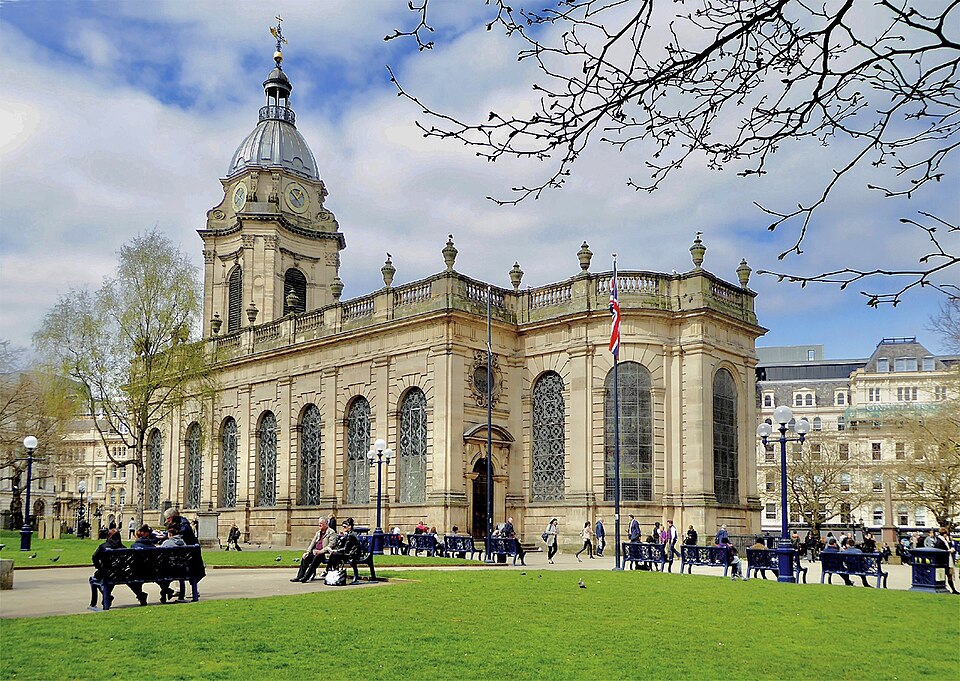
A baroque cathedral from 1715 in the city centre, surrounded by a park. 4 stained-glass windows were designed by Birmingham-born Edward Burne-Jones and rank among the finest Pre-Raphaelite work.
Tip: The stained glass looks best on a sunny afternoon. Admission is free. The park around the cathedral fills with office workers at lunchtime.
Areas and districts, matched to the kind of trip you are taking
City Centre
Best for: a first visit
The centre around New Street station, the Bullring shopping centre and the museum. Hotels, shops and restaurants. Everything is within a 10-minute walk of the station.
Brindleyplace and Gas Street
Best for: canals and evenings
A canal-side district of bars, restaurants and hotels, five minutes from the library. The liveliest spot in the city after dark.
Jewellery Quarter
Best for: atmosphere
The historic jewellery-making district, with bars in former workshops, quieter than the centre. A five-minute tram ride from downtown.
Digbeth
Best for: street art and nightlife
Former industrial buildings covered in murals, with clubs and food festivals. The place to be at night. The Coach Station is just around the corner.
Birmingham Airport lies 13 km east of the centre and connects to Birmingham International station, from where trains run into the centre every few minutes. Seasonal direct flights serve the airport from several European cities, otherwise it's a connection. Since 2025, a UK electronic ETA has been required for EU citizens. The train from London Euston takes 1 h 20 min.
Birmingham Airport (BHX) · 13 km
Train from Birmingham International to New Street· 12 min· £4
Taxi / Uber to the centre· 25 min· £25
Around town
The centre is compact and easily walkable. The West Midlands Metro tram runs from New Street through the centre to the Jewellery Quarter and on to Wolverhampton. Buses cover the whole city, and trains reach the suburbs and day trips further out. No car needed.
West Midlands Metro tramFrom the centre to the Jewellery Quarter and Edgbaston. · £2.30
National Express West Midlands busesA dense network; pay contactless with a daily cap. · £2
TrainsTo Bournville, the university, and day trips to Stratford and Warwick. · from £3
Taxi / UberBlack cabs and Uber. · £10 within the centre
On foot and along the canalsThe nicest way to move between districts. · free
Useful apps: Swift, Trainline, Uber, Google Maps
When to go
Birmingham has a mild climate with frequent but light rain. It's best from May to September, when temperatures reach around 20°C and people sit out by the canals. December brings a large Frankfurt Christmas market to Victoria Square. Summer sees festivals in Digbeth and cricket matches at Edgbaston.
Best time
May to September
What to avoid
January and February
Month
Jan
Feb
Mar
Apr
May
Jun
Jul
Aug
Sep
Oct
Nov
Dec
Day
7°
8°
11°
13°
17°
20°
22°
21°
18°
14°
10°
7°
Night
1°
1°
3°
4°
7°
10°
12°
12°
10°
7°
4°
2°
Rainy days
12
10
11
10
10
9
9
10
9
11
12
12
Food & drink
Birmingham is one of Britain's best food cities outside London. The Balti Triangle in Sparkbrook has dozens of Pakistani and Kashmiri restaurants, with food costing half what it does in the city centre. The city also has several Michelin-starred restaurants. Pubs serve the classics.
What to try
Balti
A curry cooked quickly over a high flame and served in the thin steel pan it was cooked in. Invented in Birmingham in the 1970s by Pakistani chefs. Eaten with an enormous naan.
Fish and chips
Cod or plaice in beer batter with chips, vinegar and mushy peas. Bought from a "chippy" across the road and eaten straight from the paper; sit down in a restaurant and it costs twice as much for the same thing.
Sunday roast
Roast dinner with Yorkshire pudding, roast potatoes and gravy. Served only on Sundays, roughly from noon to 6 pm, and good pubs need booking ahead.
Pork scratchings
Crunchy fried pork rind, a beer snack Birmingham claims to have invented.
Cadbury Dairy Milk
Milk chocolate made in Bournville. Cadbury World sells limited editions you won't find in shops.
Faggots and peas
Meatballs made from pork liver and meat, served with mash and peas. A traditional working-class dish of the Black Country.
Real ale and cider
Unchilled, cask-conditioned beer served through a hand pump at around 12°C. Ordered by the pint; ask for a "half" if you want less. Cider here tends to be dry, not sweet.
What it costs
Coffee
£3–3.60
Pint of beer
£4.80–6
Balti with naan
£10–16
Dinner at a restaurant
£25–45 per person
Cadbury World admission
from £22
Back to Backs
from £16
Canal boat trip
from £10
Night in a 3-star city-centre hotel
£80–140
Indicative prices that change over time — treat them as a guide, not a price list.
Practical information
SocketsGBritish, three rectangular pins
Voltage230V / 50Hz
Tap waterTap water is drinkable — Tap water is safe to drink throughout Britain, well monitored and tastes fine — there's no need to buy bottled. In a restaurant, just ask for "tap water" and you'll get it free, even though the waiter may offer bottled first. In older houses, cold water sometimes comes from its own tap while hot water comes from a loft tank that isn't drinking water; this doesn't apply in hotels or newer buildings.
TippingTable-service restaurants often add a pre-printed "service charge" of 12.5% — if it's there, nothing extra is expected, and it's legal to ask for it to be removed if you're unhappy. Where it isn't included, 10% is standard. At a pub bar, no tip is expected at all: you order and pay for your drink at the bar and nobody expects anything more. Round up for taxi drivers; hairdressers and delivery drivers get around 10%. Cafés often have a tip jar by the till, purely optional.
Driving on theleft
SafetyBritish cities are safe for visitors, and violent crime rarely affects foreigners. The real risks are three main ones: pickpockets on the Underground and in markets, phone snatching by passing cyclists or moped riders when a phone is held out on the pavement (so don't walk around with your phone in an outstretched hand), and fake taxis outside clubs — book through an app or only take a black cab with a lit sign. People drive on the left and walk on the left too, which is the most common cause of visitor accidents at crossings; pavements are often marked "look right". The emergency number is 999, for non-urgent cases 101, and the European 112 also works.
Opening hoursShops generally open from 9 am to 6 pm, later — 8 or 9 pm — in city centres. Sunday trading laws mean large stores may open for only 6 hours, typically 11am–5pm, while small shops and supermarkets under 280 sq m have no restriction. The major museums are free and open daily roughly 10 am to 6 pm, with a late evening once a week. Pubs pour from noon and close at 11 pm, clubs later. On bank holidays, the metro runs on a Sunday timetable and some shops close.
Customs & etiquetteQueuing is a social institution, and jumping the queue is the one thing a Brit will comment on out loud. Stand on the right on Underground escalators; walk on the left. Pubs don't have table service: you order and pay at the bar, and if you arrive after a group, you wait until the bartender points to you. "Sorry" gets said even by the person who bumps into you. Questions about salary, rent and politics don't come up between strangers, but the weather is always fair game. Don't talk loudly on trains or the Underground, and speakerphone calls are a faux pas. Birmingham locals are called Brummies, and their accent is a favourite target for jokes across Britain — don't imitate it.
A few local wordsHello — Hello / Good morningThank you — Thank you / CheersExcuse me — Sorry / Excuse meThe bill, please — Could we get the bill, please?Cheers — Cheers
How to plan your days
1 day
A day in Birmingham
1Morning at the library and the Secret Garden terrace.
2The museum and its tea room.
3Lunch by the canals at Gas Street Basin.
4Afternoon in the Jewellery Quarter and its workshop museum.
5Balti in the evening.
2 days
Two days in Birmingham
1Day one as in the one-day plan.
2Day two, morning at Back to Backs.
3Train to Bournville for Cadbury World.
4Afternoon at the Barber Institute.
5Evening in Digbeth.
3 days
Three days in Birmingham
1Two days as in the plan above.
2Day three: train trip to Stratford-upon-Avon.
3Shakespeare's birthplace.
4Afternoon at Warwick Castle.
5Return in the evening.
Day trips
Stratford-upon-Avon
40 km · 1 h by train
William Shakespeare's birthplace, with his birthplace house, his wife Anne Hathaway's cottage and his grave in Holy Trinity Church. The Royal Shakespeare Company performs his plays year-round.
Warwick Castle
35 km · 30 min by train
One of England's best-preserved medieval castles, now a family attraction with jousting tournaments, archery and a giant siege engine. Tickets are significantly cheaper booked online.
Ironbridge
55 km · 1 h by car
A gorge on the River Severn with the world's first cast-iron bridge, built in 1779, a symbol of the Industrial Revolution and a UNESCO World Heritage Site. 10 museums, including the Victorian open-air town of Blists Hill.
Frequently asked questions
How many days do you need for Birmingham?+
2 days for the city and a third for Stratford and Warwick. Birmingham also makes a good base for the Cotswolds.
Is Birmingham worth visiting?+
Yes, if you're interested in industrial history, free art and food. It's not as pretty as Edinburgh, but it's cheaper and less touristy.
How do I get from the airport to the city centre?+
By train from Birmingham International station to New Street, in 12 minutes. Trains run every few minutes from early morning until night.
Where should I stay in Birmingham?+
In the city centre near New Street, or in Brindleyplace by the canals. Both are within walking distance of all the main sights.
Is Birmingham safe?+
The centre, yes. As in other British cities, weekend nights downtown see plenty of drunk revellers.
Where can I find the best balti?+
In the Balti Triangle in Sparkbrook and Balsall Heath, a 15-minute bus ride from the centre.
Is Cadbury World good for adults?+
Mainly for families with children. Adults are more likely to enjoy a stroll through the model village of Bournville.
Do I need an ETA?+
Yes, since April 2025 EU citizens need an electronic ETA. It's issued in minutes through the official UK ETA app and is valid for 2 years.
Requisitos de visa
Verifique los requisitos de visa actuales para ingresar a este país.