French North America: cobblestone lanes, wood-fired bagels and a mountain in the middle of the city
Montreal
LanguageEnglish
CurrencyCAD
TimezoneGMT-5
Temperature-10-25 °C
Dial Code+1
Population40M
Area9,984,670 km²
SocketsType A / Type B
Tap waterDrinkable
Discover Montreal
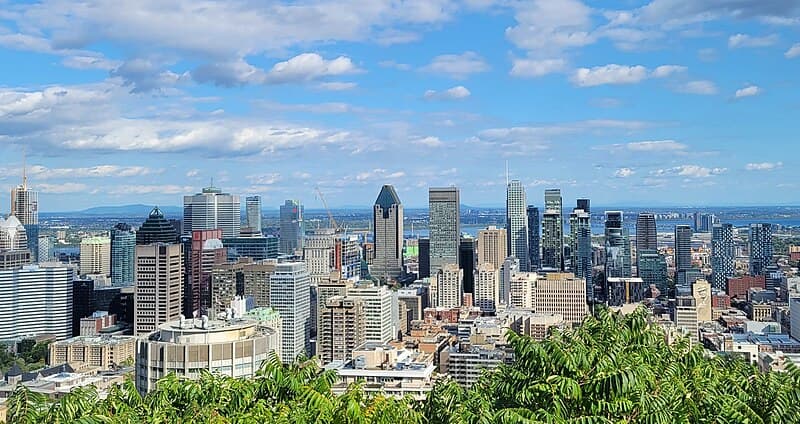
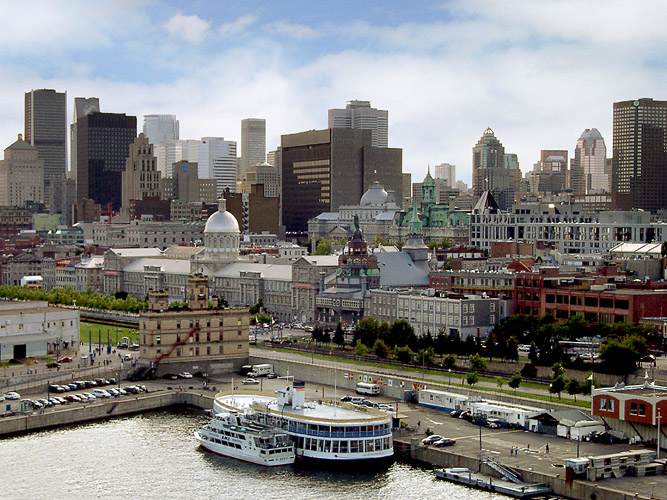
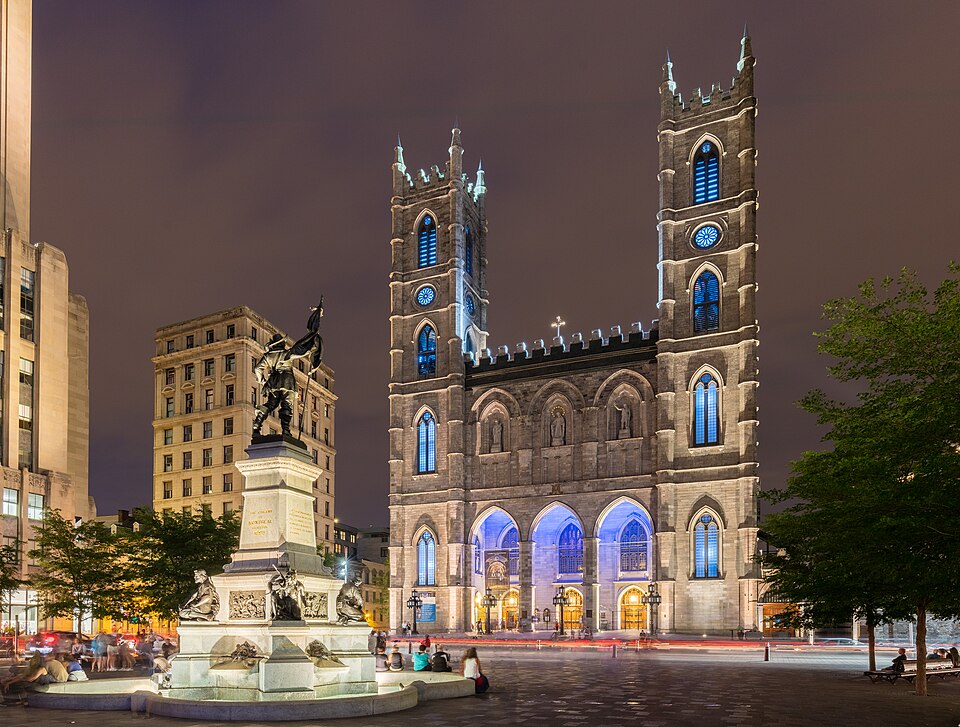
Montreal is the world's second-largest French-speaking city after Paris, and the most European city in North America. It was founded by French missionaries in 1642 on an island in the middle of the St. Lawrence River, and takes its name from Mont Royal, the hill that rises right above downtown and is today its largest park. Both languages are spoken here — a shopkeeper will greet you with "bonjour, hi" and switch to French or English depending on your reply — and this mix gives Montreal an atmosphere found nowhere else in Canada. The old harbor with its eighteenth-century stone houses, the blue-lit interior of Notre-Dame Basilica, the spiral outdoor staircases of the Plateau residential district, and cafés where people linger the way they do in Europe. Montreal is also a food city: wood-fired bagels, smoked-meat sandwiches, poutine and the Jean-Talon market. In summer it comes alive with festivals, from jazz to comedy, and in winter, when temperatures drop to minus twenty, life moves underground into thirty kilometers of tunnels. Compared with Toronto, it's noticeably cheaper and more relaxed.
What to see
The places worth your time in Montreal, and what to expect at each
Old Montreal
Vieux-Montréal
Vieux-Montréal
The historic riverside core with stone houses from the eighteenth and nineteenth centuries, cobblestone streets, and Place Jacques-Cartier square, where street performers play in summer. Old Montreal also includes the Old Port waterfront with a Ferris wheel and boat tours, and the Bonsecours Market with its silver dome. It's the most-visited and priciest part of the city.
Tip: The prettiest street is Rue Saint-Paul, the oldest in the city, and the quieter Rue Saint-Amable with its painters. Restaurants around Place Jacques-Cartier are tourist traps — two streets over on Rue Saint-Paul Ouest you'll find better food for the same money. In the evening Old Montreal is lit up, and in summer the Cité Mémoire projection lights up the facades, free via an app.
Admission:
free
Time needed:
half a day
Notre-Dame Basilica
Basilique Notre-Dame
Vieux-Montréal
A neo-Gothic church from 1829 on Place d'Armes with two towers and an interior that stops you in your tracks: a deep blue vault with gold stars, a carved pulpit and an organ with seven thousand pipes. Céline Dion was married here in 1994. The church is active, and Mass is held on Sundays.
Tip: In the evening the basilica hosts the AURA light show with music and projections on the vault; it's best to book tickets online in advance. To see the church quietly, arrive right at opening. Sunday Mass is free to attend, but photography isn't allowed during the service.
Admission:
around 16 CAD, AURA around 30 CAD
Time needed:
45 min
Mount Royal
Mont Royal
Plateau / downtown
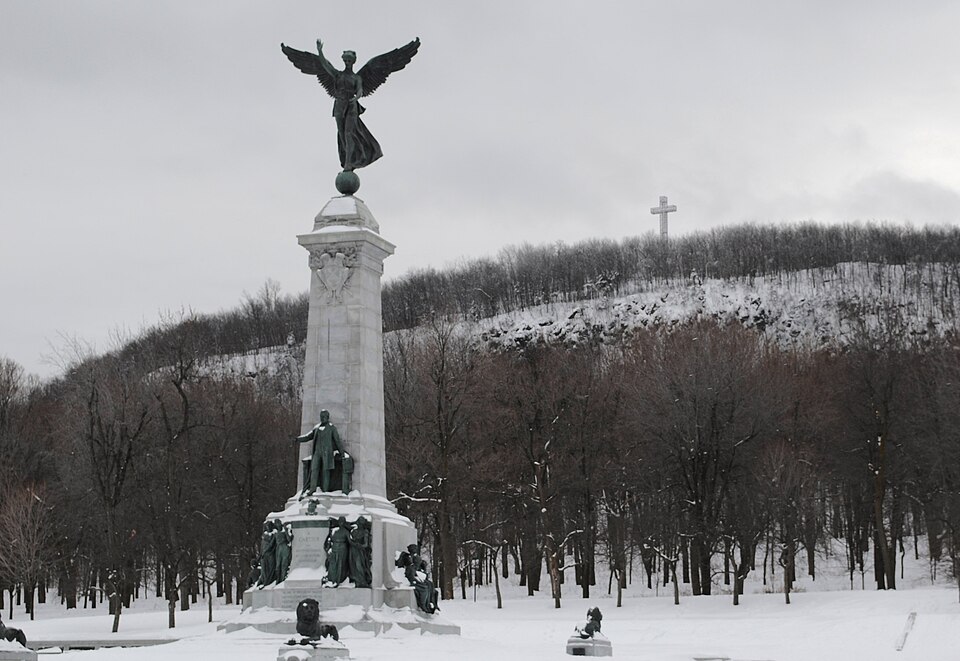
A two-hundred-thirty-three-meter hill that gave the city its name, turned into a park by Frederick Law Olmsted, the designer of New York's Central Park. From the Kondiaronk lookout by the Chalet du Mont-Royal you get the best view of the downtown skyline and the river. A lit cross stands at the summit; in winter people cross-country ski and skate on Beaver Lake (Lac aux Castors).
Tip: From downtown you can climb the stairs from Peel Street, a twenty-minute uphill walk. On summer Sunday afternoons, the Tam-Tams gather at the George-Étienne Cartier monument on the east side of the hill — hundreds of people drumming and dancing with no organizer at all. Bus 11 will carry the less energetic all the way up.
Admission:
free
Time needed:
2–3 h
Saint Joseph's Oratory
Oratoire Saint-Joseph
Côte-des-Neiges
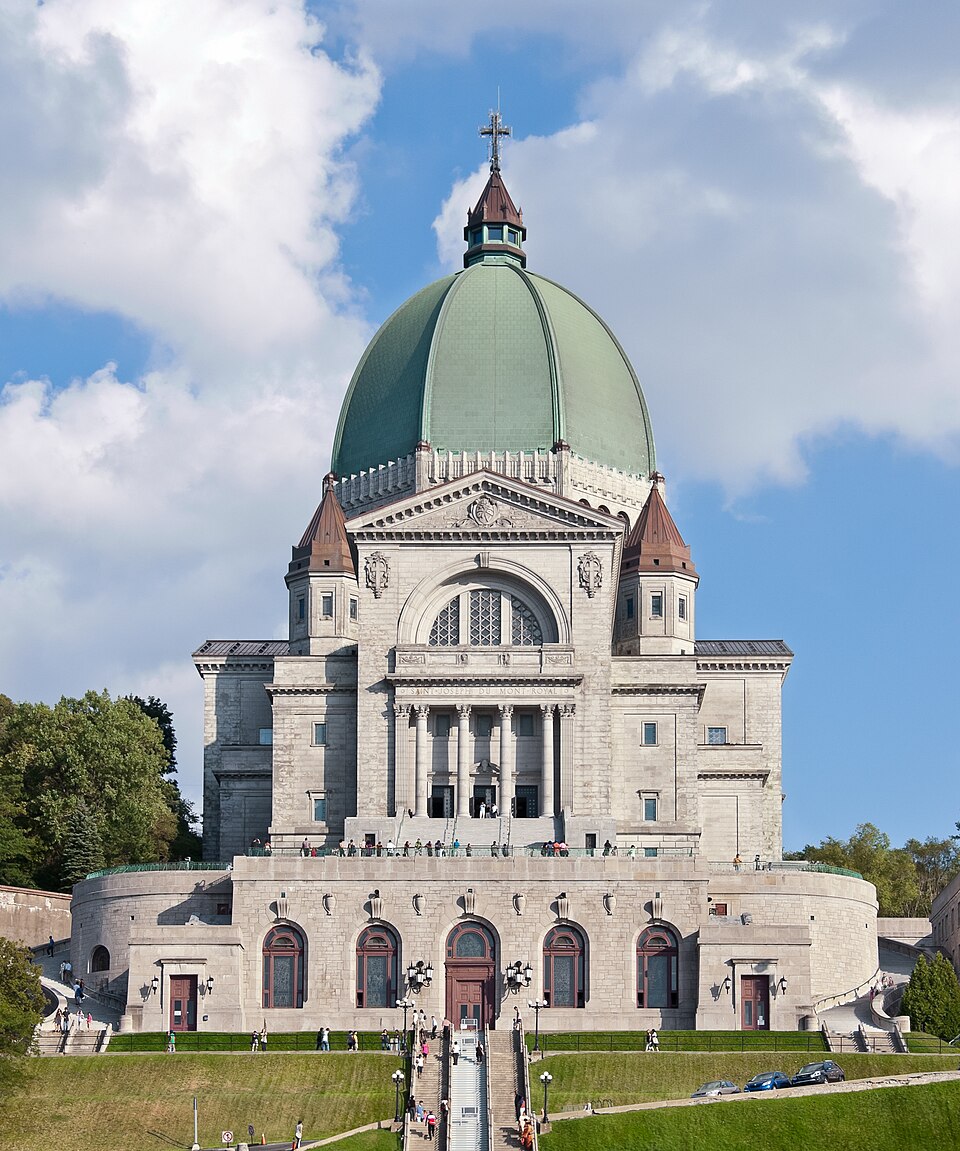
Canada's largest church, with a dome that is among the largest in the world after St. Peter's Basilica in Rome. It was built at the initiative of Brother André, a humble religious brother credited with miraculous healings, who was canonized in 2010. Inside is a votive chapel filled with thousands of crutches left by healed pilgrims.
Tip: The middle staircase to the basilica is reserved for pilgrims climbing on their knees; everyone else uses the regular stairs on either side or the elevators inside. The terrace in front of the basilica offers a view over the northwest of the city. Entry is free — only the museum and access to the dome cost extra.
Admission:
free
Time needed:
1–1.5 h
Jean-Talon Market
Marché Jean-Talon
Petite-Italie
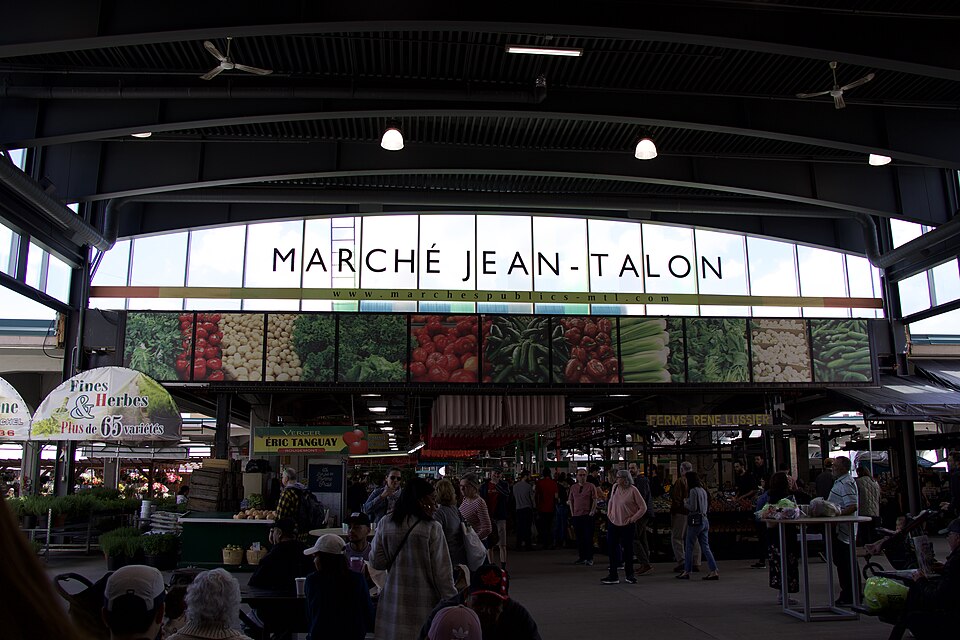
North America's largest outdoor farmers market, in the Italian district, open year-round and covered in winter. Quebec farmers sell strawberries, corn, maple syrup, unpasteurized-milk cheeses and cidre de glace — ice cider made from apples. The market is ringed by Italian cafés, delis and food stalls.
Tip: Farmers let you sample almost everything, so you can eat for free over the course of a morning. Saturday morning is best, when selection is widest; by afternoon the fruit often sells out. September is corn and apple season, when the market is at its most colorful. Take the metro to Jean-Talon or De Castelnau.
Admission:
free
Time needed:
1–1.5 h
Botanical Garden
Jardin botanique de Montréal
Olympic Park
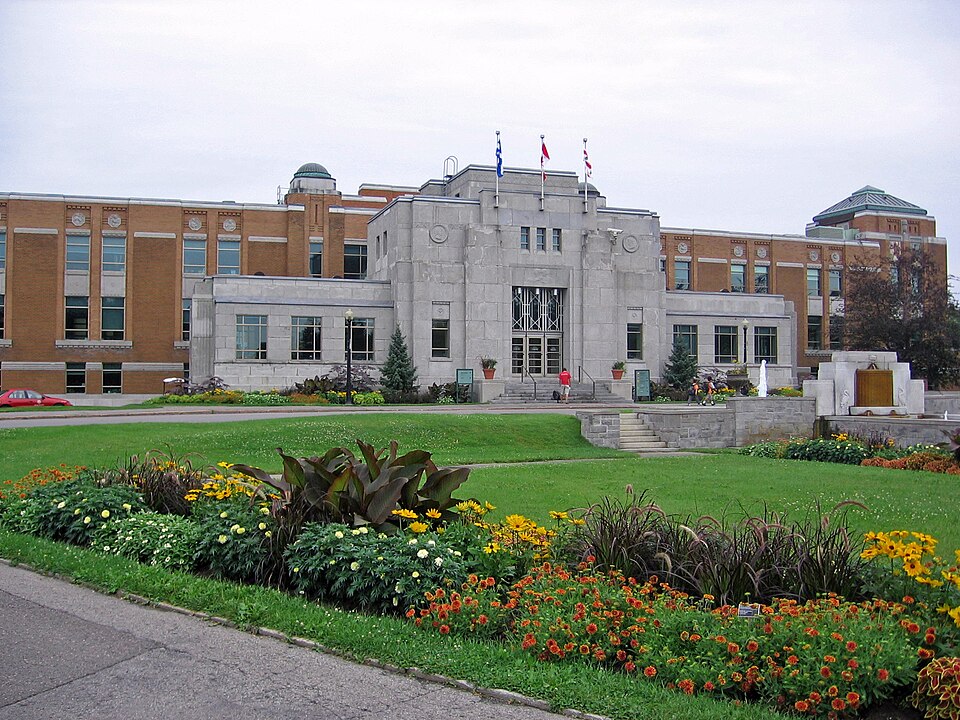
Seventy-five hectares of gardens, twenty greenhouses and thirty themed sections, the best of which are the Chinese garden with its pavilions and the Japanese garden with its teahouse. It ranks among the largest botanical gardens in the world. An insectarium with live insects adjoins the garden.
Tip: From September to the end of October, the Chinese and Japanese gardens host the evening event Jardins de lumière with hundreds of lanterns — the best reason to visit in fall, and timed tickets sell out. A combined ticket with the neighboring Biodôme works out cheaper than two separate ones.
Admission:
around 25 CAD
Time needed:
2–3 h
Olympic Park and Biodôme
Parc olympique
Hochelaga-Maisonneuve
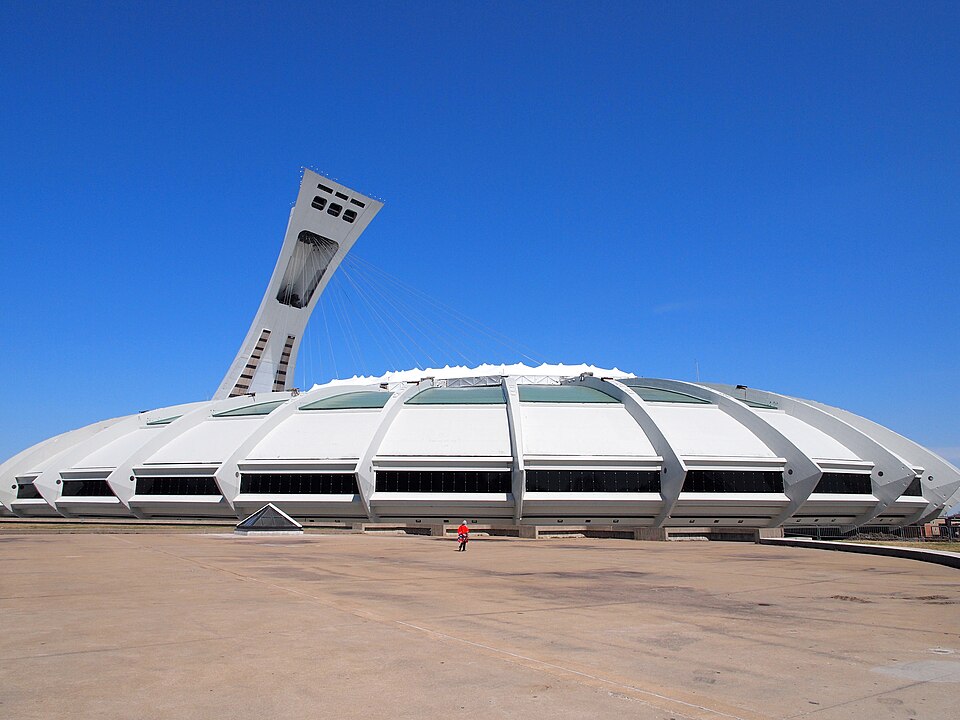
The 1976 Summer Olympics site, with a concrete stadium that took Montreal thirty years to pay off, and a leaning tower one hundred sixty-five meters tall — the tallest inclined tower in the world. The former velodrome now houses the Biodôme, where you walk through four ecosystems of the Americas, from tropical rainforest to sub-Antarctic islands with penguins.
Tip: The Biodôme is the best program for kids anywhere in Montreal, and its tropical section stays a pleasant twenty-five degrees even in winter. The stadium is visible from outside and you don't need to pay to see it. Take the metro to Viau or Pie-IX, twenty minutes from downtown; pair it with the botanical garden across the street.
Admission:
Biodôme around 25 CAD
Time needed:
2 h
Museum of Fine Arts
Musée des beaux-arts de Montréal
Centre-ville / Golden Square Mile
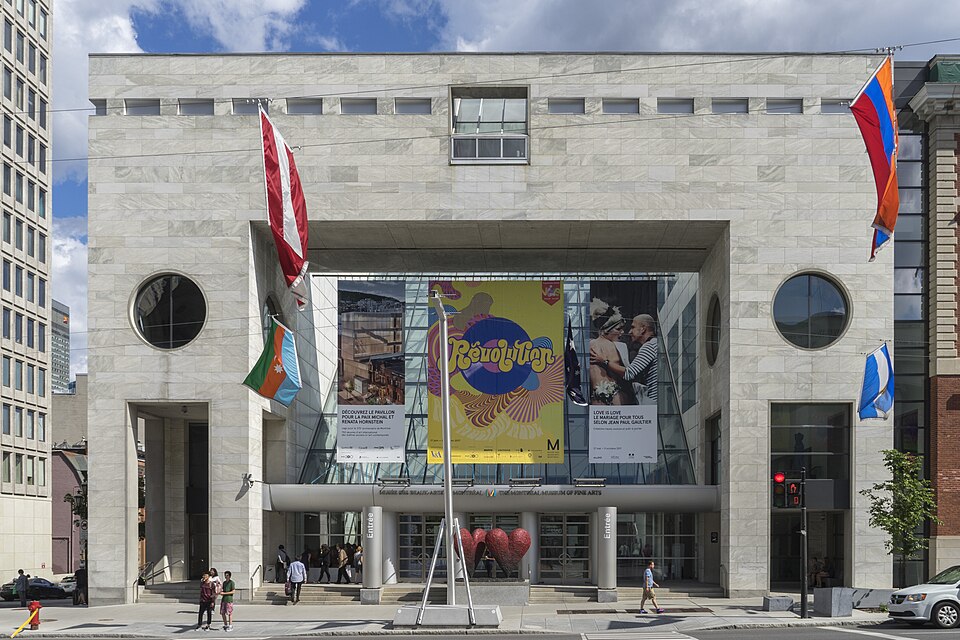
Canada's oldest art museum, with more than forty-five thousand works across five connected buildings on Sherbrooke Street. Its Quebec and Canadian painting collections are strong, along with Inuit art and a world-art pavilion running from Rembrandt to Picasso. Its major temporary exhibitions rank among the best in North America.
Tip: Visitors under twenty get free admission to the collections. The buildings are connected underground, so entering one pavilion can lead you into the others — follow the arrows or you'll end up back outside. Sherbrooke Street around the museum has the luxury shops and galleries of the Golden Square Mile.
Admission:
around 24 CAD
Time needed:
2–3 h
Lachine Canal and Atwater Market
Canal de Lachine
Saint-Henri / Griffintown
A fourteen-kilometer nineteenth-century canal that bypassed river rapids and was the cradle of Canadian industry. Its old factories are now lofts, and a bike path runs along both banks. By the lock stands the art deco Atwater Market hall with butchers, cheesemongers and bakers.
Tip: Rent a BIXI bike at the Old Port and follow the path along the canal to reach the Atwater Market within an hour, where you can buy a picnic lunch to eat on the grass by the water. In summer you can also rent a kayak or electric boat right on the canal. In winter, part of the canal near Atwater turns into a skating rink.
Areas and districts, matched to the kind of trip you are taking
Old Montreal
Best for: romance and a first visit
Stone houses, cobblestone streets and boutique hotels in former warehouses and banks. It has the city's prettiest evening atmosphere, but the highest accommodation and dining prices, and shops geared mainly toward souvenirs. It's ten minutes by metro from Place-d'Armes station to downtown and the Plateau.
Centre-ville
Best for: hotels, shopping and winter
The modern downtown around Sainte-Catherine and Peel streets, with skyscrapers, department stores, McGill University and the Quartier des Spectacles, where summer festivals are held. Most of the RÉSO underground city lies beneath it. It has the most hotels in every category and is the most practical base in winter.
Plateau-Mont-Royal and Mile End
Best for: local life, cafés and food
Residential districts with colorful row houses and the wrought-iron outdoor staircases that are a symbol of Montreal. Saint-Laurent and Saint-Denis streets have bars and restaurants, while Mile End has bagel bakeries, cafés and record shops. Accommodation here is mostly apartments and small guesthouses.
Saint-Henri and Griffintown
Best for: young bars and the canal
Former working-class districts along the Lachine Canal that new restaurants, breweries and lofts have taken over in the past fifteen years. Notre-Dame Ouest Street is one of the city's best restaurant strips. It's close to Atwater Market, and a ten-minute bike ride to the Old Port.
Flights from Prague to Montreal require a connection, most conveniently via Paris, from where both Air France and Air Canada fly several times daily and the Atlantic crossing takes seven and a half hours. Other options include Frankfurt, Brussels, Zurich or London. Montréal-Trudeau Airport sits twenty kilometers west of downtown. The cheapest connection is the 747 bus, which runs around the clock every ten to twenty minutes; the eleven-dollar ticket is then valid for twenty-four hours on all public transit — buy it from the machine in the arrivals hall, since the driver only accepts coins. A taxi has a flat rate downtown. From Toronto you can take the VIA Rail train in five hours, and from New York the daily Adirondack train takes over eleven hours along a scenic route beside Lake Champlain.
Montréal-Trudeau (YUL) · 20 km
747 bus to downtown (24/7)· 45–70 min· 11 CAD, valid 24 h on transit
Taxi, flat rate downtown· 25–40 min· around 49 CAD
Uber· 25–40 min· 40 CAD
Around town
Montreal has four rubber-tired metro lines, fast, clean, and each station with its own architecture. The metro connects Old Montreal, downtown, the Plateau, Olympic Park and the Oratory, and together with STM buses covers everything a visitor needs. A single ride costs 3.75 dollars; better value are the twenty-four-hour, weekend or three-day passes. From April to November the whole city rides shared BIXI bikes, with over eight hundred stations, and the bike-path network is the best in North America. In winter you can move between shops, the metro and downtown hotels through the underground RÉSO city. A car is unnecessary in the city; note that right turns on red are banned throughout Montreal.
STM metro and busesFour metro lines and a dense bus network. Tickets are bought from machines in metro stations; top up an OPUS card or a cheaper paper card. · 3.75 CAD
24-hour or 3-day passUnlimited rides on the metro and buses, including the 747 airport line. A three-day pass costs around twenty-two dollars and pays off after six rides. · 11 CAD / 24 h
BIXI bikesApril to November, over eight hundred stations, rides up to forty-five minutes included in the base fee. Electric bikes cost extra and are worth it for the climb up Mount Royal. · from 1.25 CAD + per minute
RÉSO underground cityThirty-two kilometers of tunnels connecting ten metro stations, shopping centers, hotels and the university. In winter it lets you get from your hotel to a museum without a coat. · free
VIA Rail train to Quebec City and TorontoSeveral daily trains leave Gare Centrale for Quebec City in three and a quarter hours and Toronto in five hours. Tickets bought a week ahead are about half price. · from 40 CAD
Useful apps: Chrono (STM), BIXI, Uber, Transit
When to go
Montreal has two very different faces. Summer, from June to August, is warm, with temperatures around twenty-five degrees, and the whole city lives outdoors: the jazz festival at the turn of June and July, the Just for Laughs comedy festival in July, Formula 1 in June — when hotel prices double. September and the first half of October are the most pleasant, with fewer crowds and colorful fall foliage on Mount Royal. Winter is long and harsh; from December to March it freezes, and in January temperatures drop to minus twenty — but the city treats it as its own season, with the outdoor electronic-music festival Igloofest in January and Montréal en Lumière in February. The worst months are November and April, gray, wet, with snow melting into puddles.
Best time
June through September, festivals in summer, foliage in September and October
What to avoid
November and April for slush, the Formula 1 weekend for prices
Month
Jan
Feb
Mar
Apr
May
Jun
Jul
Aug
Sep
Oct
Nov
Dec
Day
-5°
-3°
3°
11°
19°
24°
26°
25°
20°
13°
6°
-2°
Night
-14°
-12°
-5°
2°
8°
14°
16°
15°
10°
4°
-1°
-9°
Rainy days
16
13
13
12
13
13
12
11
12
12
14
15
Food & drink
Montreal is Canada's most exciting food city, blending French cuisine with the delicatessens of Eastern European Jewish immigrants. Two dishes draw people here, both from that heritage: bagels boiled in honey water and baked in a wood-fired oven, and smoked meat, smoked beef brisket sliced into a sandwich. Quebec cuisine is hearty and wintery — poutine, tourtière, beans in maple syrup — and in spring, from March to April, people head out to sugar shacks (cabane à sucre) for maple feasts. Montreal also has the custom of "apportez votre vin": at many BYOW-marked restaurants you bring your own wine bought at an SAQ store and pay no corkage fee, which cuts a third off the bill.
What to try
Montreal bagel
Smaller, thinner and sweeter than a New York bagel, boiled in honey water and baked in a wood-fired oven. The two legendary bakeries, Fairmount and St-Viateur, in Mile End, are open around the clock, and the bagel is eaten warm straight from the bag, sesame-crusted.
Smoked meat
Beef brisket cured in spices for ten days, smoked and steamed, sliced into a thick stack on rye bread with mustard. At Schwartz's on Saint-Laurent, people have been lining up since 1928; order it "medium," meaning with a bit of fat.
Poutine
Fries smothered in brown gravy and topped with fresh cheese curds that squeak against your teeth. It originated in rural Quebec in the 1950s; good poutine has curds that only half-melt in the hot gravy. It's mostly eaten after midnight.
Tourtière
A Quebec meat pie made from ground pork, veal or game with cloves and cinnamon, traditionally served on Christmas Eve and New Year's Eve. It comes with a tomato sauce called ketchup maison and appears on winter menus year-round.
Maple syrup
Canada produces three-quarters of the world's maple syrup, most of it in Quebec. Grades differ by color — light "golden" is delicate, dark "very dark" is bold and best for baking. Buy it in a can or jar from a farmer; the maple-leaf-shaped bottle at the airport costs three times as much.
Pouding chômeur
The "unemployed man's pudding," from the Depression era: a simple batter baked in maple or brown-sugar syrup that caramelizes at the bottom. Served warm, often at the end of a sugar-shack feast.
Quebec cheeses
Quebec makes over three hundred kinds of cheese, many from unpasteurized milk following French traditions, such as Oka or Le Riopelle. At the Jean-Talon and Atwater markets you can taste them, and they're noticeably cheaper than imported French cheese.
What it costs
Bakery bagel
2–3 CAD
Smoked meat sandwich
14–17 CAD
Poutine
10–15 CAD
Beer at a bar
8–10 CAD
Dinner at a bistro
45–65 CAD per person
Metro ticket
3.75 CAD
Notre-Dame Basilica
around 16 CAD
Night at a 3-star hotel for two
170–280 CAD
Indicative prices that change over time — treat them as a guide, not a price list.
Practical information
SocketsAtwo flat pins (US/JP)Btwo flat pins plus ground (US)
Voltage120V / 60Hz
Tap waterTap water is drinkable — Tap water is safe to drink throughout Canada, and restaurants serve it free with ice — just ask for "tap water." Bottled water is an unnecessary expense — a bottle costs two to three dollars, five at the airport. Airports, parks and museums have refill stations, so it's worth carrying your own bottle. In national parks, stream water shouldn't be drunk without boiling because of giardia parasites, even when it looks crystal clear.
TippingTipping in Canada is mandatory, not a bonus: at a table-service restaurant it's fifteen to twenty percent, at a bar a dollar or two per drink, ten to fifteen percent for taxi and rideshare drivers, and three to five dollars per night for housekeeping. The card terminal will offer preset percentage buttons — some calculate them on the total including tax, so working it out yourself is often cheaper. Sales tax, ranging five to fifteen percent depending on the province, is added at the register on top of the listed price, so the final total is always higher than the price tag shows. In Quebec, two taxes combined add up to just under fifteen percent.
Driving on theright
SafetyCanadian cities rank among the safest in the world, and you can walk in tourist areas even at night. The real risks are different: car and bike break-ins, pickpockets in crowds, and in some neighborhoods a visible homelessness and drug crisis that's unpleasant but generally doesn't threaten visitors. In winter, the biggest hazard is ice and cold — non-slip boots matter more than anything else. Healthcare is very expensive for foreign visitors, with a hospital night costing thousands of dollars, so travel insurance with a high coverage limit is essential. The emergency number is 911.
Opening hoursShops are generally open from around ten a.m. to nine p.m., shorter hours on Sundays; supermarkets are often open until eleven and Shoppers Drug Mart pharmacies around the clock. Restaurants serve dinner from five p.m., and kitchens in smaller towns close around ten. Alcohol is bought at government-run LCBO stores in Ontario and SAQ stores in Quebec, or at the supermarket; in Alberta it's sold at private liquor stores. Drinking in public is not allowed. Museums are usually closed on Mondays and often have one free or discounted evening a week. On public holidays — Canada Day on July 1, Thanksgiving in October — most shops close.
Customs & etiquetteCanadians are polite and say "sorry" even when you bump into them. Queuing is strictly observed, whether at a bus stop or in line for coffee. Confusing Canadians with Americans is the most common faux pas, and in Quebec every conversation should open with "bonjour" — switching to English afterward is fine, but starting in English without a greeting comes across as rude. Indigenous peoples are referred to as First Nations, Inuit and Métis, and the word "Indian" is not used. Smoking, including marijuana, is banned in restaurants, on terraces and near entrances.
A few local wordsHello — BonjourThank you — MerciExcuse me — Excusez-moiThe bill, please — L'addition, s'il vous plaîtDo you speak English? — Parlez-vous anglais ?Goodbye / Have a good day — Bonne journée
How to plan your days
1 day
One day in Montreal
1Morning bagel in Mile End, warm from the oven.
2Walk through the Plateau and climb Mount Royal to the Kondiaronk lookout.
3Lunch: smoked meat at Schwartz's on Saint-Laurent.
4Afternoon in Old Montreal and Notre-Dame Basilica.
5Evening at the Old Port and dinner on Rue Saint-Paul.
2 days
Two days in Montreal
1Day one as above.
2Day two morning at the Jean-Talon Market in the Italian district.
3Botanical Garden and Biodôme in Olympic Park.
4Afternoon at Saint Joseph's Oratory.
5Evening poutine and a bar on the Plateau, or a festival in the Quartier des Spectacles.
3 days
Three days with the canal and a museum
1Two days as above.
2Day three: a BIXI bike ride along the Lachine Canal to Atwater Market.
3Picnic by the water or lunch in Saint-Henri.
4Afternoon at the Museum of Fine Arts and the Golden Mile.
5Dinner at a BYOW restaurant with your own bottle of wine.
Eastern Canada's best-known ski resort in the Laurentians, with a colorful pedestrian village below the slopes and a gondola to the summit. Skiing runs from December to April; in summer people bike and swim in the lake. It's loveliest in late September and early October, when the maple forests turn red and the gondola offers views a hundred kilometers wide. Without a car, the Galland bus runs from Montreal twice a day.
Eastern Townships
100 km · 1.5 h by car
Hilly countryside near the Vermont border with lakes, wineries, orchards and New England-style villages such as Knowlton or North Hatley. The Saint-Benoît-du-Lac Abbey above Lake Memphrémagog makes cheese and cider, and the monks sing Gregorian chant. People drive out here for tastings, and in September and October for apple picking and fall colors.
Frequently asked questions
Do I need to speak French in Montreal?+
You don't have to. In downtown, in Old Montreal and in tourist-facing businesses, almost everyone speaks English, and young people in particular are bilingual. Still, it's polite to open with a "bonjour" — staff will then switch to English on their own. Signage, menus and metro directions are French by law.
How many days do I need for Montreal?+
Two days for Old Montreal, Mount Royal, the Plateau, bagels and the botanical garden. A third day for the Lachine Canal and a museum, or a day trip to the Eastern Townships. Montreal is often combined with Quebec City, so leave it at least one overnight stay.
How do I get from the airport to downtown?+
The cheapest way is the 747 bus, which runs around the clock and costs eleven dollars; the ticket is then valid for twenty-four hours on all public transit. A taxi has a flat rate downtown of around forty-nine dollars and takes twenty-five to forty minutes. The ticket machine is in the arrivals hall; the bus driver only accepts coins.
When is the best time to visit?+
June through September. Summer brings festivals and a lively outdoor scene; September and October bring colorful maples and fewer crowds. Winter is for the hardy — temperatures down to minus twenty — but winter festivals and the underground city make up for it. Check the Formula 1 dates in June, since hotels sell out and prices double.
Which bagel is better, Fairmount or St-Viateur?+
That's the question that splits families in Montreal. Both bakeries are in Mile End, five minutes apart, both bake around the clock in wood-fired ovens, and both claim the best sesame bagel. Try both and decide for yourself — it only costs a couple of dollars each.
Is Montreal expensive?+
Cheaper than Toronto or Vancouver, but pricier than Europe. Prices carry a sales tax of nearly fifteen percent, and restaurant tips run fifteen to twenty percent. You'll save the most at BYOW restaurants, at markets and at bakeries.
Is Montreal safe?+
Yes, it's one of the safest big cities in North America, and downtown is safe even at night. Around Berri-UQAM station and part of Sainte-Catherine Est you'll see homeless people, but this doesn't pose a threat to visitors. The biggest hazard is icy sidewalks and falling icicles from Old Montreal's roofs in winter.
How far is Montreal from Quebec City and Toronto?+
Quebec City is two hundred fifty kilometers northeast, three and a quarter hours by train, three hours by car. Toronto is five hundred forty kilometers southwest, five hours by train and an hour and a quarter by plane. Ottawa, Canada's capital, sits between them, two hours away by car.
Visa Requirements
Check the latest visa requirements for entering this country. Some nationalities may need to apply for a visa or e-visa before travel.