Hotels in Shanghai

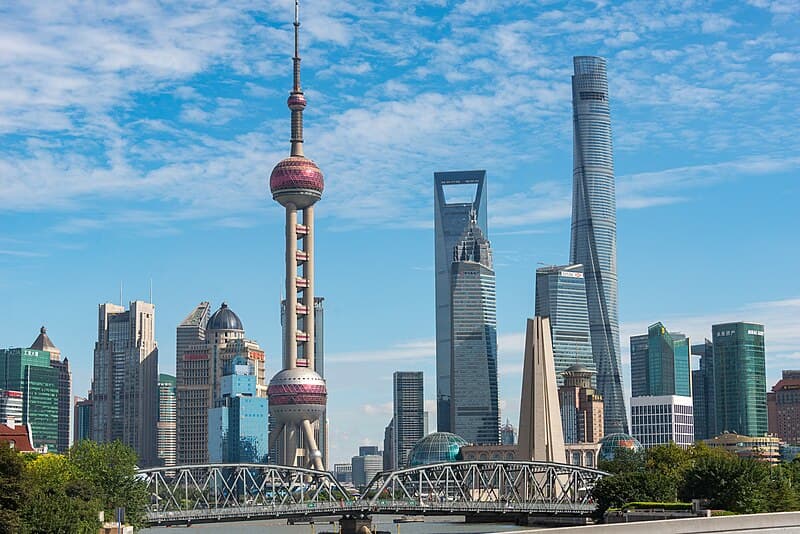
A colonial waterfront facing a futuristic skyline, and plane trees in the French Concession

Shanghai

LanguageEnglish
CurrencyCNY
TimezoneGMT+8
Temperature5-30 °C
Dial Code+86
Population1.41B
Area9,596,960 km²
SocketsType A / Type C / Type I
Tap waterNot drinkable

Discover Shanghai

Shanghai is China's largest city, with twenty-five million residents, and its most cosmopolitan face. A hundred seventy years ago it was just a fishing and trading port; after the Opium Wars it became an international city divided into British, American and French concessions — and it's from that era that the Bund, lined with art deco bank buildings, and the tree-lined avenues of the French Concession date. Across the Huangpu River stands Pudong, which thirty years ago was rice paddies and today holds three of the tallest skyscrapers on earth. Looking across the river from the Bund at this skyline after dark is one of the most striking urban views anywhere. Shanghai is less monumental than Beijing — it has no imperial palaces — but it has cafés, galleries, the best cocktail bars in China, and eateries serving Shanghai's famous dumplings. It's also the most comfortable place for a first trip to China: the metro network is extensive, more people speak English than elsewhere, and within an hour you can reach classic water towns crisscrossed by canals.

What to see

The places worth your time in Shanghai, and what to expect at each

The Bund

The Bund

外滩

Huangpu / downtown

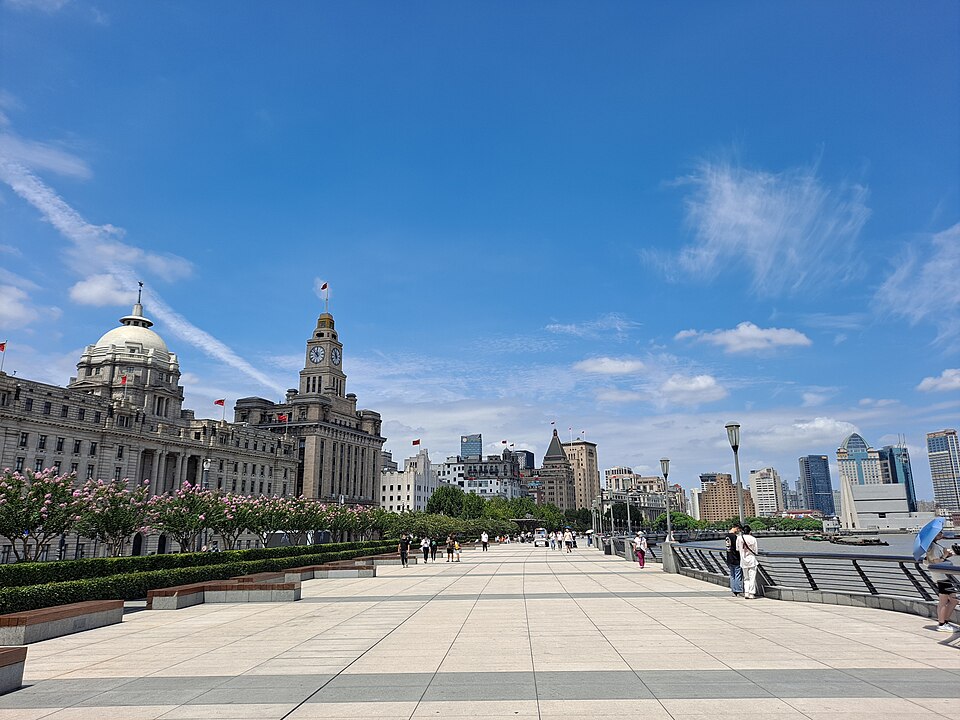
A mile-and-a-half riverside promenade along the Huangpu River lined with fifty-two historic bank, department store and hotel buildings from 1900 to 1930, in neoclassical, art deco and Gothic styles. The Peace Hotel with its green pyramid roof is the symbol of colonial-era Shanghai. Across the river rises the Pudong skyline.

Tip: Come twice: in the morning before eight, when locals are exercising and the promenade is empty, and in the evening, when the Pudong skyline lights up at seven — the lights go off around ten, an hour later on Fridays and Saturdays. The best views are from the rooftop bars in the Bund's buildings, where a drink costs a hundred to a hundred fifty yuan. Most buildings are only open to the public in their entrance halls; the HSBC building at No. 12 is worth it for its mosaics.

Admission:
free
Time needed:
1–1.5 h
Yu Garden and the Old Town God Temple

Yu Garden and the Old Town God Temple

豫园

Huangpu / Old Town

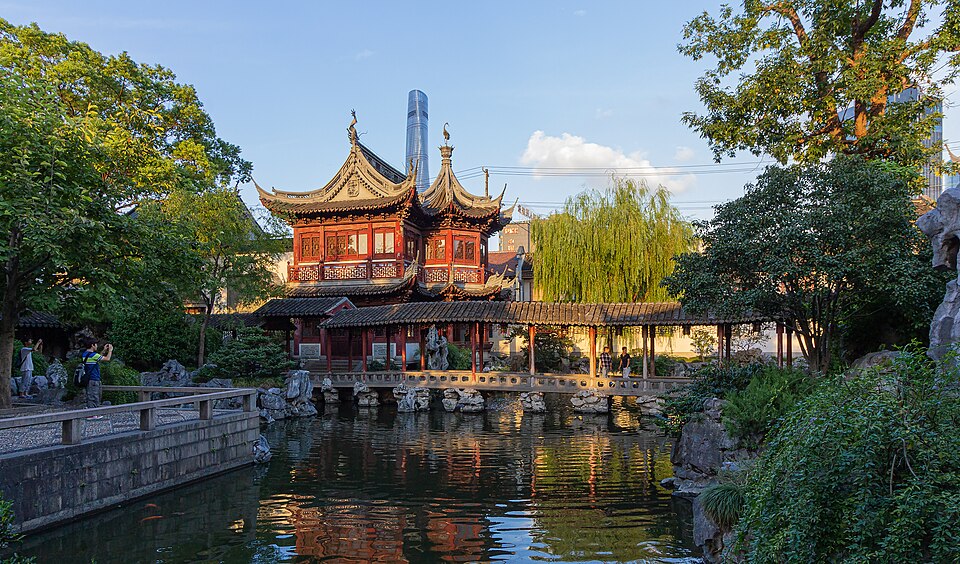
A classical Chinese garden from 1559, with pavilions, ponds, limestone rockeries and zigzagging bridges, built by an official for his parents. Around it spreads the Yuyuan bazaar, with reconstructed traditional-style buildings, shops, eateries and the Old Town God Temple.

Tip: The garden itself is a small oasis inside a crowded bazaar — arrive right at opening at nine, since by noon its paths are jammed. The Nanxiang restaurant by the pond is famous for xiaolongbao, but the line can take an hour and the quality is better elsewhere. The Huxinting Teahouse in the middle of the pond, across the zigzag bridge, is the oldest in the city, and tea there costs a lot.

Admission:
40 CNY
Time needed:
1.5–2 h
Shanghai Tower

Shanghai Tower

上海中心大厦

Pudong / Lujiazui

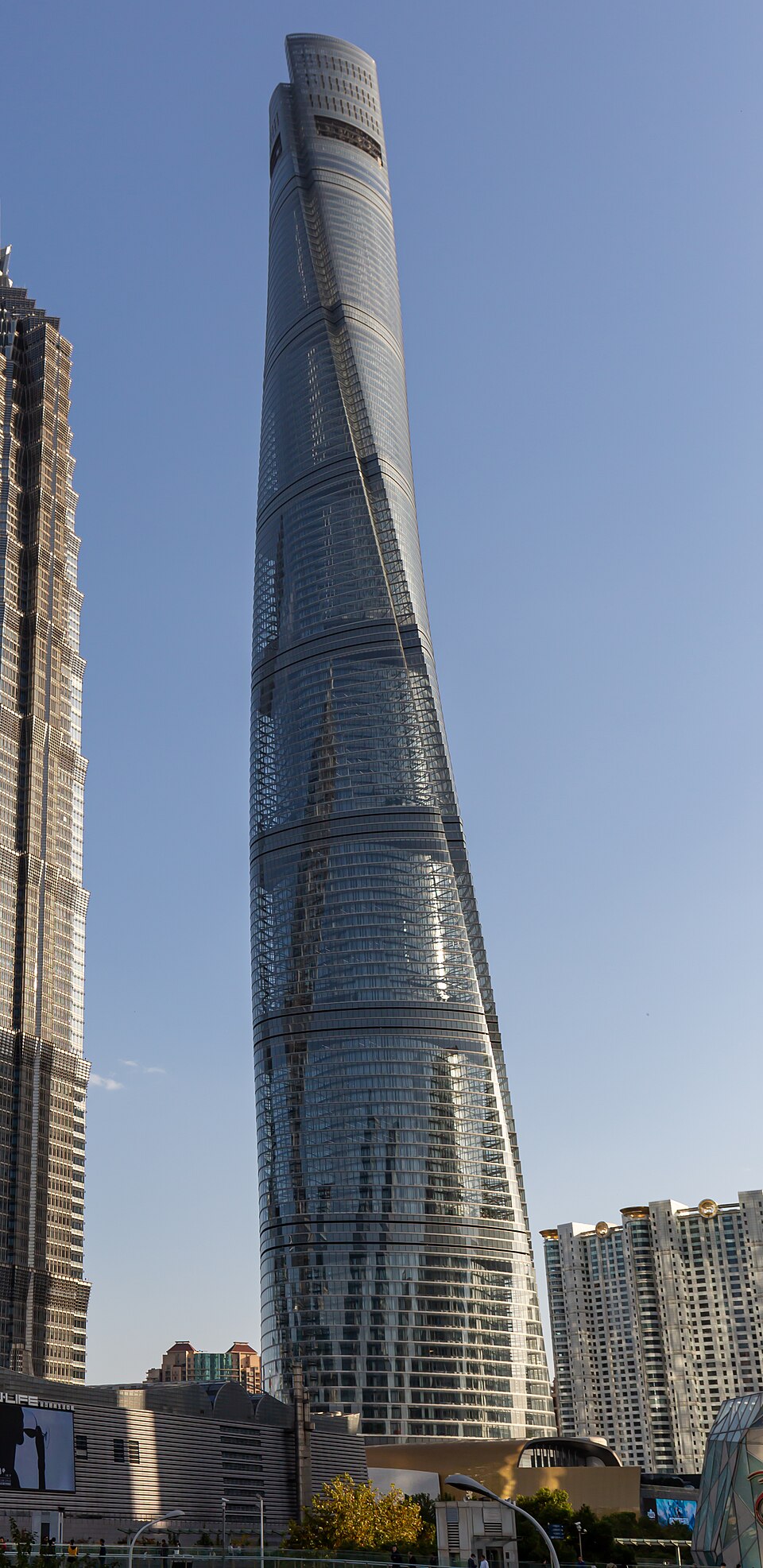
At 632 meters, China's tallest building and the third tallest in the world, twisted spirally around its own axis to reduce wind resistance. The observation deck on the 118th floor, at 546 meters, is one of the highest in the world, and its elevator travels at eighteen meters per second.

Tip: Skip it on a cloudy or smoggy day — you'll see nothing but haze; check a webcam or your hotel window in the morning first. A day after rain is best. The deck closes at nine in the evening, and sunset is the busiest time. A cheaper, nearly identical view is available from the bar in the neighboring Shanghai World Financial Center, where the price of admission gets you a drink.

Admission:
from 180 CNY
Time needed:
1–1.5 h
Shanghai Museum

Shanghai Museum

上海博物馆

People's Square

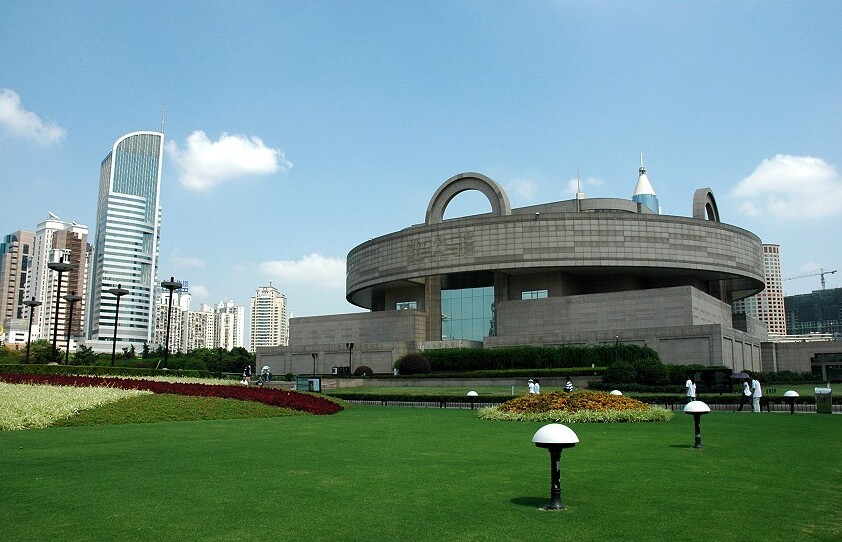
One of the world's best museums of Chinese art, with bronze vessels from the Shang and Zhou dynasties, ceramics, calligraphy, painting, furniture and jade. The building on People's Square is shaped like an ancient bronze ding cauldron. In 2024 the museum also opened a large new branch in Pudong.

Tip: Admission is free, but a reservation via WeChat or the website with your passport number is required, usually a day to a week ahead. The bronzes gallery on the ground floor and the ceramics gallery on the second are the highlights; allow three hours for the full museum. It's closed on Mondays. The English audio guide is worth it.

Admission:
free, reservation required
Time needed:
2–3 h
Nanjing Road

Nanjing Road

南京路

Huangpu / Jing'an

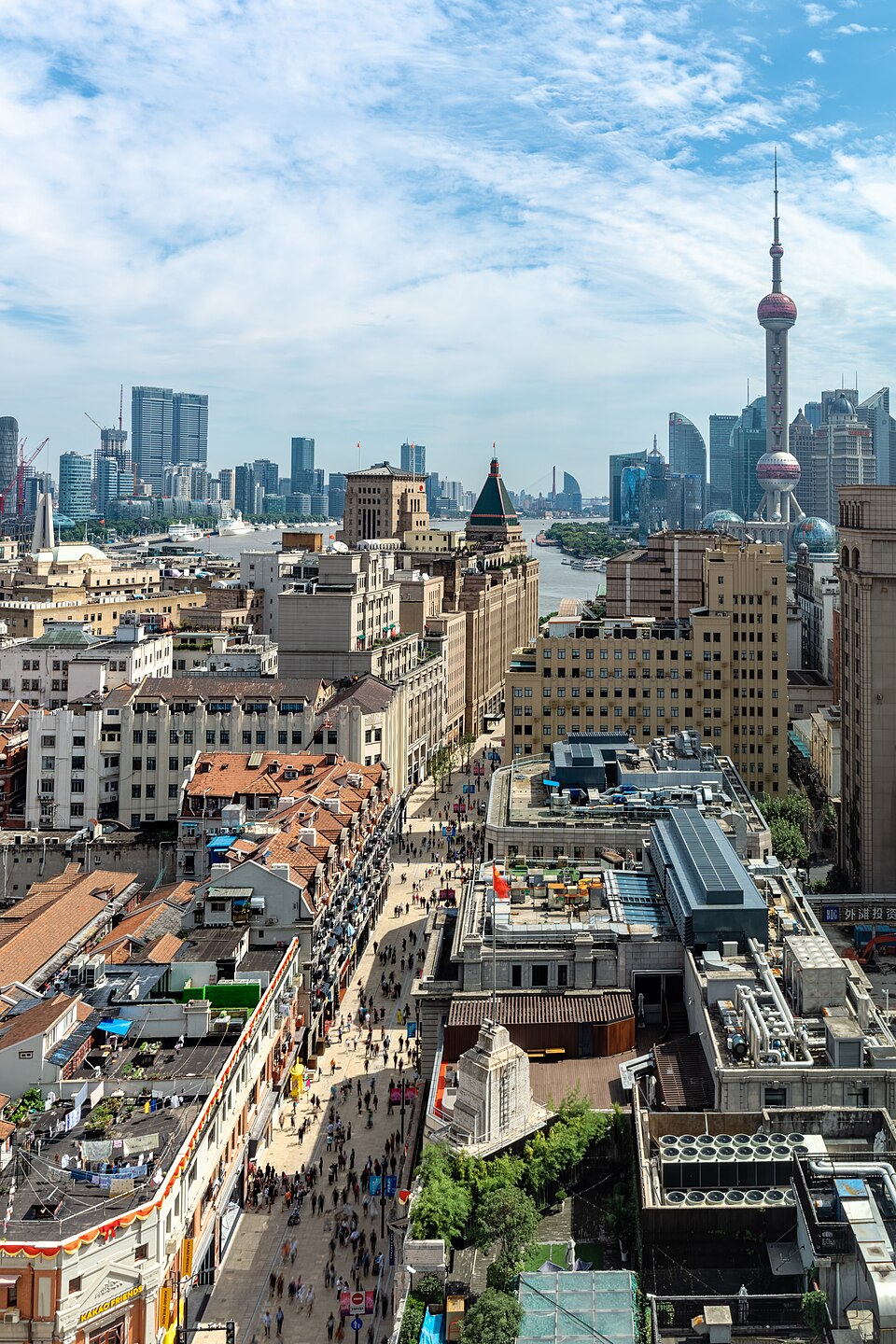
China's most famous shopping street, running five and a half kilometers from the Bund to Jing'an Temple. The eastern section is a pedestrian zone with neon signs, department stores and crowds that evoke Times Square at night. The western section is more upscale, with shopping malls.

Tip: Walk it just once, in the evening when the neon signs light up — the shops themselves are the same as anywhere. Friendly people on the street inviting you to tea or to a gallery are running the city's most common scam, ending in a bill for hundreds of dollars. From Nanjing Road East station it's a ten-minute walk to the Bund.

Admission:
free
Time needed:
1 h
French Concession

French Concession

法租界

Xuhui / Huangpu

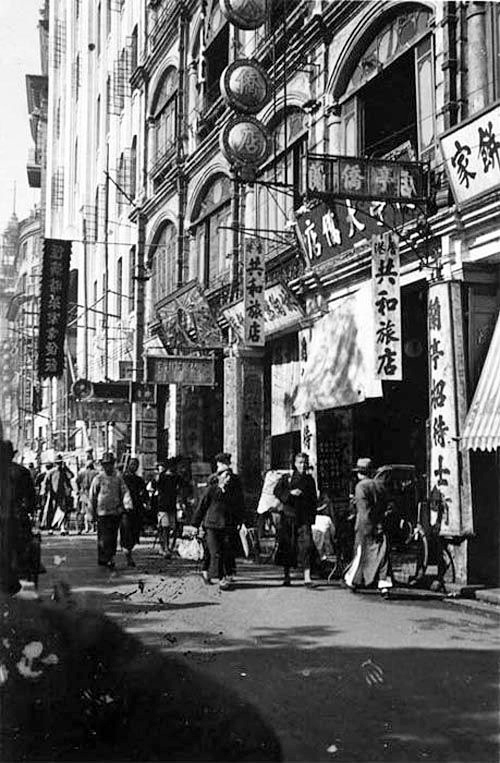
The former French quarter, lined with plane trees, art deco villas, long avenues and rows of shikumen houses. Today it's the most pleasant part of Shanghai for strolling, with cafés, boutiques, restaurants and bars along Wukang, Fuxing and Anfu roads.

Tip: The best way to explore is on a shared bike, cruising Wukang Road, Hunan Road and Yueyang Road. The Wukang Building on the corner is the most photographed building in the city. Tianzifang alley and the Xintiandi complex are the touristy versions of the same architecture. The neighborhood is prettiest in November, when the plane trees turn yellow.

Admission:
free
Time needed:
2–3 h
Tianzifang

Tianzifang

田子坊

Huangpu / French Concession

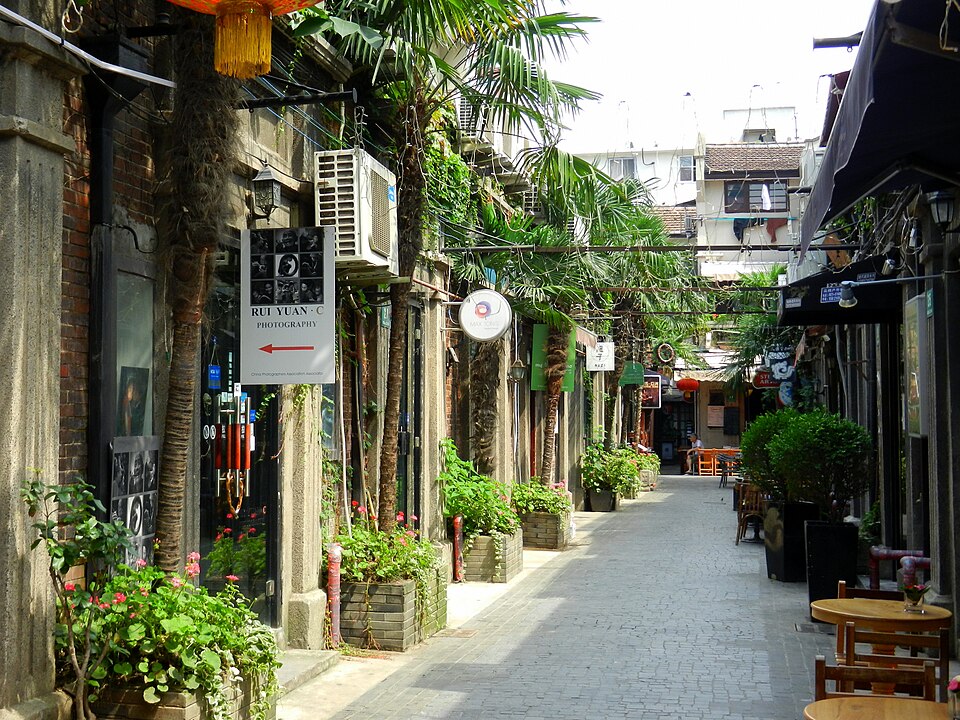
A maze of narrow lanes lined with shikumen houses — Shanghai's typical row houses with stone gateways — converted into shops, studios, cafés and bars. It shows how Shanghai lived a century ago and how its old neighborhoods are being transformed today.

Tip: The main lanes are commercial and packed, so head into the inner alleys where locals still live and hang laundry overhead. Mornings around ten are the calmest, as shops open. The parallel Taikang Road has cheaper eateries. Compared with Xintiandi, Tianzifang is more authentic but less polished.

Admission:
free
Time needed:
1–1.5 h
Jing'an Temple

Jing'an Temple

静安寺

Jing'an

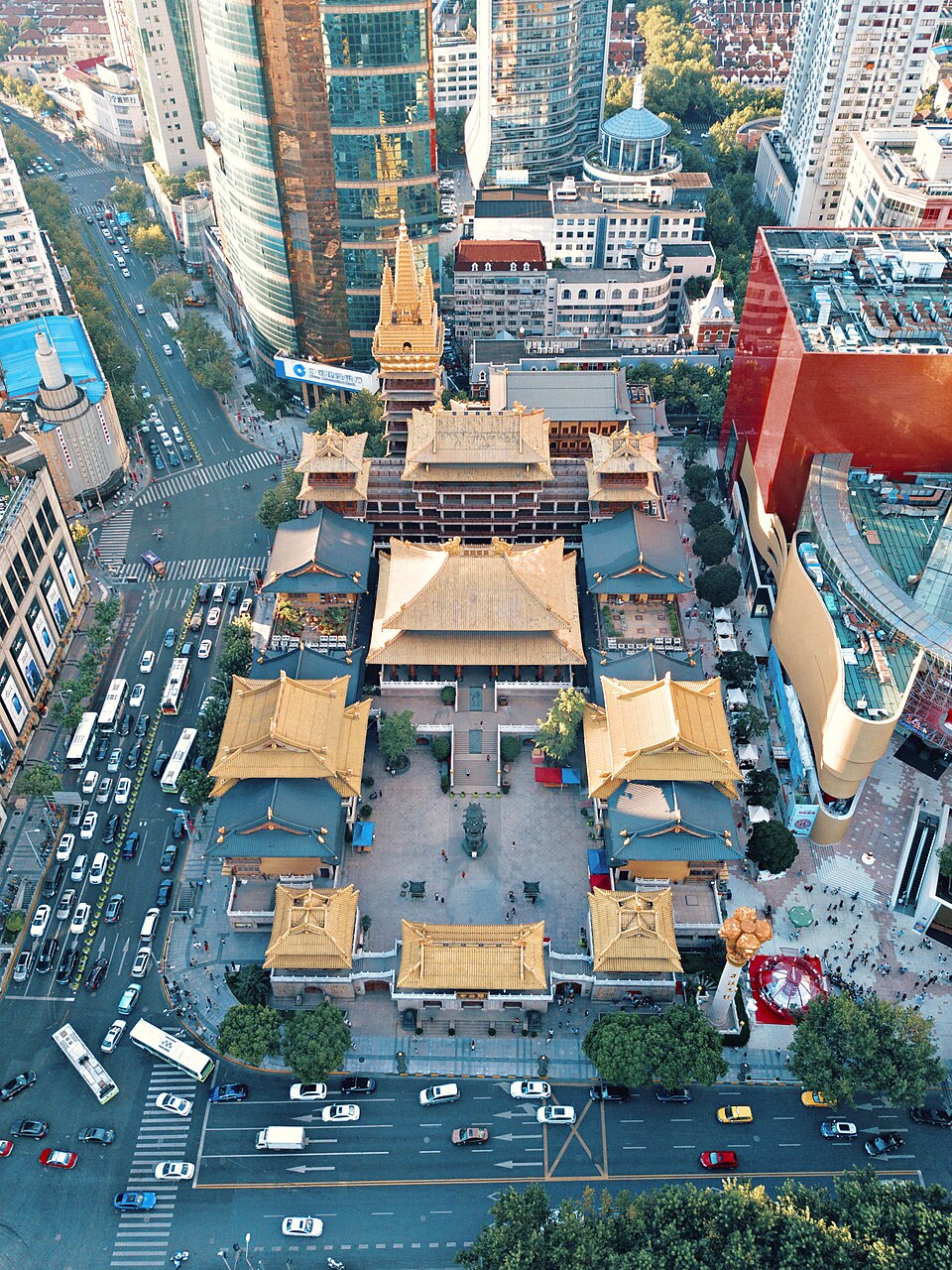
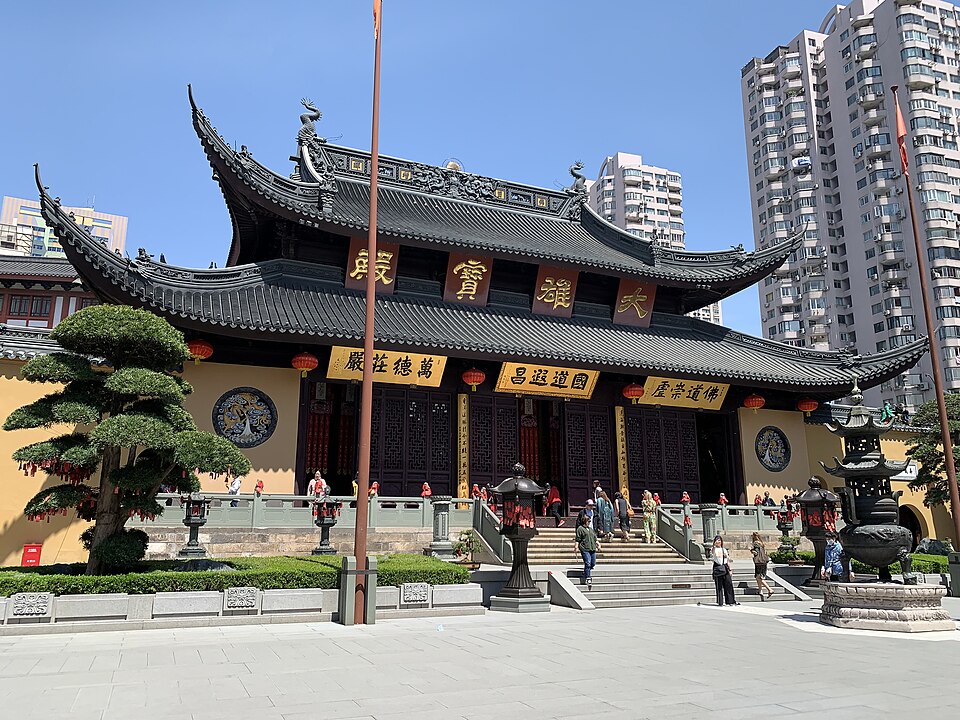
A Buddhist temple founded in 247 CE, rebuilt into its current form with gilded roofs and a courtyard where worshippers toss coins into a bronze incense burner. The contrast between the golden roofs and the surrounding skyscrapers and luxury shops is quintessentially Shanghai.

Tip: A coin tossed into the incense burner in the middle of the courtyard, if it lands in the opening, is said to bring luck — locals try again and again. The temple's golden roof looks best from the street after dark. It sits right on Jing'an metro station, so it pairs well with the Jade Buddha Temple, a twenty-minute walk away.

Admission:
50 CNY
Time needed:
45 min
Jade Buddha Temple

Jade Buddha Temple

玉佛寺

Putuo / Jing'an

A Buddhist monastery from the late nineteenth century, where a monk brought back two Buddha statues carved from white jade from Myanmar. The seated statue is two meters tall and studded with gems; the reclining one depicts the Buddha at the moment of death. The monastery is very much active, with monks and worshippers.

Tip: Viewing the seated Buddha statue costs extra and photography isn't allowed. The best time to come is in the morning, when monks chant sutras. The vegetarian canteen next to the monastery serves cheap, good noodles. On the first and fifteenth days of the lunar month the temple fills with worshippers.

Admission:
20 CNY + 10 CNY for the statue
Time needed:
45 min – 1 h

Photos: The Bund — 钉钉 (CC BY-SA 4.0) · Yu Garden and the Old Town God Temple — Stefan Fussan (CC BY-SA 3.0) · Shanghai Tower — Balon Greyjoy (CC0) · Shanghai Museum — Hanjiang 2009 (寒江2009) (CC BY 2.0) · Nanjing Road — Melvin Loi (CC BY-SA 2.0) · French Concession — Unknown authorUnknown author (Public domain) · Tianzifang — lienyuan lee (CC BY 3.0) · Jing'an Temple — Legolas1024 (CC BY-SA 4.0) · Jade Buddha Temple — Chainwit. (CC BY 4.0)

Where to stay

Areas and districts, matched to the kind of trip you are taking

The Bund and Huangpu

Best for: first-time visitors, views, luxury

The historic center, spanning the Bund, Nanjing Road and People's Square. Luxury hotels occupy historic riverfront buildings, everything essential is walkable, and the metro is excellent. It's the priciest and busiest part of the city, but the most practical for a first visit — an evening stroll along the Bund is reason enough to stay here.

French Concession

Best for: couples, cafés, restaurants, atmosphere

The most pleasant neighborhood in the city to stay in, with plane trees, boutique hotels in historic villas, cafés, and the best restaurants and bars. It's quiet, and best explored on foot or by bike. It's twenty minutes by metro to the Bund. For a repeat visit or a longer stay, this is the best choice.

Jing'an

Best for: business trips, shopping, modern hotels

A commercial and shopping district around the western stretch of Nanjing Road, with luxury malls, international hotels and Jing'an Temple. The metro connection is excellent and restaurants are high quality. Less atmosphere than the French Concession, but a safe choice with comfort and good transit.

Pudong and Lujiazui

Best for: views, business trips

The financial district across the river, with skyscrapers, luxury hotels on the upper floors and enormous malls. A room with a view of the Bund is unforgettable, but the neighborhood empties out and loses its atmosphere at night, and restaurants are mostly confined to hotels and malls. Good for one night for the view, or for a business trip.

Getting around

From the airport

From Europe, direct flights to Shanghai run from Frankfurt, Munich, Paris, London and Vienna; from Prague there's one connection, and the journey takes twelve to fifteen hours. Entry requirements for Czech citizens have changed in recent years, so check the Ministry of Foreign Affairs website before traveling to confirm whether visa-free entry currently applies or a visa is required; visa-free transit of up to 240 hours when traveling on to a third country remains available. International flights land at Pudong Airport, while domestic and regional flights often use the closer Hongqiao Airport, which connects directly to the main high-speed rail station. By high-speed train it's thirty minutes to Suzhou, an hour to Hangzhou, and four and a half hours to Beijing.

Shanghai Pudong (PVG) · 40 km

  • Maglev to Longyang Road + metro line 2· 8 min + 30 min· 50 CNY
  • Metro line 2· 70–80 min· 7 CNY
  • Taxi to the Bund· 50–70 min· 180 CNY

Shanghai Hongqiao (SHA) · 15 km

  • Metro line 2 or 10· 35–45 min· 5 CNY
  • Taxi downtown· 30–50 min· 70 CNY

Around town

The Shanghai metro is the longest in the world, with over eight hundred kilometers of track, and reaches practically everywhere, including both airports and the train stations. Signs and announcements are in English, payment is by scanning a QR code in Alipay or WeChat Pay, and single-ride tickets are sold at machines. Bags are screened at station entrances. Taxis are cheap, best booked through Didi inside Alipay, since street-hailed drivers sometimes won't take foreigners. Between the Bund and Pudong, a ferry crosses the river for two yuan — the cheapest sightseeing cruise in the city. The French Concession is ideal for a shared bike. Google Maps doesn't work without a VPN — use Amap or Apple Maps instead. The airport maglev reaches speeds up to 300 km/h and the ride itself is an experience.

MetroFare by distance, pay by QR code in Alipay/WeChat. · 3 CNY
Ferry across the HuangpuBetween the Bund (Jinling Road) and Pudong, every 10–15 min. · 2 CNY
Didi (taxi)Booked through Alipay, payment automatic. · 14 CNY
Shared bikesMeituan, HelloBike; ideal in the French Concession. · 1.5 CNY / 30 min

Useful apps: Alipay, WeChat, Amap (Gaode), Didi, Trip.com, Metro Man

When to go

The best months are April to mid-May and mid-September to November — around 20–25°C, dry and clear. Magnolias, the city's symbol, bloom in spring, and autumn brings crab season along with the yellowing plane trees of the French Concession. June brings the mei-yu rainy season, weeks of drizzle and humidity; July and August are hot, over 35°C with very high humidity; and typhoons are a risk in September. Winter is damp and cold, around 5°C, and since homes often lack central heating, it feels colder indoors than outside. Avoid the first week of October, when the Bund gets so crowded that police impose one-way pedestrian flow.

Best time

April–May, mid-September–November

What to avoid

Golden Week (Oct 1–7), the rainy month of June, sweltering summer

MonthJanFebMarAprMayJunJulAugSepOctNovDec
Day8°10°14°20°25°28°32°32°28°23°17°11°
Night1°3°6°11°17°21°26°26°22°16°10°4°
Rainy days991211111412119787

Food & drink

Shanghainese cuisine is sweeter and more delicate than northern Chinese food and ranks among the best in the country. Its icons are xiaolongbao — soup dumplings with broth inside — and pan-fried shengjianbao with crispy bottoms, along with pork braised in soy sauce and sugar, and, in season from September to November, hairy crab from Yangcheng Lake. Mornings are for street food — fried dough sticks, pancakes, sticky rice and soy milk. Shanghai is also cosmopolitan: it has the best international restaurants in China, dozens of Michelin-starred places, and excellent cafés and cocktail bars. Local eateries hide in the side streets of the French Concession and the Old Town, where you order by scanning a QR code. Mall basements have food courts serving dishes from across China at reasonable prices.

What to try

Xiaolongbao

Small steamed dumplings filled with pork and hot broth. The proper technique: rest the dumpling on a spoon, bite a small hole, sip out the broth, then eat the rest with vinegar and ginger. Pop the whole thing in your mouth and you'll burn yourself.

Shengjianbao

Leavened dumplings with pork and broth, pan-fried until the bottom is crisp, topped with sesame and spring onion. A Shanghai breakfast staple, best from the eateries with a line of locals starting at seven in the morning.

Hongshaorou

Pork belly braised for hours in soy sauce, rice wine and sugar until it forms a glossy, deep red glaze. The quintessential Shanghai home-cooked dish, served with rice.

Hairy crab

Hairy crab from Yangcheng Lake is eaten only from September to November, when its roe is at its richest. It's steamed and eaten with vinegar and ginger, alongside warm rice wine. It's expensive, but the whole city's autumn obsession.

Congyou banmian

Noodles tossed in oil infused with browned scallions and soy sauce — simple, cheap, and one of the best dishes in the city. A Shanghai lunch for twenty yuan.

The breakfast quartet

The classic local breakfast is a fried dough stick (youtiao), soy milk, a scallion pancake (dabing), and a rice ball (cifantuan) wrapped around the dough stick. Stalls near metro stations sell them from six to nine.

Yellow rice wine

Huangjiu from nearby Shaoxing is an amber rice wine, drunk warm with a piece of dried plum or ginger, especially alongside crab. It tastes something like sherry.

Tea and rice wine

Tea is drunk without sugar and is often free at restaurants. Hainanese rice wine and palm wine are sold at rural markets; "shan lan jiu," a spirit distilled by the Li people in the mountains, is stronger than it looks.

What it costs

Breakfast at a street stall

8–15 CNY

Xiaolongbao (a basket)

25–50 CNY

Lunch at a local eatery

30–60 CNY

Dinner at a restaurant

150–300 CNY

Metro ride

3–10 CNY

Shanghai Tower observation deck

from 180 CNY

Cocktail at a rooftop bar

100–150 CNY

Night in a 3-star hotel for two

450–900 CNY

Indicative prices that change over time — treat them as a guide, not a price list.

Practical information

SocketsAtwo flat pins (US/JP)CEuroplug, two round pinsIAustralian, angled pins
Voltage220V / 50Hz
Tap waterDo not drink tap water — Tap water isn't drunk anywhere in China. Every hotel, train station and even airplane provides boiled water — Chinese people drink hot water, and a thermos is standard gear. Bottled water costs two to three yuan at a shop, ten times that in a tourist area. Ice in drinks isn't traditional in China and local restaurants won't serve it; beer is served lukewarm unless you specifically ask for chilled (bing de).
TippingTipping isn't customary in China, and an offered tip is often refused as inappropriate; the exceptions are tour guides and international hotel chains. Payment method matters far more: cash and foreign cards work only at the margins of daily life, while payment is done by phone via WeChat Pay or Alipay, both of which can now be linked to a foreign card — set this up before you leave home, since it's difficult to arrange locally without a Chinese phone number. Without mobile payment, you may struggle to eat or get a ride in many places. Bank of China ATMs accept foreign cards.
Driving on theright
SafetyChina is a safe country, violent crime against foreigners is rare, and walking around the city at night poses no problem. The real risks are different: traffic, where pedestrians have no right of way even at crossings, crowds during public holidays, and inflated prices in tourist areas. The "tea invitation" or bar scam with a fairy-tale-sized bill is still common in big cities. The internet is filtered — Google, WhatsApp, Facebook, Instagram and most foreign map apps don't work without a VPN, which must be installed before you arrive. Emergency numbers are 110 (police) and 120 (ambulance).
Opening hoursShops and malls are open from ten to ten, including weekends, and street food stalls from six in the morning. Restaurant kitchens serve lunch from eleven to two and dinner from five to nine, closing in between. Sights and parks open early, around eight, with last admission usually an hour before closing. During holidays, especially Chinese New Year and the first week of October, hundreds of millions of people travel across the country and everything is crowded and pricier.
Customs & etiquetteBusiness cards and money are handed over with both hands. Loud conversation and pushing in line aren't rudeness but the local norm. Food is ordered for the whole table to share, and everyone serves themselves from the shared dishes; chopsticks are never stuck upright into rice, since that resembles an offering to the dead. The bill isn't split — one person pays, and the other treats next time. Declining a first offer is a polite ritual; the offer is meant to be repeated three times. Steer clear of political topics, including Taiwan and Tibet.
A few local wordsHello — Ni haoThank you — Xie xieHow much does it cost? — Duo shao qian?The bill, please — Mai danI don't understand — Wo bu dongNo spicy, please — Bu yao la

How to plan your days

1 day

Shanghai in one day

  1. 1Morning at Yu Garden right at opening.
  2. 2Xiaolongbao lunch in the Old Town.
  3. 3Afternoon stroll through the French Concession and Tianzifang.
  4. 4Early evening ferry to Pudong and Shanghai Tower at sunset.
  5. 5Evening back on the Bund for the lit-up skyline.

2 days

Two days: old and new

  1. 1Day 1: the Bund in the morning, Nanjing Road, Shanghai Museum.
  2. 2Day 1 afternoon: Yu Garden and the Old Town.
  3. 3Day 1 evening: a rooftop bar on the Bund.
  4. 4Day 2: Jing'an Temple, Jade Buddha Temple.
  5. 5Day 2 afternoon: cycling the French Concession, dinner in Xintiandi.

3 days

Three days including a water town

  1. 1Day 1: the Bund, Nanjing Road, the museum and Yu Garden.
  2. 2Day 2: French Concession, Tianzifang and Jing'an.
  3. 3Day 2 evening: Pudong and the view from Shanghai Tower.
  4. 4Day 3: a trip to the water town of Zhujiajiao or to Suzhou.
  5. 5Day 3 evening: xiaolongbao and the Bund at night.

Day trips

Suzhou

100 km · 30 min by high-speed train

A city of gardens and canals, nicknamed the Venice of China, with classical gardens on the UNESCO list — the most famous being the Humble Administrator's Garden and the Lingering Garden. The old town is crossed by canals with stone bridges, and Pingjiang Road is the prettiest street along the water. High-speed trains run from Shanghai every few minutes, with tickets bought using your passport. The gardens get crowded on weekends, so go on a weekday.

Zhujiajiao water town

50 km · 1 h by metro (line 17)

The nearest and easiest-to-reach water town, with canals, stone bridges from the Ming and Qing dynasties, and houses built over the water. The most famous is the five-arched Fangsheng Bridge. A canal boat ride takes half an hour. The town is commercial and packed on weekends, but has real atmosphere in the morning or on weekdays. The metro runs from downtown all the way there.

Hangzhou and West Lake

180 km · 1 h by high-speed train

The capital of Zhejiang province, built around West Lake, a subject of poetry and painting since antiquity and a UNESCO World Heritage site. Causeways, pagodas and gardens ring the lake, and tea plantations of the famous Longjing green tea cover the hills above the city. For a day trip, a bike loop around the lake plus a visit to a tea-growing village is enough.

Frequently asked questions

Is Shanghai a good choice for a first trip to China?+

Yes, it's the most comfortable starting point: the metro is extensive and signed in English, more people speak English downtown, and international hotels and restaurants match the standard of European cities. That said, China's own rules still apply — without mobile payments, a VPN or a foreign eSIM, and online bookings, getting around is difficult, so don't skimp on preparation.

How many days do you need for Shanghai?+

Three days are enough for the Bund, Pudong, the Old Town, the French Concession and one trip to a water town or Suzhou. Five days allow Hangzhou and a more relaxed pace. Shanghai is an ideal starting point for a high-speed-rail loop through eastern China, or onward travel to Beijing.

How do you pay in Shanghai?+

By phone, through Alipay or WeChat Pay linked to a foreign card — set this up before you leave home. By law everyone must accept cash, but in practice they often lack small change. Visa and Mastercard are accepted at big hotels, malls and international restaurants. Bank of China and ICBC ATMs dispense cash to foreign cards.

Is the maglev worth taking?+

As an experience, definitely: it reaches speeds of up to 300 km/h and covers the route from the airport in eight minutes. But it ends at Longyang Road station outside the center, where you have to transfer to the metro, so the time saved over a taxi is small. A round-trip ticket with a boarding pass is cheaper.

Where's the best view of the Pudong skyline?+

From the Bund promenade after dark, for free, ideally between seven and ten in the evening when the skyscrapers are lit. From the rooftop bars in the Bund's historic buildings, the view is even better with a drink in hand. Looking the other way, toward the Bund, the best views are from the Pudong riverside promenade and the Shanghai Tower observation deck.

Is Shanghai safe?+

Very safe — violent crime is rare and walking around at night poses no problem. Watch out for scams instead: friendly students who invite you to a tea ceremony, a gallery, or a bar on Nanjing Road or near the Bund will lead you to a venue with a bill for hundreds of dollars. Pickpocketing occasionally occurs in the metro and on Nanjing Road.

When is crab season?+

From late September through November, with females at their best in October and males in November. The hairy crab from Yangcheng Lake is Shanghai's autumn obsession, sold in gift boxes and given a whole special menu at restaurants. One crab costs fifty to two hundred yuan depending on size.

Which water town should I choose?+

Zhujiajiao is the nearest and easiest to reach by metro, but it's commercial. Tongli and Wuzhen are prettier and more authentic, but a two-hour trip. Suzhou isn't a small town but a full city with gardens and canals, and it's the fastest to reach by high-speed train. For a single day out of Shanghai, Suzhou is the best compromise.

Arrival Card

Fill in the required arrival card before your trip to avoid delays at immigration.

Complete Arrival Card

Visa Requirements

Check the latest visa requirements for entering this country. Some nationalities may need to apply for a visa or e-visa before travel.

Check visa requirements

Language

Mandarin

Currency

CNY

Timezone

GMT+8

Dial Code

+86

Population

1.41B

Area

9,596,960 km²

Voltage

220V / 50Hz

Driving Side

Right

Top Hotels in Shanghai

Live prices from 500+ properties

Loading hotels...

More destinations in China

Planning a trip to Shanghai?

Compare hundreds of hotels, find the best price, and book with free cancellation on TravelManiac.