Hotels in Tulum

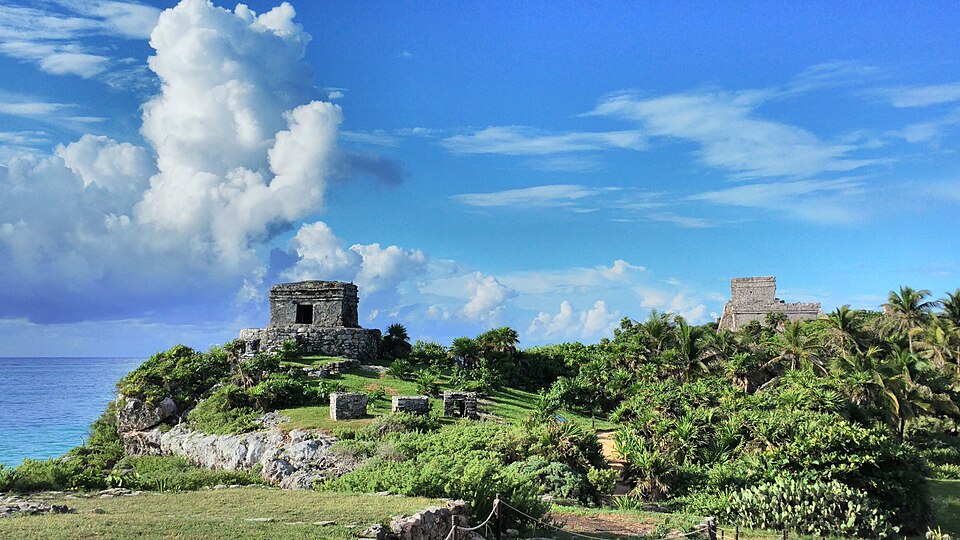
Maya ruins on a cliff above the Caribbean and jungle cenotes

Tulum

LanguageSpanish
CurrencyMXN
TimezoneAmerica/Cancun
Temperature18-32 °C
Dial Code+52
Population129M
Area1,964,375 km²
SocketsType A / Type B
Tap waterNot drinkable

Discover Tulum

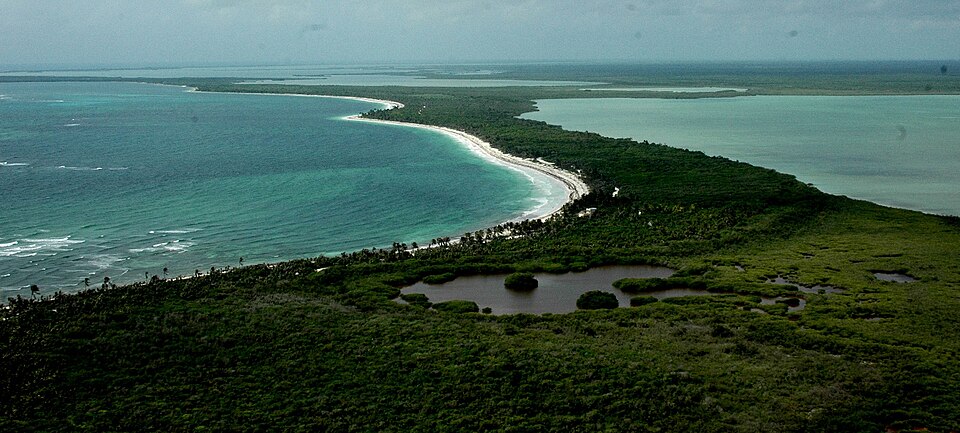
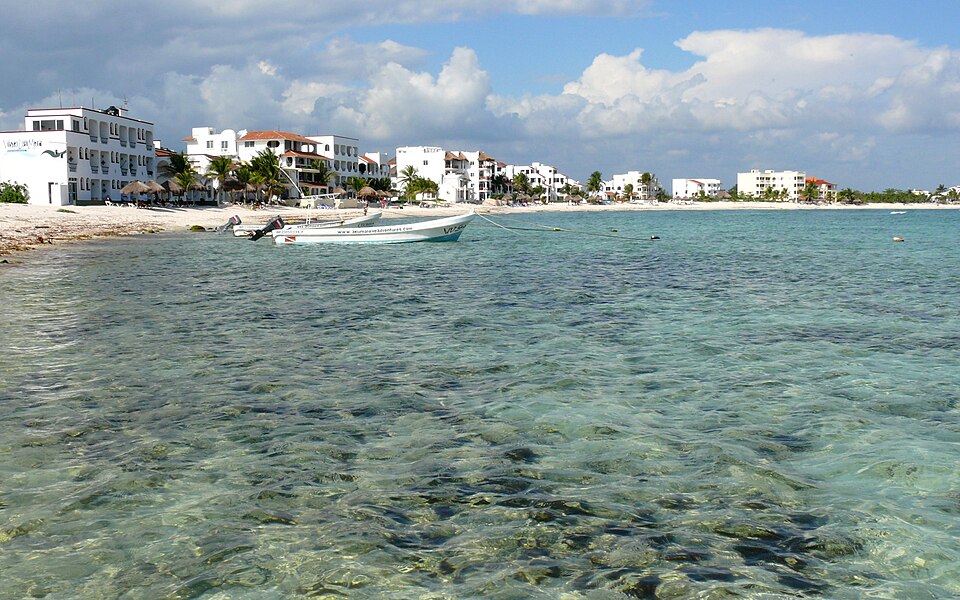
Tulum is a town on the Quintana Roo coast about a hundred and thirty kilometres south of Cancún, beside the Maya ruins of the same name on a cliff above the Caribbean Sea. The ruins from the thirteenth to fifteenth centuries are among the most photographed in Mexico, and the beach below them is one of the prettiest on the coast. The town is split into three parts: Tulum Pueblo, with most of the restaurants and shops; the Zona Hotelera, a ten-kilometre road along the beach with boutique hotels; and Aldea Zamá, a residential area. In the surroundings are dozens of cenotes, the Kaan Luum lagoon, the Sian Ka'an biosphere reserve and the Maya city of Cobá. Tulum is pricier than Playa del Carmen and less busy, so it suits couples and travellers who want nature. Since 2023 it has had an international airport and a Tren Maya station.

What to see

The places worth your time in Tulum, and what to expect at each

Tulum Maya Ruins

Tulum Maya Ruins

by the town

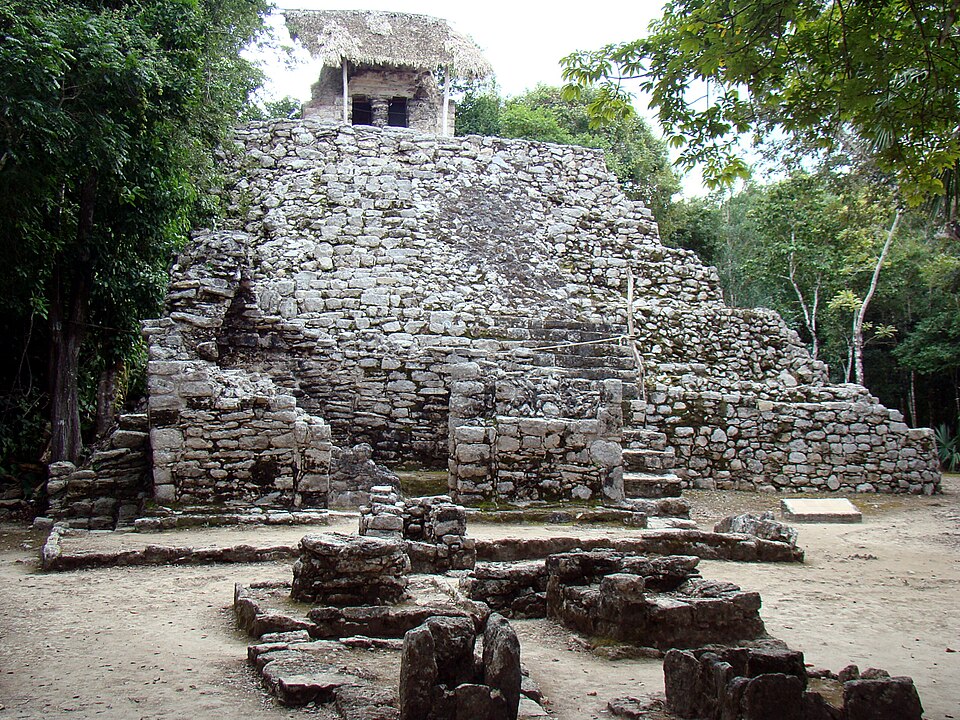
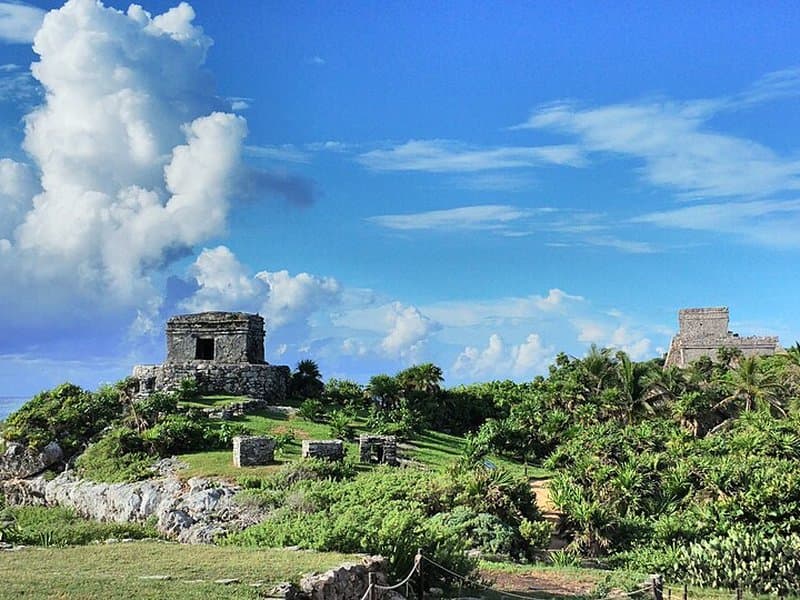
A fortified Maya port city from the thirteenth to fifteenth centuries, perched on a cliff twelve metres above the sea. The surviving buildings include the Castle, the Temple of the Frescoes and the Temple of the Descending God. It is one of the few Maya cities on the coast to survive, and the view of the sea from the Castle is worth the trip.

Tip: Come at the eight o'clock opening or after four in the afternoon; by late morning it is already over thirty degrees with many buses. The ticket includes access to the beach below the cliff; bring swimwear and drinking water.

Admission:
about 100 MXN
Time needed:
2 hrs
Playa Paraíso

Playa Paraíso

Zona Hotelera

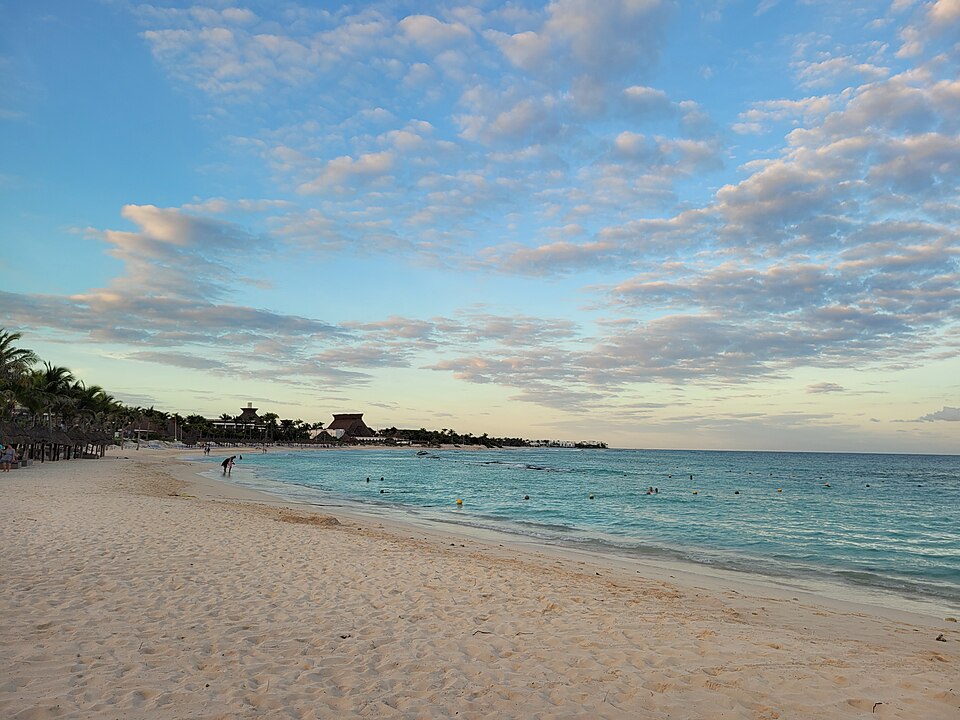
The beach below the ruins, where white sand, turquoise sea and the ruin on the cliff make Tulum's best-known picture. The beach is quiet and the water suitable for swimming, especially in the morning. Beach clubs have loungers and refreshments, but the main stretch is public.

Tip: Go early in the morning or after lunch, when the buses leave. Watch for sargassum from April to October, as the amount varies — check current conditions.

Admission:
free
Time needed:
half a day
Gran Cenote

Gran Cenote

near Tulum

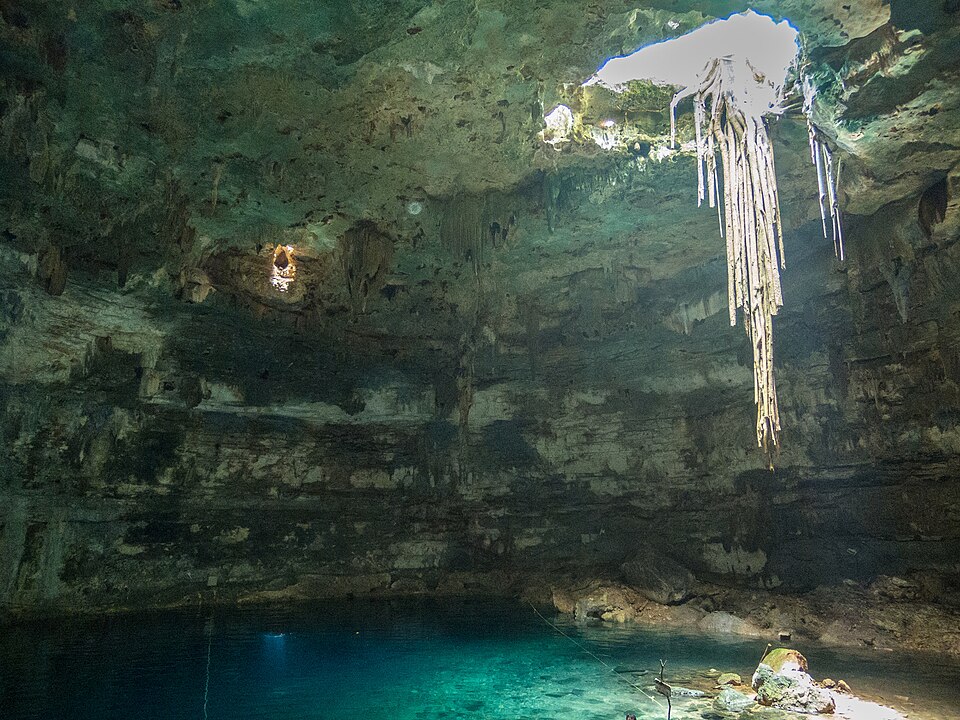
One of the best-known cenotes near Tulum, with clear water, stalactites and turtles, formed by two linked caves. It is a favourite for snorkelling and for beginner divers. The water is about twenty-five degrees all year.

Tip: Come right after the eight o'clock opening, when the water is clearest and there are no crowds. Sunscreen and repellent are banned; the entrance is paid in cash.

Admission:
about 500 MXN
Time needed:
2 hrs
Cenote Dos Ojos

Cenote Dos Ojos

north of Tulum

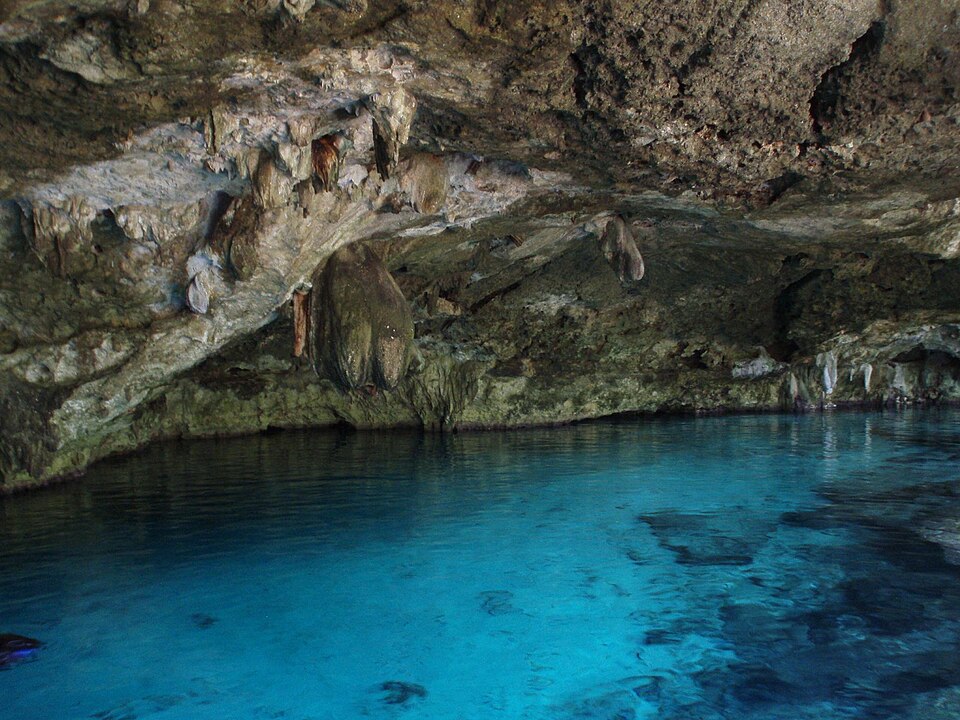
A cave system with two linked pools and an underground river, one of the longest flooded cave systems in the world. It is a favourite for snorkelling and for guided diving. The entrance is about twenty kilometres north of Tulum.

Tip: Book your entry early in the morning and arrange guides for deeper diving in advance. The water is about twenty-five degrees all year.

Admission:
about 450 MXN
Time needed:
2–3 hrs
Casa Cenote

Casa Cenote

south of Tulum

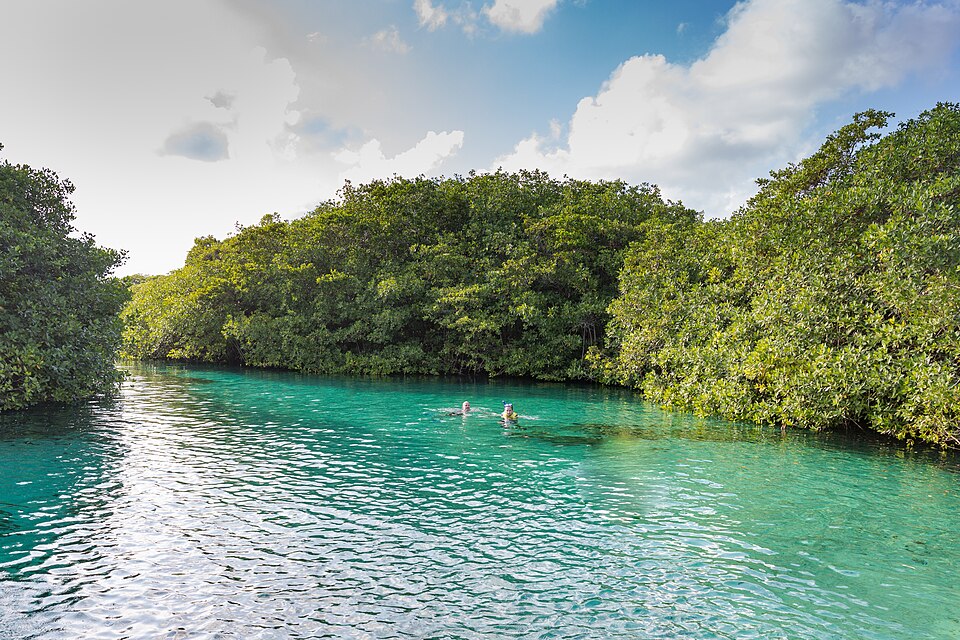
A cenote right by the sea, where fresh water from the cave mixes with the salty Caribbean. It is a calm place to swim amid mangroves, with shoals of fish and the occasional crocodile. Entry is cheap and there is a restaurant overlooking the water.

Tip: Go after midday, when it is quiet, and watch the rocky path into the water. The water is less clear than at Gran Cenote, but the setting is natural.

Admission:
about 350 MXN
Time needed:
2 hrs

Kaan Luum Lagoon

south of Tulum

A lagoon with turquoise water and a deep cenote hole in the middle of the jungle. In the shallows you can wade and swim, and in the middle is a dark-blue chasm. The lagoon is calm and has fewer visitors than the cenotes.

Tip: Get there in the morning, as by noon crowds gather. Bring water and water shoes; shade is only by the entrance.

Admission:
about 200 MXN
Time needed:
2–3 hrs
Sian Ka'an Biosphere Reserve

Sian Ka'an Biosphere Reserve

south of Tulum

A huge UNESCO-listed reserve with mangroves, lagoons and coral reef, covering six thousand square kilometres. Jaguars, manatees and hundreds of bird species live here. A boat trip with a guide runs along canals cut by the Maya.

Tip: Book a trip with an official guide who knows the reserve. Set off early in the morning, when the chance of spotting birds and dolphins is best.

Admission:
trips from 1,500 MXN
Time needed:
half a day
Maya City of Cobá

Maya City of Cobá

west of Tulum

A Maya city deep in the jungle, forty-five kilometres from Tulum, with the Nohoch Mul pyramid, which could once be climbed. The ruins are extensive and you travel around them by bicycle or tricycle. It is calmer than Chichén Itzá.

Tip: Set off early, as the heat is strong and the pyramid warms up from noon. Rent a bicycle at the entrance and see the main route in two hours.

Admission:
about 100 MXN
Time needed:
half a day
Akumal

Akumal

north of Tulum

A bay with shallows where green sea turtles graze, about twenty-five kilometres north of Tulum. You snorkel with an official guide in a life jacket so as not to disturb the turtles. The beach is calm and the water transparent.

Tip: Go in the morning, when the turtles are active. Swimming is allowed only with a guide, and sunscreen is banned.

Admission:
from 500 MXN
Time needed:
half a day

Photos: Tulum Maya Ruins — Popo le Chien (CC BY-SA 3.0) · Playa Paraíso — Erik Cleves Kristensen (CC BY 2.0) · Gran Cenote — Dronepicr (CC BY 3.0) · Cenote Dos Ojos — Dag Lindgren (CC BY-SA 3.0) · Casa Cenote — dronepicr (CC BY 2.0) · Sian Ka'an Biosphere Reserve — Martha xucunostli (CC BY-SA 3.0) · Maya City of Cobá — O.Mustafin (CC0) · Akumal — Ken Thomas (Public domain)

Where to stay

Areas and districts, matched to the kind of trip you are taking

Tulum Pueblo

Best for: restaurants, markets and lower prices

The town along the main road where locals live. It has the most restaurants, shops and reasonably priced hotels. The beach is a ride away, but transport is easy along the road. The best choice for longer stays and for budget.

Zona Hotelera

Best for: beach, boutique hotels and clubs

A ten-kilometre road along the beach with boutique hotels, beach clubs and restaurants. It is beautiful but expensive and congested at peak times. Best for couples and for those who want the beach beneath the window.

Aldea Zamá

Best for: calm and greenery

A residential area with villas and smaller hotels between the town and the sea. It is quiet, green and closer to the beach than the Pueblo. Suits longer stays and those who want calm.

Outside the town

Best for: jungle and cenotes

Hotels in the jungle around the town and near the cenotes, often eco-lodges. Prices are lower and calm greater, but transport depends on a car or bike. For adventurous travellers.

Getting around

From the airport

Since December 2023 Tulum has had the Felipe Carrillo Puerto International Airport (TQO), about thirty kilometres from town, with flights from Mexico and some countries. Most travellers still fly into Cancún (CUN), about a hundred and thirty kilometres away, and take an ADO bus or transfer from there. The Tren Maya train also reaches Tulum, with a station near the town. We recommend arranging a transfer in advance.

Cancún – International Airport (CUN) · 130 km

  • ADO bus to Tulum· 2 hrs· 400 MXN
  • Private transfer· 1 hr 40 min· USD 120
  • Shared shuttle· 2 hrs 30 min· USD 45

Tulum – Felipe Carrillo Puerto Airport (TQO) · 30 km

  • Taxi to town· 35 min· 700 MXN

Around town

The Zona Hotelera is ten kilometres long, so you cannot manage without transport. Bicycles and scooters are rented, taxis without meters run (agree the price in advance) and in the Pueblo people cycle. For cenotes and ruins it is worth renting a car or arranging a driver. An ADO bus and colectivos run to Playa del Carmen.

BicycleRental shops in the Pueblo and the hotel zone, a cycle path runs alongside the road. · 200 MXN
TaxiNo meter, agree the price in advance. · 150 MXN
ColectivoTo Playa del Carmen and along the coast. · 60 MXN
Car rentalFor cenotes, ruins and Cobá. · 900 MXN

Useful apps: Google Maps, ADO, Maps.me, Uber

When to go

Tulum has the same tropical climate as the rest of Quintana Roo. The best season is the dry one from December to April, at twenty-eight to thirty degrees with almost no rain. From June to November it is hot, humid and hurricane season; sargassum appears on the beaches from April to October. Cenotes are cool and suitable all year.

Best time

December to April

What to avoid

September and October (hurricanes and sargassum)

MonthJanFebMarAprMayJunJulAugSepOctNovDec
Day28°29°30°31°32°32°32°33°32°30°29°28°
Night19°19°20°22°23°24°24°24°24°23°21°20°
Rainy days65448131212151397
Sea26°26°26°27°28°29°29°30°30°29°28°27°

Food & drink

Food in Tulum combines Yucatecan dishes with an international beach style. In the Pueblo you find tacos and street food, in the hotel zone vegetarian and organic restaurants. The best value is in the Pueblo's eateries that serve locals.

What to try

Tacos de cochinita

Slow-roasted pork in a banana leaf with pickled onion, served in a small tortilla. A staple of Yucatán, and in Tulum you can eat it for fifty pesos.

Huevos motuleños

A breakfast of eggs on a tortilla with beans, cheese, ham and peas in tomato sauce. It comes from the town of Motul.

Ceviche and aguachile

Raw fish or prawns cured in lime; aguachile is spicy as well. Freshest by the sea.

Panuchos

Fried tortillas stuffed with beans and topped with chicken or turkey and onion. Street food from Yucatán.

Sopa de lima

Lime soup with chicken and fried tortillas, light and refreshing.

Agua fresca

Fresh fruit drinks of melon, hibiscus or tamarind, sold in bottles. For twenty pesos.

Mezcal and margarita

A smoky agave spirit and a tequila cocktail, in Tulum in hundreds of versions. Drunk in bars with music.

What it costs

Tacos in the Pueblo

30–60 MXN

Lunch in a restaurant

180–350 MXN

Dinner in the hotel zone

500–1,200 MXN

Entry to the ruins

100 MXN

Gran Cenote

500 MXN

Bicycle per day

200 MXN

3★ hotel in the Pueblo (night)

1,500–3,500 MXN

Taxi from Cancún

USD 120

Indicative prices that change over time — treat them as a guide, not a price list.

Practical information

SocketsAtwo flat pins (US/JP)Btwo flat pins plus ground (US)
Voltage127V / 60Hz
Tap waterDo not drink tap water — Tap water in Mexico is not for drinking. Bottled water is cheap and hotels often refill it free. Bring a reusable bottle.
TippingTipping is expected: ten to fifteen per cent in a restaurant, twenty to fifty pesos for bar staff and housekeeping. For taxi drivers rounding up is enough.
Driving on theright
SafetyTulum is usually safe for tourists, but be careful at night, watch your belongings and do not walk alone on remote streets. The hotel zone is busy with traffic, so ride bicycles and scooters with care. Crocodiles occasionally occur in mangroves and cenotes. The emergency number is 911.
Opening hoursShops in the Pueblo open around ten and close around ten at night. The ruins are open from eight to five. Cenotes and beaches are usually open from eight to five or six.
Customs & etiquetteAt the ruins, do not climb the structures or collect stones. In cenotes do not use sunscreen or repellent, and do not swim with music. Mexicans like to greet; 'buenos días' opens doors.
A few local wordsGood day — Buenos díasThank you — GraciasHow much is it? — ¿Cuánto cuesta?The bill, please — La cuenta, por favorCheers — SaludWhere is the toilet? — ¿Dónde está el baño?Help! — ¡Ayuda!

How to plan your days

1 day

A day in Tulum

  1. 1Morning at the ruins at opening and a swim beneath the cliff at Playa Paraíso.
  2. 2Lunch in the Pueblo.
  3. 3Afternoon at Gran Cenote.
  4. 4Evening sunset on the beach and dinner in the hotel zone.

2 days

Two days: ruins and cenotes

  1. 1Day one as above.
  2. 2Day two Dos Ojos and Casa Cenote.
  3. 3Afternoon at Kaan Luum lagoon.
  4. 4Evening in the Pueblo.

3 days

Three days: Tulum and Sian Ka'an

  1. 1Days one and two as above.
  2. 2Day three a boat trip in Sian Ka'an with a guide.
  3. 3Alternatively the Maya city of Cobá.
  4. 4Evening return and dinner.

Day trips

Playa del Carmen

60 km · 1 hr by bus

A resort with a pedestrian avenue, beaches and a ferry to Cozumel. An ADO bus and colectivos run from Tulum every fifteen minutes.

Valladolid and Ek Balam

100 km · 1.5 hrs by car

A colonial town with colourful houses and the Zací cenote, with the Ek Balam Maya ruins nearby. It suits a full-day trip by car.

Chichén Itzá

160 km · 2 hrs by car

The largest Maya city with the pyramid of Kukulcán, a UNESCO site. Organised tours run from Tulum.

Frequently asked questions

Is Tulum better than Playa del Carmen?+

It depends on expectations. Tulum is calmer, more natural and has Maya ruins above the sea, but it is pricier and spread out. Playa is more convenient, cheaper and better connected. For a first visit and for families Playa is easier, for couples and nature Tulum.

How do I get to Tulum from Cancún?+

The ADO bus runs from the airport to Tulum in about two hours and costs around four hundred pesos. A private transfer costs about a hundred and twenty dollars and takes an hour and three quarters. There is now also Tulum airport and the Tren Maya train.

When is the best time to visit?+

From December to April, when it is dry and around thirty degrees. From June to November it is hot and hurricane season; sargassum appears from April to October. Outside the season hotels are cheaper.

How long does a visit to the ruins take?+

About two hours including a swim on the beach below the cliff. At the eight o'clock opening there are fewer people and less heat. Climbing on the buildings is not allowed and busy times are managed by guides.

Is Tulum expensive?+

Yes, especially in the hotel zone by the beach, where prices for boutique hotels and restaurants are high. In the Pueblo accommodation and food are cheaper and tacos cost thirty to sixty pesos. Between the beach hotels and the town people ride bicycles.

Do I need a visa for Mexico?+

Czech citizens do not need a visa for a tourist stay of up to a hundred and eighty days but must have a passport valid for at least six months. In Quintana Roo a Visitax tourist fee is charged. Conditions change, so check with your foreign ministry.

Which cenotes are worth visiting?+

Gran Cenote for snorkelling, Dos Ojos for caves and diving, Casa Cenote by the sea. For each it is best to arrive at opening. Sunscreen and repellent are banned because they harm the water.

Is Tulum safe?+

For tourists mostly yes, but be careful at night, watch your belongings and mind the traffic in the hotel zone. For current advice follow your foreign ministry's website. When swimming, heed the flags and currents.

Visa Requirements

Check the latest visa requirements for entering this country. Some nationalities may need to apply for a visa or e-visa before travel.

Check visa requirements

Language

Spanish

Currency

MXN

Timezone

America/Cancun

Dial Code

+52

Population

129M

Area

1,964,375 km²

Voltage

127V / 60Hz

Driving Side

Right

Top Hotels in Tulum

Live prices from 500+ properties

Loading hotels...

Planning a trip to Tulum?

Compare hundreds of hotels, find the best price, and book with free cancellation on TravelManiac.