Hotels in Zagreb

Croatia's capital of cafés, parks and the Dolac market

Zagreb

LanguageCroatian
CurrencyEUR
TimezoneEurope/Zagreb
Temperature8-28 °C
Dial Code+385
Population3.9M
Area56,594 km²
SocketsType C / Type F
Tap waterDrinkable

Discover Zagreb

Zagreb, in Croatian Zagreb, is the capital of Croatia and, with nearly eight hundred thousand people, its largest city, yet it feels like a calm Central European town of cafés, parks and small museums. It is made of two original settlements: the Upper Town on a hill with churches and walls, and the Lower Town below, with broad squares and Austrian apartment buildings from the late nineteenth century. Between them runs a funicular sixty-six metres long, and the whole centre can be walked in a day. Zagreb is a handy base for trips to Plitvice Lakes National Park, Samobor, Varaždin and Slovenia, and in December it ranks among Europe's most popular Christmas cities. It is about eight hundred kilometres from Prague by road, or an hour and a half by air. Hotels are less booked in summer than on the coast and prices lower than in Dubrovnik or Split, so a weekend here is good value.

What to see

The places worth your time in Zagreb, and what to expect at each

Zagreb Cathedral

Zagreb Cathedral

Kaptol

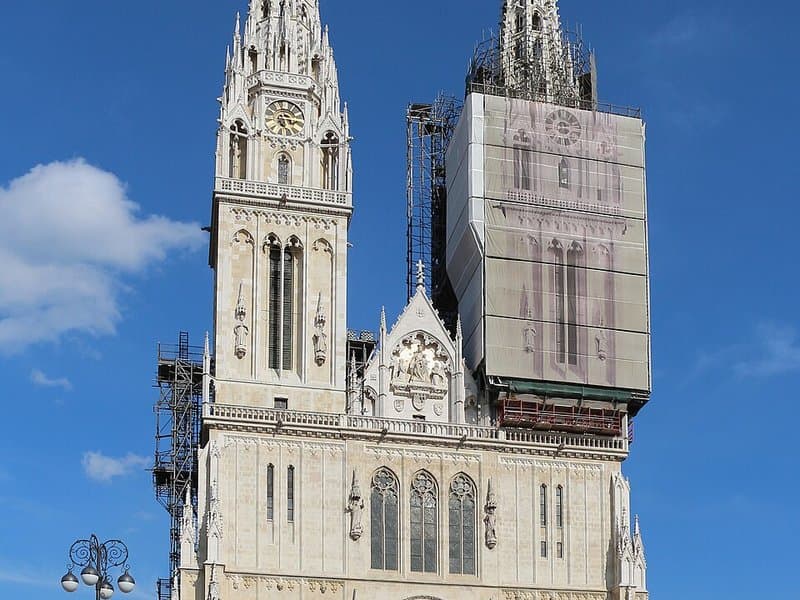
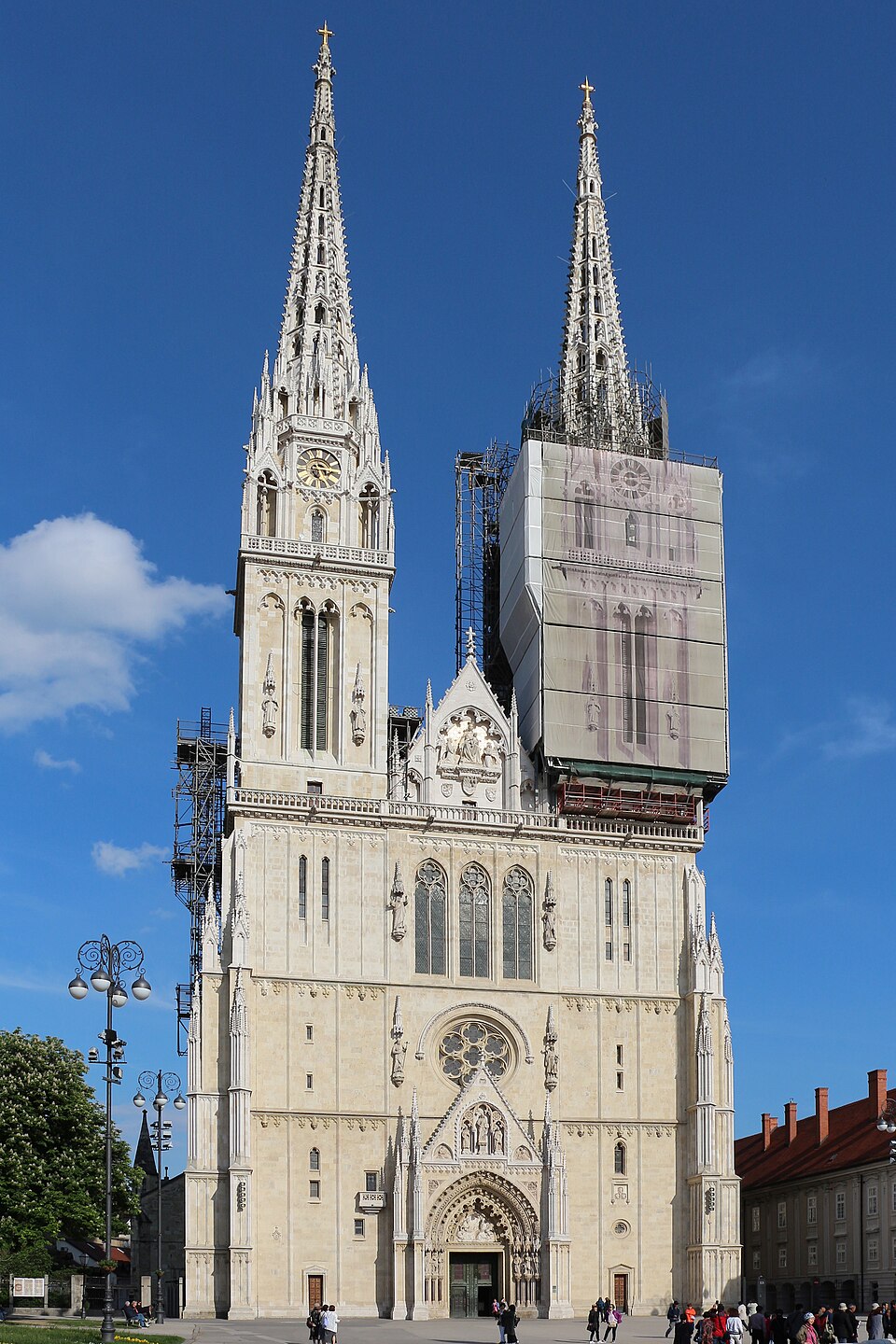
The Cathedral of the Assumption of the Virgin Mary and Saints Stephen and Ladislaus is the tallest building in Croatia, its two neo-Gothic towers over a hundred metres high. It stands on Kaptol, where the bishop sat in the Middle Ages, and inside lies the tomb of Cardinal Alojzije Stepinac. The surrounding walls are sixteenth-century and protected it from the Ottomans.

Tip: The church is free and usually open from morning; it is calmest before ten. The towers have long been closed for repairs, but the best view of the front is from the square before the cathedral.

Admission:
free
Time needed:
30–45 min
Ban Jelačić Square

Ban Jelačić Square

centre

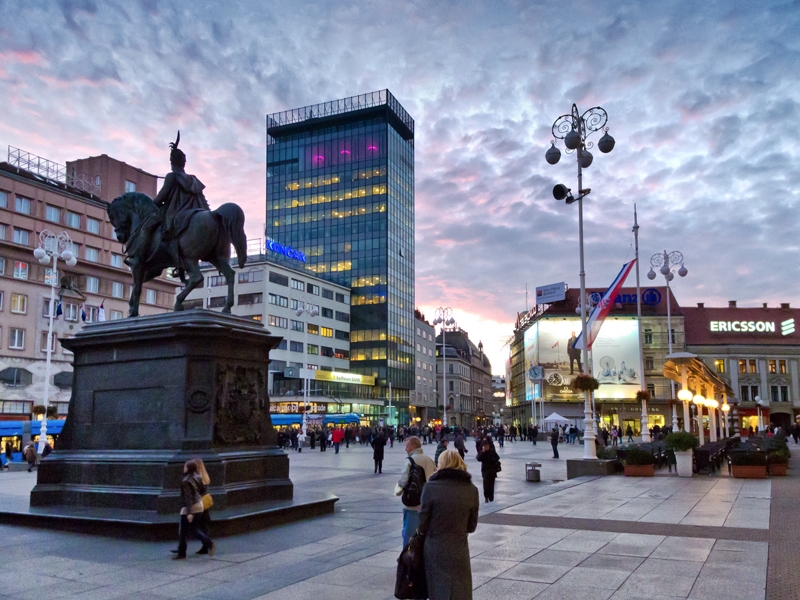
The main square of the city, where the Upper and Lower Towns meet and where the equestrian statue of Ban Josip Jelačić from 1866 stands. Around it are cafés, tram stops and a nineteenth-century palace. From the square it is the shortest way to Dolac market, the cathedral and the pedestrian Ilica.

Tip: Meet 'under the horse's tail' (ispod repa), as every Zagreb local says, meaning by the equestrian statue. Early morning around nine is quietest, and by evening it fills up.

Admission:
free
Time needed:
30 min
Upper Town (Gornji grad)

Upper Town (Gornji grad)

Gornji grad

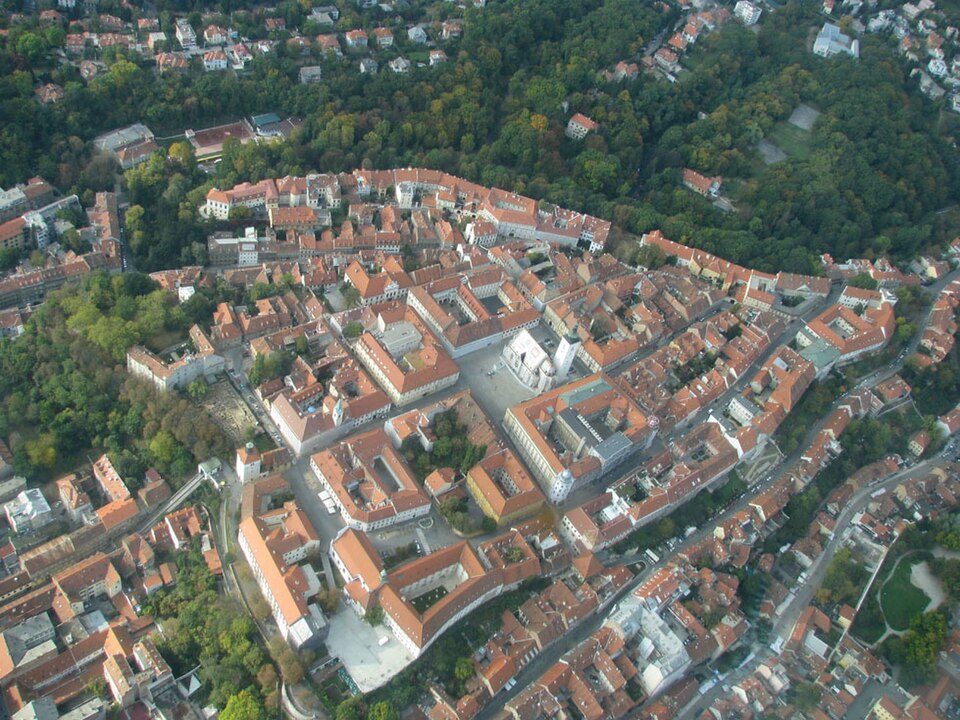
A medieval district on a hill with cobbled lanes, gas lamps and baroque palaces, where the Croatian parliament and government sit. Steps lead up from Tkalčićeva Street and a funicular from the Lower Town. The gas lamps are still lit by hand every evening.

Tip: Go up in the late afternoon, when the sun turns the roofs golden, and come down by the steps of Strossmayer Promenade for a view of the Lower Town. Stop on the way at the Museum of Broken Relationships.

Admission:
free
Time needed:
2 hrs
St. Mark's Church

St. Mark's Church

Gornji grad

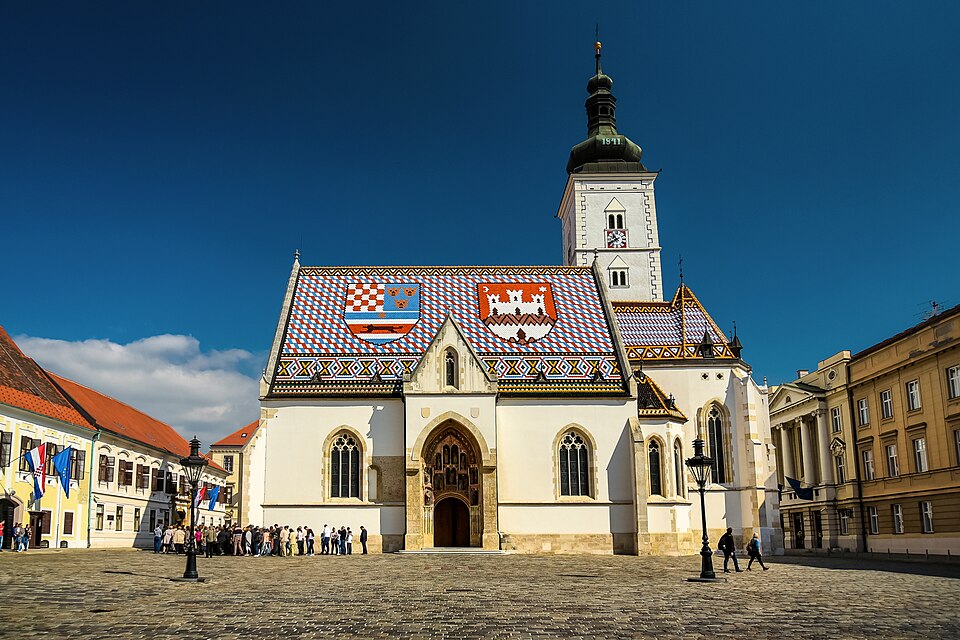
A Gothic church from the late thirteenth century with a colourful tiled roof bearing the coats of arms of Croatia, Dalmatia, Slavonia and the city of Zagreb. It is the most photographed place in Croatia and stands on the square before parliament. Its interior, with frescoes by Jozo Kljaković, is open only occasionally.

Tip: The roof is best photographed from the narrow Ćirilometodska street, about ten steps to the left of the entrance. You can only see the interior during services or on a guided visit, so ask at the tourist information centre.

Admission:
free
Time needed:
20 min
Lotrščak Tower

Lotrščak Tower

Gornji grad

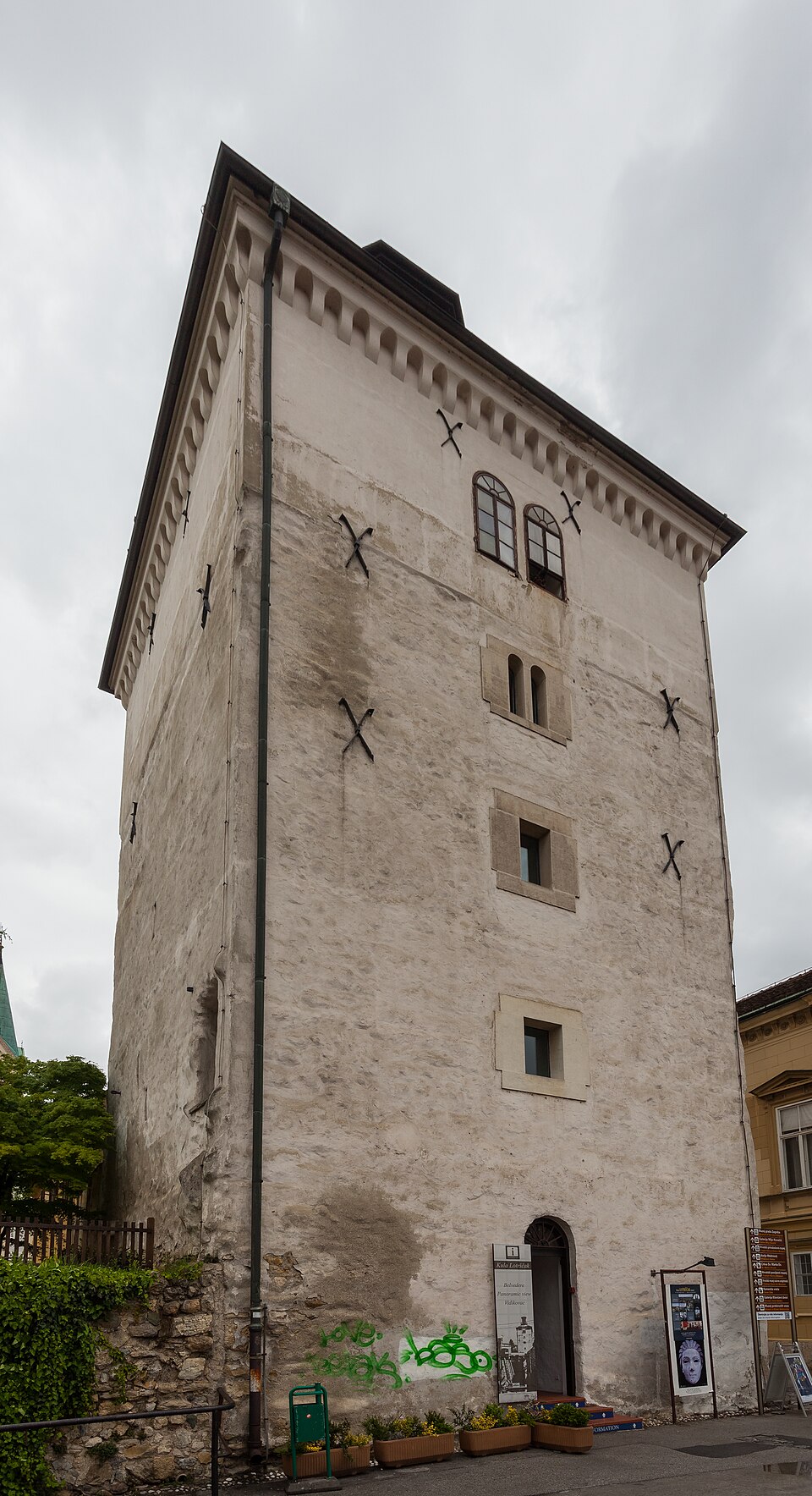
A thirteenth-century fortification tower that once guarded the southern gate of the Upper Town. Every day at noon a cannon is fired from it, a reminder of when clocks were set by the sound. From the lookout at the top you see over the roofs of the Lower Town to Medvednica.

Tip: A ticket costs a few euros; check opening hours on the spot. At noon it is crowded by the cannon, but the shot can be heard from below at the funicular steps.

Admission:
about €5
Time needed:
30 min
Museum of Broken Relationships

Museum of Broken Relationships

Gornji grad

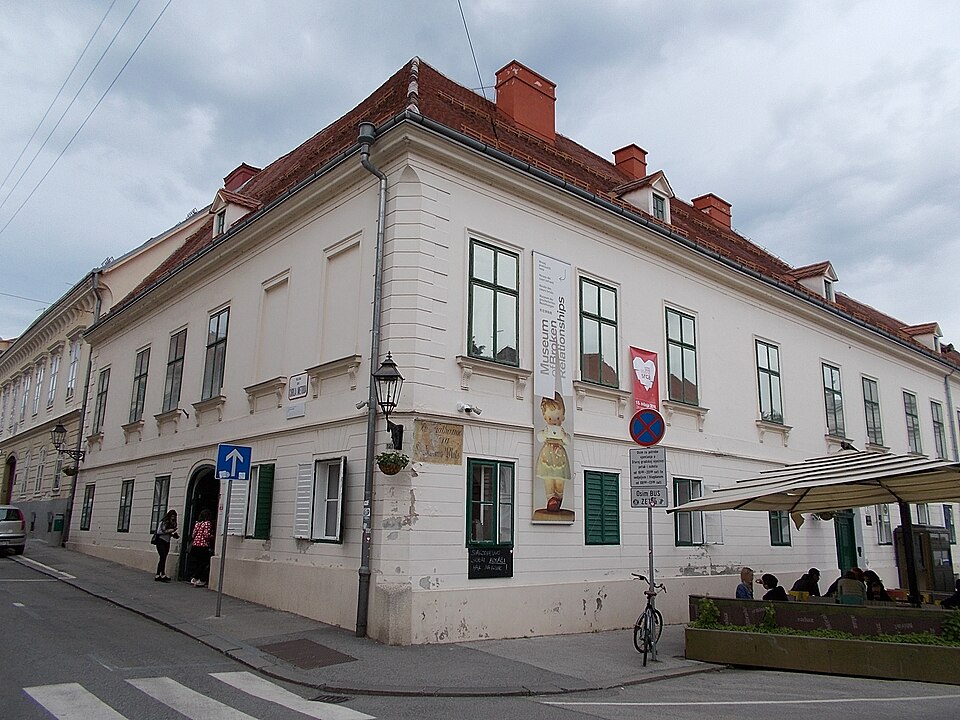
A small private museum that grew out of a travelling exhibition of objects left after break-ups — from cuddly toys to axes. Each exhibit has a short story from an anonymous donor, and many visitors spend twice as long as planned. It is one of the most visited museums in Croatia.

Tip: Come right at opening or after six in the evening, when the groups disappear. The stories are in English and Croatian, so a phone guide is all you need.

Admission:
about €8
Time needed:
1 hr
Mirogoj Cemetery

Mirogoj Cemetery

Gornji Mirogoj

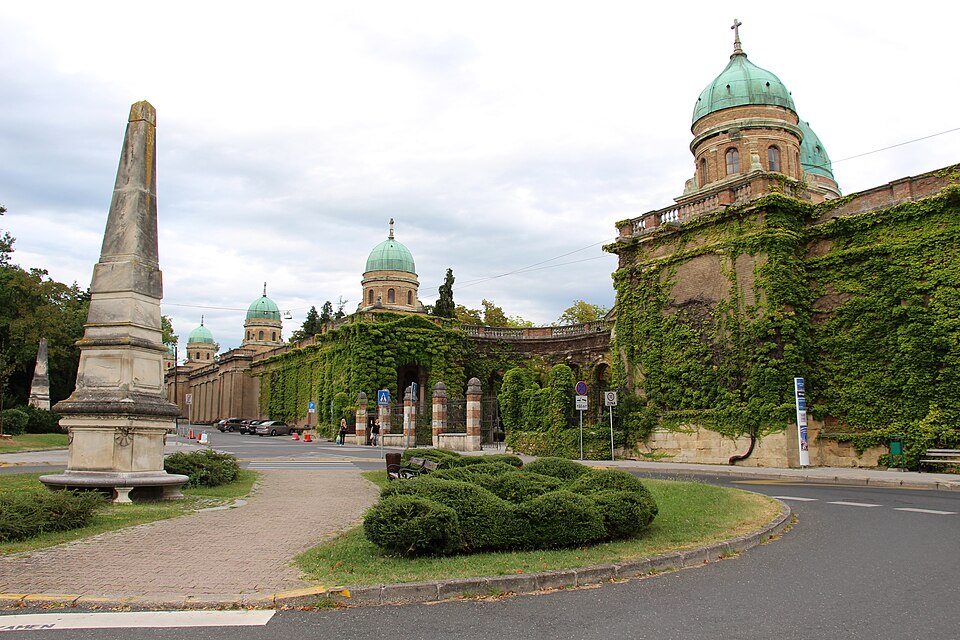
A city cemetery from 1876 with arcades and domes designed by Hermann Bollé, which doubles as an open-air sculpture park. It holds the graves of Croatian politicians and artists and that of the first president, Franjo Tuđman. Entry is free and no one hurries, so the walk is calm and green.

Tip: Take bus 106 from Kaptol or a tram to the Mirogoj stop; it takes a quarter of an hour. The best light on the arcades is in the afternoon, and on All Saints' it is magical with candles in the evening.

Admission:
free
Time needed:
1–1.5 hrs
Dolac Market

Dolac Market

Donji grad

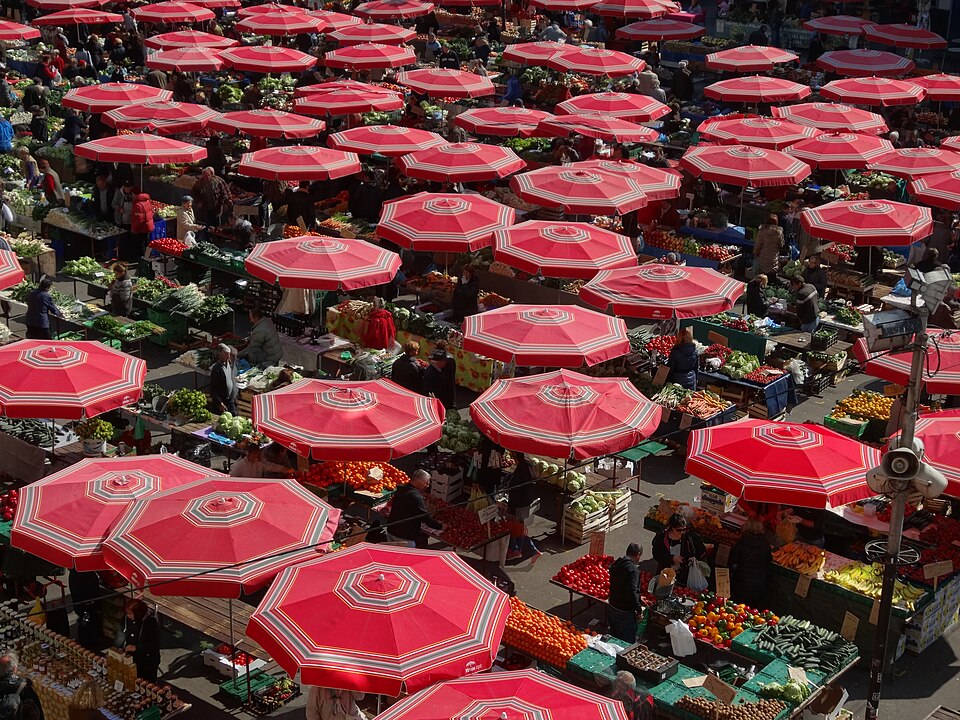
The main city market below Ban Jelačić Square, where locals buy fruit, cheese and flowers under red umbrellas from early morning. Above it is a vegetable level with stalls, and below are covered halls for meat and fish. The market is open daily from morning to about two in the afternoon, to noon on Sundays.

Tip: Cheapest and best around eight in the morning, when the freshest produce goes on sale. Try the cheese with cream, 'sir i vrhnje', and fresh figs from Slavonia.

Admission:
free
Time needed:
45 min
Maksimir Park

Maksimir Park

Maksimir

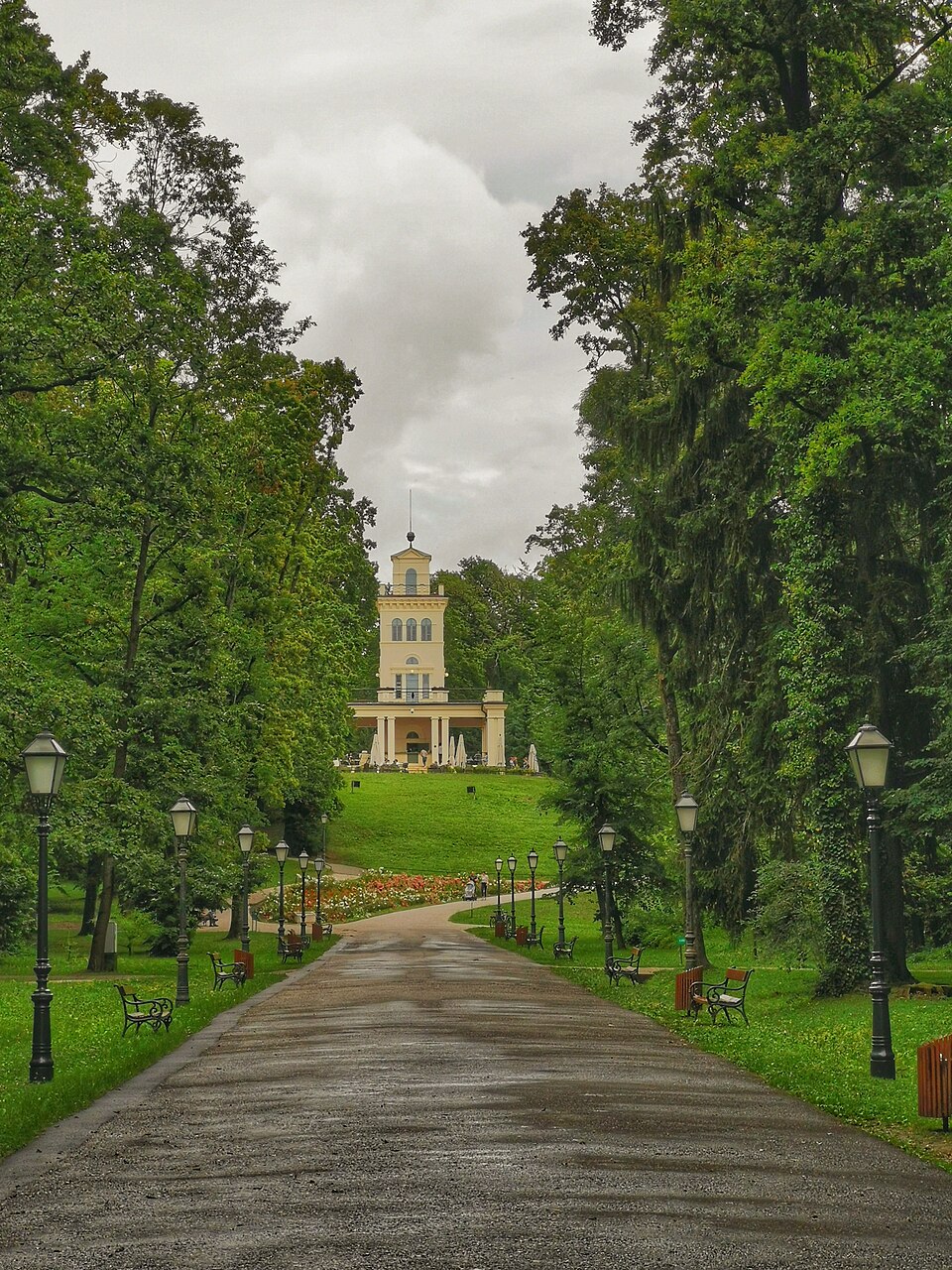
Zagreb's largest park, founded in 1794 as the first public park in southeastern Europe, with five lakes, meadows and the Vidikovac pavilion. Inside is a zoo, and the farther part of the park feels like a forest. Trams 11 and 12 go there, and at weekends people run, cycle and picnic.

Tip: You can easily fill half a day: a morning stroll round the lakes, lunch in the park and the zoo in the afternoon. In winter it is quiet around the lakes with snowy scenery.

Admission:
park free, zoo about €10
Time needed:
2–3 hrs

Photos: Zagreb Cathedral — Bernard Gagnon (CC BY-SA 4.0) · Ban Jelačić Square — Roberta F. (CC BY-SA 3.0) · Upper Town (Gornji grad) — Suradnik13 (CC BY-SA 4.0) · St. Mark's Church — Jorge Franganillo (CC BY 2.0) · Lotrščak Tower — Diego Delso (CC BY-SA 3.0) · Museum of Broken Relationships — Szeder László (CC BY-SA 4.0) · Mirogoj Cemetery — Fred Romero from Paris, France (CC BY 2.0) · Dolac Market — Rilegator (CC BY-SA 4.0) · Maksimir Park — Aldenita (CC BY-SA 4.0)

Where to stay

Areas and districts, matched to the kind of trip you are taking

Gornji grad and Kaptol

Best for: history and evening strolls

Old Zagreb on the hill, where most sights fit into two hours on foot. The hotels are small, rates higher and nights quiet. Good for couples and for those who want to stay in the centre of history but not in noise.

Donji grad

Best for: centre, cafés and transport

The Lower Town around Ban Jelačić Square, the main railway station and the parks of Zrinjevac and Strossmayer. It has the most hotels, restaurants and tram lines. The best choice for a first visit and for trips by train and bus.

Cvjetni trg and Britanski trg

Best for: cafés, bars and markets

The district around Flower Square and Ilica, with the widest choice of bars, cafés and small shops. It is lively in the evening and a ten-minute walk from the main square. Suits younger travellers and food lovers.

Novi Zagreb and Jarun

Best for: cheaper hotels and a lake

The modern district across the Sava river with a convention centre, a water park and Lake Jarun. Hotels are cheaper and parking is easier, with a tram into the centre in twenty minutes. Good if you have a car and for longer stays.

Getting around

From the airport

Franjo Tuđman Airport (ZAG) is about seventeen kilometres southeast of the centre. In season there are direct flights from many European cities and buses and trains also run from neighbouring countries. The Pleso Prijevoz shuttle bus runs to the main bus station in about half an hour, and a taxi or Uber into the centre costs from twenty-five euros. A train from Prague takes more than eight hours.

Zagreb – Franjo Tuđman Airport (ZAG) · 17 km

  • Pleso Prijevoz bus to the main station· 30 min· €8
  • Taxi or Uber to the centre· 25 min· €25
  • Bus or train from Prague· 8–12 hrs· €30

Around town

The centre of Zagreb can be walked, but to other districts you take the blue ZET trams, which run frequently and have a reduced service at night. Tickets are bought from machines or in the ZET app, and a single costs about one euro. The funicular between the Lower and Upper Towns costs about a euro and runs for a few dozen seconds. Bikes can be rented at Nextbike stations.

ZET tramBlue trams to most districts, a ticket is valid for 90 minutes. · €1
Uspinjača funicularBetween Tkalčićeva and the Upper Town, the ride takes half a minute. · €1
On footMost sights fit within two kilometres.
Taxi and UberTo districts without a tram and to the airport. · €5

Useful apps: ZET, Bolt, Uber, Google Maps, Nextbike

When to go

Zagreb has a Central European climate with hot summers and cold winters. In July and August it is around 28°C, in winter around freezing with snow. The best seasons are spring and autumn, when it is pleasant and the parks are colourful. In December the Advent in Zagreb Christmas markets are among the most visited in Europe all winter.

Best time

May to June and September

What to avoid

January and February (frost and short days)

MonthJanFebMarAprMayJunJulAugSepOctNovDec
Day4°7°12°17°22°26°28°28°22°16°9°5°
Night-2°-1°3°7°11°15°17°16°12°8°3°0°
Rainy days98911121199991010

Food & drink

Zagreb's cooking combines Central Europe with the Croatian north: cheese, cured meats, meat, braised vegetables and sweets in the Habsburg manner. The best food is often in small 'gostiona' inns on side streets, where lunches for six to twelve euros include soup and a main course. Wine from Plešivica and Zagorje and craft beers go with it.

What to try

Štrukli

Pastry parcels filled with fresh cheese and cream, boiled or baked. A speciality of Zagorje known across Croatia, found on the menu of almost every place in Zagreb. The baked version is richer.

Zagreb schnitzel

A veal or pork cutlet stuffed with ham and cheese, breaded and fried. Served with chips or potato salad, it is the city's culinary symbol.

Turkey with mlinci

Roast turkey with a thin baked pasta called mlinci, soaked in the gravy. A classic of northern Croatia, eaten by families at weekends.

Sir i vrhnje

Fresh cheese with cream, sold at Dolac market. Light and salty, eaten with bread or spring onion.

Samobor cream cake

Vanilla custard, cream and puff pastry — a dessert from Samobor, now sold in all of Zagreb's pastry shops. The best is the one sold still warm.

Beer and wine from Zagorje

Zagreb is a centre of craft beer and there are many wineries in the surroundings. At gablec (the working lunch) people drink špricer, wine with water.

Kava na špici

A Saturday-morning ritual: coffee at a café by Zrinjevac or on Tkalčićeva, where locals meet and watch passers-by. People sit over a coffee for up to four hours.

What it costs

Espresso in a café

€1.5–2.5

Set lunch in a gostiona

€8–14

Dinner for two in a restaurant

€40–60

A beer in a pub

€3–4

Public transport ticket

€1

Museum of Broken Relationships

€8

3★ hotel (night)

€70–120

Taxi from the airport to the centre

€20–30

Indicative prices that change over time — treat them as a guide, not a price list.

Practical information

SocketsCEuroplug, two round pinsFSchuko
Voltage230V / 50Hz
Tap waterTap water is drinkable — Tap water in Zagreb is excellent and drunk without restriction. Croatia has been in the eurozone since 2023.
TippingTipping is customary: about ten per cent in a restaurant or rounding up. For taxis it is enough to round to the whole euro.
Driving on theright
SafetyZagreb is among the safest capitals in Europe. Watch for pickpockets on trams and in Ban Jelačić Square. The emergency number is 112, ambulance 194.
Opening hoursShops are open from eight to eight, mostly closed on Sundays, except small shops and markets. Museums are often closed on Mondays. Restaurants serve lunch from twelve to three and dinner from six to ten.
Customs & etiquetteCroats are friendly and polite and 'dobar dan' is enough. Nobody rushes at a café. Shorts are not worn in churches and hats are removed.
A few local wordsGood day — Dobar danThank you — HvalaPlease — MolimHow much is it? — Koliko košta?Cheers — ŽivjeliA beer, please — Pivo, molimWhere is the station? — Gdje je kolodvor?

How to plan your days

1 day

A day in Zagreb

  1. 1Morning at Dolac market and Ban Jelačić Square.
  2. 2The cathedral on Kaptol and Tkalčićeva Street.
  3. 3Funicular up, St. Mark's Church and Lotrščak Tower (cannon at noon).
  4. 4Museum of Broken Relationships.
  5. 5Evening stroll through the Upper Town by gas lamps.

2 days

Two days: the city and the cemetery

  1. 1Day one as above.
  2. 2Day two morning at Mirogoj and a walk through Maksimir Park.
  3. 3Afternoon coffee at Zrinjevac and shopping on Ilica.
  4. 4Evening at a gostiona with štrukli.

3 days

Three days: Zagreb with Plitvice

  1. 1Day one as above.
  2. 2Day two Mirogoj and Maksimir.
  3. 3Day three a trip to Plitvice (two hours by bus) and a return in the evening.
  4. 4Alternatively, instead of Plitvice, Samobor with a visit to a pastry shop.

Day trips

Samobor

25 km · 45 min by bus

A small town with Art Nouveau houses, a stream and the Stari grad fortress. It is the home of the Samobor cream cake. Buses run from Zagreb every half hour.

Varaždin

80 km · 1 hr 20 min by bus

A baroque town with a fortress, cemetery and castle. The former capital of Croatia is reached by train and bus in under two hours and suits a half-day trip.

Plitvice Lakes

130 km · 2 hrs by bus

A national park of sixteen lakes linked by waterfalls, a UNESCO site. Buses run from the main station several times a day, and in season tickets must be booked in advance at np-plitvicka-jezera.hr.

Frequently asked questions

Is Zagreb good for a weekend?+

Yes, the centre is small and you can see most sights on foot in two days. A weekend suits December especially, for the Christmas markets, or spring for the calm parks and cafés. Book accommodation ahead, as it fills up in season.

How do I get from the airport to the centre?+

The Pleso Prijevoz bus goes to the main bus station in about half an hour and costs around eight euros. A taxi or Uber costs from twenty-five euros and takes the same time. Buses run every half hour from morning to evening.

When is the best time to visit?+

The best months are May to June and September, when it is pleasant and not crowded. December is lovely for the Advent markets, but it is freezing. In summer it is hot at around 28°C, but hotels are cheaper than on the coast.

Where should I stay in Zagreb?+

For a first visit the best choice is the Lower Town around the main square, where transport and restaurants are close. The Upper Town is quieter and pricier. Novi Zagreb is cheaper and suits those with a car.

How do I get around the city?+

The centre can be walked. To farther parts the blue ZET trams run with a ticket of about one euro. For the airport or evenings, a taxi and Uber are useful.

What can I visit from Zagreb in a day?+

Plitvice Lakes are two and a half hours away, Samobor three quarters of an hour and Varaždin a little longer. A trip to Medvednica takes half a day. Book Plitvice ahead, as the number of tickets is limited in season.

Is Zagreb expensive?+

It is cheaper than the coast and than most European capitals. A set lunch in a gostiona costs eight to fourteen euros, a beer three to four euros and a 3★ hotel seventy to a hundred and twenty euros a night. Lunches and markets are the cheapest.

Do you pay in euros in Zagreb?+

Yes, Croatia adopted the euro in January 2023 and it is used everywhere. Cards are accepted in most shops and restaurants, and cash is handy for markets and small purchases. ATMs are on every corner in the centre.

Visa Requirements

Check the latest visa requirements for entering this country. Some nationalities may need to apply for a visa or e-visa before travel.

Check visa requirements

Language

Croatian

Currency

EUR

Timezone

Europe/Zagreb

Dial Code

+385

Population

3.9M

Area

56,594 km²

Voltage

230V / 50Hz

Driving Side

Right

Top Hotels in Zagreb

Live prices from 500+ properties

Loading hotels...

Planning a trip to Zagreb?

Compare hundreds of hotels, find the best price, and book with free cancellation on TravelManiac.