Hotels in Pula

A Roman arena by the sea, wild capes and the gateway to Istria

Pula

LanguageCroatian
CurrencyEUR
TimezoneEurope/Zagreb
Temperature8-28 °C
Dial Code+385
Population3.9M
Area56,594 km²
SocketsType C / Type F
Tap waterDrinkable

Discover Pula

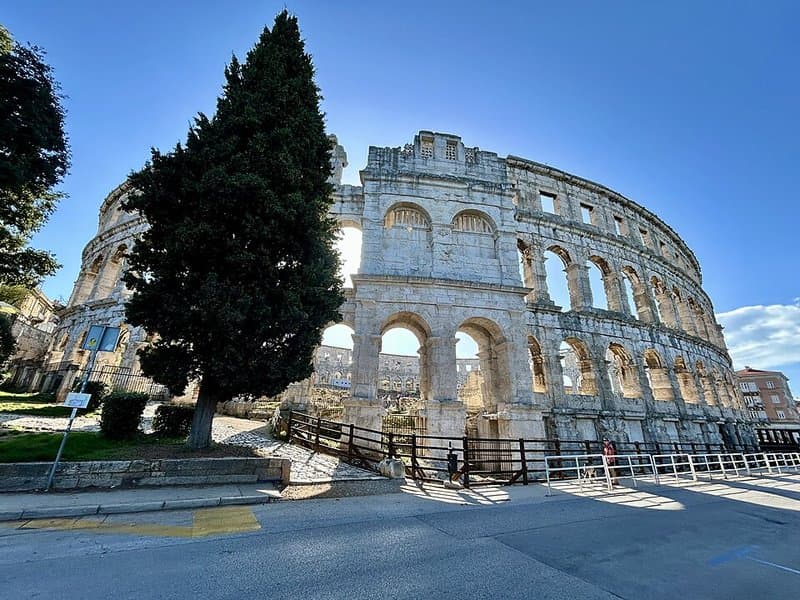
Pula is the largest city of Istria, at the very south of the peninsula, and its symbol, the first-century Roman arena, is one of the six largest surviving amphitheatres in the world. Around it are crowded Roman gates, the Temple of Augustus, Austrian forts and a harbour where ships are still built. South of the city lies the Premantura peninsula with the Kamenjak nature park, rocky beaches and clear sea, and nearby are the Brijuni islands, once the summer residence of Yugoslavia's head of state. Pula is a good base for exploring Istria: Rovinj is forty kilometres away, and Motovun and Grožnjan an hour's drive. From the Czech Republic it is some nine hundred kilometres by car through Austria and Slovenia, one long day, and in season there are direct flights too. The beaches are mostly rocky and concrete, so many choose the resorts near Pula, such as Verudela and Stoja. In summer there are festivals and concerts in the arena; out of season the city is calm, cheap and pleasant for walking.

What to see

The places worth your time in Pula, and what to expect at each

The Pula Arena

The Pula Arena

centre

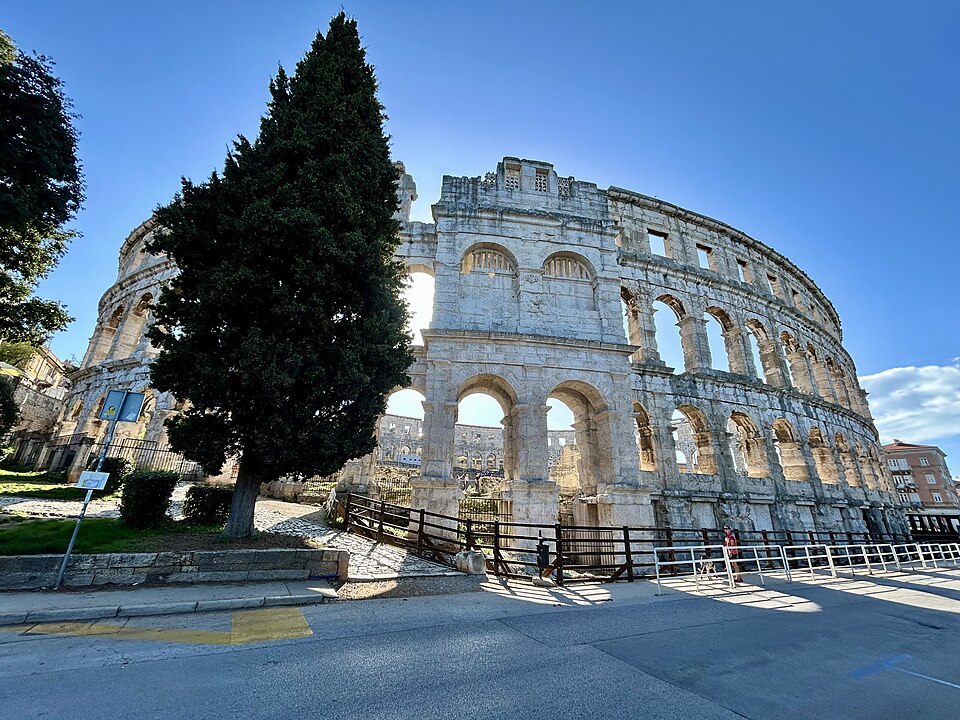
A Roman amphitheatre from the first century AD for twenty-three thousand spectators, one of the best-preserved Roman buildings in the world. The whole outer wall survives, with three storeys of arches, and beneath it run underground passages that now serve as a museum of oil and wine. In summer concerts and a film festival are held in the arena.

Tip: Come right at opening or after six in the evening, when it is pleasant in the arena and crowds thin out. Entry costs around ten euros in season, the underground is included and on a summer evening it is cooler inside than out.

Admission:
about €10
Time needed:
1–1.5 hrs
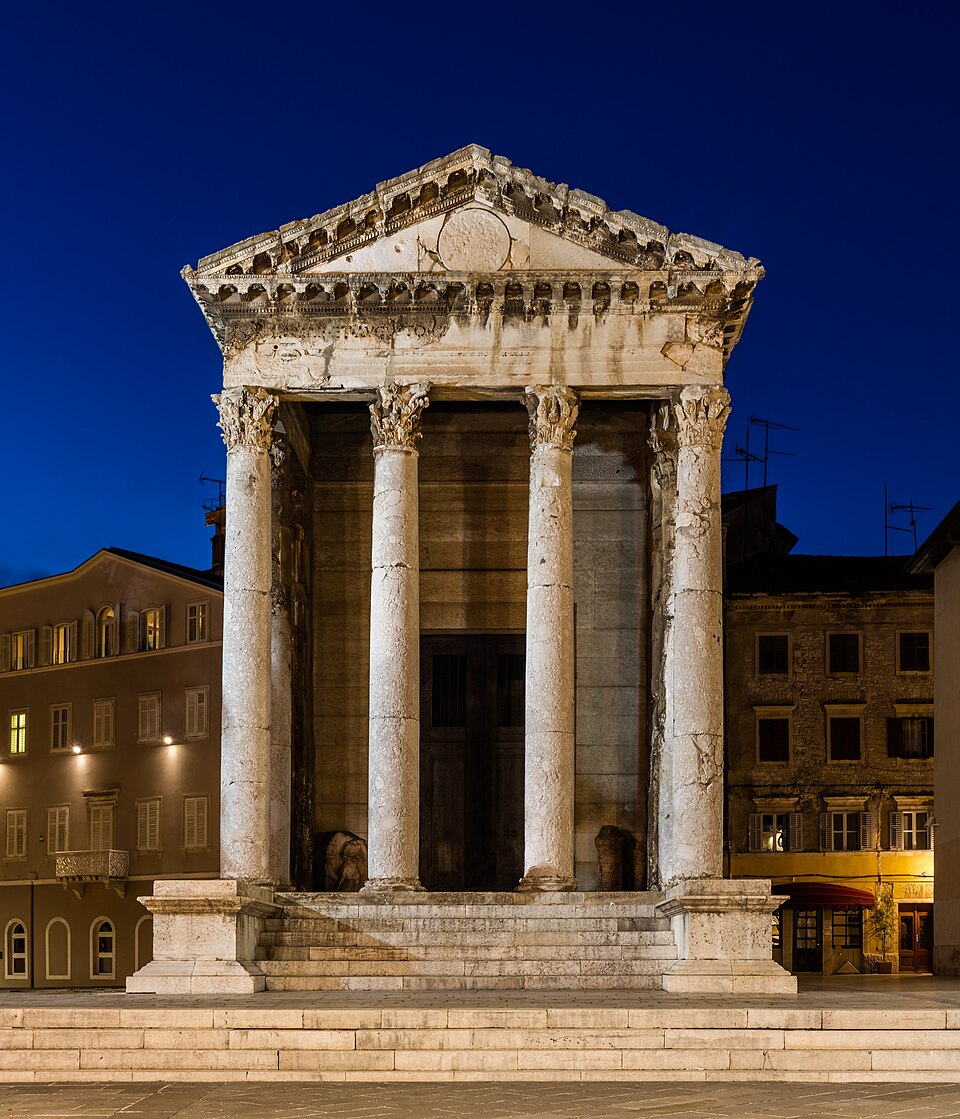
Temple of Augustus and the Forum

Temple of Augustus and the Forum

centre

A small Roman temple from the time of Emperor Augustus, standing on the main square, Forum, on the site of the Roman forum. It is the only surviving building of its kind in Croatia, with round columns and a triangular pediment. Inside is a small display of ancient statues and inscriptions.

Tip: Call in after the arena, ten minutes' walk away. Entry is low and the square around is good for coffee; in the evening the temple is lit.

Admission:
about €3
Time needed:
30 min
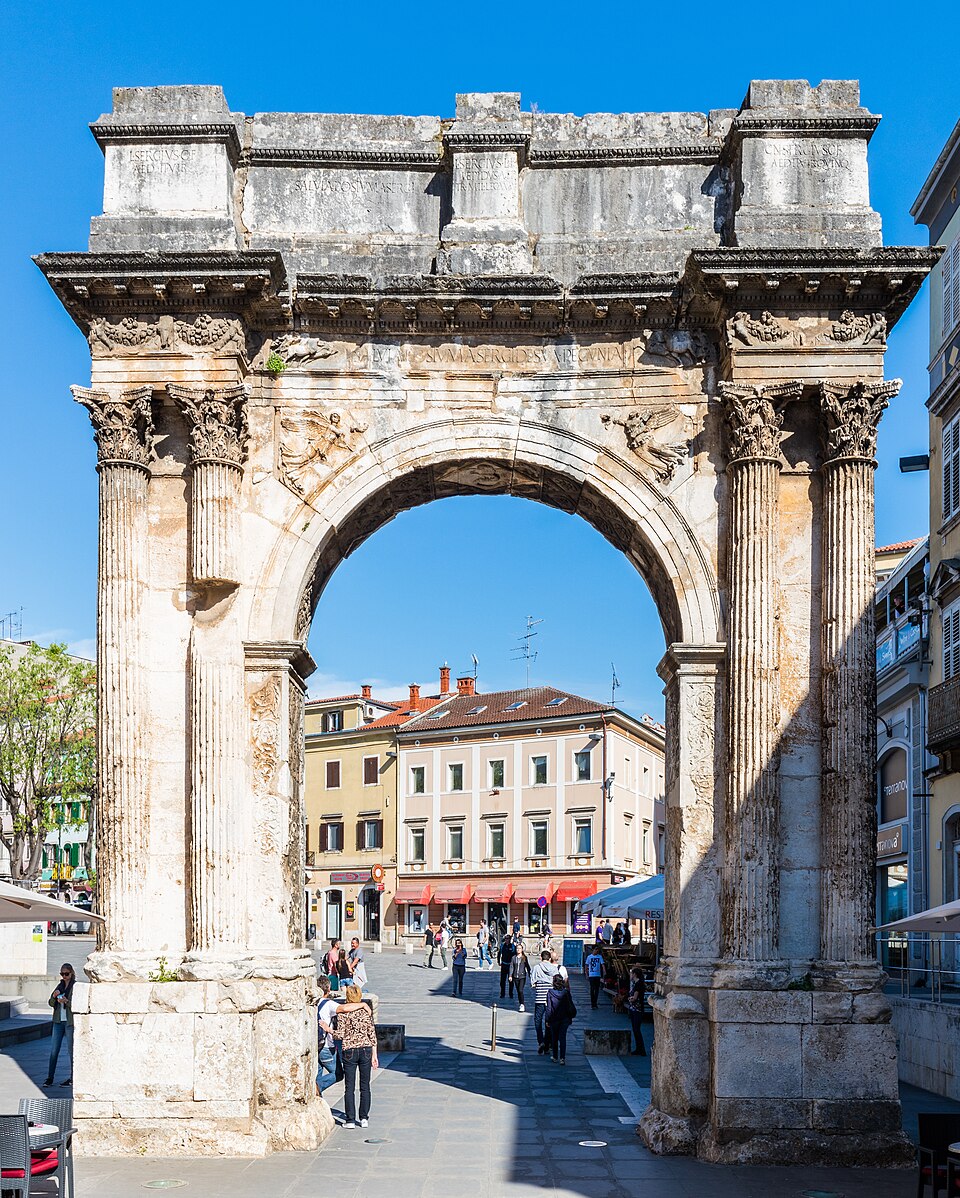
The Arch of the Sergii

The Arch of the Sergii

centre

A triumphal arch from the first century BC built by the Sergii family in memory of its members. It stands by a former city gate that the Romans called the Golden Gate. It is decorated with reliefs and inscriptions and stands at the start of the pedestrian Sergijevaca street.

Tip: The arch is viewed from outside and entry is free. The best photo is from the narrow Sergijevaca street, where the old paving survives.

Admission:
free
Time needed:
15 min
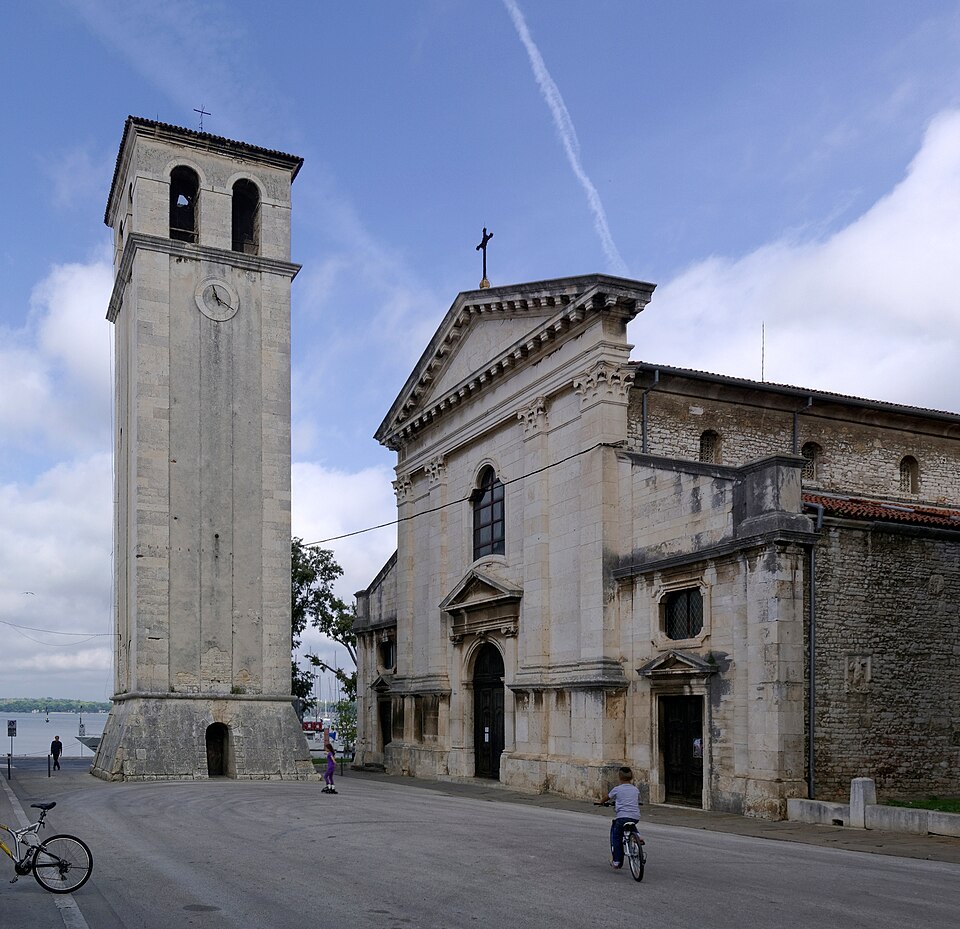
The Cathedral of the Assumption

The Cathedral of the Assumption

Kaptol

A cathedral from the fifth century with several rebuildings, mixing Roman foundations, medieval columns and a Baroque facade. Beside it stands a seventeenth-century bell tower built from the stones of the arena. Inside are mosaics and an altar from Istria.

Tip: Entry is free and it is usually open in the morning and after lunch. You can climb the bell tower for a few euros, and the view over the harbour is the reward.

Admission:
free
Time needed:
30 min
Brijuni National Park

Brijuni National Park

near Fažana

An archipelago of fourteen islands off Fažana, which in Yugoslav times was the summer residence of President Tito. Today it is a national park with a safari park, dinosaur footprints and a museum. On the main island Veli Brijun you ride an electric train.

Tip: Boats run from Fažana every hour; book half a day or a full day in advance. The price includes entry and the boat. Bring a bicycle, the best way to see the island.

Admission:
from €35
Time needed:
half a day
Kamenjak

Kamenjak

Premantura

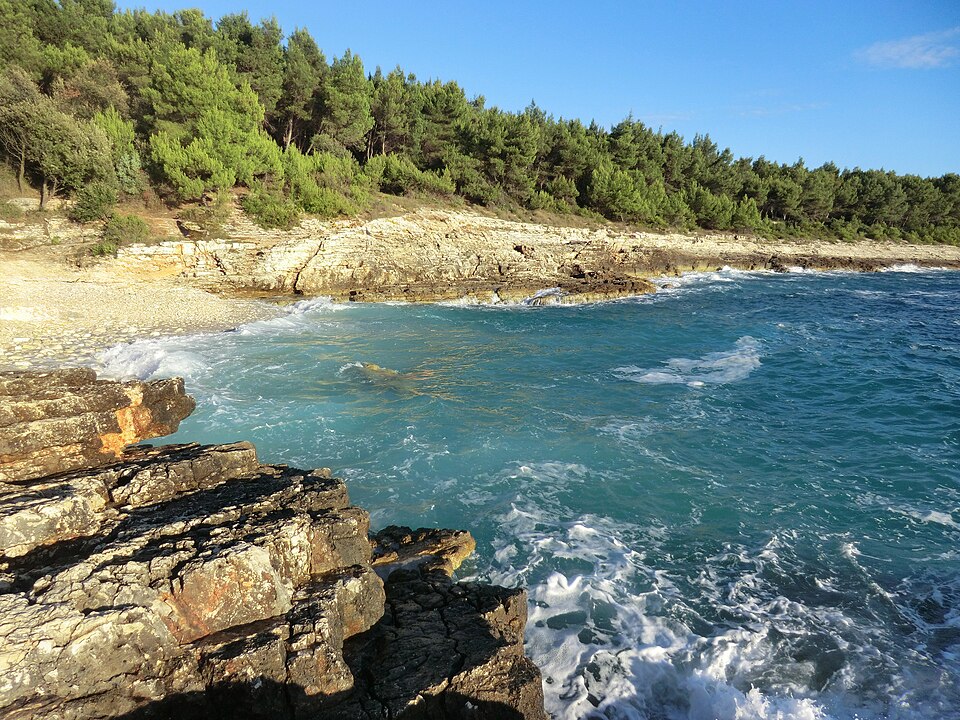
A nature park at the southern tip of Istria with rocky coves, wild beaches and paths along the sea. The water is crystal clear and the bays are good for snorkelling. At Safari beach and Pesna cove you can eat at snack bars under the pines.

Tip: The park is paid per car, around ten euros in season. Arrive before ten, before the beaches fill; bring water shoes, as the rocks are sharp.

Admission:
about €10 per car
Time needed:
half a day
The Austrian Tunnels of Zerostrasse

The Austrian Tunnels of Zerostrasse

centre

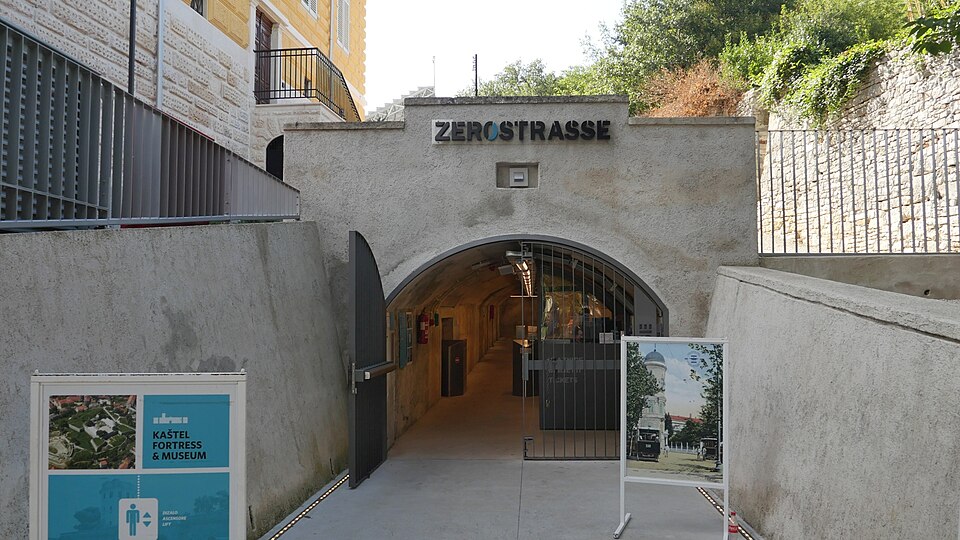
A network of underground tunnels from the First World War beneath the city that served as air-raid shelters. Today they hold exhibitions and concerts and the passages can be visited with a guide. It is a good plan for a hot day, as it is cool inside.

Tip: Bring a jacket, as the tunnel is around fifteen degrees. Tours run at fixed times; check them at the information centre.

Admission:
about €5
Time needed:
1 hr
Pula Aquarium

Pula Aquarium

Verudela

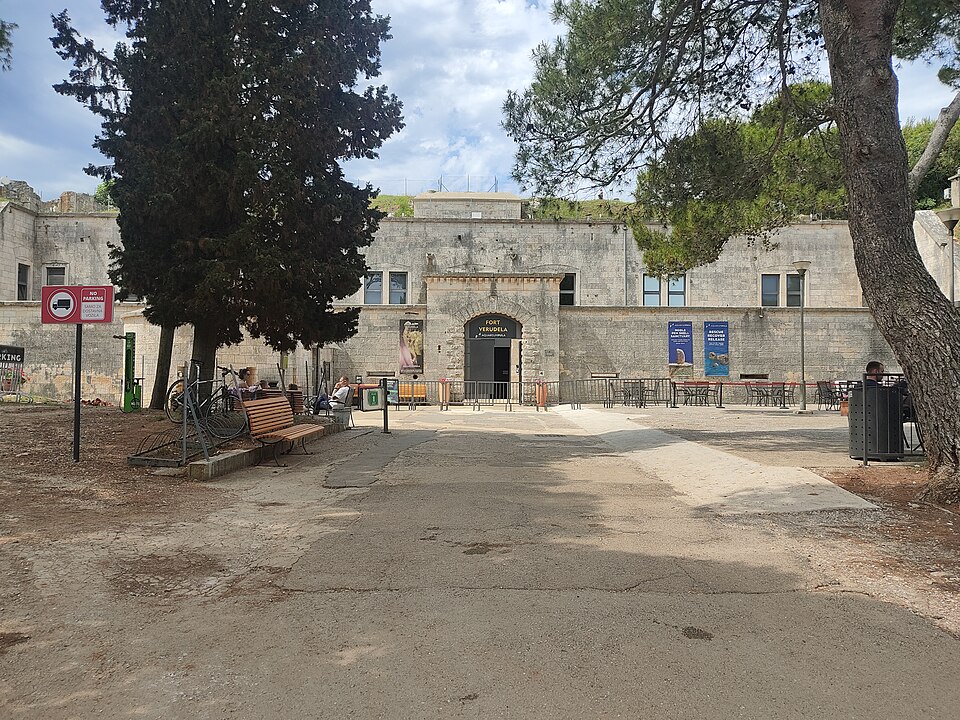
An aquarium in the Austrian Verudela fort with more than two hundred species of fish and marine animals from the Adriatic and the tropics. It is a pleasant programme for families in rain or midday heat. The fort of 1886 is interesting in itself.

Tip: For children the morning is best, when fish are fed. Tickets are often cheaper online and there is parking by the fort.

Admission:
about €12
Time needed:
1–2 hrs
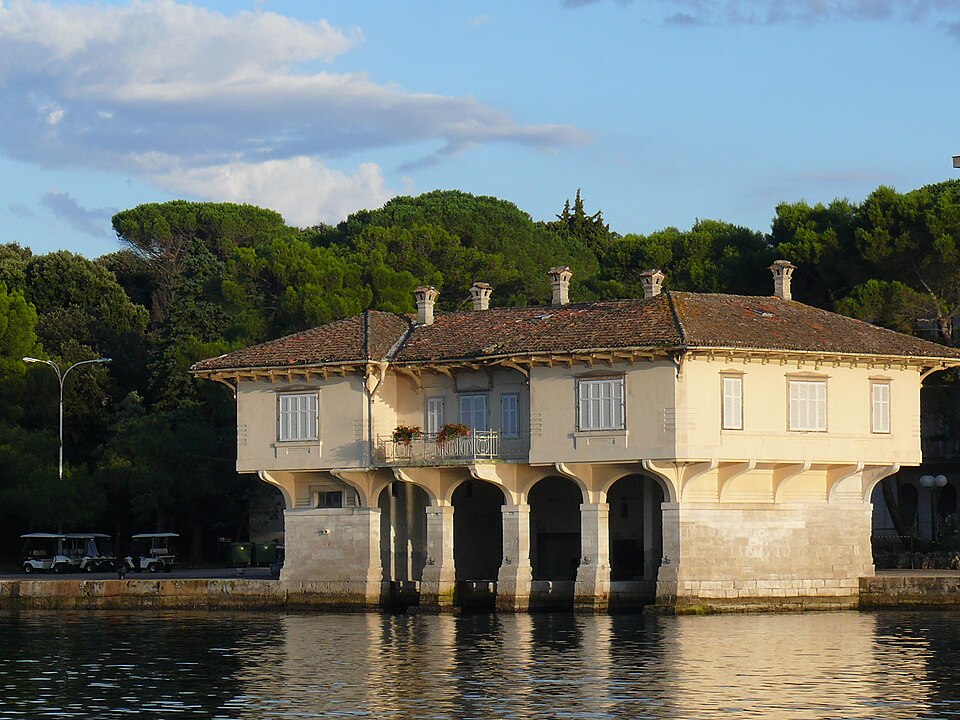
Stoja and Verudela Beaches

Stoja and Verudela Beaches

south of Pula

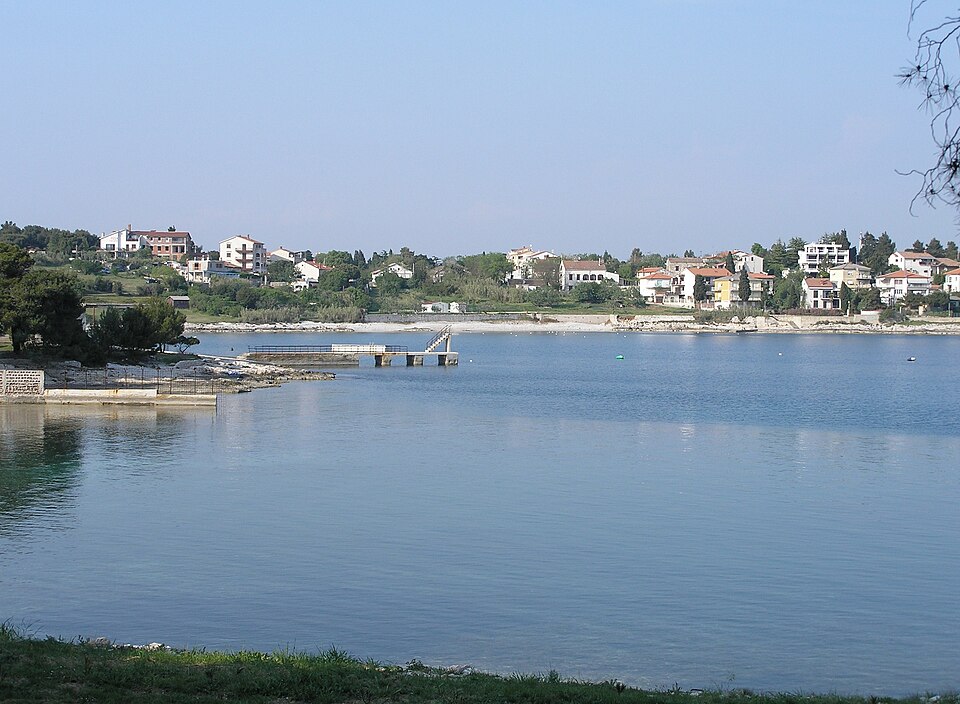
Two resorts by Pula with rocky and concrete beaches, pine forest and hotel complexes. Stoja is a peninsula with a park and quiet coves, Verudela has hotels and beaches with loungers. The water is clean and deep right from the shore.

Tip: For swimming the morning hours are better. Rocky beaches call for water shoes; at Stoja there is shade under the pines.

Admission:
free
Time needed:
half a day

Photos: The Pula Arena — Olgierd Rudak (CC BY-SA 4.0) · Temple of Augustus and the Forum — Diego Delso (CC BY-SA 4.0) · The Arch of the Sergii — Diego Delso (CC BY-SA 4.0) · The Cathedral of the Assumption — Berthold Werner (CC BY-SA 3.0) · Brijuni National Park — Johann SUHM (CC BY-SA 3.0) · Kamenjak — Einaz80 (CC BY-SA 4.0) · The Austrian Tunnels of Zerostrasse — Reinhard Kraasch (CC BY-SA 4.0) · Pula Aquarium — Viktar Palstsiuk (CC BY-SA 4.0) · Stoja and Verudela Beaches — Orlovic (CC BY-SA 3.0)

Where to stay

Areas and districts, matched to the kind of trip you are taking

Centre and harbour

Best for: sights and transport

The area around the arena and forum, with the widest choice of restaurants and apartments. Everything is walkable and buses run to the beaches. Noisy in the evening in season.

Verudela

Best for: hotels and calm by the sea

A peninsula about three kilometres south of the centre with hotel complexes, pine forest and rocky beaches. It is calm and good for children, but far from evening life.

Stoja and Valkane

Best for: nature and quiet coves

The southwest peninsula with a park, campsites and rocky beaches. It is calmer and cheaper, but you go to the centre by car or bus.

Premantura and Medulin

Best for: beaches and Kamenjak

Resorts southeast of Pula with the best beaches on the coast. Suit families and those who want to reach Kamenjak nature park.

Getting around

From the airport

Pula Airport (PUY) is six kilometres from the centre and in season has direct flights from Prague and other European cities. From the Czech Republic it is about nine hundred kilometres by car through Austria and Slovenia, one long day. You need a Slovenian motorway vignette and pay Croatian tolls. Overnight coaches run from Prague and Brno to Pula.

Pula Airport (PUY) · 6 km

  • Taxi to the centre· 15 min· €25
  • Bus to the centre· 20 min· €3
  • Car rental· at the airport· €40

Around town

The centre of Pula can be walked, but the beaches and Premantura are far. Buses run to Verudela, Stoja and Medulin and cost two to three euros. Taxis work with the Bolt app. For Kamenjak and trips inland a car is best.

On footThe centre, arena and harbour are walkable.
BusTo beaches and resorts nearby. · €3
Taxi and BoltAround town and to the airport. · €10
Car rentalFor Kamenjak and Istria. · €40

Useful apps: Google Maps, Bolt, Uber, Maps.me

When to go

Pula has a Mediterranean climate with warm summers and mild winters. In July and August it is around twenty-nine degrees and the sea twenty-five. The best months are June and September, when it is pleasant and less crowded. Winter is mild but rainy.

Best time

June and September

What to avoid

November to February (rain, closed businesses)

MonthJanFebMarAprMayJunJulAugSepOctNovDec
Day9°10°13°17°22°26°29°29°24°19°14°10°
Night2°2°5°8°12°16°19°19°15°11°7°3°
Rainy days8789996689109
Sea10°10°11°14°18°22°25°25°23°19°15°12°

Food & drink

Istrian cooking blends Italian, Slovenian and Croatian influences: mushrooms and truffles, olive oil, fuži pasta and fresh fish. Lunch in a konoba costs fifteen to twenty-five euros and Teran and Malvazija wine go with every meal.

What to try

Fuži with truffles

Hand-made pasta shaped like a rolled noodle, served with truffle sauce or with duck. Truffles are gathered in the forests around Motovun.

Istrian prosciutto

Dry-cured pork ham, sliced thin and served with olives and cheese. The best is homemade from village konobas.

Black risotto

Rice with cuttlefish and its ink, black and intense. A typical dish of the coast.

Grilled fish

Fresh Adriatic fish, grilled with olive oil and garlic and served with chard and potatoes. The price is by weight.

Brudet

A fish stew of several kinds of fish in tomato sauce, cooked slowly. Served with polenta.

Malvazija and Teran wine

Malvazija white is an Istrian speciality, Teran red is sharp and robust. Both are drunk from small wineries.

Fritule

Small fried doughnuts with raisins, dusted with sugar. A dessert sold at every festival.

What it costs

Espresso

€1.5–2

Lunch in a konoba

€15–25

Fuži with truffles

€15–25

A beer

€3–4

Pula Arena

€10

Brijuni

from €35

3★ apartment (night)

€70–140

Bus

€3

Indicative prices that change over time — treat them as a guide, not a price list.

Practical information

SocketsCEuroplug, two round pinsFSchuko
Voltage230V / 50Hz
Tap waterTap water is drinkable — Tap water in Croatia is excellent and drunk without restriction. Croatia has been in the eurozone since 2023.
TippingTipping is customary, ten per cent in a restaurant or rounding up. For taxi drivers rounding up is enough.
Driving on theright
SafetyPula is safe. In the sea watch for sea urchins on rocky beaches and for strong sun. The emergency number is 112, ambulance 194.
Opening hoursShops are open from eight to eight, mostly closed on Sunday. Restaurants serve lunch from noon and dinner from six. The arena is open daily in season.
Customs & etiquetteCroats are friendly and 'dobar dan' is enough. On beaches do not sunbathe topless except in designated areas. Do not enter a church in swimwear.
A few local wordsGood day — Dobar danThank you — HvalaPlease — MolimHow much is it? — Koliko košta?Cheers — ŽivjeliThe bill, please — Račun, molimWhere is the toilet? — Gdje je WC?

How to plan your days

1 day

A day in Pula

  1. 1Morning the arena and the underground.
  2. 2Temple of Augustus and the Arch of the Sergii.
  3. 3Lunch in a konoba with fuži.
  4. 4Afternoon the beach at Stoja.
  5. 5Evening a stroll along the harbour.

2 days

Two days: Pula and Kamenjak

  1. 1Day one as above.
  2. 2Day two morning Kamenjak and swimming in the coves.
  3. 3Afternoon Pula Aquarium.
  4. 4Evening a concert in the arena (in season).

3 days

Three days: Pula and Brijuni

  1. 1Days one and two as above.
  2. 2Day three a boat trip to Brijuni.
  3. 3Afternoon cycling round the island.
  4. 4Evening return and dinner.

Frequently asked questions

Is Pula suitable for families?+

Yes, the rocky beaches are clean and nearby are a water park, an aquarium and theme parks. For the youngest, sandy coves near Premantura are better. Most hotels have pools and kids' clubs.

How do I get to Pula from the Czech Republic?+

By car it is about nine hundred kilometres through Austria and Slovenia, nine to ten hours. You need a Slovenian vignette and pay Croatian tolls. In season coaches and flights run from Prague.

When is the best time to visit?+

June and September, when it is warm, the sea good and there are no crowds. July and August are full and pricey. Winter is calm but rainy.

Is the beach in Pula sandy?+

Mostly not: beaches are rocky or concrete, so bring water shoes. Sandy stretches are found near Premantura and in Medulin. The water is always clean.

Is Brijuni worth it?+

Yes, it is a pleasant half day of nature, history and cycling round the island. The price includes the boat and entry. In season book in advance.

What should I buy as a souvenir?+

Truffle products, olive oil, Malvazija and Teran wine and prosciutto. Cheapest at markets and from small producers. Ask about the origin.

Do you pay in euros in Pula?+

Yes, Croatia adopted the euro in January 2023. Cards are accepted nearly everywhere, and cash is useful at markets and village konobas.

Is it better to stay in Pula or nearby?+

Pula offers monuments and evening life, the surroundings (Verudela, Medulin) beaches and calm. For families the resorts by the sea are better, for culture the centre. Buses run between them.

Visa Requirements

Check the latest visa requirements for entering this country. Some nationalities may need to apply for a visa or e-visa before travel.

Check visa requirements

Language

Croatian

Currency

EUR

Timezone

Europe/Zagreb

Dial Code

+385

Population

3.9M

Area

56,594 km²

Voltage

230V / 50Hz

Driving Side

Right

Top Hotels in Pula

Live prices from 500+ properties

Loading hotels...

Planning a trip to Pula?

Compare hundreds of hotels, find the best price, and book with free cancellation on TravelManiac.