Alaska's gateway city, where moose walk the streets
Anchorage
LanguageEnglish
CurrencyUSD
TimezoneGMT-9
Temperature5-30 °C
Dial Code+1
Population335M
Area9,833,520 km²
SocketsType A / Type B
Tap waterDrinkable
Discover Anchorage
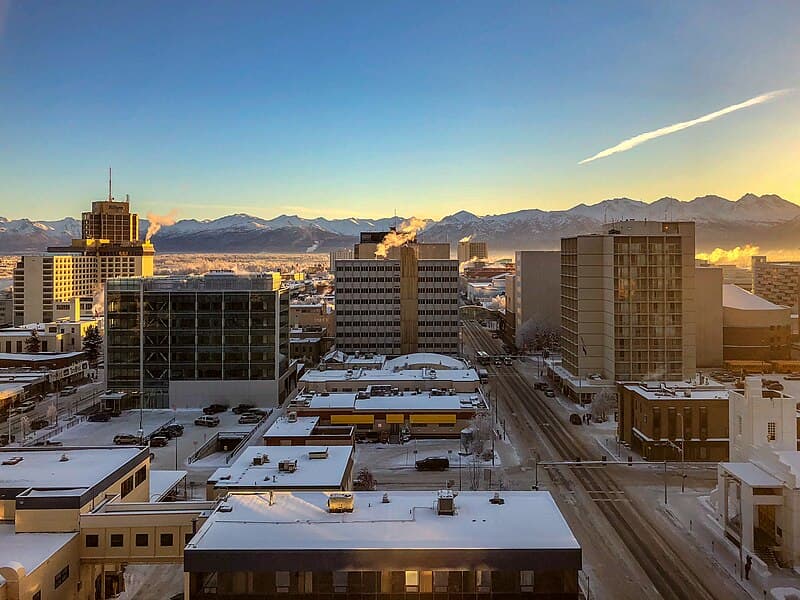
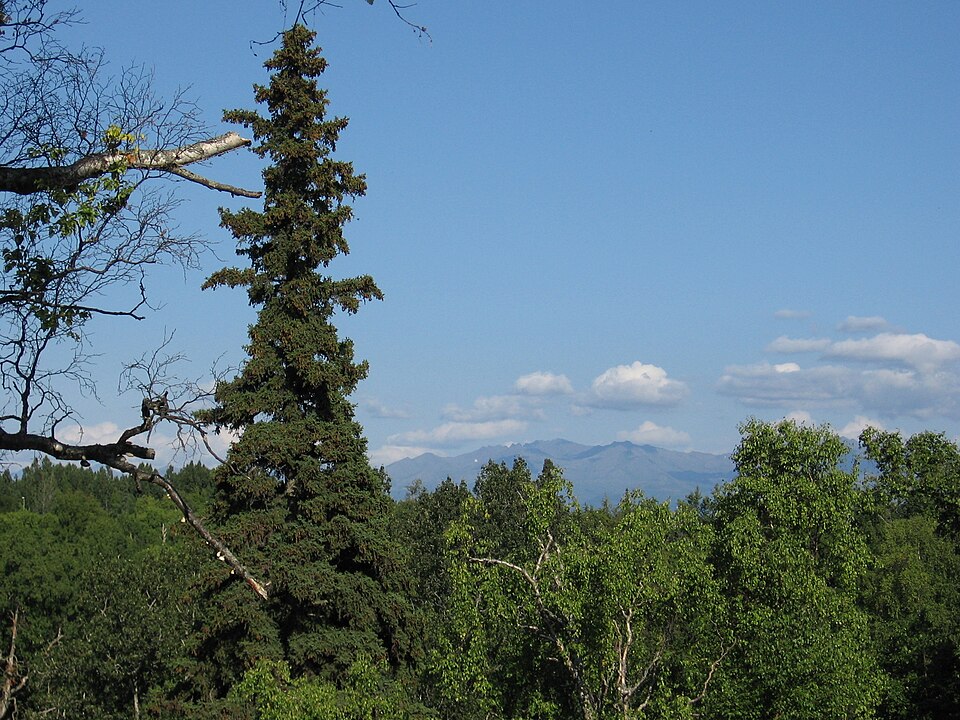
Anchorage is Alaska's largest city and the starting point for almost every trip around the state. Half the state's population lives here, yet wilderness begins right past the last houses: the Chugach Mountains rise nearby, with peaks over 2,000 m, while Cook Inlet lies on the other side, with one of the largest tidal ranges in the world. Around 1,000 moose live within the city, wandering through gardens and parks, and bears roam the surrounding area. The city itself was only founded in 1914 as a railway construction camp, and in 1964 it was devastated by the strongest earthquake in North American history, so it has no historic centre — its charm lies in what surrounds it. Alaska's best museum, a centre for Alaska Native culture and a coastal trail all sit right in the city, and glaciers, whales and Kenai Fjords National Park are all a day trip away. In summer the sun barely sets; in winter the days are short, but the northern lights dance overhead.
What to see
The places worth your time in Anchorage, and what to expect at each
Anchorage Museum
Downtown
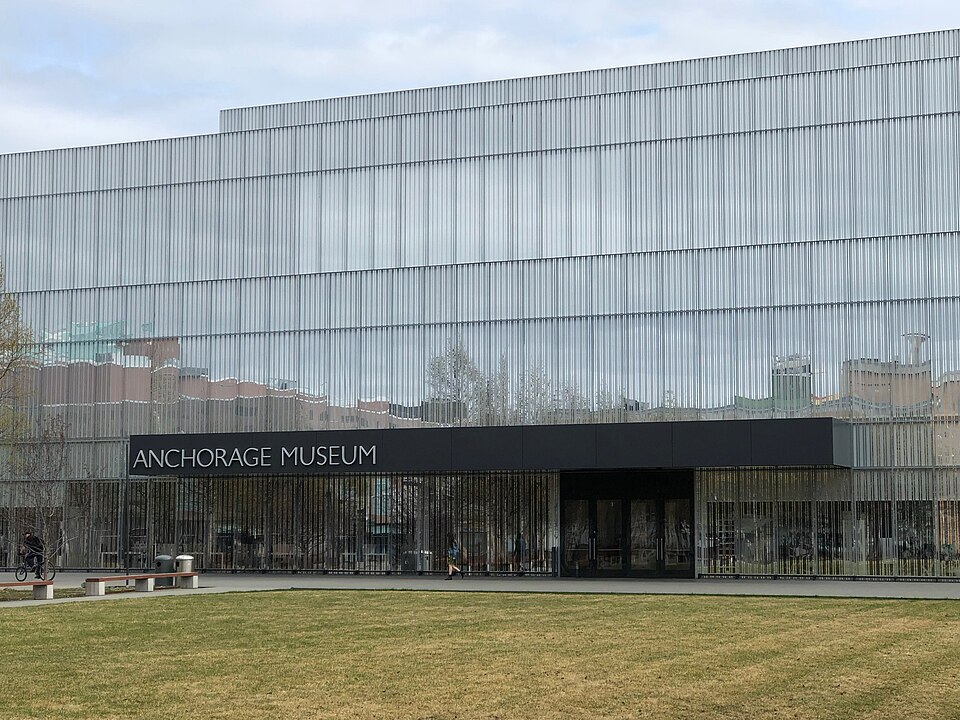
Alaska's largest museum, with exhibits on the history, art and cultures of the state's Native peoples. A Smithsonian Institution collection of Aleut, Inupiat and Tlingit objects, viewable up close, plus a gallery of Alaskan landscape painting.
Tip: The highlight is the Smithsonian Arctic Studies Center on the second floor, where kayaks, clothing and masks are displayed for close viewing. The planetarium runs a northern lights show if you don't get lucky seeing the real thing. In winter, the first Friday of the month has free admission.
Admission:
admission fee
Time needed:
2–3 h
Alaska Native Heritage Center
Muldoon
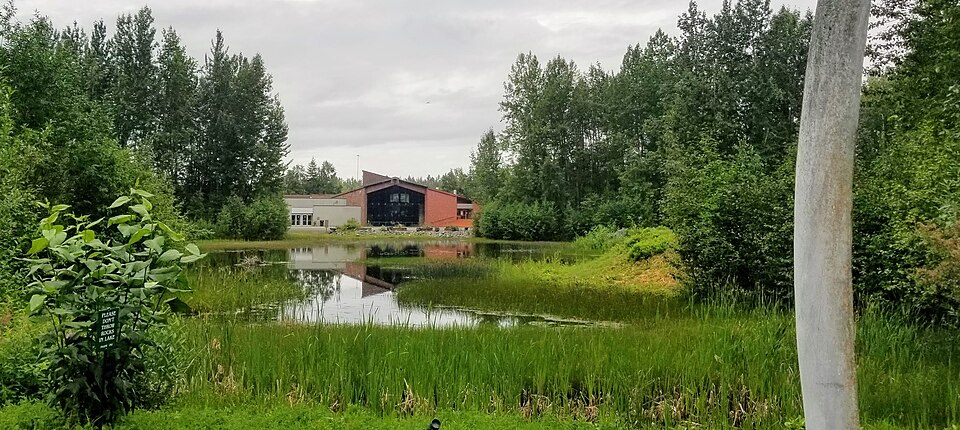
A cultural centre representing 11 Alaska Native groups, with traditional dwellings around a small lake, dances, songs and craft demonstrations. Guides are Native people themselves, sharing stories of their own cultures.
Tip: Arrive at the start of the programme, when the main hall hosts dances and demonstrations of the games played at the Native Youth Olympics. A shuttle bus runs from downtown in summer. The craft shop is one of the few places where the money goes straight to the makers.
Admission:
admission fee
Time needed:
2–3 h
Tony Knowles Coastal Trail
Downtown to Kincaid
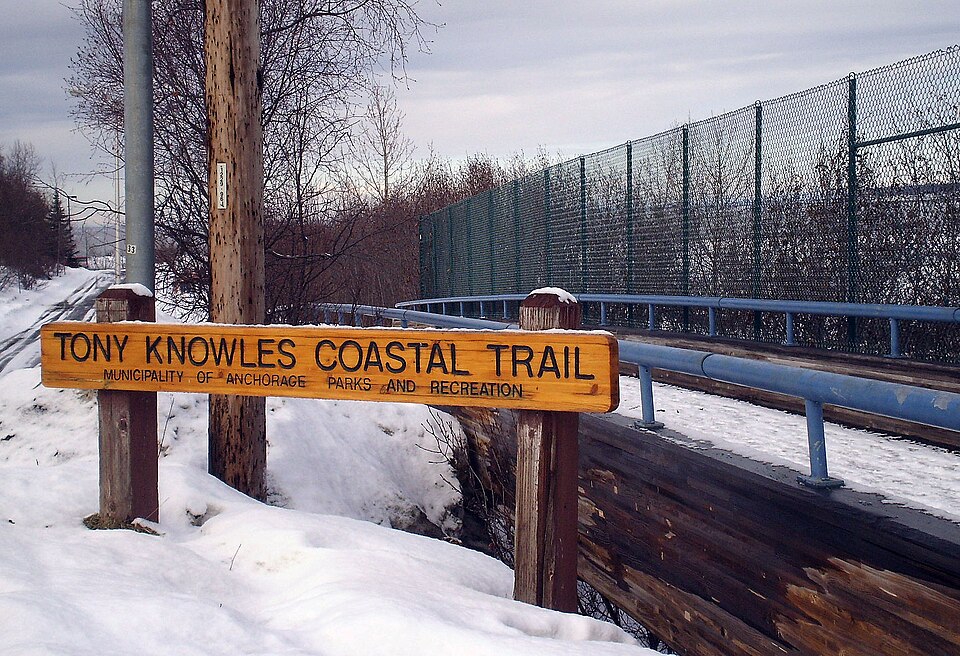
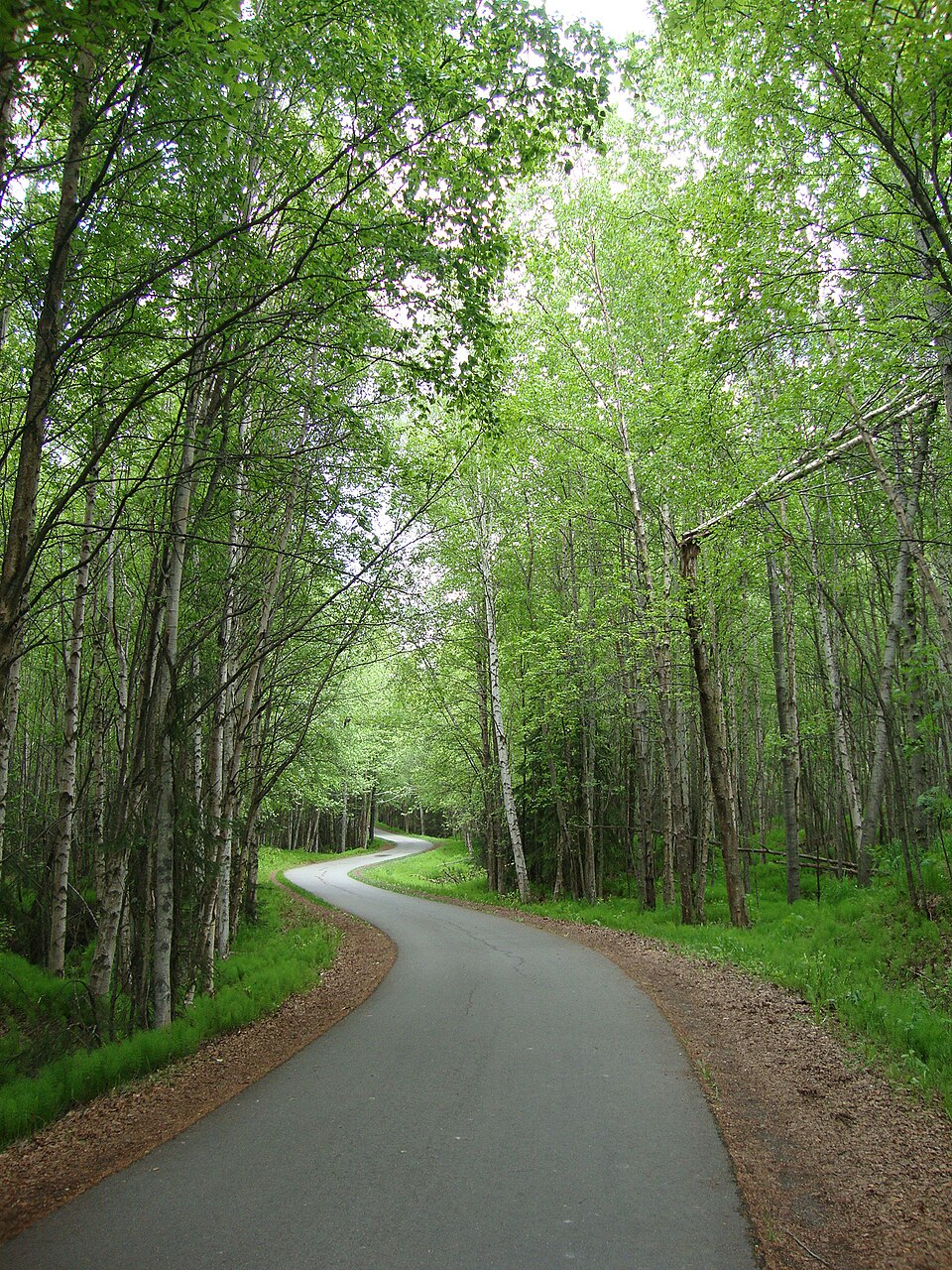
An 18-km paved trail along Cook Inlet from downtown to Kincaid Park. On a clear day, Denali, the highest peak in North America, is visible, and the trail is shared by moose and joggers.
Tip: Rent a bike downtown and ride to Earthquake Park and on to Kincaid — the full there-and-back route makes a morning outing. Avoid the mudflats at low tide: the mud acts like quicksand, and the tide comes in faster than you can outrun it. Give moose at least 20 metres of space.
Admission:
free
Time needed:
2–4 h
Flattop Mountain
Chugach
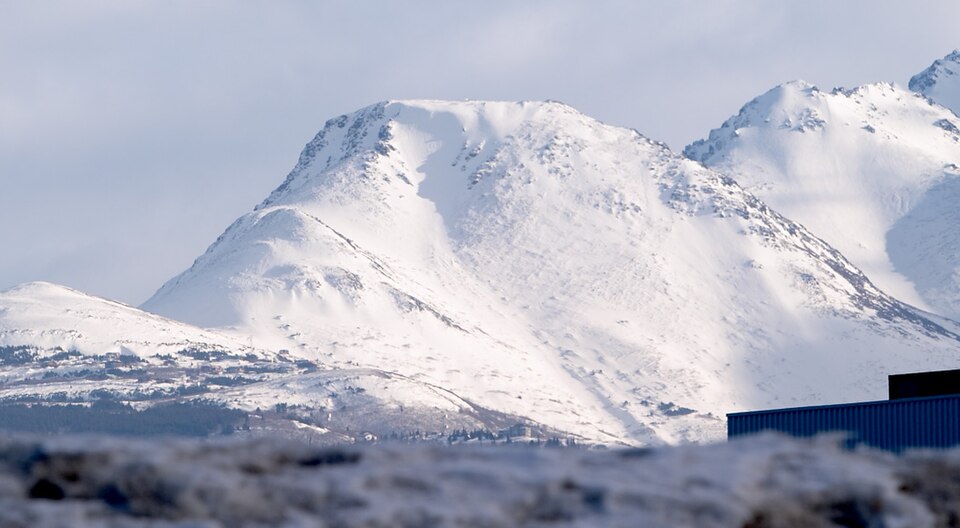
Alaska's most-climbed mountain, on the edge of the city in the Chugach Range, with a flat summit at 1,070 m. Views take in all of Anchorage, the inlet and, on a clear day, Denali.
Tip: The climb takes 2 hours round trip, with the final stretch steep and requiring scrambling over scree on all fours. Best in July and August. At the summer solstice in June, people gather at the summit around midnight, since it stays light the whole time. The Glen Alps car park charges a fee and fills up on weekends.
Admission:
free, parking USD 5
Time needed:
2–3 h
Lake Hood
near the airport
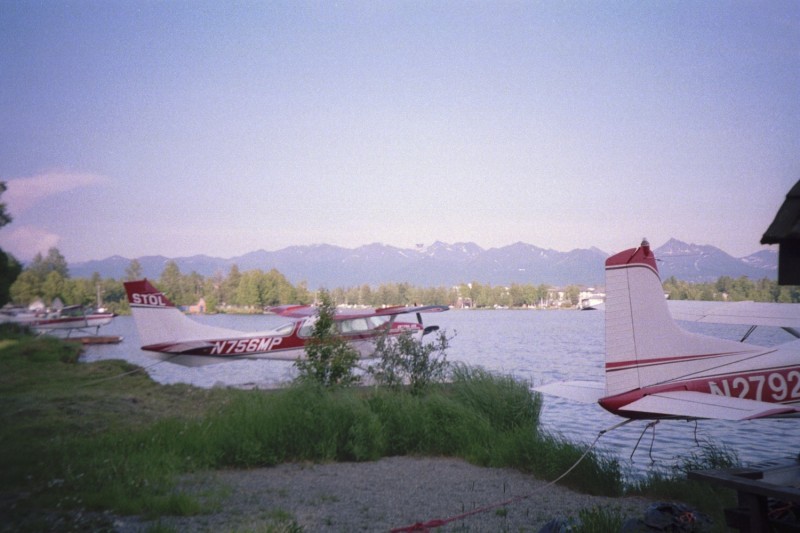
The busiest floatplane base in the world, with over 100 aircraft taking off and landing daily. On the shore stands the Alaska Aviation Museum, with vintage bush planes that once supplied remote villages.
Tip: Sit by the lake on Lakeshore Drive and watch the landings for free. Scenic flights to the glaciers or Denali depart from here — book the first day with clear weather. The aviation museum is small but good.
Admission:
free, museum admission fee
Time needed:
1 h
Earthquake Park
Turnagain
A park on the edge of the Turnagain neighbourhood, where a whole row of houses slid into the sea during the 1964 earthquake. Information boards explain the forces of the magnitude 9.2 quake, and the viewpoint overlooks the inlet and city.
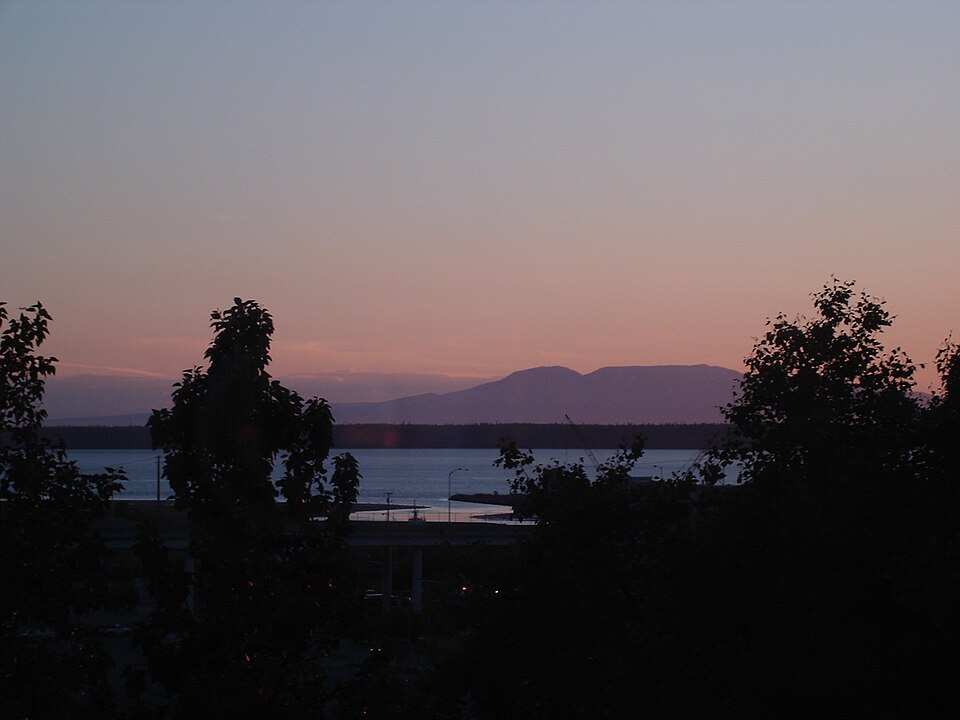
Tip: Today it's a forest where the rippled ground left by the landslide is visible if you know what to look for. It sits on the coastal trail, so it's easy to combine with a bike ride. At sunset, distant Denali is visible from here.
Admission:
free
Time needed:
30 min
Ship Creek
Downtown
A creek running through downtown where salmon run in summer. Anglers in waders stand below the road, fishing for king and silver salmon in the shadow of the skyline.
Tip: From late May to August it's liveliest by the water. Fishing gear can be rented and licences bought online, but watch out for the mud. Tourists also watch from the footbridge, and in July the salmon leap.
Admission:
free
Time needed:
30 min
Kincaid Park
Kincaid
A huge park at the southwestern edge of the city, with forests, dunes and trails home to moose. One of the best cross-country skiing areas in America in winter, and biking and walking trails in summer.
Tip: Moose sightings are almost guaranteed here, especially morning and evening in the woods. In winter, cross-country skis can be rented and the trails are lit. A viewpoint over the inlet sits at the end of the coastal trail.
Admission:
free
Time needed:
1–2 h
Eklutna Lake
Eklutna
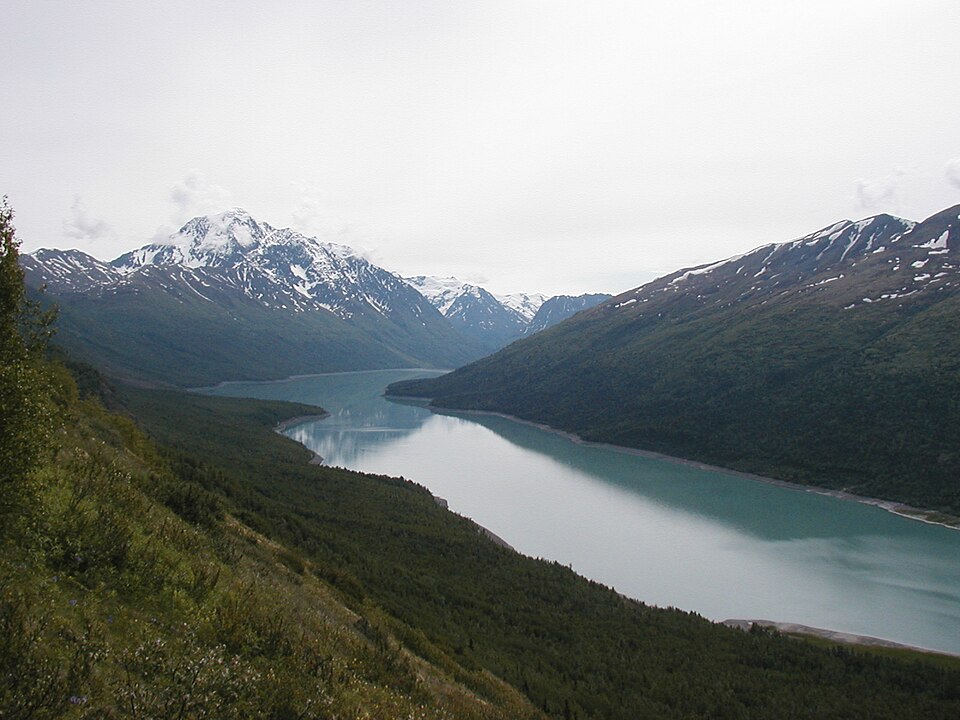
A turquoise glacial lake 40 km from the city in the Chugach Mountains, the source of Anchorage's drinking water. A trail for cycling and kayaking runs around the lake, ending at a glacier.
Tip: Bikes can be rented by the lake, and the flat lakeside trail leads to a glacier. Along the way it passes through the village of Eklutna, with a historic cemetery of decorated spirit houses over the graves. Birch leaves turn colour in September.
Areas and districts, matched to the kind of trip you are taking
Downtown
Best for: a first visit
The centre, with the museum, craft shops and the start of the coastal trail. Hotels here cost more, but it's the only area that's genuinely walkable.
Midtown
Best for: cheaper hotels and shopping
A commercial district with shopping centres and chain hotels. Impractical without a car. Motels here are cheaper than downtown, and supermarkets along the main roads are handy for stocking up before a trip.
Spenard
Best for: local atmosphere
A neighbourhood between downtown and the airport, with bars, cafés and breweries. Informal and lively, close to Lake Hood. Floatplanes land a few hundred metres away, and the bars mix pilots with local anglers.
Girdwood
Best for: mountains
A mountain resort 40 minutes south by Turnagain Arm, with the Alyeska tram, skiing in winter and trails in summer.
Ted Stevens Anchorage International Airport lies 8 km from downtown. Anchorage is reached with a connection through major hubs such as Seattle, Frankfurt or London; in summer, direct seasonal flights operate from Frankfurt and Reykjavik. The journey typically takes 14 to 18 hours. Visitors from visa-waiver countries need ESTA authorisation before departure. From Anchorage, the Alaska Railroad runs north to Denali and Fairbanks and south to Seward and Whittier.
Ted Stevens Anchorage International (ANC) · 8 km
Taxi to downtown· 15 min· USD 30
Uber / Lyft· 15 min· USD 22
People Mover bus 7· 30 min· USD 2
Around town
Anchorage is a sprawling city and public transport is sparse. Day trips require a rental car, available at the airport — book months ahead in summer, when prices are high. Alternatives are the Alaska Railroad and organised tours. Downtown is walkable, and the coastal trail is best explored by bike.
Rental carThe best way to explore the surrounding area. Book months ahead in summer. · USD 80/day
Alaska RailroadTrains south to Seward and Whittier and north to Denali, with scenic viewing cars. · from USD 110
People MoverCity buses running on infrequent schedules. · USD 2
Uber / LyftFine within the city, not for day trips. · USD 15 around town
BikeBest for the coastal trail. Rental shops are downtown. · USD 40/day
Useful apps: Uber, Lyft, Alaska Railroad, Google Maps, Aurora Forecast
When to go
Peak season runs from June to August: temperatures around 18–20°C, the sun setting just before midnight, and every train, boat and tour running. In July the salmon run and whales appear in the inlets. It's also the most expensive time, with hotels filling up. May and September are quieter and cheaper; in September the leaves turn and the northern lights season begins. Winter, from November to March, is freezing but milder than inland, with short days and the northern lights overhead. The famous Iditarod dog-sled race starts in March.
Best time
June to August, September for the northern lights
What to avoid
April and October, when slush covers the ground and tours stop running
Month
Jan
Feb
Mar
Apr
May
Jun
Jul
Aug
Sep
Oct
Nov
Dec
Day
-5°
-3°
1°
7°
13°
17°
18°
18°
13°
5°
-2°
-4°
Night
-12°
-11°
-8°
-2°
4°
9°
11°
10°
6°
-1°
-8°
-11°
Rainy days
8
8
7
6
6
8
11
14
15
12
10
11
Food & drink
Alaska is a seafood paradise: wild salmon, halibut and king crab. It's eaten fresh in summer and frozen in winter. The city has breweries and a handful of good restaurants, but food is expensive since most ingredients are shipped in. Moose and reindeer meat can be tried in sausages. Tipping is added to the bill; Anchorage has no sales tax.
What to try
Wild salmon
King, red and silver salmon, grilled, smoked or served plank-style. Best fresh from June to August.
Halibut
A large flatfish with white flesh, battered and fried like fish and chips, or grilled.
King crab
King crab from the Bering Sea, served with melted butter. The priciest item on the menu, charged by the pound.
Reindeer sausage
A reindeer-meat sausage sold from stalls downtown and served with onions. An Alaskan street-food classic.
Sourdough pancakes
Pancakes made from a sourdough starter that, legend has it, gold miners kept tucked under their clothes so it wouldn't freeze.
Akutaq
An Alaska Native "ice cream" of whipped fat and berries. It can be tasted at the cultural centre.
Local beer
Anchorage has over 10 breweries, and Alaska is one of the states with the most breweries per capita.
What it costs
Reindeer sausage from a stall
USD 8–10
Fish and chips with halibut
USD 22–30
Salmon dinner
USD 40–70 per person
Beer
USD 7–9
Anchorage Museum admission
USD 25
Scenic floatplane flight
from USD 300
Car rental in summer
USD 80–150/day
Night in a 3-star hotel in summer
USD 220–350 + tax
Indicative prices that change over time — treat them as a guide, not a price list.
Practical information
SocketsAtwo flat pins (US/JP)Btwo flat pins plus ground (US)
Voltage120V / 60Hz
Tap waterTap water is drinkable — Tap water is safe to drink across the United States, and restaurants serve it free with ice — just ask for "tap water". Buying bottled water is unnecessary and pricey — a bottle costs $2–3 in a shop, $5 at an attraction. It's worth carrying a refillable bottle, as airports and parks have filling stations. Ice is everywhere, and drinks are served noticeably colder than is typical in Europe.
TippingTipping isn't optional — it's part of service staff's pay. At a table-service restaurant, tip 18–20% of the pre-tax total; in a bar, a dollar per drink; taxi drivers and app-based rides 15%; housekeeping $3–5 a night; porters $2 a bag. Card terminals usually offer preset percentage buttons — note these sometimes calculate from the total including tax. Anchorage has no sales tax, but hotels charge a 12% tax.
Driving on theright
SafetyThe city is safe; the main risks are natural. Moose are more dangerous than bears: cows with calves and bulls in September can charge, so keep at least 20 metres away. Carry bear spray on trails in the surrounding area and talk loudly. Weather changes fast, so bring a jacket even in summer. The mudflats along the inlet are dangerous. The emergency number is 911.
Opening hoursShops open from 10am to 9pm, including Sundays; supermarkets and pharmacies like CVS or Walgreens are often open around the clock. Restaurants serve breakfast from 6am, lunch from 11am, and dinner early — many kitchens close by 9pm in the evening. Bars check ID for anyone who looks under 40 and won't serve without a passport; a copy isn't accepted. Drinking alcohol in public, on the beach or in a car is prohibited.
Customs & etiquetteStaff's conversational friendliness is a professional standard, not an invitation to friendship. Queuing is respected, and personal space is larger than in much of Europe. Haggling happens only over cars and at flea markets, never elsewhere. Smoking is banned in practically all indoor spaces and on many beaches. Questions about salary or politics aren't raised with strangers. Alaskans are practical and informal; you won't see a suit even in a restaurant. Native peoples aren't called Eskimos, but referred to by their specific group's name.
A few local wordsHello / Good morning — Hi / Good morningThank you — Thank youCheck, please — Check, pleaseJust looking, thanks — Just looking, thanksHow much is it with tax? — How much is it with tax?Tap water, please — Tap water, please
How to plan your days
1 day
A day in Anchorage
1Morning at the Anchorage Museum.
2Lunch downtown, a reindeer sausage from a stall.
3Afternoon bike ride along the coastal trail to Earthquake Park.
4Stop at Lake Hood.
5Evening salmon dinner and a brewery in Spenard.
2 days
2 days in Anchorage
1Day 1 as in the 1-day plan.
2Second morning at the Alaska Native Heritage Center.
3Afternoon drive along the Seward Highway beside Turnagain Arm.
4The Alyeska tram in Girdwood.
5Return in the evening for fish at Ship Creek.
3 days
3 days in Anchorage
1The 2 days above.
2Day 3 by train to Seward.
3A cruise into Kenai Fjords National Park to see glaciers and whales.
4Train back in the evening.
5Northern lights late at night, if it's the season.
Day trips
Turnagain Arm and Girdwood
60 km · 1 h by car
The Seward Highway runs along Turnagain Arm, where Dall sheep graze on the cliffs and beluga whales can be spotted in the inlet. In Girdwood, the Alyeska tram rides up to a viewpoint over the glaciers, and at the end of the arm sits the Alaska Wildlife Conservation Center, home to bears, moose and bison.
Whittier and Prince William Sound
100 km · 1.5 h by car
Whittier is reached through a one-lane tunnel under a mountain, shared with the railway and opened on a set schedule. From there, boats sail into Prince William Sound to glaciers calving into the sea. A full-day cruise passes dozens of glaciers.
Seward and Kenai Fjords
200 km · 2.5 h by car or 4 h by train
A harbour town to the south, from where boats sail into Kenai Fjords National Park to see glaciers, whales, orcas and puffins. Exit Glacier is accessible on foot. The Alaska Railroad train is itself a scenic ride.
Frequently asked questions
How many days are enough for Anchorage?+
2 to 3 days for the city and a trip out to the glaciers. Anchorage is really more of a launch point for a longer Alaska trip to Denali and the Kenai Peninsula.
When is the best time to see the northern lights?+
From late August to April, ideally on a clear night away from the city. The Aurora Forecast app predicts activity. From May to July it stays too light.
Will I see a moose in Anchorage?+
Almost certainly — moose wander through parks, gardens and the coastal trail. Keep your distance, and never step between a cow and her calf.
Do I need a car?+
For day trips, yes. For the city centre itself, no. In summer, book a rental car months ahead or there won't be one available.
Is Alaska expensive?+
Yes, one of the priciest places in the US — hotels, food and tours alike. There's no sales tax, though.
How do I get from the airport to downtown?+
A taxi or Uber takes 15 minutes. Buses run infrequently. The People Mover bus runs only once an hour and isn't built for luggage.
Where should I stay?+
Downtown, where you can get around on foot. Hotels near the airport suit the first and last nights.
Can you see Denali from Anchorage?+
On a clear day, yes, from the coastal trail and from Flattop Mountain. The mountain is over 200 km away and visible roughly 1 day in 3.
Visa Requirements
Check the latest visa requirements for entering this country. Some nationalities may need to apply for a visa or e-visa before travel.