Houston, we have a trip: NASA, museums and Texas's most diverse cuisine
Houston
LanguageEnglish
CurrencyUSD
TimezoneGMT-6
Temperature5-30 °C
Dial Code+1
Population335M
Area9,833,520 km²
SocketsType A / Type B
Tap waterDrinkable
Discover Houston
Houston is America's 4th-largest city and also its most diverse — over 140 languages are spoken here, and no single group forms a majority. The world knows it through NASA: flights of the Apollo missions were run from Mission Control at the Johnson Space Center, and the first words from the Moon began with 'Houston'. The Space Center Houston visitor complex, with a Saturn V rocket and a tour of the historic Mission Control room, is the main reason people come. But the city itself also has a surprisingly strong Museum District with 19 museums to explore on foot, a chapel of Mark Rothko paintings that's one of the quietest places in America, and a park along Buffalo Bayou. Houston grew rich on oil and has no zoning laws, so skyscrapers sit alongside shopping centres and freeways. The food is excellent and cheap: tex-mex, barbecue, Vietnamese pho and Cajun crawfish. The Gulf of Mexico coast is an hour away.
What to see
The places worth your time in Houston, and what to expect at each
Space Center Houston
Clear Lake
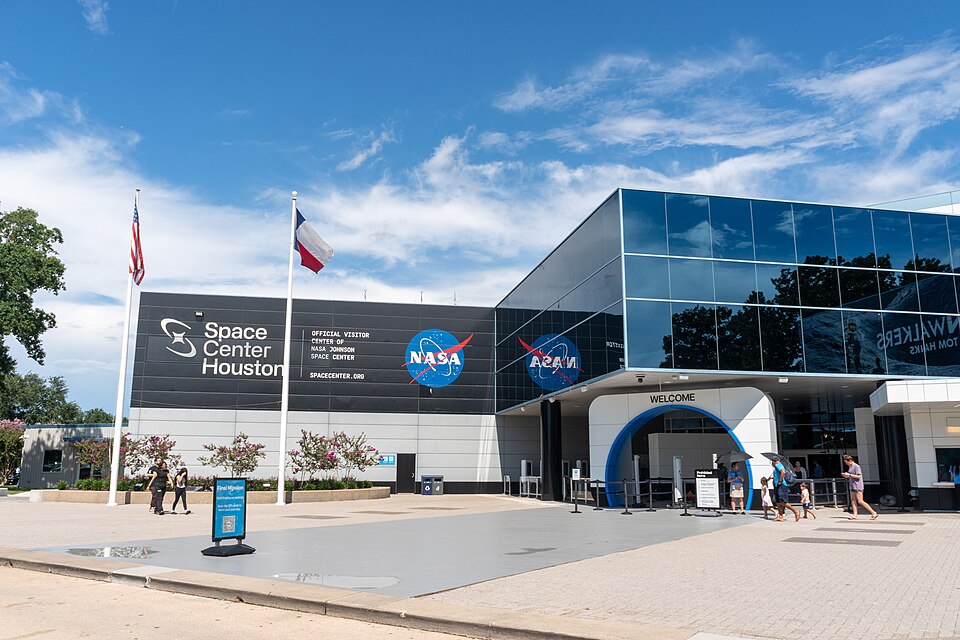
NASA's visitor centre next to the Johnson Space Center. Inside are a space shuttle mounted on a modified Boeing 747, spacesuits, an Apollo capsule and moon rocks. A tram takes visitors into the NASA complex to see the giant Saturn V rocket and the historic Apollo Mission Control room.
Tip: Queues form in the morning for the tram tours, which are the best part — go on one right after opening and save the exhibits for the afternoon. Mission Control has been restored to its 1969 condition, right down to the ashtrays and coffee mugs. The centre is 40 kilometres from the city and barely reachable by public transport.
Admission:
admission fee
Time needed:
5–6 h
Museum of Fine Arts
Museum District
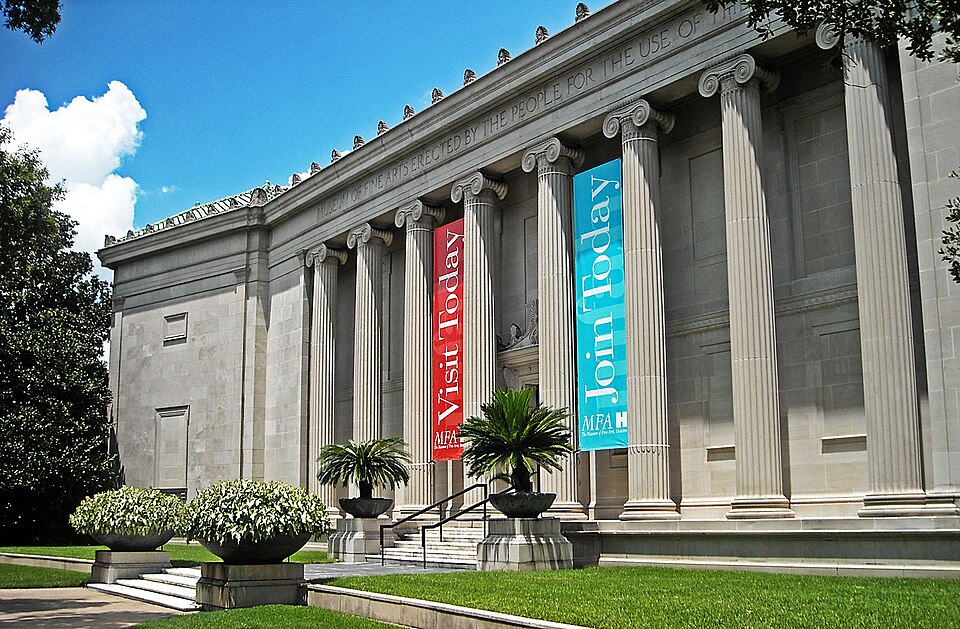
One of the largest art museums in the US, spanning a 3-building campus linked by an underground tunnel with a James Turrell light installation. Collections range from antiquity to the present, including Impressionists, Latin American art and a sculpture garden.
Tip: Admission to the permanent collections is free on Thursdays. The light tunnel between the buildings is the most photographed spot in the museum. The Kinder Building from 2020 holds modern art and can be visited on its own.
Admission:
admission fee
Time needed:
2–3 h
Houston Museum of Natural Science
Museum District
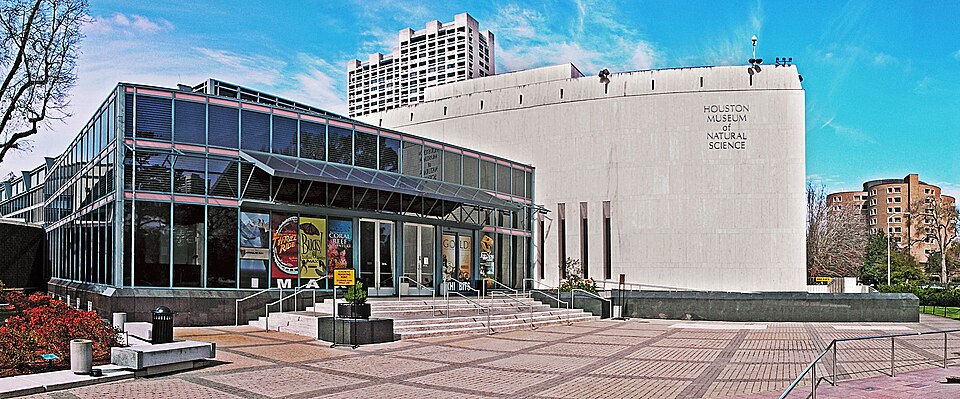
A natural science museum with one of the best dinosaur collections in America, a minerals and gems exhibit, an Egyptian collection, and a conservatory with thousands of butterflies. Also a planetarium and an IMAX cinema.
Tip: The dinosaurs in the Hall of Paleontology are the strongest section and worth the admission alone. The butterfly conservatory costs extra. The permanent exhibits are free on Thursday afternoons, but it's crowded then.
Admission:
admission fee
Time needed:
2–3 h
Menil Collection
Montrose
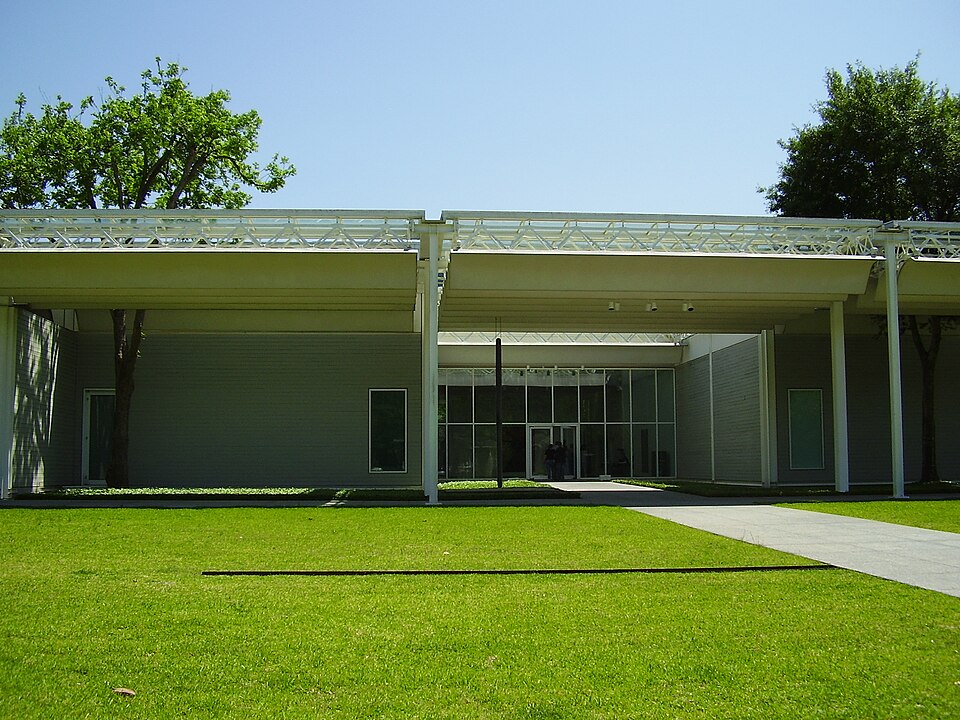
The private collection of the de Menil family, housed in a low Renzo Piano building surrounded by wooden cottages in a park. Surrealists Magritte and Max Ernst, African and Oceanic art, ancient artefacts, and a separate pavilion devoted to Cy Twombly.
Tip: Admission is free, unusual for a collection of this calibre. The museum is closed on Mondays and Tuesdays. You can picnic under an oak tree in the surrounding park, and the Rothko Chapel is a short walk away.
Admission:
free
Time needed:
1.5–2 h
Rothko Chapel
Montrose
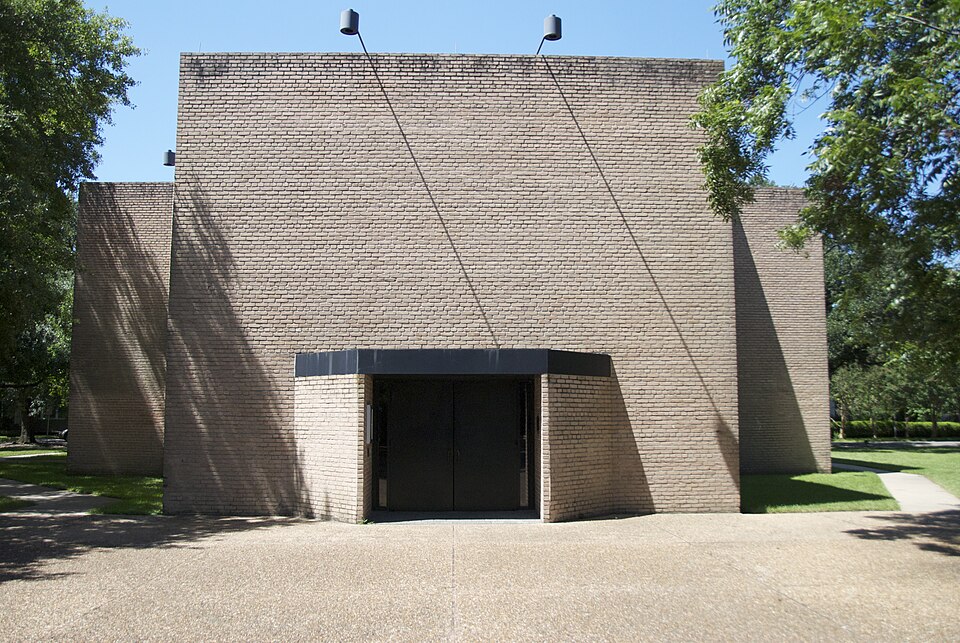
A windowless octagonal chapel with 14 nearly black paintings by Mark Rothko, completed in 1971 as a place of quiet for all faiths. Barnett Newman's Broken Obelisk, dedicated to Martin Luther King, stands out front.
Tip: Sit for at least 10 minutes — the paintings shift as the light changes through the ceiling, and only then do their subtle colours reveal themselves. No talking or photography inside. Admission is free.
Admission:
free
Time needed:
30 min
Buffalo Bayou Park
Downtown to Montrose
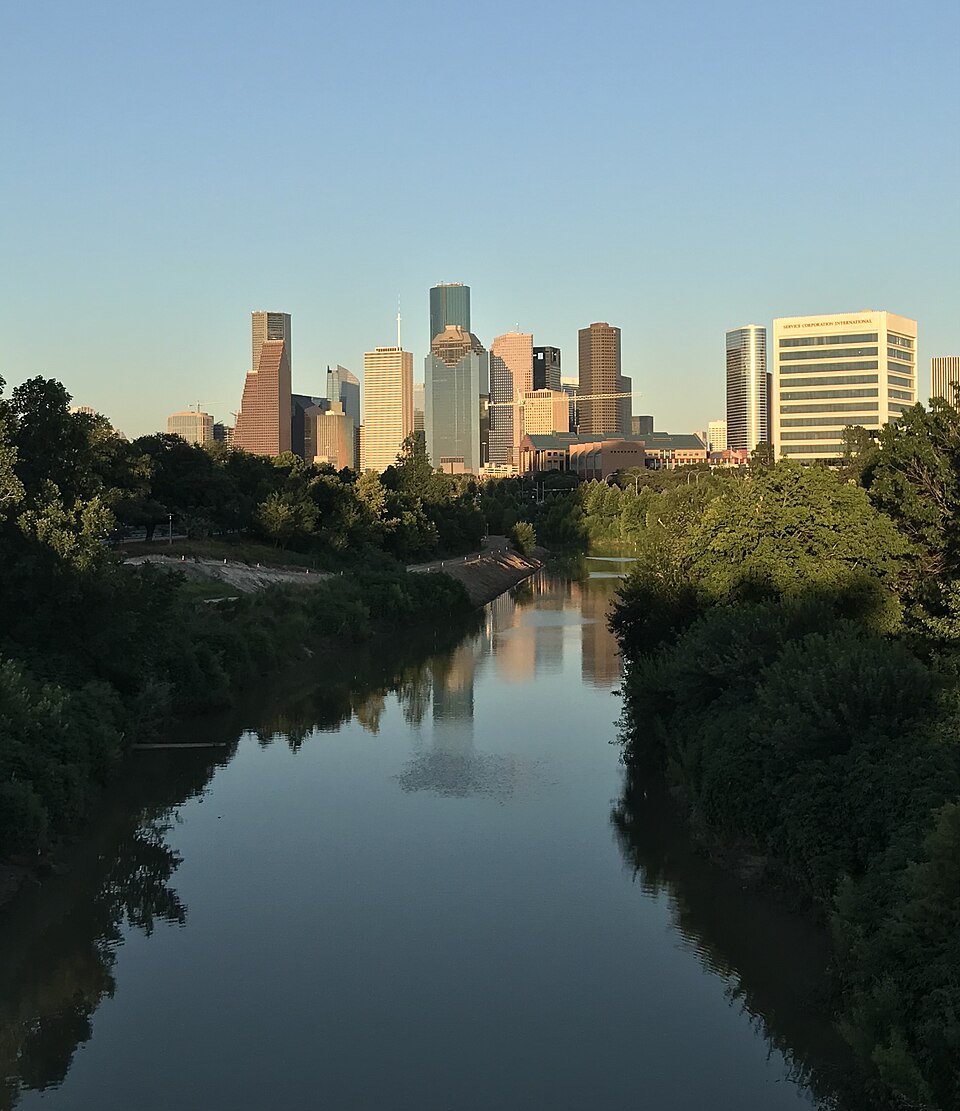
A park along the bayou running through downtown, with cycling trails, skyline views and the former drinking-water reservoir known as the Cistern. This underground reservoir, with 220 columns, can be visited on a guided tour and hosts light installations.
Tip: The Cistern tour lasts half an hour and tickets sell out — buy online. A colony of a quarter of a million bats lives under the Waugh Drive bridge and flies out at dusk. Bikes and kayaks are available to rent.
Admission:
free, Cistern admission fee
Time needed:
1.5–2 h
Hermann Park
Museum District
A large city park in the Museum District with a lake, a Japanese garden, a zoo, the open-air Miller Outdoor Theatre and a small scenic railway. Azaleas and magnolias bloom in spring.
Tip: Miller Outdoor Theatre hosts free performances and concerts from spring through autumn — just bring a blanket. The zoo is one of the best in the southern US and can be combined with the museums in a single day.
Admission:
free, zoo admission fee
Time needed:
2 h
Waterwall Park
Uptown
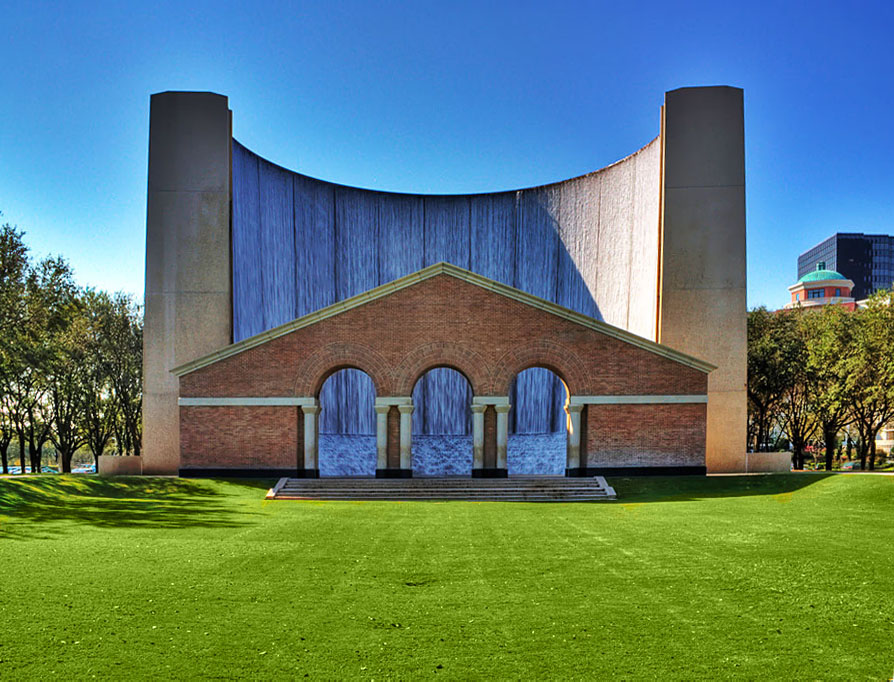
An 18-metre-tall semicircular fountain with water cascading down both sides. It stands by the Williams Tower skyscraper in the Uptown business district and is a pleasant spot in the heat.
Tip: Stand in the middle of the semicircle, where the sound of the water is loudest and the air coolest. The best photos are in the evening, once it's lit up. Combine it with the Galleria shopping mall, a 5-minute walk away.
Admission:
free
Time needed:
30 min
San Jacinto Monument
La Porte
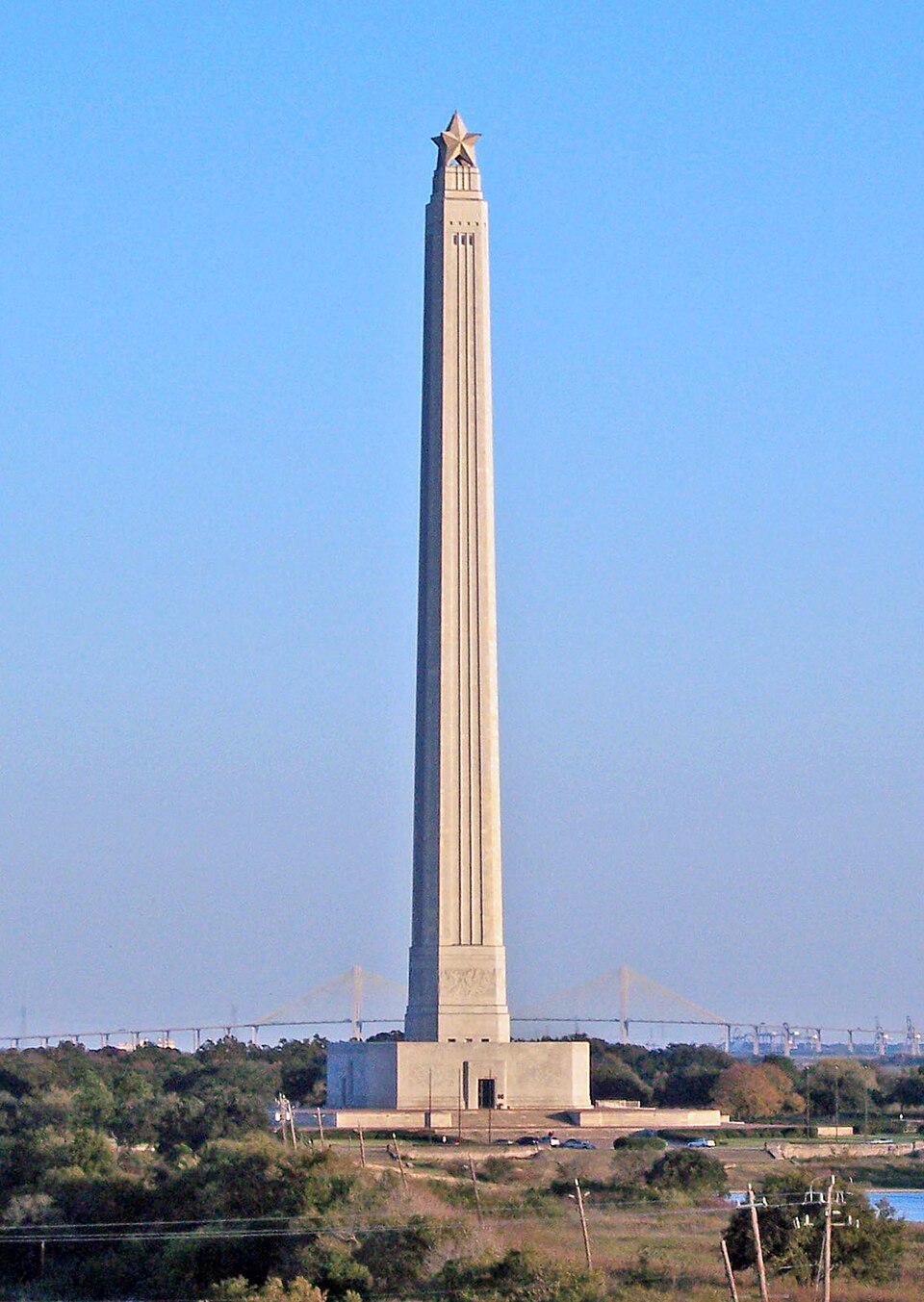
A 173-metre obelisk topped with a star, marking the site of the 1836 Battle of San Jacinto, in which Texas won independence from Mexico. Inside is a museum of Texan history and an elevator to an observation deck.
Tip: Go in the morning, as afternoons here tend to be hot and shadeless on the flat ground. The drive passes industrial ports and refineries, another side of Houston. The observation deck costs extra.
Areas and districts, matched to the kind of trip you are taking
Museum District
Best for: museums and quiet
19 museums within walking distance, Hermann Park and Rice University. The tram runs straight into downtown. A quiet district with good hotels.
Montrose
Best for: food and bars
A bohemian district with restaurants, bars, vintage shops, the Menil Collection and the Rothko Chapel. The best place for an evening out.
Downtown
Best for: sport and theatre
The business core, with skyscrapers, the theatre district and stadiums. Linked by underground tunnels to shops by day; it empties out at night.
Uptown and Galleria
Best for: shopping
A business district around the Galleria, Texas's largest shopping mall, with hotels and restaurants. It's far from the museums and impractical without a car.
Houston has 2 airports. George Bush Intercontinental in the north is a United Airlines hub and receives international flights; travellers from Europe typically connect via Frankfurt, London, Amsterdam, Paris or Istanbul, with the journey taking 14-16 hours. The smaller Hobby airport in the south handles Southwest's domestic flights. From either, Uber or the bus reaches downtown. An ESTA authorisation or visa is required before departure. By road, Houston is 4 hours from Dallas and 2.5 hours from Austin.
George Bush Intercontinental (IAH) · 35 km
METRO bus 102 to downtown· 60 min· $1.25
Taxi to downtown (fixed zone fare)· 30–50 min· $60
Uber / Lyft· 30–50 min· $45
William P. Hobby (HOU) · 15 km
METRO bus 40 to downtown· 40 min· $1.25
Uber / Lyft to downtown· 20 min· $30
Around town
Houston is a sprawling city built for cars, and public transport is weak. The METRORail Red Line tram connects downtown with the Museum District and the medical centre, and is useful for visitors. For everything else, Uber is the way to go. A car or an organised tour is essential for the Space Center and Galveston. Freeways are jammed at rush hour.
METRORail3 tram lines; the Red Line from downtown to the Museum District is the most useful. · $1.25
METRO busesA dense network, but slow. Pay by card or app. · $1.25
Uber / LyftThe main way to get around in the evening and beyond the tram line. · $15 within downtown
Rental carEssential for trips to NASA and the coast. · $45/day
Houston BCycleBike share with over 100 stations, good for the parks along the bayou. · $3
Useful apps: Uber, Lyft, RideMETRO, Google Maps
When to go
The best time is October to April, when it's warm at around 20-25 degrees and dry. Summer is very hot and humid, over 35 degrees with humidity above 80 percent, and everything happens indoors in air conditioning. Hurricane season runs from June to November, with strong storms and flooding mostly arriving in August and September. Winter is mild, though a cold front occasionally moves through. In March the world's largest rodeo takes place, with concerts, and hotels sell out.
Best time
October to April
What to avoid
August and September, because of heat and hurricanes
Month
Jan
Feb
Mar
Apr
May
Jun
Jul
Aug
Sep
Oct
Nov
Dec
Day
17°
19°
23°
26°
30°
33°
34°
35°
32°
28°
22°
18°
Night
7°
9°
13°
16°
20°
23°
24°
24°
22°
17°
12°
8°
Rainy days
9
8
8
7
8
10
9
9
9
7
8
9
Food & drink
Houston is Texas's most interesting city for food, because people from every corner of the world live here. Tex-mex is eaten here just as in Dallas, alongside barbecue and crab and shrimp from the Gulf of Mexico. A large Vietnamese community has created its own fusion cuisine with Cajun crawfish, and the Bellaire district is full of Vietnamese and Chinese restaurants. Prices are lower than on the coasts. Sales tax of over 8 percent, plus a tip, is added to the bill.
What to try
Viet-Cajun crawfish
Crawfish boiled in Cajun spices with butter, garlic and lemongrass, a Vietnamese-Louisiana fusion. Served by the pound in a bag, eaten by hand with a paper bib.
Tex-mex fajitas
Strips of grilled beef on a sizzling skillet with vegetables and tortillas. Houston claims it popularised fajitas.
Brisket
Beef brisket smoked overnight, served on butcher paper with pickles and white bread. The best spots sell out by lunchtime.
Pho
Vietnamese beef noodle soup with rice noodles and herbs, around $12 for a large bowl in Bellaire.
Kolache
Yeasted pastries with fruit or sausage filling, brought by Czech immigrants. In Houston they're sold at bakeries for breakfast.
Gulf oysters
Oysters from the Gulf of Mexico, bigger and milder than Atlantic ones. Freshest from November to April.
Breakfast tacos
Tortillas with eggs, bacon, potato and salsa, a classic Texan breakfast from food stalls for $3.
What it costs
Tex-mex lunch
$12–20
Crawfish (per pound)
$10–16
Dinner at a restaurant
$35–60 per person
Beer
$6–9
Space Center Houston admission
from $30
Museum of Fine Arts
from $24
Tram ride
$1.25
Night at a 3* hotel in the Museum District
$130–220 + tax
Indicative prices that change over time — treat them as a guide, not a price list.
Practical information
SocketsAtwo flat pins (US/JP)Btwo flat pins plus ground (US)
Voltage120V / 60Hz
Tap waterTap water is drinkable — Tap water is safe to drink in the United States, and restaurants will give it to you free with ice — just ask for 'tap water'. Buying bottled water is unnecessary and pricey — a bottle costs $2-3 in a shop and $5 at an attraction. It's worth carrying a reusable bottle, as refill stations are available at airports and in parks. Ice is everywhere, and drinks are served noticeably colder than is typical in Europe.
TippingTipping isn't optional — it's part of the server's wage. At a table-service restaurant, tip 18-20 percent of the pre-tax total; at a bar, a dollar per drink; taxi and rideshare drivers, 15 percent; housekeeping, $3-5 per night; porters, $2 per bag. The card reader usually offers preset percentage buttons — watch out, as these sometimes calculate from the total including tax. In Houston, sales tax of 8.25 percent is added to prices, and hotels charge a 17 percent tax.
Driving on theright
SafetyTourist areas are safe by day. At night, avoid downtown streets away from the main strips, and theft from cars is common. Houston is flood-prone: in heavy rain, never drive into a flooded underpass — the water is deeper than it looks, and drivers drown in them every year. Watch the forecast during hurricane season. Healthcare is expensive and insurance essential. The emergency number is 911.
Opening hoursShops open from 10am to 9pm, including Sundays, and supermarkets and pharmacies such as CVS or Walgreens are often open around the clock. Restaurants serve breakfast from 6am, lunch from 11am, and dinner early — many kitchens close by 9pm. Bars check ID for anyone who looks under 40 and won't serve you without a passport; a copy isn't enough. Drinking alcohol in public, on the beach or in a car is prohibited.
Customs & etiquetteThe friendly small talk from staff is a professional norm, not an invitation to friendship. Queuing is respected, and personal space is larger than in Europe. Haggling only happens over cars and at flea markets, never elsewhere. Smoking is banned in practically all indoor spaces and on many beaches. Questions about salary or politics aren't raised with strangers. Houston is a casual city, where people go to restaurants in shorts and enjoy striking up conversation.
A few local wordsHello — Hi / Good morningThank you — Thank youThe bill, please — Check, pleaseJust looking, thanks — Just looking, thanksHow much is that with tax? — How much is it with tax?Tap water, please — Tap water, please
How to plan your days
1 day
A day in Houston
1A full day at Space Center Houston, with a tram tour in the morning.
2Lunch at the NASA visitor centre.
3Afternoon at the shuttle exhibit and moon rocks.
4Head back to the city, stopping at Kemah Boardwalk on the way.
5Evening crawfish in Bellaire.
2 days
2 days in Houston
1Day 1 as in the 1-day itinerary.
2Day 2 morning at the Museum of Fine Arts.
3Lunch in the Museum District and Hermann Park.
4Afternoon at the Menil Collection and Rothko Chapel.
5Evening in Montrose and the bats at Buffalo Bayou.
3 days
3 days in Houston
1The first 2 days as above.
2Day 3 trip to Galveston.
3A walk through the historic Strand district.
4Seafood lunch on the waterfront.
5Head back in the evening and visit Waterwall Park.
Day trips
Galveston
80 km · 1 h by car
An island town on the Gulf of Mexico with Victorian houses, the historic Strand district, and beaches. In 1900 it was destroyed by the deadliest hurricane in American history. Today it has the Pleasure Pier amusement park and a water park. The sea is warm, but murky.
Kemah Boardwalk
45 km · 45 min by car
An entertainment boardwalk on the bay with restaurants, a roller coaster and a Ferris wheel. It sits on the way from the Space Center, so it's easy to combine with a NASA visit.
Brazos Bend State Park
70 km · 1 h by car
A nature park with lakes and wetlands home to hundreds of alligators. Trails run along the water, and alligators bask a metre from the path. The park also has an observatory open on Saturday evenings.
Frequently asked questions
How many days are enough for Houston?+
2 days: 1 for the Space Center, the other for the Museum District and Montrose. A 3rd day is enough for Galveston or the alligators at Brazos Bend.
How do I get to Space Center Houston?+
By car or Uber — it's 40 kilometres from downtown, and the trip takes 30-50 minutes. Public transport barely reaches it. Parking is charged separately.
Is the Houston CityPASS worth it?+
It's worth it if you plan to visit the Space Center, the natural science museum, the aquarium and the zoo. The Menil Collection and the Rothko Chapel are free anyway.
When should I avoid visiting Houston?+
August and September bring heat and hurricane season. In March there's the rodeo, and hotels get pricier.
How do I get from the airport to downtown?+
The most practical option is Uber or a fixed-fare taxi. The METRO 102 bus from IAH is cheap, but takes an hour.
Where should I stay in Houston?+
The Museum District or Montrose, for the restaurants and the tram. Downtown suits those after sport and theatre.
Is Houston safe?+
Tourist areas are safe by day. The biggest risks are flooding during storms and theft from cars.
What's the best food in Houston?+
Viet-Cajun crawfish, tex-mex and barbecue. Houston is one of America's best food cities at reasonable prices.
Visa Requirements
Check the latest visa requirements for entering this country. Some nationalities may need to apply for a visa or e-visa before travel.