Hotels in Maui

A Hawaiian island of a dormant volcano, waterfalls and golden beaches

Maui

LanguageEnglish
CurrencyUSD
TimezonePacific/Honolulu
Temperature5-30 °C
Dial Code+1
Population335M
Area9,833,520 km²
SocketsType A / Type B
Tap waterDrinkable

Discover Maui

Maui is the second-largest island of Hawaii in the Pacific Ocean, made of two volcanoes joined by a valley. In the west stand the weathered mountains of West Maui, in the east the volcano Haleakalā, 3,055 metres high, from whose summit the sunrise is watched above the clouds. The island is known for golden beaches, waterfalls along the road to Hana, coral reefs and the humpback whales that come in winter to calve. It offers calm and luxurious stays, but prices are high, as it is a tourist island in the middle of the ocean. In August 2023 a fire destroyed the historic town of Lahaina, killing more than a hundred people, and recovery continues; visitors are welcome but must respect the destroyed area and support local businesses. From Europe you fly via the US mainland and the journey takes twenty to twenty-five hours. To enter the United States, EU citizens need ESTA authorisation, and to get around the island a rental car.

What to see

The places worth your time in Maui, and what to expect at each

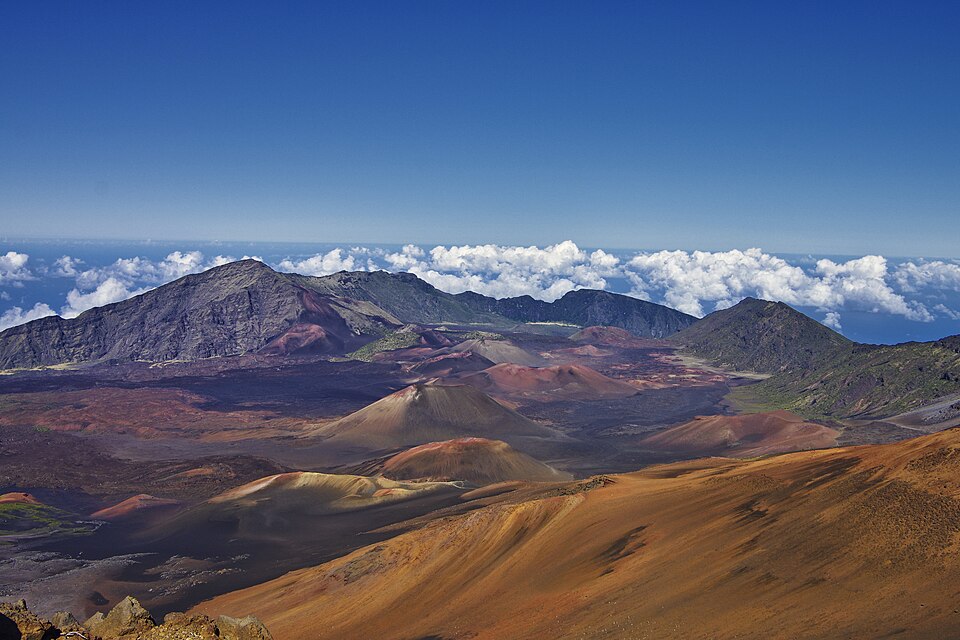
Haleakalā and the Sunrise

Haleakalā and the Sunrise

centre of the island

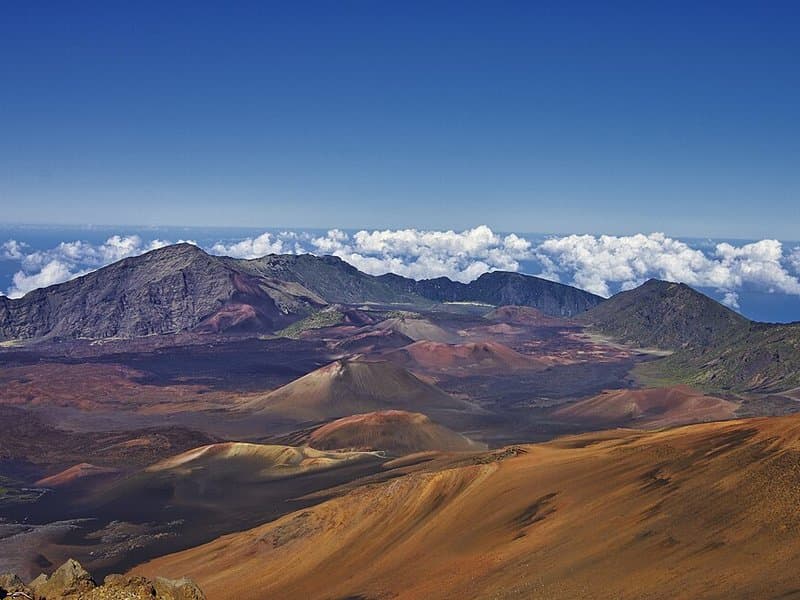
A dormant volcano with a crater as large as Manhattan, whose summit rises 3,055 metres above the sea. The sunrise above the clouds is the island's best-known experience and the landscape resembles the Moon. The national park also has trails by which you can descend into the crater.

Tip: Since 2017 a parking reservation through recreation.gov is required for sunrise, booked weeks ahead. At the top it is around freezing, so bring a jacket and hat; altitude causes fatigue, so drink water.

Admission:
about $30 per car
Time needed:
half a day
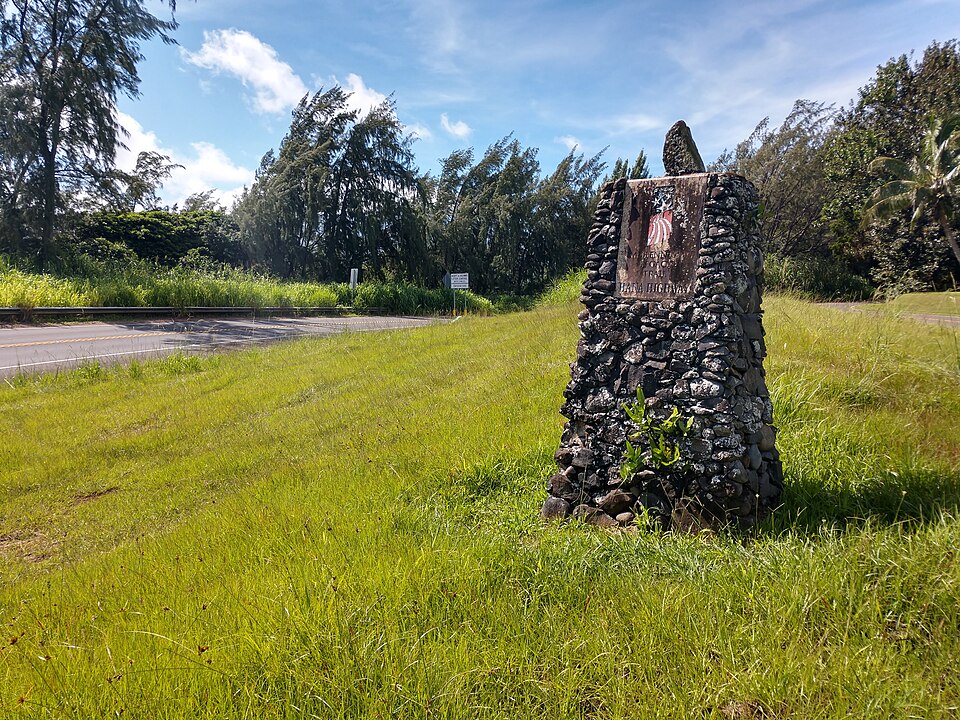
The Road to Hana

The Road to Hana

northeast of the island

A mountain road sixty-four miles long from Kahului to the town of Hana, with over six hundred bends and fifty-nine bridges, many of them one lane. It runs through rainforest past waterfalls, black-sand beaches and banana-bread stands. The journey is the goal, not Hana.

Tip: Set off early so as not to join slow convoys. Fill up with fuel in Paia and stop only at marked places; do not cross onto private land. A reservation is needed at Waiʻānapanapa black-sand beach.

Admission:
free, parking
Time needed:
full day
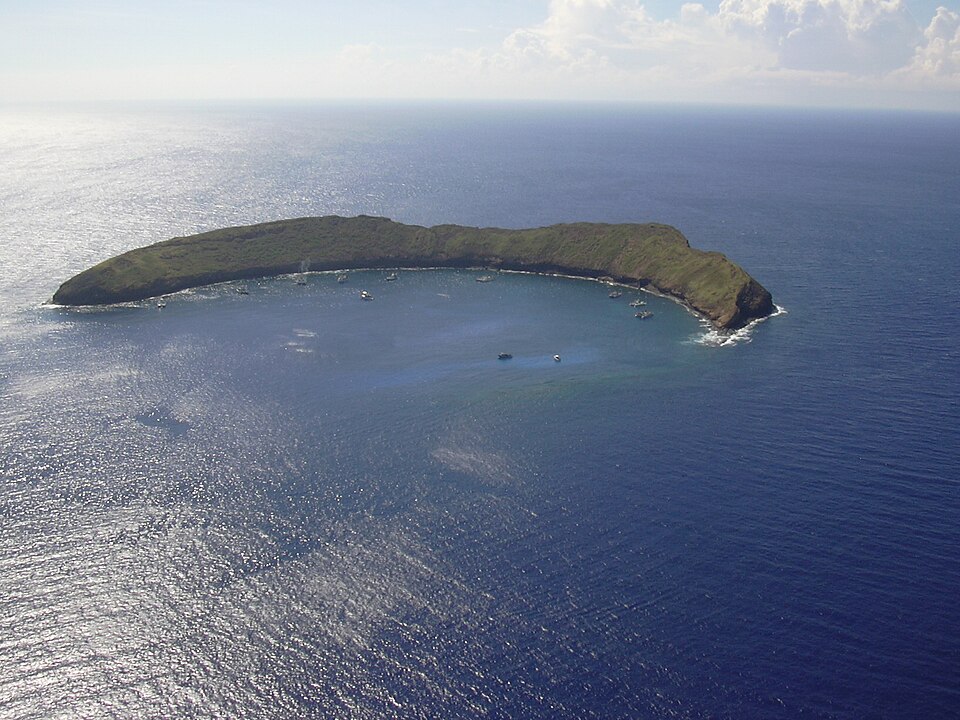
Molokini

Molokini

off the south coast

A crescent-shaped islet, the remnant of a flooded volcanic crater, lying in the sea about five kilometres from the shore and protected as a marine reserve. The water is crystal clear, visibility reaches thirty metres and tropical fish and corals live beneath the surface. It is the best place for snorkelling and diving.

Tip: Boats leave early in the morning from Maalaea or Kihei harbour, when the sea is calm; book a trip in advance. Use reef-safe sunscreen and do not touch coral or sharks.

Admission:
trip from $100
Time needed:
half a day
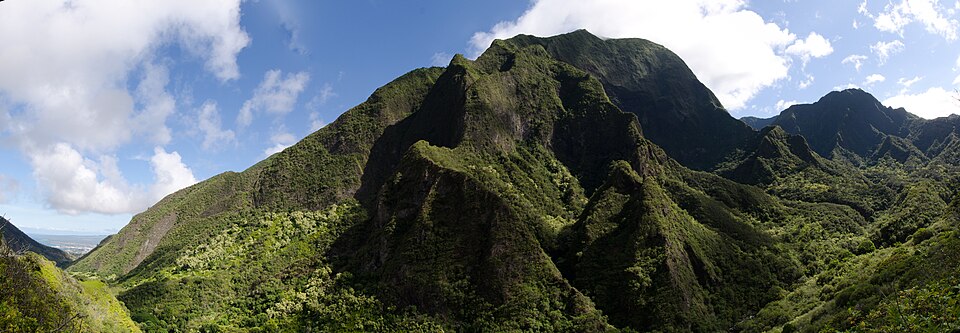
Iao Valley

Iao Valley

Wailuku

A deep green valley in the western mountains with a view of the rock needle Kū-ka-emoku, over a hundred metres tall. The valley is a historic place where a battle took place in 1790 and which is sacred to Hawaiians. Short trails are damp and shady after rain.

Tip: A visit is better in the morning, before it clouds over; the place is small and fills quickly. Allow an hour and protect yourself from mosquitoes.

Admission:
about $5 + parking
Time needed:
1–2 hrs
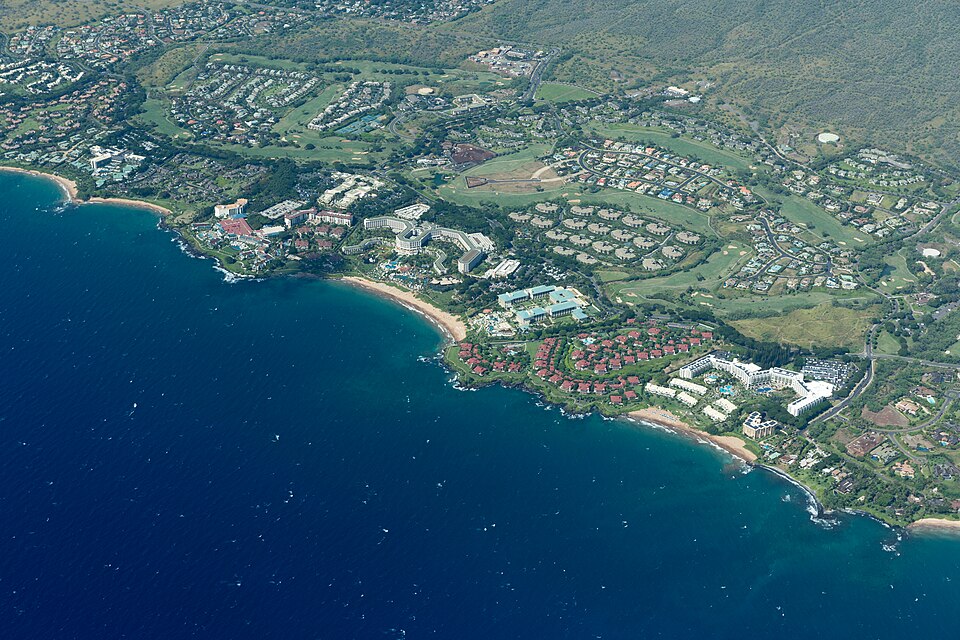
Wailea and Makena Beaches

Wailea and Makena Beaches

south Maui

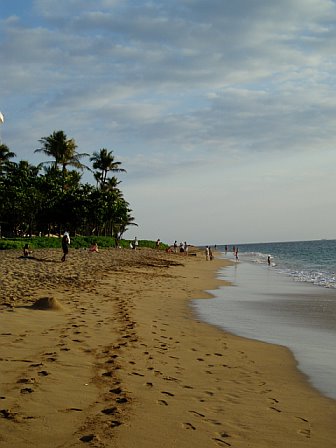
Golden sand, calm water and luxury resorts on the southwest coast, where the sun shines more than elsewhere on the island. Wailea Beach is groomed and good for swimming, while the nearby Big Beach at Makena is wider and wilder, with a dangerous shorebreak. A walking path runs along the coast.

Tip: The water at Wailea Beach is calmer in the morning. At Big Beach swim carefully, as the shorebreak causes injuries; avoid it in big surf.

Admission:
free
Time needed:
half a day
Kāʻanapali

Kāʻanapali

west Maui

A beach three miles long on the west coast with hotels, restaurants and the Black Rock, from which, by tradition, lit torches are launched. The water is calm and suits snorkelling beneath the rock. The area is open to visitors and has reopened after the fire.

Tip: In the morning the water is clearest and calmest; arrive before ten. Support local businesses and keep respect for the area near Lahaina.

Admission:
free
Time needed:
half a day
Kapalua and Honolua Bay

Kapalua and Honolua Bay

northwest

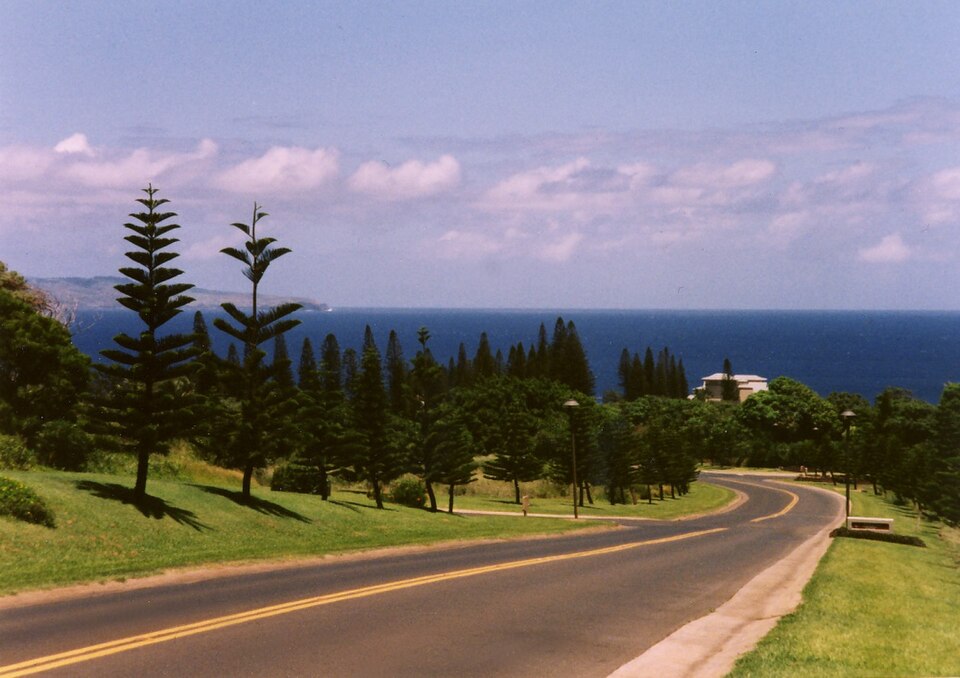
A calm northwest coast with pretty beaches, golf and a three-mile coastal trail. Honolua Bay is a nature reserve with good snorkelling in the summer months, when the sea is calm. In winter experienced surfers ride big waves here.

Tip: In winter the sea in the bay is dangerous, so snorkel only in summer. Parking is limited, so come early.

Admission:
free
Time needed:
half a day

Whale Watching

coast

Humpback whales arrive from December to April, most in January to March, and trips leave from Maalaea and Lahaina harbours. You can see breaches, blows and calves. It is forbidden to approach within a hundred yards.

Tip: Choose a licensed operator that follows the protection rules. Bring a windcheater and seasickness medication; the trip takes two to three hours.

Admission:
from $60
Time needed:
2–3 hrs
Lahaina

Lahaina

west Maui

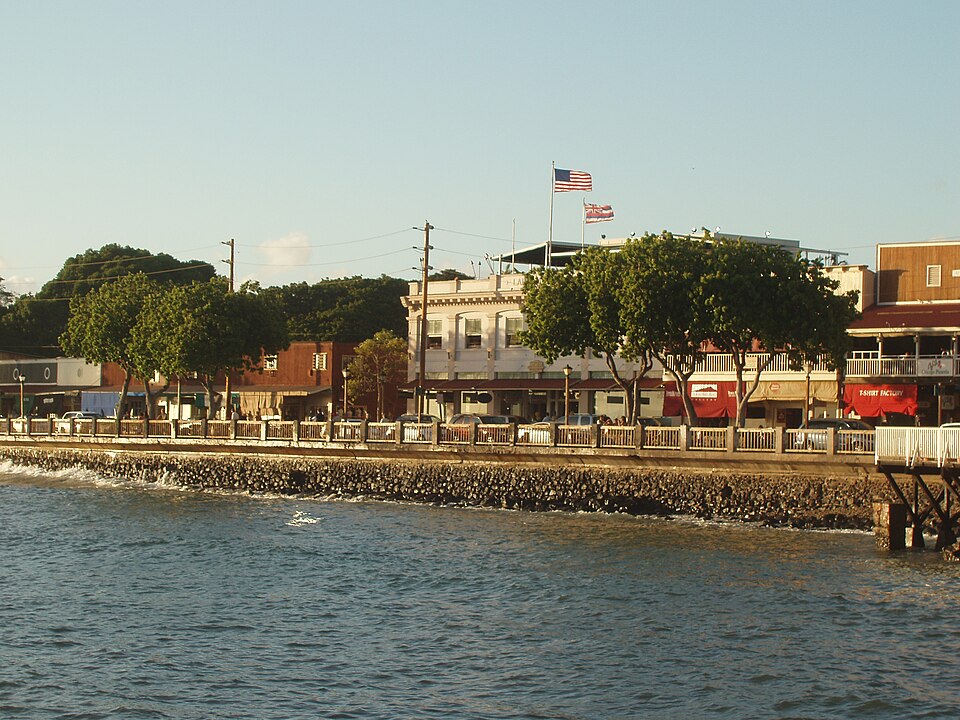
A historic port town in west Maui, former capital of the Kingdom of Hawaii, destroyed by fire in August 2023. More than a hundred people died and most of the town, including Front Street, burned. Recovery will take years; visitors should respect closed zones, not enter the burn area and support local communities.

Tip: Before you travel check the current state of recovery and reopening. Outside the closed zone support local businesses, do not photograph destroyed homes and do not behave as a tourist at a site of tragedy.

Admission:
access restricted
Time needed:
as the situation allows

Photos: Haleakalā and the Sunrise — Niagara66 (CC BY-SA 4.0) · The Road to Hana — 293.xx.xxx.xx (CC BY-SA 4.0) · Molokini — Forest & Kim Starr (CC BY 3.0) · Iao Valley — File:2011 Oct 02 Iao Valley Mountainside Panorama.jpg: Mark Fickett Cropping: Hike395 (CC BY 3.0) · Wailea and Makena Beaches — Ekrem Canli (CC BY-SA 4.0) · Kāʻanapali — Rockpocket at English Wikipedia (Public domain) · Kapalua and Honolua Bay — Andwhatsnext at English Wikipedia (CC BY-SA 3.0) · Lahaina — en:User:Calbear22 (Public domain)

Where to stay

Areas and districts, matched to the kind of trip you are taking

Kāʻanapali and Nāpili

Best for: beaches and resorts

The west coast with a long beach, hotels and restaurants. It is the most touristy part and prices are mid to high. The area is recovering after the fire, but remains open.

Wailea and Mākena

Best for: luxury and calm

The southwest coast with luxury resorts, golf and golden beaches. The sun shines most and it rains little. Prices are the highest on the island.

Kīhei

Best for: cheaper family accommodation

A seaside town with apartments, restaurants and a beach. Prices are lower than in Wailea and the choice is wide. A good choice for families and longer stays.

Pāʻia and Upcountry

Best for: surf and a rural style

The north shore with the town of Pāʻia, surfers and boutiques, and the slopes of Haleakalā with farms. Calmer and cheaper than the beaches. Suits travellers who want to get to know the island.

Getting around

From the airport

Kahului Airport (OGG) is the main gateway to Maui. From Europe you fly via the US mainland, most often through Los Angeles, San Francisco or Dallas, and the journey takes twenty to twenty-five hours. From Honolulu short flights take forty minutes. To enter the United States EU citizens need ESTA, which must be arranged in advance. On the island a rental car is essential.

Maui – Kahului Airport (OGG) · 5 km

  • Car rental· at the airport· $80
  • Taxi to Kīhei· 35 min· $60
  • Shuttle to the hotel· 30–60 min· $30

Around town

Without a car you can hardly get around Maui: public transport is sparse and distances are large. Rent in advance, as in season cars sell out. Parking at beaches is usually free, at resorts it is paid. Roads are good but narrow and winding.

Car rentalEssential for all routes. · $80
Maui BusSparse lines to the main places. · $2
Taxi or UberTo hotels and the airport. · $30
Guided tourHaleakalā and the Road to Hana in a small group. · $150

Useful apps: Google Maps, Uber, Lyft, Hawaii Beach Safety

When to go

Maui has a tropical climate with temperatures around twenty-seven to thirty-one degrees all year, softened by the trade winds. The best months are April to June and September to October, when it is dry and has fewer tourists. From December to April whales are watched, but there is also rain and surf. At the summit of Haleakalā it is often below ten degrees.

Best time

April to June and September to October

What to avoid

November to February (rain and surf)

MonthJanFebMarAprMayJunJulAugSepOctNovDec
Day27°27°27°28°29°30°30°31°31°30°28°27°
Night19°19°19°20°21°22°23°23°23°22°21°20°
Rainy days98107533336910
Sea24°24°24°25°25°26°26°27°27°27°26°25°

Food & drink

Hawaiian cooking is a mix of Polynesian, Asian and American. You find fresh fish, pork and fruit from the island. A restaurant lunch costs fifteen to thirty dollars and at food trucks half that. People drink Maui coffee and coconut water.

What to try

Poke

Cubes of raw fish, most often tuna, marinated in soy sauce, sesame oil and onion. Best fresh from shops by the harbour.

Loco moco

Rice with a beef patty, egg and brown gravy. A filling breakfast or lunch.

Kalua pork

Pork slow-cooked in the ground or an oven, shredded and tender. A traditional luau dish.

Shave ice

Finely shaved ice with fruit syrups, sometimes with bean paste and ice cream. A refresher for five dollars.

Huli huli chicken

Chicken grilled on a rotating rack in a marinade of soy sauce and pineapple. Sold by the roadside at weekends.

Malasada

A Portuguese fried doughnut rolled in sugar, popular on Maui. Best fresh from a bakery in Makawao.

Maui Gold pineapple

Sweet pineapple grown on the slopes of Haleakalā. Bought at the farm or farmers' markets.

What it costs

Coffee

$4–7

Poke bowl

$15–25

Lunch in a restaurant

$20–35

Car rental (day)

$80–150

Haleakalā (entry)

$30

Molokini trip

$100–150

4★ hotel (night)

$300–700

Whale watching

$60–90

Indicative prices that change over time — treat them as a guide, not a price list.

Practical information

SocketsAtwo flat pins (US/JP)Btwo flat pins plus ground (US)
Voltage120V / 60Hz
Tap waterTap water is drinkable — Tap water on Maui is safe to drink. Hotels usually charge a resort fee for facilities, which is paid on top.
TippingTipping is expected in the United States: eighteen to twenty per cent in a restaurant, two to five dollars a night for housekeeping and a dollar a bag for porters. Drivers and guides ten to twenty per cent.
Driving on theright
SafetyMaui is safe; the main risks are natural: strong surf, currents and waves on beaches without lifeguards, sun and altitude on Haleakalā. Do not leave belongings visible in the car. Obey the flags. The emergency number is 911.
Opening hoursShops are open from nine to five or six, longer in tourist places. Restaurants serve lunch from eleven and dinner from five. Beaches are accessible all day, with lifeguard services limited.
Customs & etiquetteIn Hawaii local culture is respected: do not take lava rocks or sand, do not enter sacred places marked kapu and do not touch sea turtles or seals — keep your distance. Use reef-safe sunscreen; creams with oxybenzone are banned.
A few local wordsHello / Goodbye / Love — AlohaThank you — MahaloWelcome — E komo maiDelicious — ʻŌnoHelp / Please cooperate — KōkuaTo care for the land — Mālama ʻāinaFinished — Pau

How to plan your days

1 day

A day on Maui

  1. 1Morning breakfast and the beach at Wailea.
  2. 2Afternoon snorkelling.
  3. 3Early evening a walk along the coastal path.
  4. 4Evening dinner with poke and sunset.

2 days

Two days: Haleakalā and beaches

  1. 1Day one as above.
  2. 2Day two early morning sunrise on Haleakalā (with a reservation).
  3. 3Afternoon Iao Valley.
  4. 4Evening rest by the sea.

3 days

Three days: Maui and Hana

  1. 1Days one and two as above.
  2. 2Day three the Road to Hana with waterfalls and beaches.
  3. 3Afternoon a stop in Pāʻia.
  4. 4Evening return.

Day trips

Lānaʻi

15 km · 45 min by boat

A small island with luxury resorts and wild nature, reached by boat from Maalaea. It suits a full-day trip.

Molokaʻi

40 km · 30 min by plane

A quiet, sparsely populated island with the tallest sea cliffs in the world and a modest life. It suits those who want calm.

Honolulu

160 km · 40 min by plane

The capital of Hawaii on Oʻahu with Waikiki beach, Pearl Harbor and Diamond Head. Flights run several times a day from Kahului.

Frequently asked questions

How long is the flight to Maui from Europe?+

Twenty to twenty-five hours via the US mainland — Los Angeles, San Francisco or Dallas — with a connection. The time changes by twelve hours, so allow yourself rest at the start. There are no direct flights from Europe.

Is it right to visit Maui after the Lahaina fire?+

West Maui has been open to visitors since October 2023, but the destroyed area around Lahaina remains of limited access. Visitors should respect closed zones and support local businesses. Current information is from the Hawaii Tourism Authority.

When is the best time to visit?+

April to June and September to October, when it is dry, with fewer people and lower prices. The winter months bring whales, but also rain and surf. The most expensive are December and July.

Do I need a visa or ESTA for the USA?+

EU citizens need ESTA, an electronic authorisation that is arranged online in advance and costs tens of dollars. The passport must be biometric and valid. Conditions change, so check them.

How do I get a reservation for the Haleakalā sunrise?+

Through recreation.gov, where places are released about sixty days ahead and more two days before. The price is one dollar per car and park entry about thirty dollars. If it fails, guided tours are available.

Do I need a car?+

Yes, without a car you can hardly get around Maui. Rent in advance and allow for shortages in season. Roads are good but winding.

How much does a holiday on Maui cost?+

A hotel costs three hundred to seven hundred dollars a night, food fifteen to thirty-five dollars and a car eighty to a hundred and fifty. Apartments in Kīhei are cheaper. Allow for resort fees at hotels.

What should I know about behaviour in Hawaii?+

Do not take lava rocks, sand or coral, do not enter sacred places and keep your distance from turtles and seals. Use reef-safe sunscreen. Behave with respect for local culture — this is called mālama ʻāina.

Visa Requirements

Check the latest visa requirements for entering this country. Some nationalities may need to apply for a visa or e-visa before travel.

Check visa requirements

Language

English

Currency

USD

Timezone

Pacific/Honolulu

Dial Code

+1

Population

335M

Area

9,833,520 km²

Voltage

120V / 60Hz

Driving Side

Right

Top Hotels in Maui

Live prices from 500+ properties

Loading hotels...

Planning a trip to Maui?

Compare hundreds of hotels, find the best price, and book with free cancellation on TravelManiac.