Hotels in Miami

A Latin American metropolis on the edge of Florida

Miami

LanguageEnglish
CurrencyUSD
TimezoneGMT-5
Temperature5-30 °C
Dial Code+1
Population335M
Area9,833,520 km²
SocketsType A / Type B
Tap waterDrinkable

Discover Miami

Miami is the only major American city where more people speak Spanish than English. Seven in ten residents have Latin American roots — Cubans arrived first after the 1959 revolution, followed by Nicaraguans, Venezuelans, Colombians and Argentinians — which is why many call it the capital of Latin America. For visitors, it's important to distinguish between two cities: mainland Miami, with its skyscrapers, museums and neighborhoods, and Miami Beach, a separate city on an island across Biscayne Bay with its beach and art deco. Mainland Miami has more culture and better food at lower prices: street art in Wynwood, Cuban coffee on Calle Ocho in Little Havana, the Italianate Vizcaya estate, Mediterranean-style Coral Gables and the skyscrapers of the Brickell financial district. From there it's twenty minutes to the beach and an hour to Everglades National Park with its alligators. The climate is tropical, warm year-round, and hurricane season runs from June to November.

What to see

The places worth your time in Miami, and what to expect at each

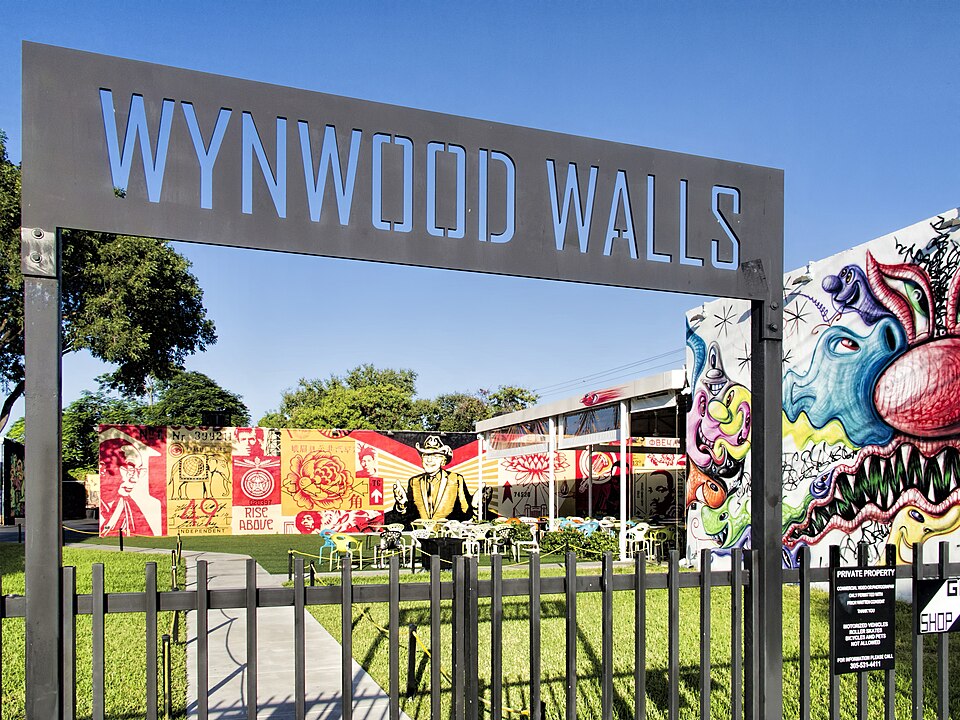
Wynwood Walls

Wynwood Walls

Wynwood

An outdoor street-art gallery founded in 2009 in a former warehouse district, where leading global street artists paint the walls of the halls. Murals have since spread for dozens of blocks around it, and Wynwood has become Miami's liveliest neighborhood, full of galleries, breweries and bars.

Tip: Wynwood Walls itself charges admission, but most of the murals are free on the surrounding streets, mainly on NW 2nd Avenue between 22nd and 29th streets. Visit in the morning for the best light and cooler temperatures. On the second Saturday of the month, Art Walk brings open galleries and street music.

Admission:
admission fee
Time needed:
2 h
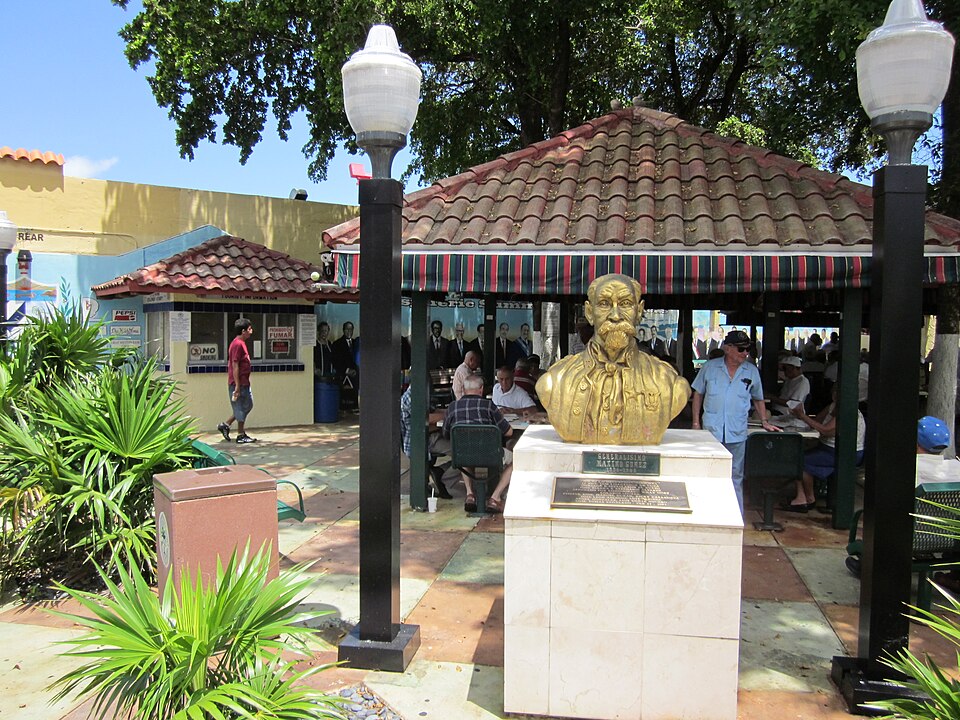
Little Havana and Calle Ocho

Little Havana and Calle Ocho

Little Havana

A neighborhood of Cuban exiles along 8th Street west of downtown, with ventanita windows serving coffee, hand-rolled cigars, Máximo Gómez Park where old men play dominoes, and a walk of fame honoring Latin American stars.

Tip: Restaurant Versailles has been a gathering place for the Cuban community and politicians since 1971; order your coffee at the walk-up window, not at a table. Viernes Culturales, Cultural Fridays, take place on the last Friday of the month with street music and dancing. Cigar shops will roll a cigar in front of you — they're not Cuban, but made from Cuban-seed tobacco grown in Nicaragua or the Dominican Republic.

Admission:
free
Time needed:
2 h
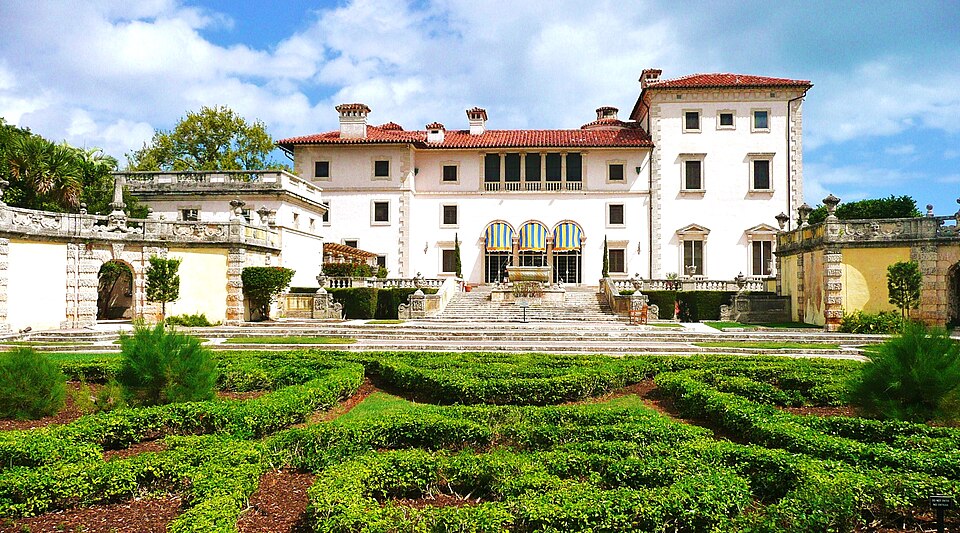
Vizcaya Museum and Gardens

Vizcaya Museum and Gardens

Coconut Grove

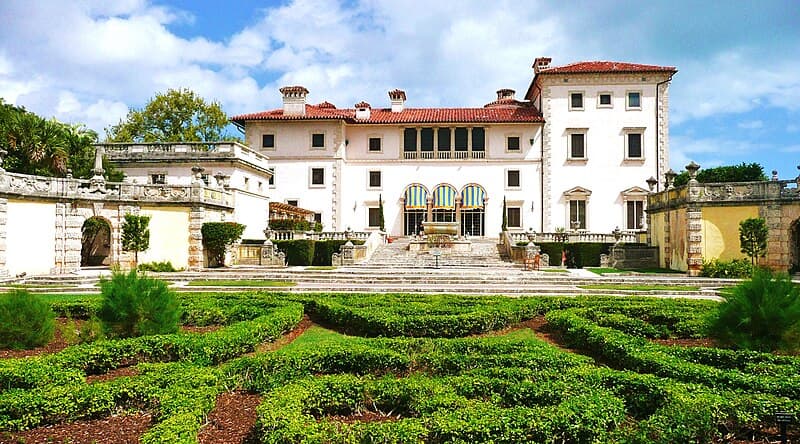
An Italian Renaissance-style villa built between 1914 and 1922 by industrialist James Deering on the shore of Biscayne Bay, with seventy rooms of European furniture and art and formal gardens with statues and pools. A stone barge-shaped pier extends from the waterfront terrace into the bay.

Tip: The gardens are more of an experience than the house itself; set aside at least an hour for them. Buy timed tickets online, and weekday mornings have the fewest crowds. The villa sits by the Vizcaya Metrorail station and pairs well with Coconut Grove, a twenty-minute walk away.

Admission:
admission fee
Time needed:
2.5 h
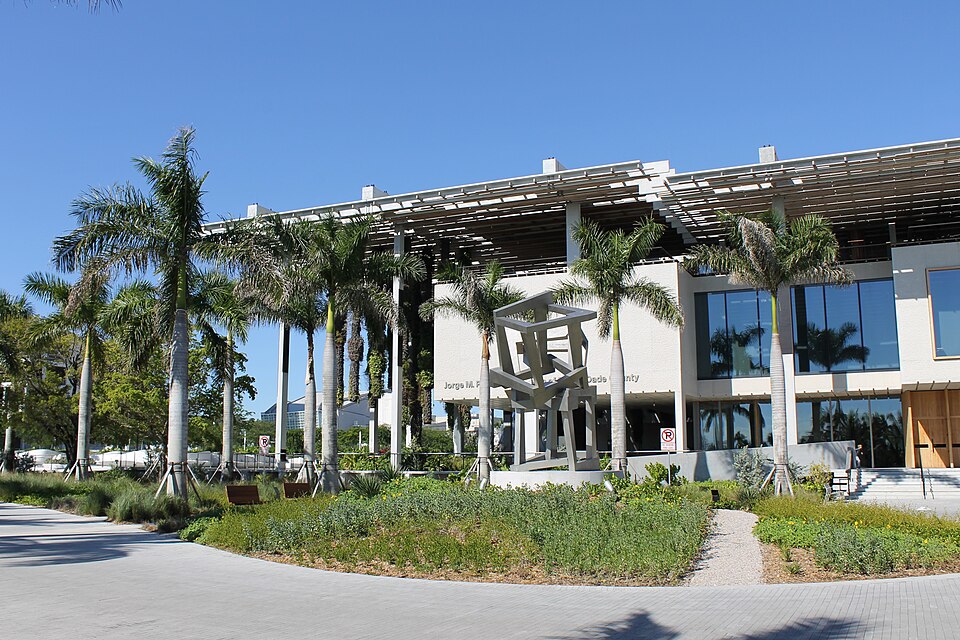
Pérez Art Museum Miami (PAMM)

Pérez Art Museum Miami (PAMM)

Downtown

A modern and contemporary art museum in a building designed by Swiss studio Herzog & de Meuron in 2013 on the bay shore, with vertical gardens hanging from the terrace ceiling. The collection focuses on Latin American and Caribbean art.

Tip: The terrace with hanging plants and rocking chairs overlooking the bay belongs to the museum restaurant and is the nicest spot in Downtown for coffee. Next door is Frost Science, with a planetarium and shark aquarium, good for a rainy afternoon with kids. Admission to PAMM is free on the second Saturday of the month.

Admission:
admission fee
Time needed:
2 h
Coral Gables and Venetian Pool

Coral Gables and Venetian Pool

Coral Gables

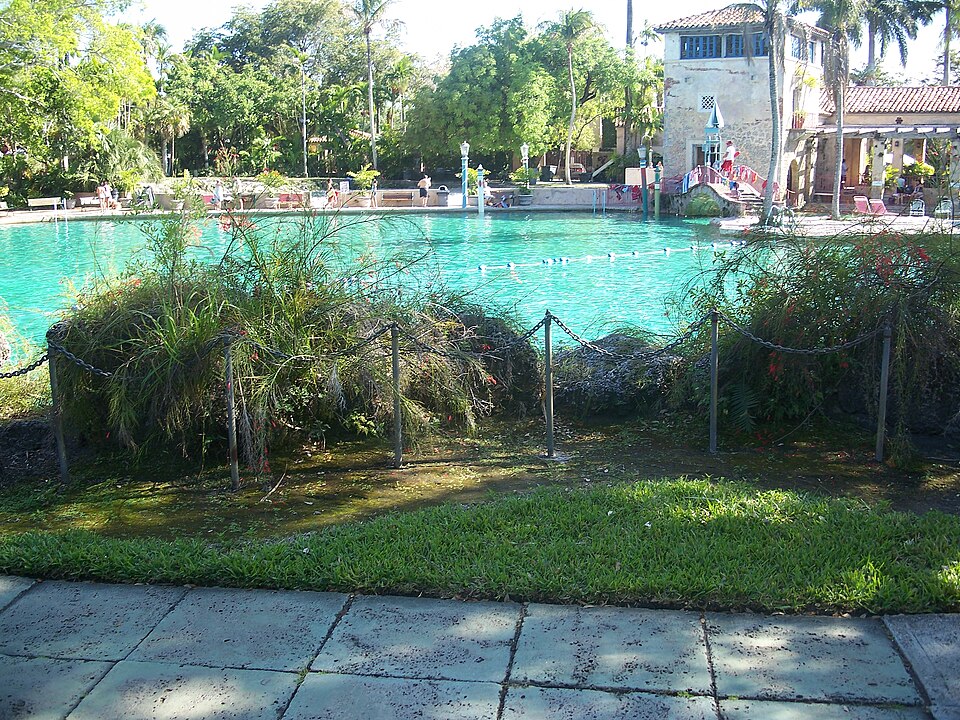
A planned 1920s neighborhood in Mediterranean style, with coral-stone facades, gates and green boulevards. Its gem is the Venetian Pool, a public swimming pool carved out of a former coral quarry, with grottoes, waterfalls and Venetian-style bridges, fed by spring water.

Tip: The pool is drained and refilled daily with fresh spring water, so it's cooler than the sea. Capacity is limited, and weekend tickets sell out online in summer. Nearby is the 1926 Biltmore Hotel with its giant pool and tower modeled on Seville's Giralda; you can enter the lobby for free.

Admission:
admission fee
Time needed:
3 h
Key Biscayne and Cape Florida

Key Biscayne and Cape Florida

Key Biscayne

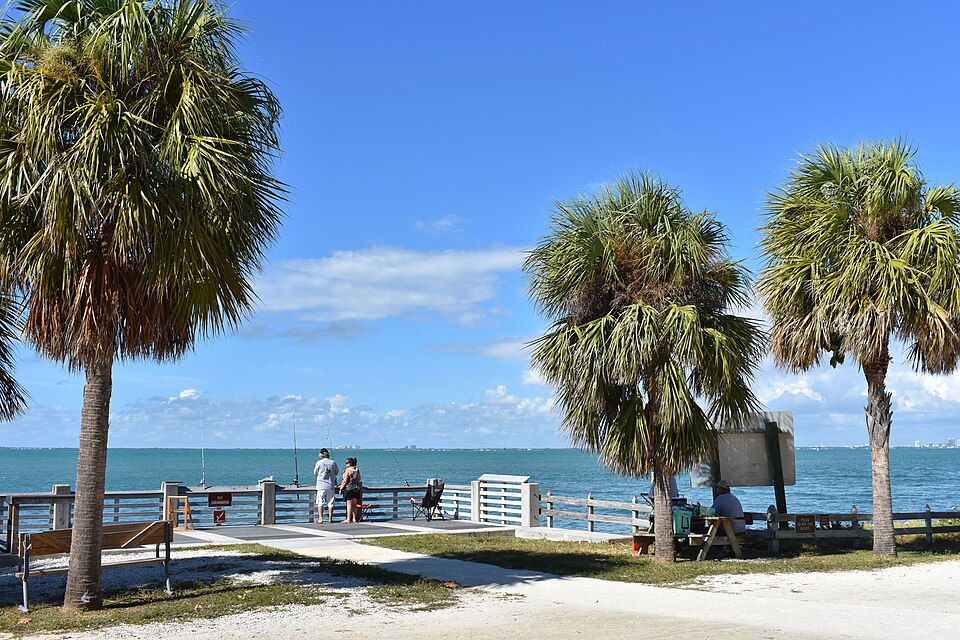
An island south of downtown across the Rickenbacker Causeway, home to Bill Baggs Cape Florida State Park with its 1825 lighthouse, the oldest building in Miami-Dade County, a palm-lined beach and views of the stilt houses of Stiltsville in the shallows of the bay.

Tip: This is Miami's calmest and most natural beach, free of hotels and with clean water. Entry to the park is charged per car. The lighthouse offers tours to the top Thursday through Monday, mornings and afternoons. The Rickenbacker Causeway bridge offers the best view of the Miami skyline across the water, with a dedicated bike lane.

Admission:
per-car admission
Time needed:
half day
Miami Design District

Miami Design District

Design District

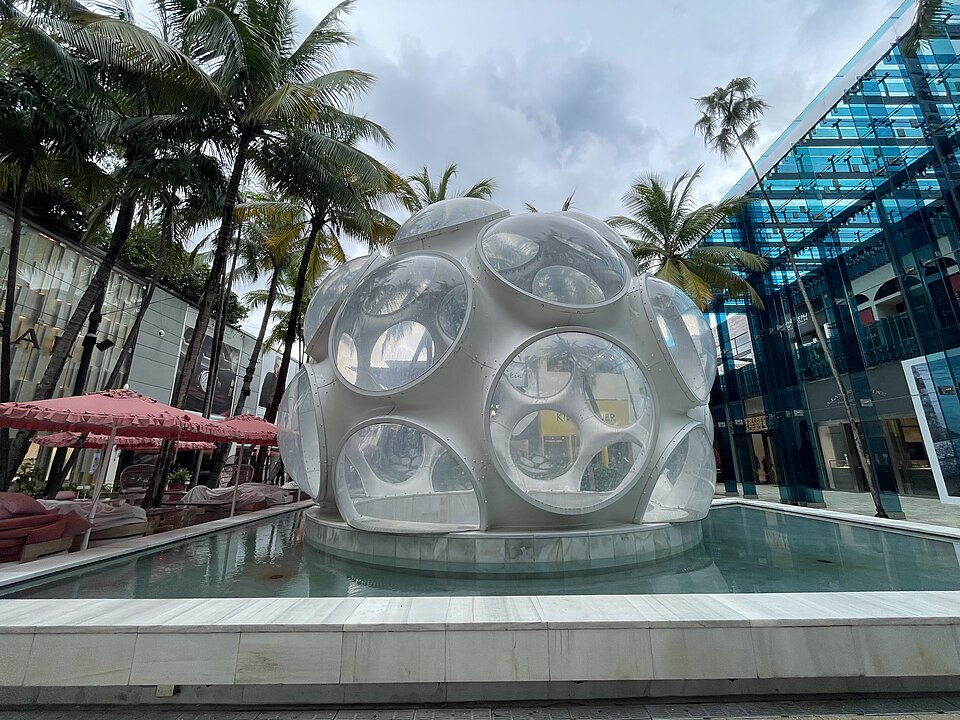
A luxury shopping district north of Wynwood, where fashion houses compete in facade architecture and public art is displayed between the stores. A dome by Buckminster Fuller stands beneath the pedestrian zone, and the parking garage features a facade by multiple artists.

Tip: Even non-shoppers can spend a free hour here admiring the architecture and installations. The Institute of Contemporary Art Miami (ICA Miami) is in the district with free admission after an online reservation. The Museum Garage parking structure, its facade assembled from five different architects' designs, is itself an attraction.

Admission:
free
Time needed:
1.5 h
Brickell and Bayfront Park

Brickell and Bayfront Park

Brickell and Downtown

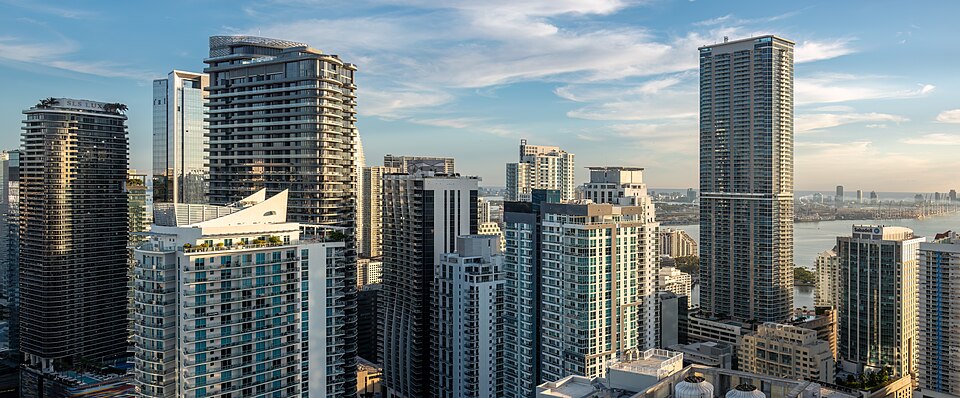
A financial district with the highest concentration of skyscrapers in the southern US, nicknamed the Manhattan of the South, adjoining the Downtown waterfront with Bayfront Park and the cruise ship terminal. The free Metromover train loops through both districts at third-floor height.

Tip: Metromover is free, and riding its loop is the cheapest way to view Miami's skyscrapers. Brickell City Centre has an open-air mall and rooftop bars overlooking the bay. Hourly sightseeing boats depart from Bayside Marketplace, cruising past the mansions on Star Island.

Admission:
free
Time needed:
2 h
Coconut Grove

Coconut Grove

Coconut Grove

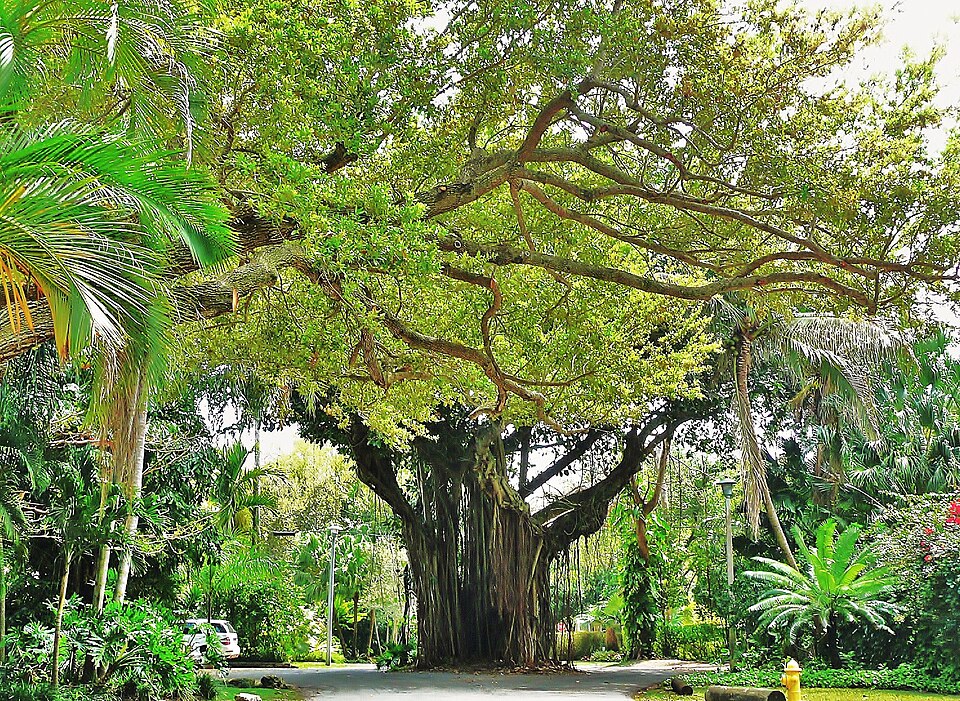
Miami's oldest neighborhood on the bay shore, settled before the city itself was founded, with shaded streets under banyan trees, yacht marinas and the relaxed atmosphere of a village. Peacock Park and the marina waterfront are popular with joggers and families.

Tip: This is the most pleasant place in Miami for a shaded walk. On Saturdays there's a farmers market with vegetarian food. From the Coconut Grove Metrorail station it's a fifteen-minute walk to the water, with Vizcaya as a possible stop along the way. Restaurants by the Dinner Key marina are ideal for watching the sunset over the bay.

Admission:
free
Time needed:
2 h

Photos: Wynwood Walls — Dan Lundberg (CC BY-SA 2.0) · Little Havana and Calle Ocho — Infrogmation of New Orleans (CC BY-SA 3.0) · Vizcaya Museum and Gardens — Averette (CC BY 3.0) · Pérez Art Museum Miami (PAMM) — Phillip Pessar (CC BY 2.0) · Coral Gables and Venetian Pool — Ebyabe (CC BY-SA 3.0) · Key Biscayne and Cape Florida — Tamanoeconomico (CC BY-SA 4.0) · Miami Design District — Ven-Lib (CC BY-SA 4.0) · Brickell and Bayfront Park — Rhododendrites (CC BY-SA 4.0) · Coconut Grove — Averette (CC BY 3.0)

Where to stay

Areas and districts, matched to the kind of trip you are taking

Brickell

Best for: modern hotels and nightlife

Skyscrapers with hotels, rooftop bars and restaurants, safe and clean streets, and both Metromover and Metrorail nearby. The best base for those who want to see mainland Miami and take day trips to the beach. Prices are high, but lower than in South Beach.

Downtown

Best for: museums and the cruise port

The city center, home to PAMM, Frost Science, the arena and the cruise port. Hotels are often on the bay with views and good transit connections. Away from the waterfront and Bayfront Park, though, it feels less pleasant at night, and some blocks north of Flagler Street are run down.

Wynwood and Edgewater

Best for: art, bars and a younger crowd

Wynwood is at its liveliest in the evenings and on weekends; there are few hotels, and it gets loud on weekend nights. Neighboring Edgewater on the bay has newer hotels and apartments with views, quieter, with Wynwood a fifteen-minute walk away.

Coral Gables and Coconut Grove

Best for: quiet and families

Green neighborhoods to the south with parks, historic hotels and restaurants, far from the bustle. Well suited for longer stays and families with children. Without a car, though, it's less convenient: the beach is a thirty-minute drive away.

Getting around

From the airport

Miami International Airport lies twelve kilometers west of downtown and is the most important hub for flights to Latin America and the Caribbean. From Prague, flights connect through London, Frankfurt, Madrid, Paris or Amsterdam, with a total journey time of twelve to fifteen hours. An ESTA authorization, costing forty dollars, is required before departure. Metrorail runs directly from the airport to Downtown and Brickell. Fort Lauderdale Airport, fifty kilometers to the north, often has cheaper fares and is connected to central Miami by the Brightline high-speed train. Miami is also the world's busiest cruise port, and anyone starting a Caribbean cruise typically flies in here.

Miami International Airport (MIA) · 12 km

  • Metrorail Orange Line to Downtown and Brickell· 20–30 min· 2.25 USD
  • Taxi to Downtown· 20–30 min· 30 USD
  • Uber / Lyft to Brickell· 20–30 min· 25 USD

Fort Lauderdale-Hollywood International (FLL) · 45 km

  • Shuttle bus + Brightline train to MiamiCentral· 50 min· 20 USD
  • Tri-Rail train with transfer· 1 h 30 min· 5 USD
  • Uber / Lyft to Miami· 40–70 min· 55 USD

Around town

Miami is a sprawling, car-dependent city, but downtown can be managed without one. Metrorail runs from the airport to Downtown and continues south through Brickell, Vizcaya and Coconut Grove to Dadeland. Metromover is a free elevated train loop around Downtown and Brickell. Wynwood, Little Havana and Miami Beach are reached by bus or Uber, with Miami Beach twenty minutes from Downtown. Trips to the Everglades and the Keys require a car. During rush hour, the I-95 highway and the causeways to the beach get congested, and parking in Brickell and Wynwood costs three to five dollars an hour.

MetrorailTwo lines running from the airport and from Hialeah through Downtown to Brickell, Coconut Grove and Dadeland. Pay by card or phone; transferring to a bus is free. · 2.25 USD
MetromoverA driverless elevated train running three loops around Downtown and Brickell, operating free of charge from five a.m. to midnight. · free
MetrobusRoute 120 Beach MAX runs from Downtown to Miami Beach, route 8 runs along Calle Ocho. Same fare as the Metrorail. · 2.25 USD
Trolley and FreebeeFree municipal buses in Coral Gables, Coconut Grove, Little Havana and Wynwood, plus Freebee, an app-hailed electric shuttle. · free
Citi Bike and UberBike share in Downtown, Brickell and Miami Beach, with Uber and Lyft available everywhere. Uber is often the fastest way to move between neighborhoods. · 15 USD short ride

Useful apps: GO Miami-Dade Transit, Freebee, Uber, Lyft, Citi Bike, ParkMobile

When to go

High season runs from December to April: dry, around twenty-five degrees and low humidity, but also the highest prices, especially at Christmas, during Art Basel in early December and spring break in March. May and November are a good compromise, with warm seas and lower prices. From June to October it's hot, over thirty degrees with suffocating humidity, and a heavy storm rolls through almost every afternoon, though the sun returns within the hour. Hurricane season runs from June to November, peaking in August and September; hurricanes arrive with several days' warning, and travel insurance should include weather-related trip cancellation.

Best time

December to April

What to avoid

August to October due to heat, storms and hurricanes

MonthJanFebMarAprMayJunJulAugSepOctNovDec
Day25°26°27°29°30°32°33°33°32°30°28°26°
Night17°18°20°21°24°25°26°26°25°24°21°18°
Rainy days656610151617161286
Sea24°24°25°26°28°29°30°30°30°28°27°25°

Food & drink

Miami's cuisine is Latin American and Caribbean: Cuban sandwiches and coffee, Peruvian ceviche, Venezuelan arepas, Colombian empanadas, Haitian griot and Nicaraguan fritanga. The best and cheapest food is in Little Havana, Hialeah and around Doral, where cooking is done for locals. Brickell and the Design District have restaurants recognized by Michelin inspectors, with prices on par with New York. Locals drink coffee all day from a ventanita window, which also serves as a spot to gossip and debate politics. Many places add a service charge automatically — check the bill before adding a tip.

What to try

Pan con lechón

Cuban bread with roast pork marinated in mojo made from orange, garlic and onion. A cheaper, more casual cousin of the cubano sandwich, popular in Little Havana; a window costs about ten dollars.

Colada

Strong, sweet Cuban coffee in a plastic cup with several small shot cups, meant to be shared with coworkers. It costs around two dollars and is the cheapest treat you can buy a whole group in Miami.

Arepas

Corn cakes from Venezuela and Colombia, split open and filled with pulled meat, cheese, avocado or beans. In Doral, home to the largest Venezuelan community in the US, they cost six to nine dollars.

Ceviche and tiradito

Raw fish marinated in lime with chili and onion, served with corn and sweet potato. Peruvian restaurants are on every corner in Miami, and the best ceviche is ordered at lunch, not dinner.

Frita cubana

A Cuban burger of beef and pork with paprika, served in a white bun topped with fried shoestring potatoes. It originated in Little Havana in the 1960s and costs around eight dollars.

Stone crab at Joe's

Stone crab claws served with mustard sauce; the famous Joe's is on Miami Beach, but during the October-to-May season restaurants across the city serve them too. A portion costs sixty dollars and up, depending on claw size.

Mango and tropical fruit

Miami and its surroundings grow mango, papaya, avocado and exotic fruit like mamey. The Robert Is Here fruit stand on the way to the Everglades has been selling fresh fruit shakes since 1959.

Pastelitos de guayaba

Puff pastry filled with guava, or guava and cheese, bought alongside morning coffee at a Cuban bakery. Two pieces cost two dollars and make the cheapest breakfast in the city.

What it costs

Cuban coffee from a window

1–3 USD

Sandwich in Little Havana

9–14 USD

Dinner in Brickell

50–90 USD per person

Cocktail at a rooftop bar

18–24 USD

Metrorail ride

2.25 USD

Vizcaya admission

from 25 USD

Airboat ride in the Everglades

from 35 USD

Night in a 4-star hotel in Brickell

200–380 USD + tax

Indicative prices that change over time — treat them as a guide, not a price list.

Practical information

SocketsAtwo flat pins (US/JP)Btwo flat pins plus ground (US)
Voltage120V / 60Hz
Tap waterTap water is drinkable — Tap water is safe to drink in the United States and comes free with ice at restaurants — just ask for "tap water." Buying bottled water is unnecessary and pricey — a bottle at a store costs two to three dollars, five near an attraction. It's worth carrying a reusable bottle; airports and parks have refill stations. Ice is everywhere, and drinks are served noticeably colder than is typical in Europe.
TippingTipping isn't optional — it's part of a server's wage. At a restaurant with table service, tip eighteen to twenty percent of the pre-tax total; at a bar, a dollar per drink; taxi and rideshare drivers fifteen percent; housekeeping three to five dollars per night; porters two dollars per bag. Payment terminals usually offer percentage buttons — watch out, they sometimes calculate from the total including tax. Miami adds a seven percent sales tax to prices, often nine percent at restaurants and thirteen percent at hotels; many restaurants also add an automatic eighteen percent service charge, especially for larger tables.
Driving on theright
SafetyTourist areas of major American cities are safe during the day and policing is visible, but the line between a good and a bad neighborhood can be sharp and just a few blocks wide. Check your accommodation's address on a map beforehand. Never leave visible belongings in a car. A crucial budget item is health insurance: an ER visit without insurance costs thousands of dollars, an ambulance ride over a thousand, and US hospitals require payment upfront — high-limit travel insurance is an absolute necessity here. The emergency number is 911.
Opening hoursShops are open from ten to nine, including Sundays; supermarkets and pharmacies like CVS or Walgreens are often open around the clock. Restaurants serve breakfast from six, lunch from eleven, and dinner early — many kitchens close by nine p.m. Bars check ID for anyone who looks under forty and won't serve you without a passport; a copy isn't enough. Drinking alcohol in public, on the beach or in a car is prohibited.
Customs & etiquetteStaff friendliness is a professional standard, not an invitation to friendship. Queuing is respected, and personal space is larger than in Europe. Haggling only happens over cars and at flea markets, never elsewhere. Smoking is banned in practically all indoor spaces and on many beaches. Questions about salary and politics aren't raised with strangers. Spanish is a common language in shops, offices and restaurants in Miami, and a simple "hola" and "gracias" is appreciated. Locals hold strong opinions about Cuba and Venezuelan politics, so it's not a topic for casual conversation.
A few local wordsGreeting — Hi / Good morningThanks — Thank youAsking for the bill — Check, pleaseDeclining help while browsing — Just looking, thanksAsking the price including tax — How much is it with tax?Asking for tap water — Tap water, please

How to plan your days

1 day

A day in mainland Miami

  1. 1Morning: Cuban coffee and pastelitos in Little Havana.
  2. 2Walk along Calle Ocho and watch dominoes at Máximo Gómez Park.
  3. 3Lunch, then an afternoon among the murals of Wynwood.
  4. 4Early evening: ride the Metromover loop through Downtown and Brickell.
  5. 5Evening: rooftop bar in Brickell.

2 days

Two days with a villa and the bay

  1. 1Day one as above.
  2. 2Morning at Vizcaya and its gardens.
  3. 3Walk to Coconut Grove for lunch by the marina.
  4. 4Afternoon swim at the Venetian Pool in Coral Gables.
  5. 5Dinner in Coral Gables on Miracle Mile.

3 days

Three days with a beach

  1. 1Days one and two as above.
  2. 2Morning at Key Biscayne, the beach and the Cape Florida lighthouse.
  3. 3Afternoon at PAMM and the bayside terrace.
  4. 4Early evening: bus over to Miami Beach and Ocean Drive.
  5. 5Evening in the Design District or Wynwood.

Day trips

Everglades via Shark Valley

70 km · 1 h by car along the Tamiami Trail

Enter the national park from the north along the old Tamiami Trail road. At Shark Valley, a twenty-four-kilometer paved trail runs along the edge of the wetlands to an observation tower, and can be covered by rented bike or by a ranger-led tram. Alligators lie right beside the path. Airboats operate outside the park on private land along the road.

Florida Keys to Islamorada

120 km · 1 h 45 min by car

Islamorada, a fishing village in the middle of a chain of islands, works better as a day trip than the more distant Key West. Visitors come here for sport fishing, snorkeling on the reefs and feeding giant tarpon at Robbie's marina. The Robert Is Here fruit stand in Homestead is worth a stop along the way.

Fort Lauderdale

45 km · 30 min by Brightline train

A city of canals with more than two hundred sixty kilometers of waterways, plied by water taxis between mansions and yachts, plus a long beach promenade. It's calmer and cheaper than Miami Beach and more family-friendly. The Brightline high-speed train runs from MiamiCentral in Downtown every hour.

Frequently asked questions

Where should I stay: Miami or Miami Beach?+

If you want beach and nightlife, stay on Miami Beach. If you want to experience the city, its food and culture, and just visit the beach on day trips, stay in Brickell or Downtown, where hotels are more modern and somewhat cheaper. The bridges between the two cities take about twenty minutes to cross.

Will I get by with English in Miami?+

English works everywhere, but Spanish is the first language in many neighborhoods, and some older residents in Little Havana or Hialeah don't speak much English. Shop and office signage is often bilingual. Speaking Spanish is a real advantage in Miami.

When is hurricane season?+

From June to November, with most storms arriving in August, September and early October. A direct hit on Miami is rare, and hurricanes are announced several days in advance. If you travel during this period, watch the forecast and get travel insurance that covers trip cancellation.

Do I need a car in Miami?+

Not for downtown, Brickell, Little Havana and Wynwood — those are covered by Metrorail, the free Metromover, trolleys and Uber. For the Everglades, the Keys and Key Biscayne you'll need a car. Hotel parking costs thirty to fifty dollars a night, so rent one only for the days you take trips.

Is Miami safe?+

Tourist areas like Brickell, Downtown by the bay, Coconut Grove, Coral Gables and Wynwood are safe day and night. Caution is warranted in Overtown and Liberty City north of downtown. In Wynwood, avoid empty streets away from the main bar blocks after midnight.

What's the difference between Wynwood Walls and the murals around it?+

Wynwood Walls is a fenced area with curated works by famous artists, and there's an admission fee. The surrounding streets are full of murals that are free to see and change more often. For a first visit, walking the surrounding blocks is enough; go inside the compound if you're after specific names.

Is a day trip to Key West worth it?+

Key West is two hundred sixty kilometers and almost a four-hour drive along the Overseas Highway, so a day trip means eight hours in the car. It's better to stay overnight or just visit Islamorada or Key Largo instead. Short flights from Miami to Key West also take under an hour.

What is Art Basel Miami Beach?+

A contemporary art fair in early December, the largest in the Americas, when the whole of Miami comes alive for a week with exhibitions, parties and installations, including in Wynwood and the Design District. Hotel prices double or triple that week and restaurants are packed, so if you're not here for the art, it's best to skip that week.

Visa Requirements

Check the latest visa requirements for entering this country. Some nationalities may need to apply for a visa or e-visa before travel.

Check visa requirements

Language

English

Currency

USD

Timezone

GMT-5

Dial Code

+1

Population

335M

Area

9,833,520 km²

Voltage

120V / 60Hz

Driving Side

Right

Top Hotels in Miami

Live prices from 500+ properties

Loading hotels...

Planning a trip to Miami?

Compare hundreds of hotels, find the best price, and book with free cancellation on TravelManiac.