Hotels in Naples

Wood-fired pizza, baroque churches above a Greek underground, and Vesuvius across the bay

Naples

LanguageEnglish
CurrencyEUR
TimezoneGMT+1
Temperature10-30 °C
Dial Code+39
Population59M
Area301,340 km²
SocketsType C / Type F / Type L
Tap waterDrinkable

Discover Naples

Naples is Italy's third-largest city and its liveliest, loudest, and most passionate. It sits in a bay beneath Vesuvius, founded by the Greeks as Neapolis, the New City, and its historic centre — one of the largest in Europe — is UNESCO-listed, with the Greek street grid surviving for two and a half thousand years. Above an underground world of Greek cisterns, Roman marketplaces, and early Christian catacombs stand the baroque churches, palaces, and monasteries of the Spanish and the Bourbons. The National Archaeological Museum holds treasures from Pompeii and Herculaneum, and the Sansevero Chapel houses the marble Veiled Christ, a statue so lifelike you struggle to believe the veil is carved from stone. In the lanes of Spaccanapoli, nativity-scene figurines are sold, laundry hangs from balconies, and shrines to Diego Maradona line the walls. And then there's the pizza — Neapolitan margherita is inscribed on UNESCO's list of intangible heritage, and nowhere else in the world tastes quite like it. Naples is chaotic and not for everyone, but it's cheap, authentic, and the best base for Pompeii, Vesuvius, Capri, and the Amalfi Coast.

What to see

The places worth your time in Naples, and what to expect at each

Spaccanapoli and the historic centre

Spaccanapoli and the historic centre

Spaccanapoli

Centro Storico

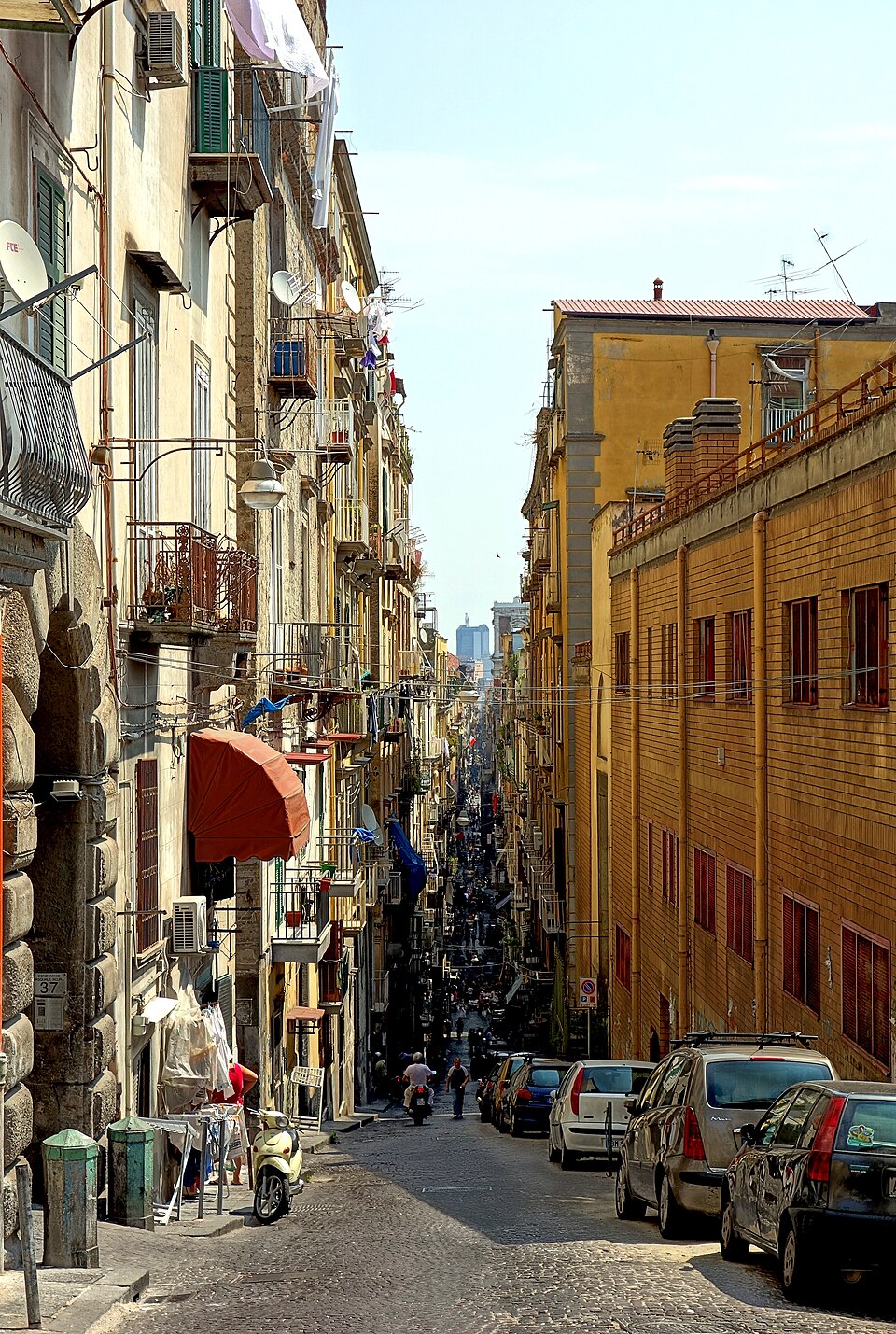
A narrow, straight street that splits the historic centre of Naples in two, a remnant of the ancient Greek decumanus. Around it stand the churches of Gesù Nuovo and Santa Chiara with its majolica-tiled cloister, small squares, bakeries, and shops. The parallel Via dei Tribunali is the main street of pizzerias.

Tip: The Santa Chiara cloister, with benches and columns covered in painted majolica tiles, is the calmest spot downtown, and admission is small. The façade of Gesù Nuovo is faced in diamond-cut stone blocks. The lane of San Gregorio Armeno is filled year-round with nativity-scene craftsmen — figurines of politicians and footballers alongside saints. Mornings are quieter downtown; by midday scooters crowd the streets.

Admission:
free, Santa Chiara cloister around 7 €
Time needed:
2–3 h
National Archaeological Museum

National Archaeological Museum

Museo Archeologico Nazionale

Centro Storico

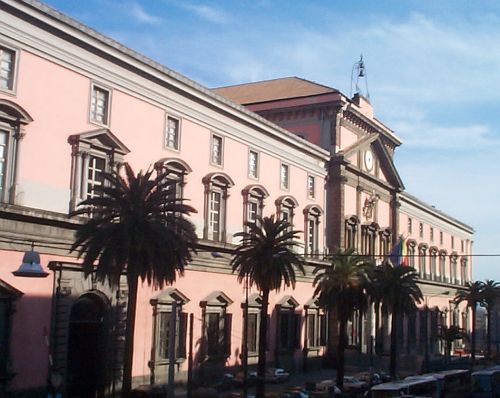
One of the world's most important archaeological museums, holding treasures from Pompeii and Herculaneum — frescoes, mosaics including the Alexander Mosaic from the House of the Faun, bronzes, and statues. The Farnese Collection includes the giant Farnese Bull and Hercules. The Secret Cabinet displays erotic art from Pompeii.

Tip: Visit either before or after Pompeii — it'll show you what's missing from the ruins, since the most valuable finds ended up here. Allow three hours. The Alexander Mosaic is on the first floor. The Secret Cabinet is open to adults. Closed on Tuesdays. Museo metro station is right at the entrance.

Admission:
around 22 €
Time needed:
3 h
Sansevero Chapel and the Veiled Christ

Sansevero Chapel and the Veiled Christ

Cappella Sansevero

Centro Storico

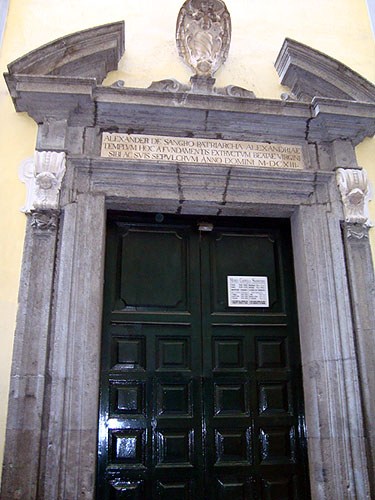
A small baroque chapel with the marble statue of the Veiled Christ by Giuseppe Sanmartino from 1753 — the translucent veil draped over the body is carved from a single block of marble, and for a long time people believed it was stone transformed by alchemy. The crypt holds two anatomical skeletons with veins.

Tip: Timed tickets sell out days ahead — book online. Photography isn't allowed. Inside are some thirty other sculptures, including Disillusion with its carved stone net. The chapel is small, and a visit takes thirty minutes. It sits down a lane off Spaccanapoli and is easy to miss.

Admission:
around 10 €
Time needed:
30 min
Underground Naples

Underground Naples

Napoli Sotterranea

Centro Storico

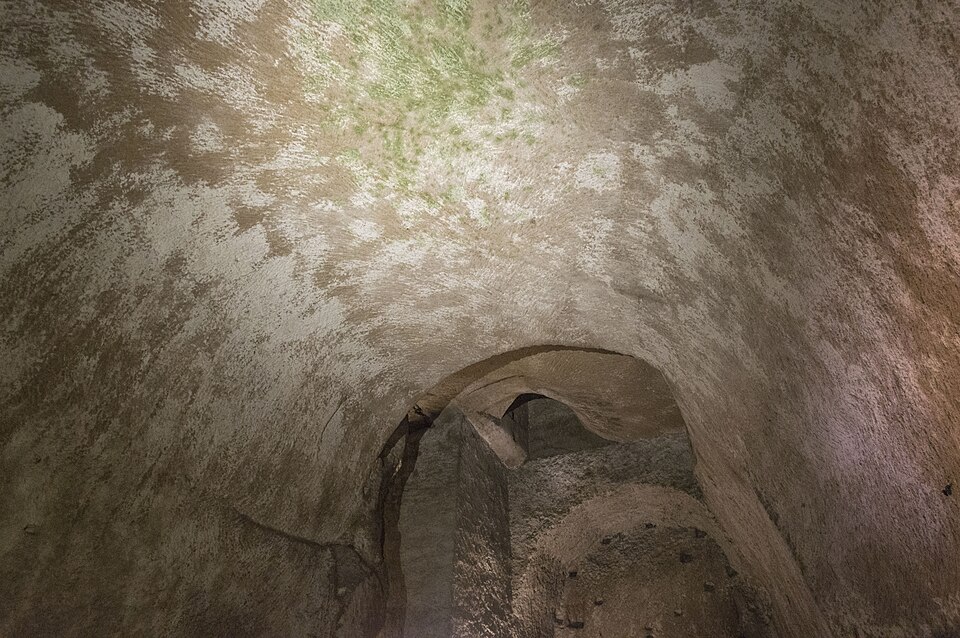
A network of tunnels, cisterns, and passages forty metres beneath the historic centre, carved into the tufa by the Greeks two and a half thousand years ago. The Romans expanded it into an aqueduct, and it served as an air-raid shelter during the war. Beneath one house lie the remains of a Roman theatre where Nero once performed.

Tip: Guided tours start at Piazza San Gaetano and last ninety minutes. Part of the route runs through narrow passages by candlelight — those with claustrophobia can skip that section. It stays a constant seventeen degrees down there, pleasant in summer. A rival tour, Galleria Borbonica, shows a Bourbon-era tunnel with wartime cars.

Admission:
around 15 €
Time needed:
1.5 h
Castel dell'Ovo and the waterfront

Castel dell'Ovo and the waterfront

Castel dell'Ovo

Santa Lucia

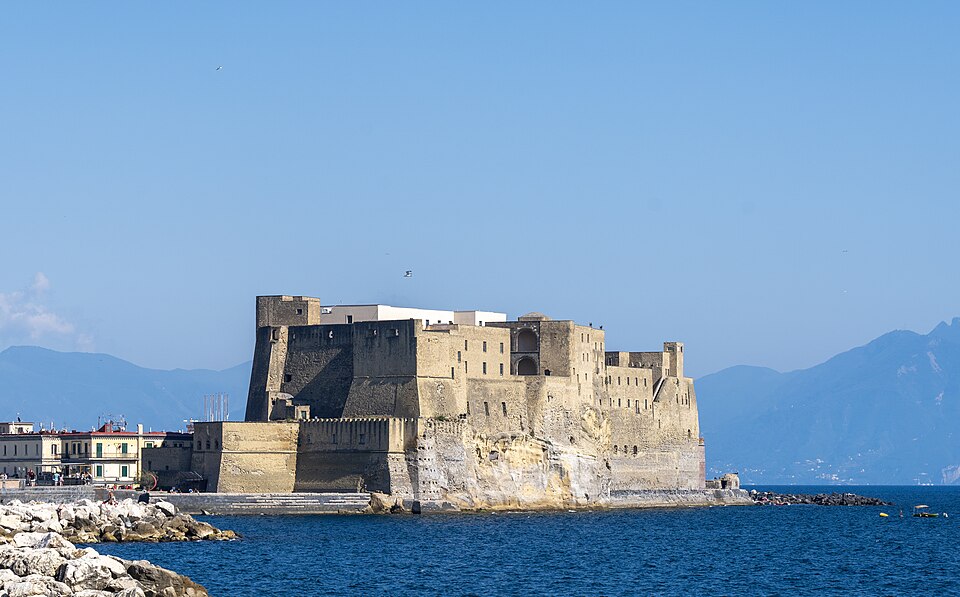
The oldest castle in Naples, on the small island of Megaride, connected to the shore by a causeway. Legend says the poet Virgil hid an egg in its foundations, and if it ever breaks, Naples will fall. Beside the castle is the fishing harbour of Borgo Marinari, lined with restaurants.

Tip: The castle is free, and its terraces offer views of Vesuvius, the bay, and Capri. The waterfront walk along Via Caracciolo and the Lungomare, from the castle to Villa Comunale park, is the prettiest stroll in Naples, and in the evening the whole city turns out for it. Pizzerias and seafood restaurants in Borgo Marinari are pricier but come with a view.

Admission:
free
Time needed:
1 h
Piazza del Plebiscito and the Royal Palace

Piazza del Plebiscito and the Royal Palace

Piazza del Plebiscito e Palazzo Reale

San Ferdinando

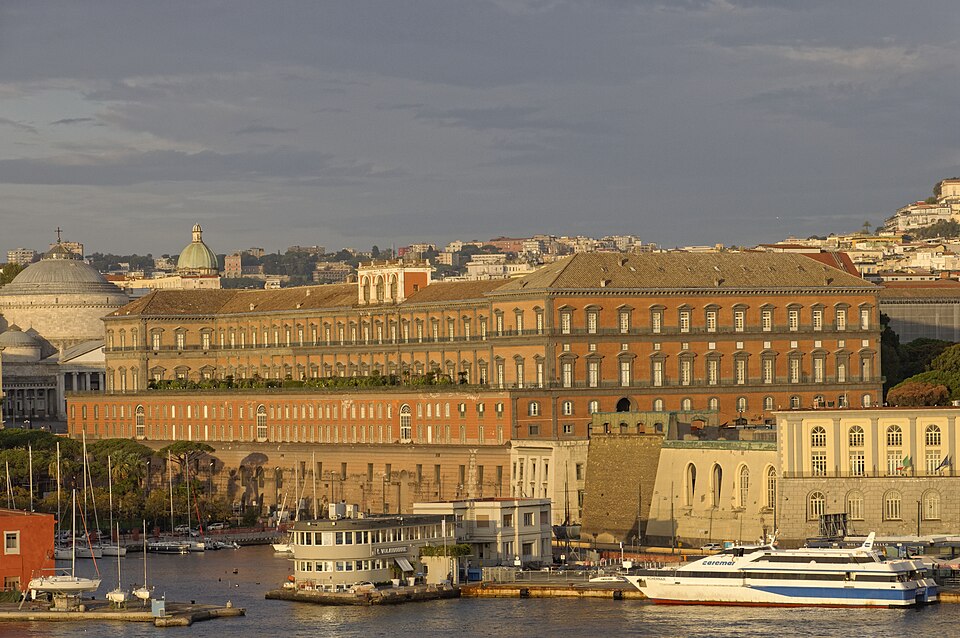
Naples's largest square, with a semicircular colonnade and the basilica of San Francesco di Paola modelled on the Pantheon. On one side stands the Bourbon Royal Palace with its state rooms and theatre; on the other, the Galleria Umberto I, a glass-roofed arcade from 1890.

Tip: The throne room and the grand staircase are the palace's finest features. Right next door is Teatro di San Carlo, the oldest continuously operating opera house in the world, dating to 1737, with daytime tours. Across the square is the legendary Gambrinus café, where espresso is drunk standing up and a caffè sospeso — a coffee paid forward for someone in need — can be left behind. A local game on the square: walk blindfolded between the two horse statues.

Admission:
square free, palace around 10 €
Time needed:
1.5 h
Catacombs of San Gennaro

Catacombs of San Gennaro

Catacombe di San Gennaro

Sanità

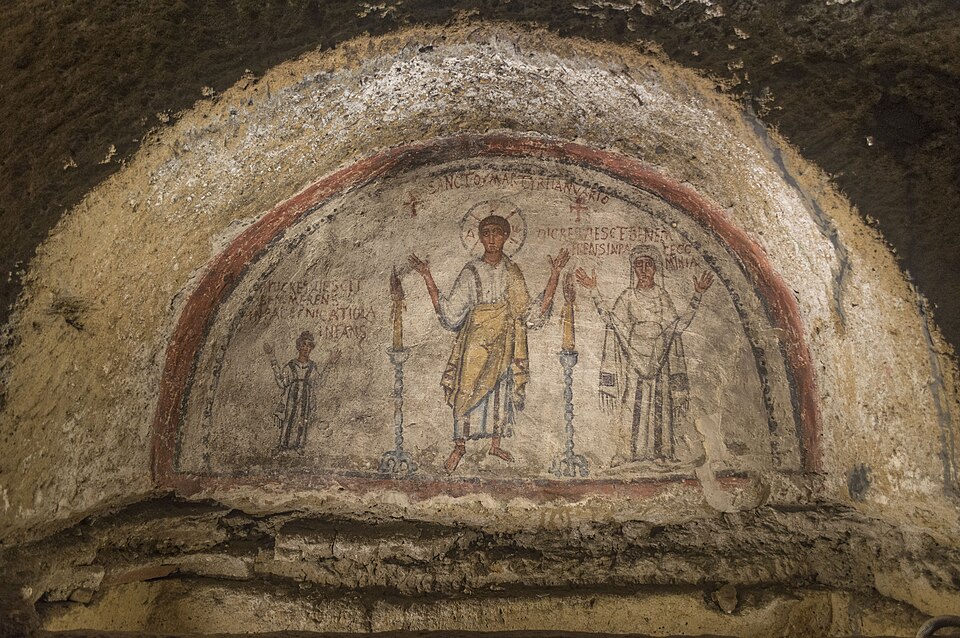
Early Christian catacombs from the second century, spread over two levels with frescoes, bishops' tombs, and a basilica carved into the tufa. They served as the burial site of San Gennaro, patron saint of Naples. They lie in the Sanità district.

Tip: The guided tour takes an hour, and the ticket also covers the Catacombs of San Gaudioso. The catacombs are run by a cooperative of young people from the Sanità district, with proceeds going back to the neighbourhood. Sanità is an authentic working-class district, birthplace of the actor Totò; try the pizza fritta at Concettina ai Tre Santi. It's a short walk from the catacombs to Capodimonte.

Admission:
around 11 €
Time needed:
1 h
Castel Sant'Elmo and Vomero

Castel Sant'Elmo and Vomero

Castel Sant'Elmo

Vomero

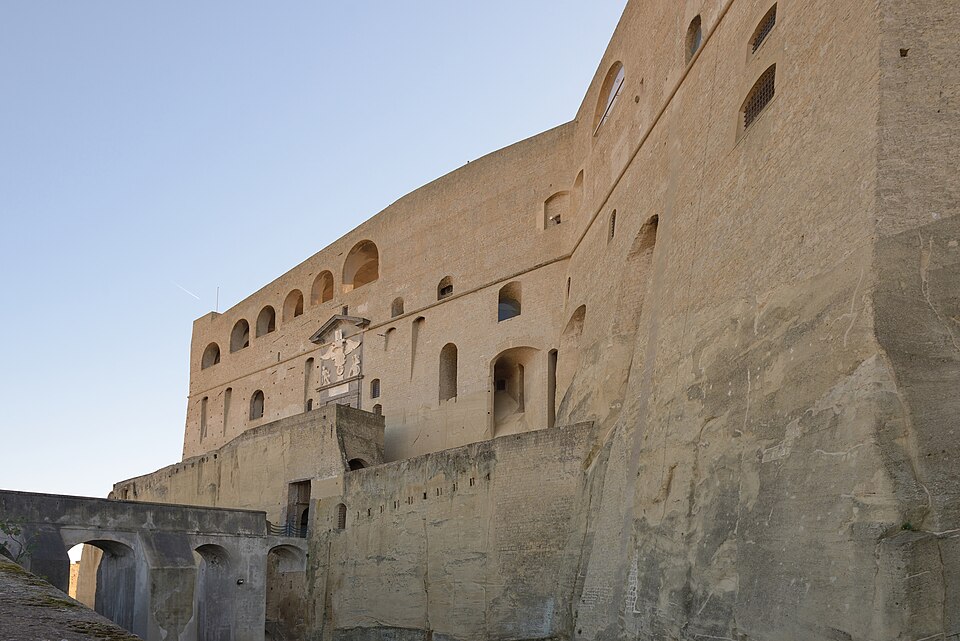
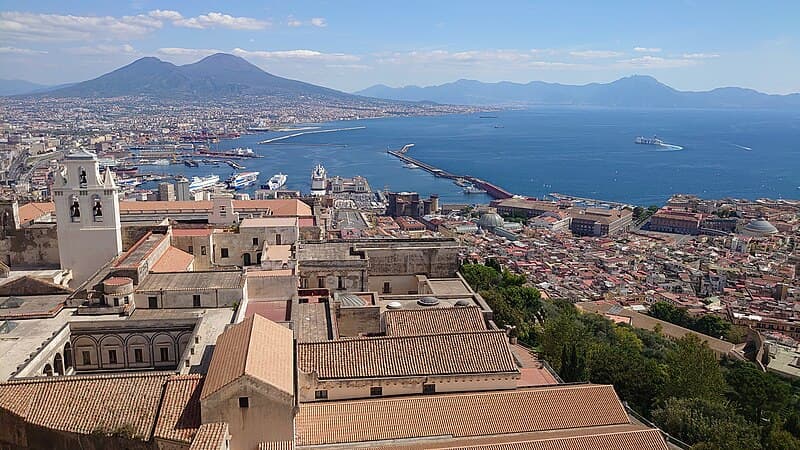
A star-shaped sixteenth-century fortress on Vomero hill, offering the best views over all of Naples, the bay, Vesuvius, and the islands. Right next door stands the Certosa di San Martino monastery, with its nativity-scene museum and baroque church.

Tip: Go up by the Funicolare cable railway from Via Toledo or Montesanto, then walk down the Pedamentina steps — four hundred and fourteen steps with views over the historic centre. The Certosa holds the finest collection of Neapolitan nativity scenes. Vomero is a calm district with shops and cafés.

Admission:
around 5 €
Time needed:
1.5 h
Museo di Capodimonte

Museo di Capodimonte

Capodimonte

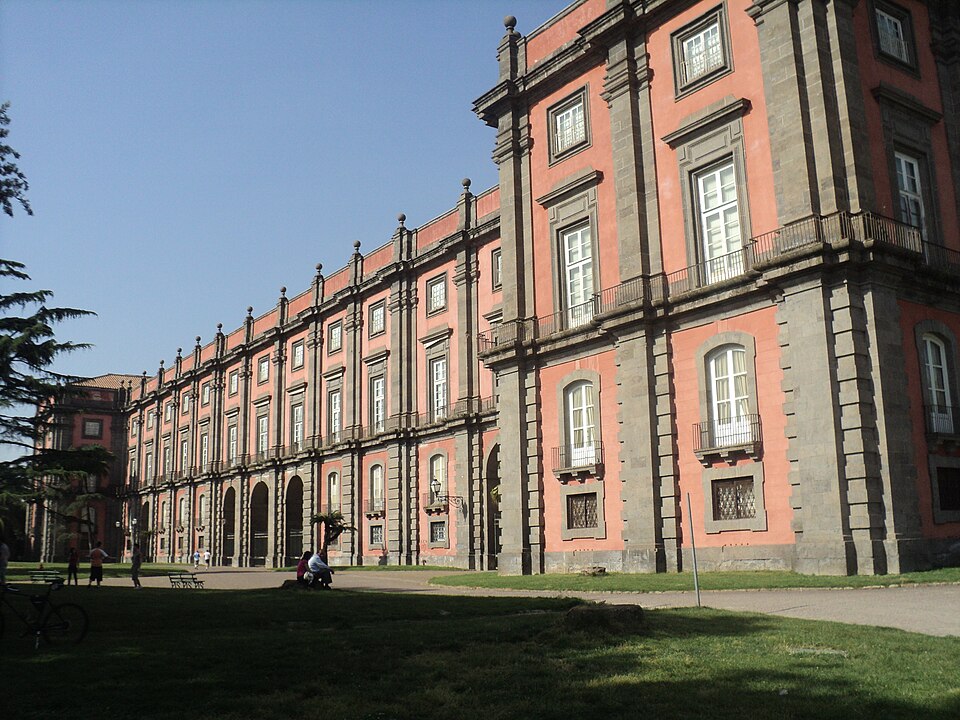
A former Bourbon hunting palace set in a hilltop park above the city, home to one of Italy's largest picture collections: Caravaggio, Titian, Botticelli, Raphael, Masaccio, and the Farnese Collection. The Bosco di Capodimonte park is the largest green space in Naples.

Tip: The museum is nearly empty compared to the galleries of Florence — you'll often have Caravaggio's Flagellation of Christ almost to yourself. Allow two to three hours. The park is free and good for a picnic. A bus runs from Piazza Museo. Closed on Wednesdays.

Admission:
around 15 €
Time needed:
2–3 h

Photos: Spaccanapoli and the historic centre — Velvet (CC BY-SA 3.0) · National Archaeological Museum — Jeffmatt at English Wikipedia (Public domain) · Sansevero Chapel and the Veiled Christ — Hohenloh at English Wikipedia (Public domain) · Underground Naples — Dominik Matus (CC BY-SA 4.0) · Castel dell'Ovo and the waterfront — PaestumPaestum (CC BY-SA 4.0) · Piazza del Plebiscito and the Royal Palace — © Ra Boe / Wikipedia (CC BY-SA 3.0 de) · Catacombs of San Gennaro — Dominik Matus (CC BY-SA 4.0) · Castel Sant'Elmo and Vomero — This Photo was taken by Wolfgang Moroder. Feel free to use my photos, but please mention me as the author and send me (CC BY-SA 3.0) · Museo di Capodimonte — IlSistemone (CC BY-SA 3.0)

Where to stay

Areas and districts, matched to the kind of trip you are taking

Centro Storico

Best for: atmosphere, pizza

Hotels and B&Bs in historic palazzi around Spaccanapoli and Via dei Tribunali, within walking distance of the museums and the best pizzerias. Noise and chaos come with the territory. Best for a short stay.

Chiaia and Lungomare

Best for: elegance, sea views

The most elegant district, with boutiques, bars, and seafront hotels overlooking Vesuvius. Calmer and safer, ten minutes by metro from downtown. Ideal for couples.

Toledo and Quartieri Spagnoli

Best for: central location, transport

Hotels along the main Via Toledo and in the Spanish Quarter, with narrow lanes and a mural of Maradona. Close to the metro and funiculars. The Spanish Quarter is now safe and full of bars.

Around Garibaldi station

Best for: transport, budget

Cheap hotels near the main station, with trains to Pompeii and Sorrento and high-speed trains to Rome. Convenient, but the surroundings are the least pleasant in Naples — stay alert in the evening.

Getting around

From the airport

Direct low-cost flights connect Prague to Naples in under two hours. Italy is in the Schengen area, so Czech citizens travel with an ID card. Capodichino Airport is just seven kilometres from downtown. The Frecciarossa high-speed train runs from Napoli Centrale station to Rome in an hour and ten minutes. Ferries to Capri, Ischia, and Procida depart from the port of Molo Beverello.

Naples Capodichino (NAP) · 7 km

  • Alibus to downtown and the port· 20–30 min· 5 €
  • Taxi (fixed fare)· 20 min· 21–25 €

Around town

The historic centre is best explored on foot, but watch for scooters, which use the pavements too. Metro Line 1 has artfully designed stations, including Toledo, one of the most beautiful metro stations in Europe. Four funicular railways climb to Vomero. ANM buses are unreliable. Trains to Pompeii, Herculaneum, and Sorrento run on the Circumvesuviana line from Garibaldi station — cheap but crowded, with old carriages; in summer the more comfortable Campania Express also runs. Taxis charge fixed fares on the main routes.

Metro, funiculars, buses90-minute UnicoNapoli ticket. · 1.80 €
Circumvesuviana to PompeiiFrom Garibaldi station. · around 3.50 €
Ferry to CapriFrom Molo Beverello. · from 25 €
TaxiFixed fares on main routes. · 12 €

Useful apps: Google Maps, Moovit, UnicoCampania, itTaxi, Trenitalia

When to go

The best time to visit is April to June and September to October, when temperatures sit around twenty to twenty-eight degrees and the sea is warm. Summer is hot, over thirty degrees in July and August, making shadeless Pompeii exhausting and Capri overcrowded. Winter is mild but rainy, with fewer tourists and lower prices. The Feast of San Gennaro on September 19, when his blood is said to liquefy in the cathedral, is a major event. At Christmas, San Gregorio Armeno fills with nativity-scene stalls.

Best time

April–June, September–October

What to avoid

July–August because of the heat

MonthJanFebMarAprMayJunJulAugSepOctNovDec
Day13°14°16°19°24°28°31°31°27°23°18°14°
Night5°5°7°10°13°17°20°20°17°13°9°6°
Rainy days98885323581010
Sea15°14°14°15°18°22°25°26°24°22°19°16°

Food & drink

Naples is the birthplace of pizza and street food. Pizza is eaten at legendary pizzerias on Via dei Tribunali and at Da Michele, which serves only two varieties and draws a queue onto the street — a margherita costs five to eight euros. Fried street food — cuoppo, pizza fritta, and pasta fritters called frittatina — forms the second pillar. Coffee here is the strongest in Italy, drunk standing at the bar. Sweet sfogliatelle and babà are essential. Meals are paired with wine from Campania: white Falanghina and Greco di Tufo, red Aglianico. Naples is one of the cheapest major cities in Italy.

What to try

Pizza napoletana

A soft pizza with a puffy crust, baked for ninety seconds in a wood-fired oven. A margherita or marinara at the most famous pizzerias costs five to eight euros; pizza fritta is a fried, filled version, and pizza a portafoglio is folded up to eat in your hand.

Sfogliatella

A shell of thin, crisp pastry layers filled with ricotta, semolina, and candied orange peel. Riccia is crunchy, frolla uses shortcrust pastry; eat it warm.

Babà

A yeasted cake soaked in rum syrup, a Neapolitan favourite at pastry shops. Perfect with coffee after lunch.

Ragù napoletano

A Sunday sauce made from whole cuts of beef and pork simmered for hours in tomatoes. The sauce goes on ziti pasta, with the meat served as a second course.

Cuoppo

A paper cone of fried seafood, vegetables, or arancini — Neapolitan street food for five to ten euros.

Caffè

An espresso drunk at the counter for about €1.20, gone in two seconds. Ordering 'un caffè' means espresso; ask specifically for anything else. Never order a cappuccino after a meal.

Spaghetti alle vongole

Spaghetti with clams, garlic, olive oil, parsley, and a splash of white wine. A Neapolitan classic, traditionally eaten on Christmas Eve.

Limoncello

A lemon liqueur made from Sorrento and Amalfi lemons, served ice-cold after a meal. In Naples it's often offered free after dinner.

What it costs

Espresso at the bar

1.20–1.50 €

Sfogliatella

1.50–2.50 €

Pizza margherita

5–8 €

Cuoppo

5–10 €

Dinner at a trattoria

20–35 €

Public transport ticket

1.80 €

Pompeii

around 22 €

Night at a 3-star hotel for two

80–130 €

Indicative prices that change over time — treat them as a guide, not a price list.

Practical information

SocketsCEuroplug, two round pinsFSchukoLItalian
Voltage230V / 50Hz
Tap waterTap water is drinkable — Tap water in Italy is safe to drink and is monitored more strictly than bottled water, and public drinking fountains dot the piazzas — in Rome they're called nasoni, and every larger city has hundreds. A sign reading 'acqua non potabile' means the opposite and appears only at older park fountains. Restaurants don't offer tap water; the server automatically brings bottled and asks 'naturale, o frizzante?' — still or sparkling.
TippingTipping in Italy isn't calculated as a percentage the way it is in America. Restaurant bills usually include a coperto, a cover charge for the table setting and bread, typically two to three euros per person — that stands in for a tip. When service is excellent, round up the bill or leave a few euros on the table. Nothing is expected at a café. Card terminals usually have no tip option.
Driving on theright
SafetyNaples is safer than its reputation suggests, and walking through downtown in the evening feels fine. Pickpockets and phone or watch snatching from passing scooters are a real risk, though — don't wear a watch on the arm nearest the road, and don't pull out your phone at the edge of the pavement. The biggest risk is around Garibaldi station, on the metro, and on the crowded Circumvesuviana train to Pompeii. Don't leave belongings visible in a parked car, day or night. The emergency number is 112.
Opening hoursShops open around nine, and many smaller ones close for a midday break from half past one to half past three, later still in the south. Supermarkets and chains in tourist areas stay open all day. Most shops close on Sundays, though restaurants and cafés don't. Museums typically close on Mondays. Restaurants serve lunch from half past twelve to half past two and dinner only from half past seven — arrive at six and you'll find the kitchen closed.
Customs & etiquetteCappuccino is a morning-only drink — ordering one after lunch is the surest sign of a tourist; espresso follows a meal instead. Coffee at the counter costs a fraction of the table price, and menus usually list both. Churches expect covered shoulders and knees; major basilicas enforce this at the door. Walking around town in swimwear isn't done, and seaside resorts can fine you for it. Keep your receipt — Italian law can fine a customer who leaves without one, too.
A few local wordsGood day / Hello — BuongiornoThank you — GraziePlease — Per favoreThe bill, please — Il conto, per favoreCheers — SaluteGoodbye — Arrivederci

How to plan your days

1 day

Naples in one day

  1. 1Morning at the National Archaeological Museum.
  2. 2Sansevero Chapel and Spaccanapoli.
  3. 3Lunch at a pizzeria on Via dei Tribunali.
  4. 4Afternoon in Underground Naples.
  5. 5Evening at Piazza del Plebiscito and the waterfront to Castel dell'Ovo.

2 days

Two days in Naples

  1. 1Day 1: the archaeological museum, Sansevero, Spaccanapoli.
  2. 2Day 1 evening: pizza on Via dei Tribunali.
  3. 3Day 2: Pompeii by Circumvesuviana train.
  4. 4Day 2 evening: the waterfront and Castel dell'Ovo.

3 days

Three days with Vesuvius

  1. 1Day 1: the historic centre, the museum, and the underground.
  2. 2Day 2: Pompeii in the morning, Vesuvius in the afternoon.
  3. 3Day 3: Vomero, Castel Sant'Elmo, and the Pedamentina steps.
  4. 4Day 3 afternoon: Piazza del Plebiscito, Galleria Umberto, and Castel dell'Ovo.

Day trips

Pompeii and Herculaneum

25 km · 35 min by train

Roman cities buried by Vesuvius in the year 79. Pompeii is vast, with streets, houses, baths, an amphitheatre, and plaster casts of victims — plan for a full day and bring water, since there's no shade. Herculaneum is smaller but better preserved, with wooden beams and upper floors intact. Both sit on the Circumvesuviana line from Garibaldi station.

Vesuvius

30 km · 1 h by bus

The only active volcano on mainland Europe, and the one that destroyed Pompeii. From the car park at a thousand metres, a half-hour trail leads to the crater with views over the whole bay. Book timed tickets online. Buses run from Pompeii and Herculaneum, and the trail closes in high wind or rain.

Capri and Procida

35 km · 50 min by ferry

Capri, with the Blue Grotto, the Faraglioni rock stacks, and Anacapri, is the bay's most famous island — crowded and pricey, but beautiful; a fast ferry from Molo Beverello takes under an hour. Procida, Italy's Capital of Culture in 2022, is a small fishing island with colourful houses around the harbour of Marina Corricella, quieter and cheaper.

Frequently asked questions

Is Naples safe?+

Safer than its reputation suggests. Walking through downtown feels fine even in the evening. The real risk is pickpockets and phones or watches snatched from passing scooters. Don't wear jewelry, keep your phone away from the road, and stay alert around Garibaldi station and on the Circumvesuviana line.

Where can I find the best pizza in Naples?+

On Via dei Tribunali at the pizzerias Sorbillo, Di Matteo, and Dal Presidente, and at L'Antica Pizzeria da Michele, which serves only two varieties. Expect a queue, but it moves fast. A margherita costs five to eight euros. Pizza fritta is the fried version.

How many days should I spend in Naples?+

Two days for the historic centre, museums, and waterfront, a third for Pompeii, a fourth for Vesuvius or Capri. Naples is the best base for the Amalfi Coast and Sorrento, so a week is ideal.

How do I get to Pompeii?+

Take the Circumvesuviana train from Garibaldi station towards Sorrento and get off at Pompei Scavi; the ride takes forty minutes. The train is cheap but crowded. In summer, the more comfortable Campania Express also runs. Buy Pompeii tickets online.

Is Naples expensive?+

No, it's one of the cheapest major cities in Italy. An espresso costs about €1.20, a pizza five to eight euros, dinner at a trattoria twenty to thirty euros. Hotels downtown are affordable.

How do I get from the airport to downtown?+

Take the Alibus, which reaches Garibaldi station and the port in twenty to thirty minutes for a five-euro ticket. A taxi runs a fixed fare of around twenty-five euros depending on the district — confirm it before you get in.

Is Capri worth it?+

Yes, but it's expensive and crowded. The Blue Grotto is a brief experience and closes when the sea is rough. Anacapri, with the Monte Solaro chairlift and the Augustus Gardens, is a better choice. For something calmer, pick Procida or Ischia instead.

When is the best time to visit Naples?+

Spring and autumn, with temperatures around twenty-five degrees. Summer is hot, over thirty degrees in July and August, making shadeless Pompeii exhausting and Capri overcrowded. Winter is mild but rainy, with fewer tourists and lower prices.

Visa Requirements

Check the latest visa requirements for entering this country. Some nationalities may need to apply for a visa or e-visa before travel.

Check visa requirements

Language

Italian

Currency

EUR

Timezone

GMT+1

Dial Code

+39

Population

59M

Area

301,340 km²

Voltage

230V / 50Hz

Driving Side

Right

Top Hotels in Naples

Live prices from 500+ properties

Loading hotels...

Planning a trip to Naples?

Compare hundreds of hotels, find the best price, and book with free cancellation on TravelManiac.