Hotels in Rome

Two thousand years of history within walking distance

Rome

LanguageEnglish
CurrencyEUR
TimezoneGMT+1
Temperature10-30 °C
Dial Code+39
Population59M
Area301,340 km²
SocketsType C / Type F / Type L
Tap waterDrinkable

Discover Rome

Rome is one of the few cities where antiquity, the baroque and ordinary Italian life share the same street — you can walk from the Colosseum to the Pantheon in twenty minutes and pass the imperial forums on the way. The historic centre is surprisingly compact and most of the major sights are within walking distance of each other, which makes Rome a natural three- or four-day destination. Be aware that the Colosseum, the Vatican Museums and the Borghese Gallery all require booking ahead, and in high season they sell out a week or more in advance. The city is at its best in spring and autumn; in July and August it pushes past thirty degrees and queueing in the sun is genuinely draining. Rome rewards a slower pace: one major site in the morning, a neighbourhood in the afternoon, dinner in Trastevere.

What to see

The places worth your time in Rome, and what to expect at each

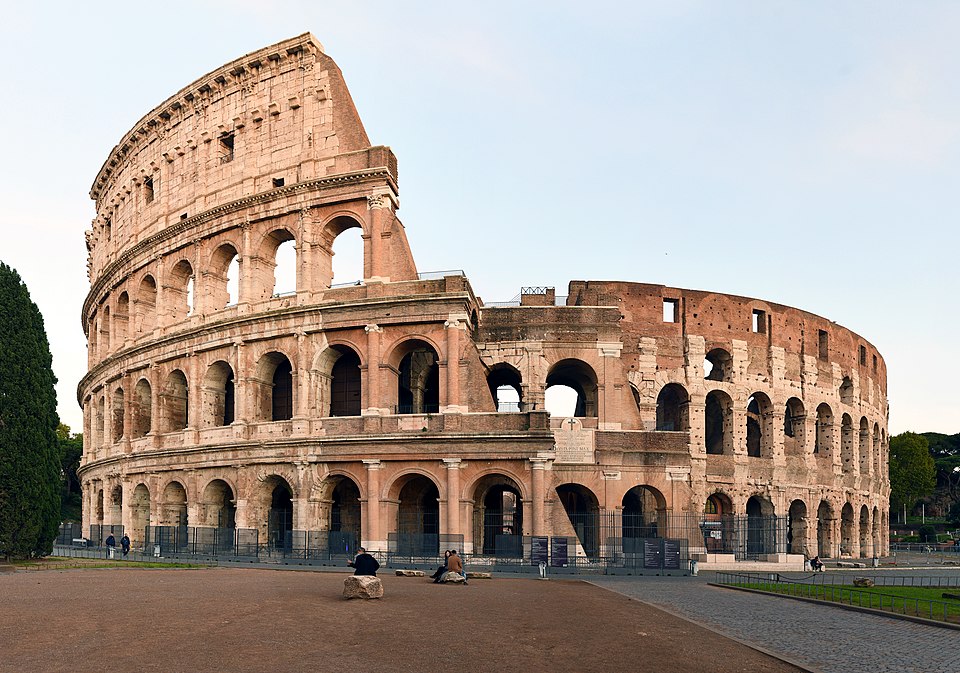
Colosseum

Colosseum

Colosseo

Celio / Forum

The largest amphitheatre of the ancient world, completed in AD 80, held fifty thousand spectators. Your ticket also covers the Roman Forum and the Palatine, so set aside half a day for the whole site. The underground level and the reconstructed arena floor are booked separately and sell out first.

Tip: Tickets are timed and sold almost exclusively online at parcocolosseo.it — turning up at the box office rarely works any more.

Admission:
from €18, valid 24 h including Forum and Palatine
Time needed:
3–4 h with the Forum
Roman Forum and Palatine Hill

Roman Forum and Palatine Hill

Foro Romano e Palatino

Centro Storico

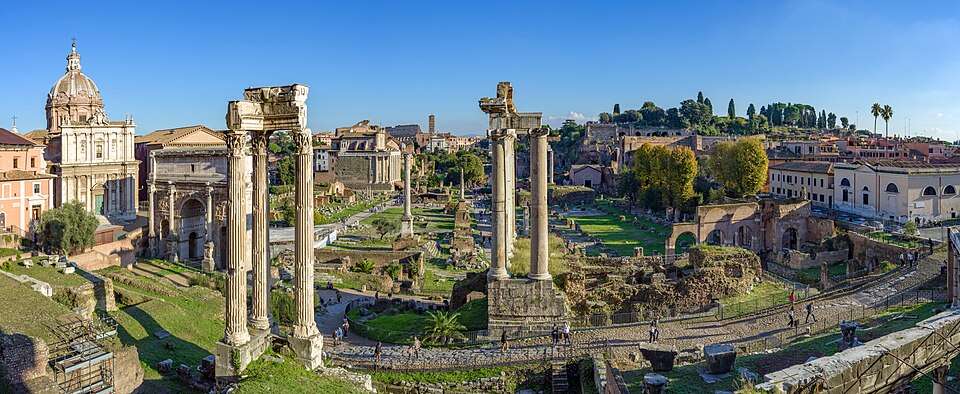
The political heart of the republic and the empire: temples, basilicas, triumphal arches, and on the Palatine the emperors' palaces overlooking the Circus Maximus. Without a plan or a guide it reads as a field of rubble; with one it is among the most powerful things in Rome.

Tip: Enter from Via di San Gregorio on the Palatine side — the queue there is usually far shorter than at the Arch of Titus.

Admission:
included in the Colosseum ticket
Time needed:
2–3 h
Vatican Museums and the Sistine Chapel

Vatican Museums and the Sistine Chapel

Musei Vaticani

Vatican

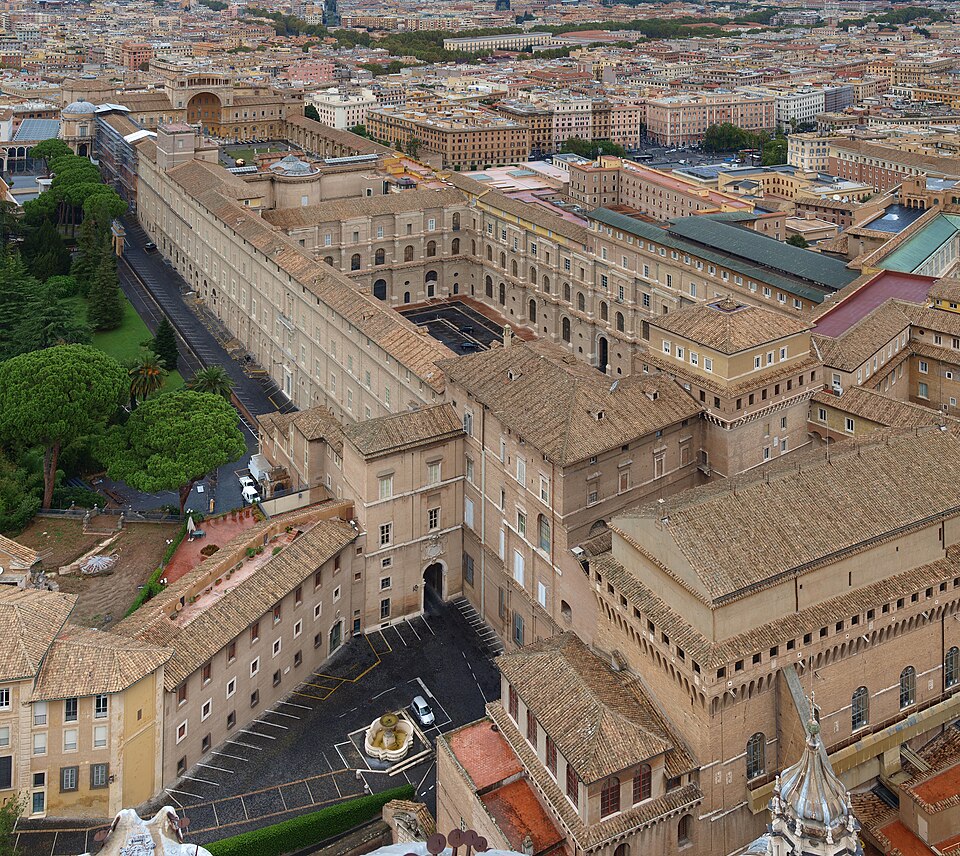
Seven kilometres of galleries holding five centuries of papal collecting: the Raphael Rooms, the Egyptian collection, the Gallery of Maps and, at the end, Michelangelo's Sistine Chapel. The route is one-way and in high season extremely dense.

Tip: Book the first 8:00 entry; you will reach the Sistine Chapel before the rest of the museum fills up behind you.

Admission:
from €20 online plus booking fee
Time needed:
3 h
St Peter's Basilica

St Peter's Basilica

Basilica di San Pietro

Vatican

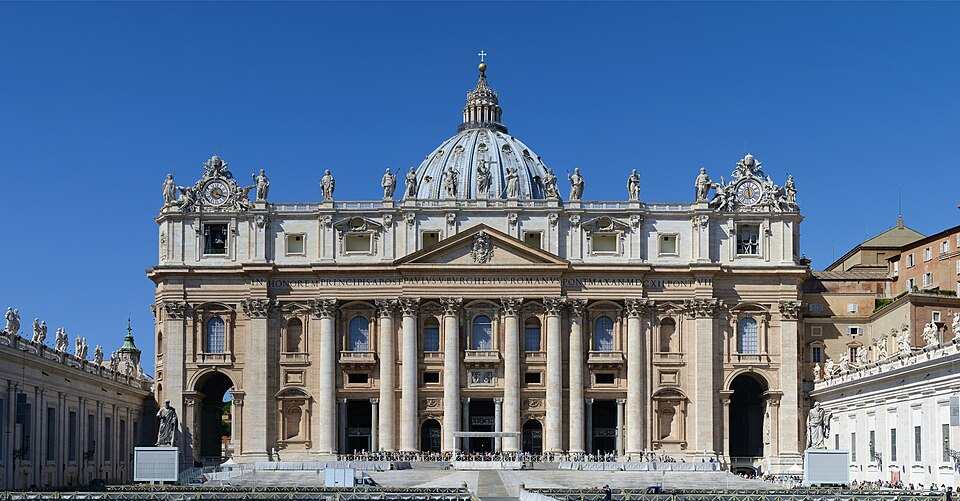
The largest church in Christendom, with Michelangelo's dome and his Pietà immediately on the right as you enter. The basilica itself is free; you pay only to climb the dome, which gives the best view over Rome and into the Vatican gardens.

Tip: The dress code is enforced — shoulders and knees covered, or security turns you away before the scanners.

Admission:
basilica free, dome from €10
Time needed:
1–2 h
Pantheon

Pantheon

Centro Storico

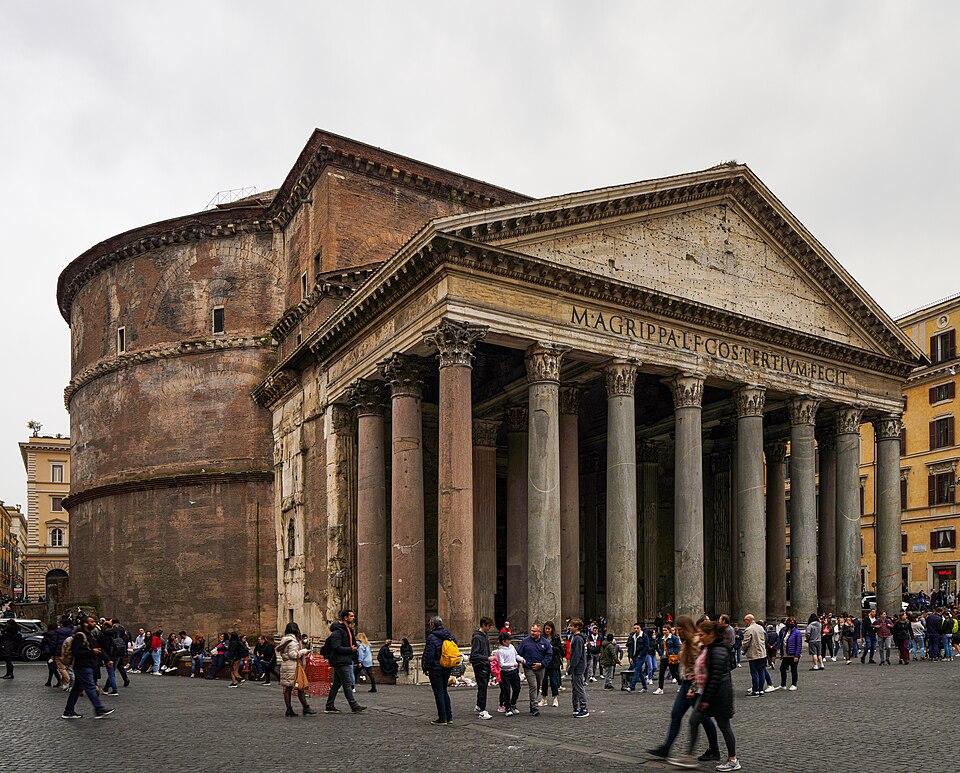
The best preserved building of ancient Rome has been in continuous use for almost two thousand years. Its concrete dome, open to the sky at the centre, still holds the record for the largest unreinforced dome ever built, and it is the burial place of Raphael and of Italy's kings.

Tip: Come at opening time or in the rain — water falling through the oculus onto the marble floor is the best thing you will see here.

Admission:
€5, free on Sunday mornings
Time needed:
30–45 min
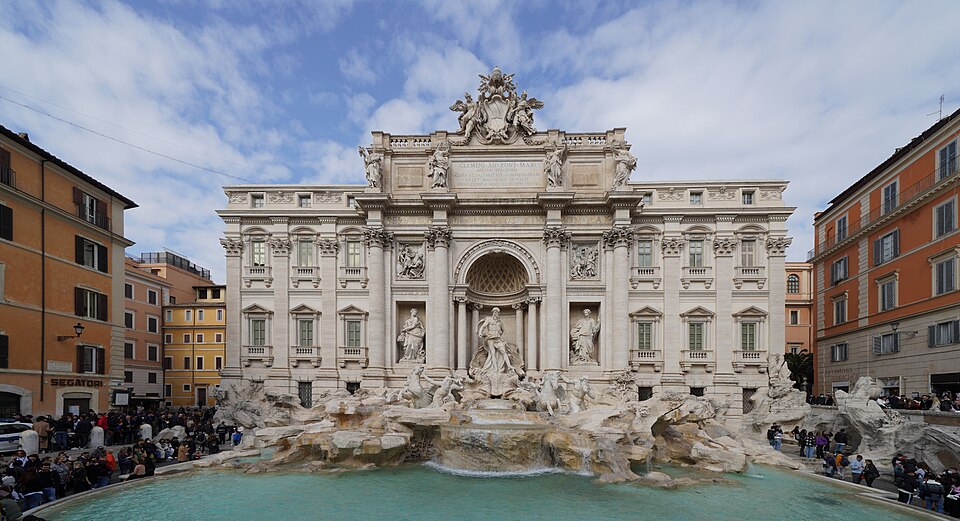
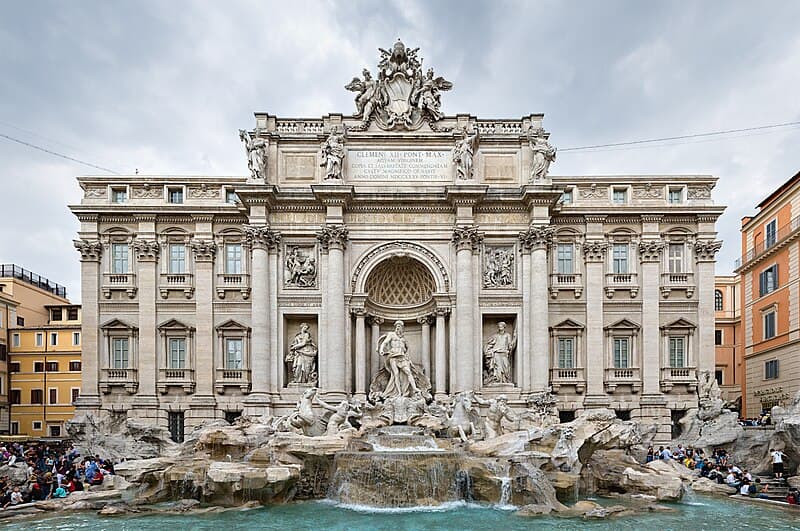
Trevi Fountain

Trevi Fountain

Fontana di Trevi

Trevi

A baroque fountain filling the entire flank of Palazzo Poli, it is the terminus of the Aqua Virgo aqueduct which has carried water here since 19 BC. Tossing a coin over your left shoulder supposedly guarantees a return to Rome; the city collects over a million euros a year from it.

Tip: At six in the morning it is empty and the floodlights are still on — the only hour you will photograph it without a crowd.

Admission:
free
Time needed:
20 min
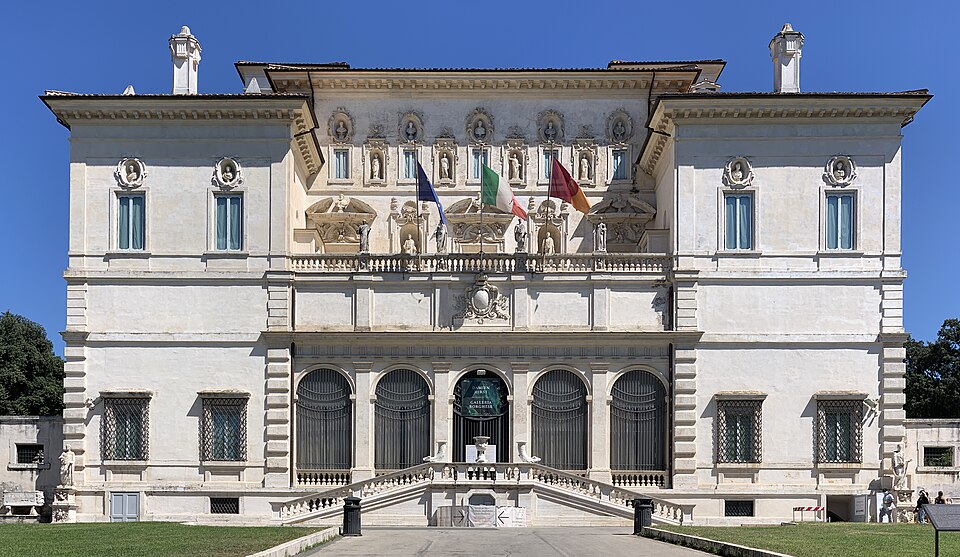
Borghese Gallery

Borghese Gallery

Galleria Borghese

Villa Borghese

Rome's finest sculpture collection in an intimate villa: Bernini's Apollo and Daphne, The Rape of Proserpina and David, plus six Caravaggios. Entry is in two-hour slots with a capped number of visitors, so you can actually stand back and look.

Tip: Booking is compulsory and slots fill up three weeks out — buy the ticket before you buy the flight.

Admission:
from €13 plus compulsory reservation
Time needed:
2 h (fixed slot)
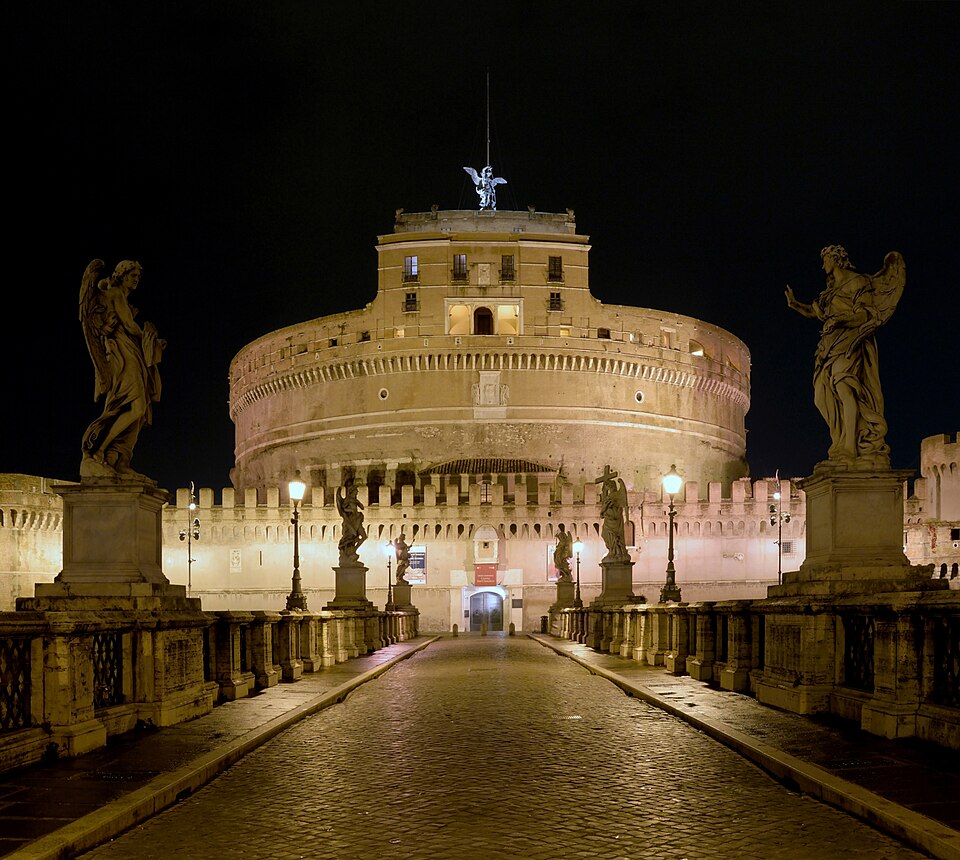
Castel Sant'Angelo

Castel Sant'Angelo

Borgo

Built as Hadrian's mausoleum, later a papal fortress and prison, now a museum with a 2nd-century spiral ramp and a terrace above the Tiber. The upper terrace gives one of the best views of St Peter's dome, particularly at sunset.

Tip: The covered Passetto corridor to the Vatican, used by popes fleeing danger, opens only for special tours — check before you go.

Admission:
from €16
Time needed:
1.5 h
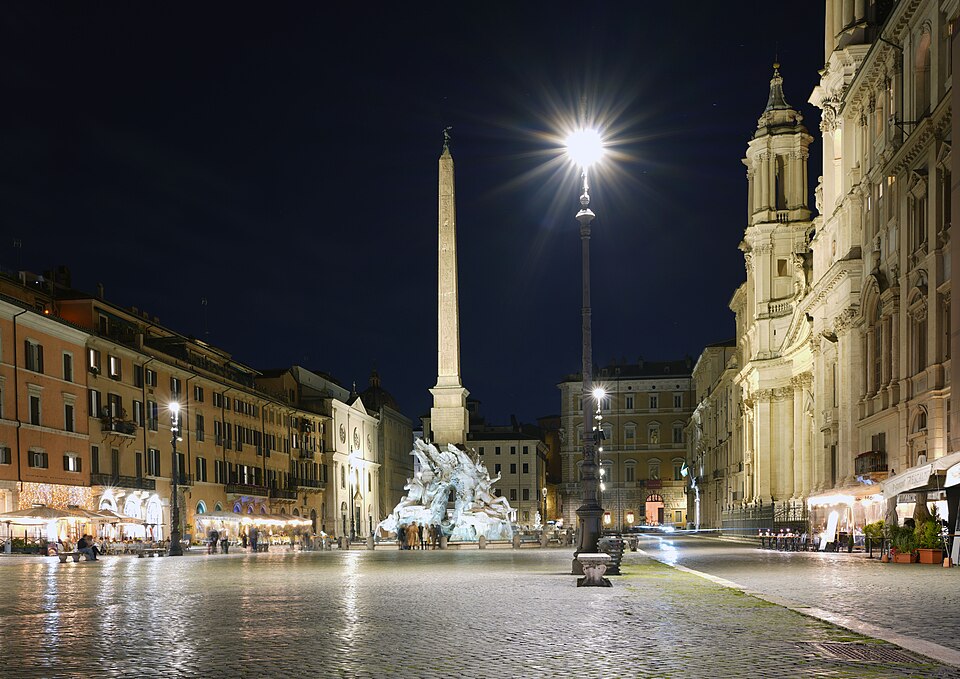
Piazza Navona

Piazza Navona

Centro Storico

A baroque square built over the stadium of Domitian, which is why it keeps the elongated shape of the ancient racing track. Bernini's Fountain of the Four Rivers stands at the centre, with cafés, painters and, in December, a Christmas market around the edges.

Tip: Have your coffee a block away — on the square itself you pay double for the view.

Admission:
free
Time needed:
30 min

Photos: ColosseumFeaturedPics (CC BY-SA 4.0) · Roman Forum and Palatine HillThis Photo was taken by Wolfgang Moroder. Feel free to use my photos, but please mention me as the author and send me (CC BY-SA 3.0) · Vatican Museums and the Sistine ChapelStaselnik (CC BY-SA 3.0) · St Peter's BasilicaAlvesgaspar (CC BY-SA 4.0) · PantheonNikonZ7II (CC BY-SA 4.0) · Trevi FountainNikonZ7II (CC BY-SA 4.0) · Borghese GalleryChabe01 (CC BY-SA 4.0) · Castel Sant'AngeloLivioandronico2013 (CC BY-SA 4.0) · Piazza NavonaNikonZ7II (CC BY-SA 4.0)

Where to stay

Areas and districts, matched to the kind of trip you are taking

Centro Storico

Best for: a first visit and exploring on foot

The area around the Pantheon and Piazza Navona is the obvious choice if you want the sights on your doorstep and no reliance on transport. You pay the highest nightly rate for it and the streets stay lively late. No metro reaches here, but you can walk almost everywhere.

Trastevere

Best for: food and evening atmosphere

Across the Tiber, with cobbled lanes, ivy on the facades and the densest concentration of trattorias in Rome. Ideal for a second visit to the city. It fills up after dark, so if you want quiet sleep pick somewhere off the main strips around Piazza Trilussa.

Monti

Best for: quiet a short walk from the Colosseum

This former working-class quarter between the Colosseum and Termini station is now the best compromise between location and price. Small boutiques, wine bars and cafés, with Cavour metro and a ten-minute walk to the Forum. The best value-to-access ratio in the centre.

Prati

Best for: families and longer stays

A calm, middle-class district north of the Vatican with wide streets, ordinary shops and prices that are not inflated by tourism. Metro line A and St Peter's within walking distance. Suited to travellers who want to live in Rome rather than visit it.

Getting around

From the airport

Rome has two airports. Fiumicino (FCO) is the main international gateway around 32 km southwest of the centre, with the direct Leonardo Express train into Termini station. Ciampino (CIA) is a smaller airport 15 km southeast used by low-cost carriers, with no rail link — only buses and taxis. Taxis from both airports charge a fixed fare into the historic centre which the driver may not exceed.

Leonardo da Vinci–Fiumicino (FCO) · 32 km

  • Leonardo Express to Termini· 32 min· €14
  • FL1 regional train· 45 min· €8
  • Airport coach· 55 min· €6
  • Taxi (fixed fare to centre)· 45 min· €55

Rome Ciampino (CIA) · 15 km

  • Coach to Termini· 40 min· €6
  • Taxi (fixed fare to centre)· 30 min· €40

Around town

The historic centre is walked, not ridden — the metro has only three lines and largely avoids the centre because of the archaeology underneath. Line A serves the Vatican and the Spanish Steps, line B the Colosseum. Trams and a dense bus network fill the gaps but sit in traffic. The BIT ticket is valid for 100 minutes on everything including one metro journey; day and multi-day passes only pay off from about three journeys a day. Expect cobblestones — bring shoes, not sandals.

Metro lines A, B, CThree lines, trains every 3–7 minutes, running until 01:30 at weekends. · €1.50 BIT ticket
Buses and tramsDense network but unreliable timings in traffic. Validate your ticket on boarding. · €1.50
Roma 24h passUnlimited travel for 24 hours, worth it from three journeys a day. · €7
TaxiOnly from official ranks or via an app; do not accept drivers who approach you in the street. · €3 flag fall

Useful apps: FreeNow, Moovit, Probus Roma

When to go

April to early June and then September and October are the sweet spots — warm enough to be outside all day, cool enough to queue. July and August are hot and humid, and many family-run places close for a fortnight in mid-August. Winter is mild and cheap, with the major sites nearly queue-free, though days are short and rain is common. Easter and New Year are exceptionally busy because of pilgrims.

Best time

April to June, September and October

What to avoid

July and August for heat and August closures

MonthJanFebMarAprMayJunJulAugSepOctNovDec
Day12°13°16°19°24°28°31°31°27°22°16°13°
Night3°3°5°8°12°16°18°18°15°12°7°4°
Rainy days8889642358109

Food & drink

Roman cooking is plain and built on a handful of ingredients: pecorino, cured pork cheek called guanciale, artichokes and offal. The classic four pastas — cacio e pepe, carbonara, amatriciana and gricia — differ by a single ingredient each, and how a kitchen handles them tells you what the place is worth. Lunch is around half past one, dinner after eight, and ordering a cappuccino after a meal marks you instantly as a visitor. Drink coffee standing at the bar, where it costs roughly a third of the seated price.

What to try

Cacio e pepe

Pasta made from nothing but pecorino, pepper and starchy water — the hardest test of a Roman cook.

Carbonara

Egg, pecorino, guanciale and pepper. No cream; a kitchen that adds it is not a Roman one.

Supplì

A fried rice ball with mozzarella at the centre, the standard thing to eat on the way to dinner.

Carciofi alla giudia

A whole artichoke deep-fried until crisp, the speciality of the Jewish quarter around Portico d'Ottavia.

Maritozzo

A sweet bun split and filled with whipped cream, the traditional Roman breakfast.

Pizza al taglio

Pizza baked in trays and sold by weight — the cheapest and quickest lunch in the centre.

What it costs

Espresso at the bar

€1.20

Lunch (pizza al taglio or pasta)

€12–15

Beer, 0.4 l

€5–6

Taxi, 5 km

€12–15

Public transport ticket

€1.50

3-star hotel per night

€90–130

4-star hotel per night

€150–220

City tax per night

€4–7 by category

Indicative prices that change over time — treat them as a guide, not a price list.

Practical information

SocketsCEuroplug, two round pinsFSchukoLItalian
Voltage230V / 50Hz
Tap waterTap water is drinkable — Drinkable, including from the street fountains known as nasoni — there are over two thousand of them. The water is cold and good, so carry a bottle and refill as you go.
TippingNot expected. Bills usually carry a coperto of €2–3 per person for bread and cover, which stands in for a tip.
Driving on theright
SafetyRome is safe; the main risk is pickpocketing on metro line A, around Termini and in the crush at the Trevi Fountain. Watch for men offering friendship bracelets and for fake petitions near the monuments.
Opening hoursShops generally 10:00–19:30, smaller ones close for lunch 13:30–16:00. Most museums shut on Mondays and churches close in the middle of the day.
Customs & etiquetteChurches and the Vatican require covered shoulders and knees. Cappuccino is a morning drink only; espresso follows a meal. Ordering standing at the bar is normal and cheaper.
A few local wordsGood morningBuongiornoThank youGraziePlease / you're welcomePregoThe bill, pleaseIl conto, per favoreWhere is…?Dov'è…?

How to plan your days

1 day

The essentials in one day

  1. 1Colosseum at 8:30 on a timed ticket, then straight into the Roman Forum and Palatine.
  2. 2Lunch in Monti — pizza al taglio or pasta away from the tourist strips.
  3. 3Afternoon on foot: Piazza Venezia, the Pantheon and Piazza Navona.
  4. 4Early evening at the Trevi Fountain and the Spanish Steps, dinner in the centre.

2 days

Two days including the Vatican

  1. 1Day one as above.
  2. 2Vatican Museums and Sistine Chapel at 8:00, then St Peter's Basilica.
  3. 3Lunch in Prati, afternoon at Castel Sant'Angelo and across Ponte Sant'Angelo.
  4. 4Cross the Tiber into Trastevere for dinner.

3 days

Three days with the galleries

  1. 1The first two days as above.
  2. 2Borghese Gallery in a booked morning slot.
  3. 3Walk through Villa Borghese park to the Pincio terrace above Piazza del Popolo.
  4. 4Afternoon in the Jewish quarter for fried artichokes at Portico d'Ottavia.
  5. 5Evening on the Aventine and the keyhole on Piazza dei Cavalieri di Malta.

Day trips

Ostia Antica

30 km · 40 min by train

Ancient Rome's port survives better than much of the capital itself — whole streets, mosaics, a theatre and public latrines. A quieter, cheaper alternative to Pompeii that fits into half a day.

Tivoli

30 km · 1 h by train or bus

Two UNESCO gardens: the Renaissance Villa d'Este with hundreds of fountains, and the sprawling Hadrian's Villa, the emperor's summer retreat. Allow a full day for both and wear comfortable shoes.

Orvieto

120 km · 1 h 15 min by train

An Umbrian hill town on a tufa outcrop, with a cathedral whose facade is among the most elaborate in Italy. A network of Etruscan caves runs beneath the town, and a funicular climbs from the station.

Frequently asked questions

How many days do I need in Rome?+

Three days is the realistic minimum for the major sights: one for ancient Rome, one for the Vatican, one for the centre and the galleries. Two days means rushing; four or five lets you add a day trip to the surrounding area.

Do I have to book tickets in advance?+

Yes for the Colosseum, the Vatican Museums and the Borghese Gallery. The Colosseum sells only timed entry, and the Borghese admits visitors in fixed two-hour slots that fill up as much as three weeks ahead in high season.

Is the Roma Pass worth it?+

It pays off if you plan at least two paid sites and will use public transport heavily. It covers unlimited travel and free entry to your first one or two sites, but you still have to reserve a timed slot for the Colosseum separately.

How do I get from Fiumicino to the centre?+

Fastest is the Leonardo Express to Termini station in 32 minutes. The FL1 regional train is cheaper but does not serve Termini — it stops at Trastevere, Ostiense and Tiburtina instead. Taxis charge a fixed fare into the historic centre.

Can I drink the tap water in Rome?+

Yes, and also from the street fountains called nasoni, of which there are more than two thousand across the city. The water comes from the ancient aqueducts, is cold and good quality, so carry a bottle and refill as you walk.

When is the best time to visit?+

April to June, then September and October. Temperatures sit between twenty and twenty-five degrees, which is right for walking all day. Avoid high summer, when it regularly passes thirty degrees and many family-run places close for August.

What is the dress code at the Vatican?+

Shoulders and knees must be covered in St Peter's Basilica and the Vatican Museums, for men and women alike. Security checks this before the scanners, and without a scarf or a layer to put on you will be turned away even with a paid ticket.

What does a day in Rome cost?+

Frugally you can manage on forty to fifty euros a day including food and transport. A normal tourist day with one paid site and a restaurant dinner runs eighty to a hundred euros per person before accommodation, and hotels add a city tax on top.

Visa Requirements

Check the latest visa requirements for entering this country. Some nationalities may need to apply for a visa or e-visa before travel.

Check visa requirements

Language

Italian

Currency

EUR

Timezone

GMT+1

Dial Code

+39

Population

59M

Area

301,340 km²

Voltage

230V / 50Hz

Driving Side

Right

Top Hotels in Rome

Live prices from 500+ properties

Loading hotels...

Planning a trip to Rome?

Compare hundreds of hotels, find the best price, and book with free cancellation on TravelManiac.